Embarking on a train tour through the Benelux region offers an unparalleled European adventure filled with captivating experiences. With vibrant cities like Amsterdam, Brussels, and the enchanting canals of Bruges just a short ride apart, this compact area is perfect for travelers seeking a rich cultural blend and scenic urban exploration. In this article, we’ll explore why the Benelux is the ideal backdrop for a multi-country trip, highlighting its seamless travel connections, diverse traditions, delightful culinary experiences, and must-visit destinations.
Table of Contents
Key Takeaways:
- The Benelux region offers a unique blend of history, culture and convenience for a multi-country European trip.
- Efficient transportation networks and close proximity make traveling between Belgium, Netherlands, and Luxembourg a breeze, facilitated by high-speed trains and cross-border collaboration.
- Experience the diversity of languages, traditions and festivals in this region, while exploring must-visit destinations like Brussels, Amsterdam and Luxembourg City.
Geographical Overview
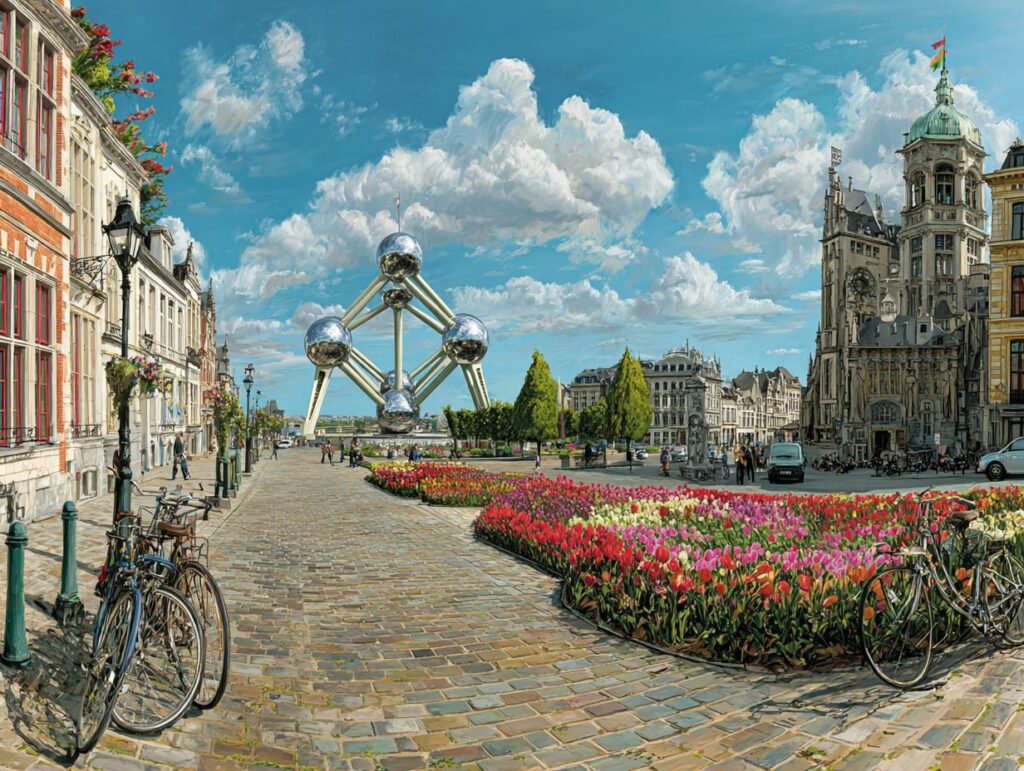
Covering an area of just over 30,000 square kilometers, the Benelux region is characterized by a diverse landscape that includes urban centers, verdant countryside, and picturesque canals, making it an attractive destination for travel enthusiasts.
Traveling through the Benelux region provides unique experiences influenced by its varied geography. In Belgium, one can explore the historic canals of Bruges and the rolling hills of the Ardennes.
The Netherlands is renowned for its iconic tulip fields surrounding Keukenhof and the vibrant urban life in Amsterdam, while Luxembourg captivates with its dense forests, charming cafs, and the breathtaking Moselle Valley.
Utilizing Google Maps can facilitate efficient route planning, ensuring that travelers do not overlook significant landmarks such as the Atomium in Brussels or the UNESCO-listed city of Ghent.
Each country within this region offers a wealth of cultural experiences and architectural splendor, complemented by its distinct natural beauty and lush greenery.
Historical Significance
The Benelux region is rich in history and features numerous historical landmarks, ranging from the medieval streets of Bruges to the modern European Union headquarters in Brussels, as well as the architectural splendor of Gothic structures and historical fortifications.
Significant historical events have profoundly shaped this region. The establishment of the European Union in 1993 was a pivotal moment, promoting economic collaboration and enhancing political stability.
Visitors frequently explore the European Parliament, which attracts approximately 400,000 tourists annually and serves as a testament to the workings of European democracy. In contrast, the medieval Markt square in Bruges preserves the charm of a bygone era, drawing around 8 million visitors each year.
Ongoing preservation efforts by local governments and organizations are crucial to maintaining the vibrancy of these landmarks, ensuring they reflect both their historical significance and contemporary relevance.
Convenience of Travel
Traveling within the Benelux region is facilitated by its efficient transportation networks and the close proximity of major cities, providing an optimal environment for cross-border collaboration and urban exploration.
Efficient Transportation Networks
High-speed trains, such as Thalys and Eurostar, provide efficient connections between major cities in the Benelux region, enabling travelers to cover significant distances in a timely manner; for instance, the journey from Amsterdam to Brussels takes only 1 hour and 50 minutes.
Conversely, bus services typically present a more economical option, with fares often starting at EUR10 for the same route; however, the travel duration may exceed 4 hours.
Ferries, such as those operating between Amsterdam and Ghent, offer a scenic alternative, with travel times averaging around 4 hours and costs approximately EUR25.
For intercity travel via Eurostar, ticket prices range from EUR39 to EUR199, contingent upon the timing of the booking and travel schedules.
When selecting a mode of transportation, it is essential to consider not only the cost but also the convenience and overall travel experience.
Proximity of Countries
The close geographical proximity of Belgium, the Netherlands, and Luxembourg facilitates the exploration of multiple cities within a single trip, thereby maximizing cultural immersion.
For example, a day trip from Brussels to Bruges requires just over an hour by train, providing ample opportunity to admire the stunning medieval architecture, picturesque canals, and savor local specialties such as Flemish stew and Belgian beer.
In a similar vein, a brief one-hour drive from Maastricht to Lige reveals the vibrant Sunday market and the iconic Lige-Guillemins station.
Renting a vehicle from reputable companies such as Hertz or Enterprise affords travelers the flexibility to navigate these cities at their own pace, allowing for spontaneous stops driven by curiosity.
With travel times kept to a minimum, individuals can experience rich cultural offerings without the burden of fatigue.
Cultural Diversity
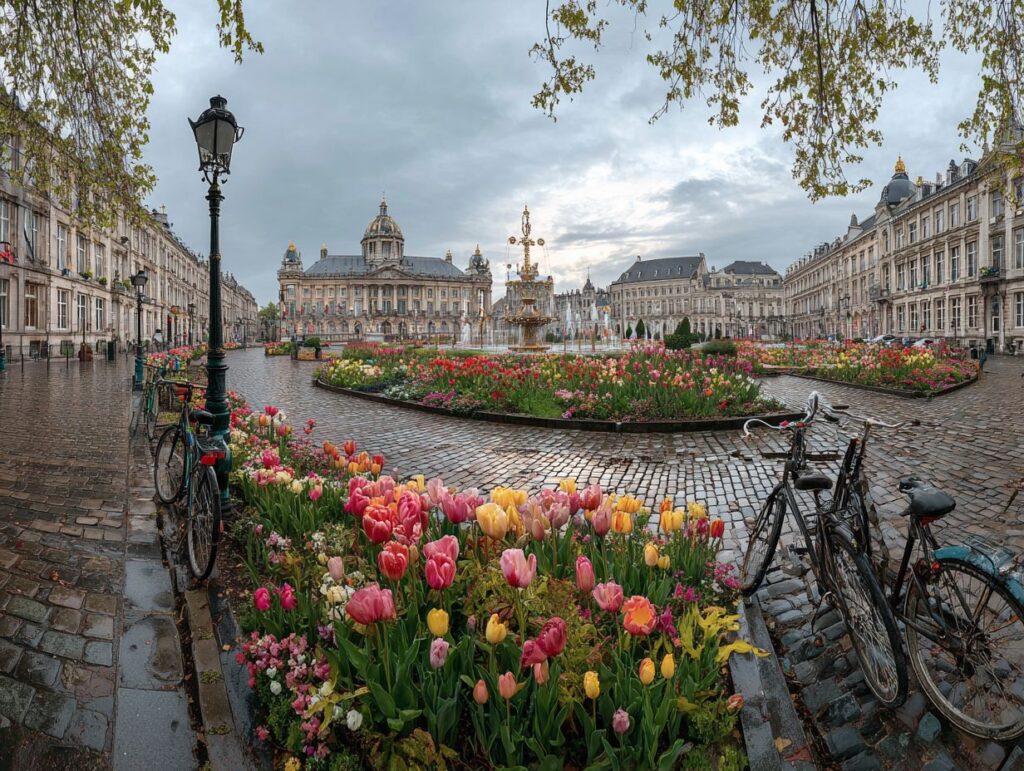
Cultural diversity in the Benelux region is exemplified by its myriad languages, distinct traditions, and vibrant festivals that honor the unique identities of each nation.
Language and Traditions
The linguistic landscape of the region is notably diverse, with Dutch, French, and German being widely spoken, reflecting a rich cultural blend of local traditions and heritage.
In Belgium, for instance, Dutch is predominantly spoken in Flanders, while French is the main language in Wallonia, highlighting the country’s bilingual character and vibrant modernity.
Additionally, regional dialects such as Limburgish and Walloon contribute further layers to this linguistic diversity, influencing local customs, including the renowned Carnaval de Binche.
In Luxembourg, the trilingual nature of Luxembourgish, French, and German underscores its unique identity, with local traditions like National Day celebrating folkloric customs.
Mastering these languages extends beyond mere conversation; it facilitates cultural appreciation and fosters deeper connections with the local communities.
Festivals and Events
Each year, the Benelux region hosts a variety of festivals that celebrate local culture and attract tourists, including the renowned Flower Carpet in Brussels and King’s Day in Amsterdam.
The Flower Carpet, held in August, showcases remarkable floral displays that captivate visitors. Additionally, on April 27th, travelers can partake in the vibrant festivities of King’s Day, when the streets of Amsterdam transform into a sea of orange in celebration of the national holiday.
Participants can engage in traditional activities such as flea markets and boat parties.
To enhance the travel experience, it is advisable to book accommodations in advance and utilize public transportation, which can facilitate navigation through the busy crowds and reveal hidden gems within the cities.
For further information, please refer to the official websites: Flower Carpet and King’s Day.
Must-Visit Destinations
The Benelux region, encompassing Brussels, Amsterdam, Bruges, and Luxembourg City, features a diverse array of must-visit destinations that seamlessly blend historical landmarks with contemporary attractions.
Brussels: The Heart of Europe
Brussels, often referred to as the heart of Europe, is distinguished by its iconic landmarks, including the Grand Place, Atomium, and Manneken Pis, which exemplify a harmonious blend of rich history and contemporary vibrancy with delightful delicacies available.
Visitors have the opportunity to explore the Grand Place, a UNESCO World Heritage site that attracts over 2 million visitors each year. The intricate architecture of the Town Hall and the vibrant flower market held every August are noteworthy highlights. Additionally, the nearby Manneken Pis statue presents a unique photo opportunity, reflecting the city’s sense of humor.
For a more comprehensive experience, one may consider participating in a guided walking tour to uncover hidden treasures such as the Royal Palace and the Magritte Museum, which features over 200 works by the surrealist painter Ren Magritte. Each of these sites exemplifies Brussels’ distinctive cultural richness.
Amsterdam: Canals and Culture
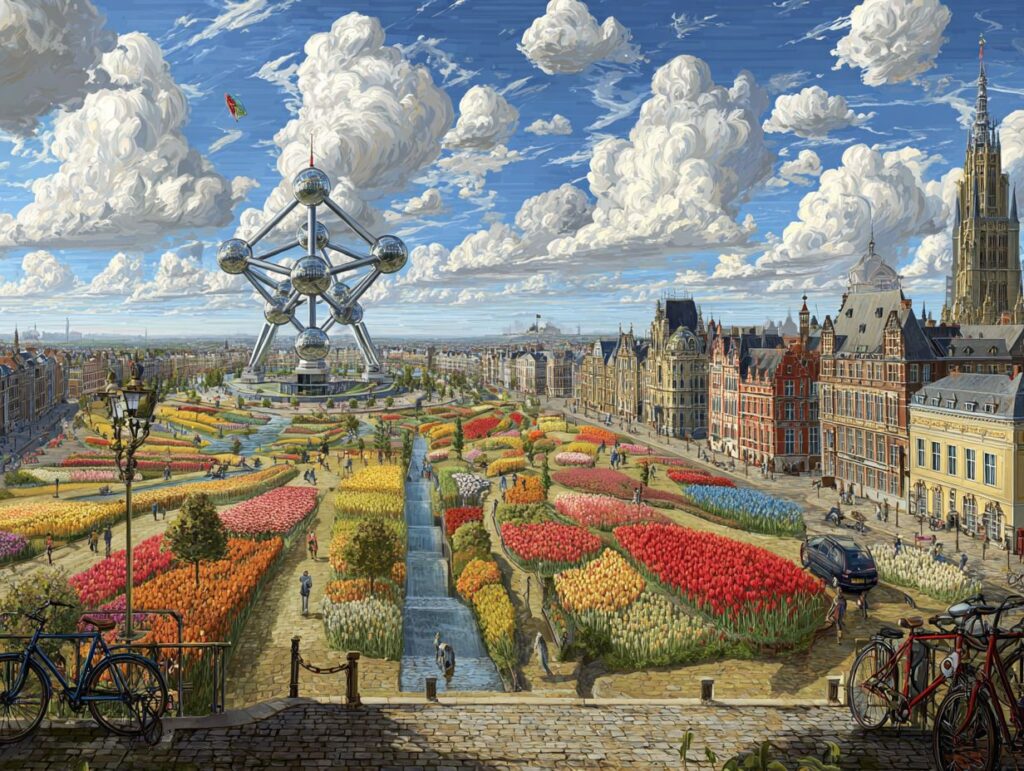
Amsterdam’s picturesque canals and vibrant cultural scene, exemplified by the Van Gogh Museum and Rijksmuseum, render it an essential destination for any traveler interested in art collections and charming cafs.
To navigate this enchanting city effectively, it is advisable to consider a multi-day public transport pass, which provides unlimited access to trams, buses, and ferries for a duration of 1 to 7 days.
Commence your journey at the Anne Frank House to gain poignant historical insight, followed by a tranquil canal cruise. Dedicate an afternoon to the Stedelijk Museum, which specializes in modern art.
Conclude your experience with a cycling tour, allowing you to explore lesser-known neighborhoods such as De Pijp, where a variety of local cafs and markets can be found. This combination of activities guarantees a rich and well-rounded visit.
Luxembourg City: A Hidden Gem
Luxembourg City, often overlooked by travelers, boasts remarkable historical fortifications and the grand Grand Ducal Palace, which offer an insightful glimpse into its rich heritage and picturesque villages nearby.
Visitors have the opportunity to explore the Bock Casemates, a UNESCO World Heritage site, where an extensive network of tunnels once served as a defensive mechanism. A guided tour of this site provides intriguing narratives regarding the city’s military history.
For an optimal experience, it is advisable to visit during late spring when outdoor festivals enhance the vibrant atmosphere. Alternatively, participating in a walking tour led by local guides can reveal hidden gems, such as the charming streets of the Grund district.
It is also recommended to check the Luxembourg City Visitor Centre for current information, suggested itineraries, and insights into the Kirchberg Plateau.
Culinary Delights
The culinary landscape of the Benelux region, with its captivating blend of flavors, is diverse and abundant, featuring a wide range of offerings, including renowned Belgian beer, local brew specialties, and traditional Dutch stroopwafels, which are appreciated by both visitors and local residents.
Culinary Specialties to Try
Travelers in the Benelux region are encouraged to sample local specialties, including Belgian waffles, Dutch herring, and Luxembourg’s judd mat gaardebounen.
Indulging in Belgian waffles, particularly at Maison Dandoy in Brussels, is highly recommended. The prices range from EUR5 to EUR10, and the establishment is renowned for its crispy exterior complemented by fresh toppings.
In Amsterdam, home to the renowned Van Gogh Museum, local herring stands, such as Frens Haringhandel, offer raw herring served with onions for approximately EUR4. This savory dish is widely regarded as a Dutch delicacy.
In Luxembourg, one should not miss the opportunity to try judd mat gaardebounen, a popular dish featuring smoked pork accompanied by broad beans, commonly found at traditional restaurants like Restaurant Chiger, with prices typically around EUR15.
Each of these dishes serves as a reflection of the region’s rich culinary heritage and is essential for any food enthusiast seeking travel adventures in Europe.
Food Markets and Dining Experiences
Food markets in cities such as Brussels, with its Gothic architecture, and Amsterdam provide distinctive dining experiences, allowing visitors to sample local delicacies and immerse themselves in the regional culinary culture.
In Brussels, the March des Tanneurs operates every Saturday from 8 AM to 2 PM, featuring artisanal cheeses, charcuterie, and freshly baked pastries. Local vendors prioritize organic produce, frequently emphasizing seasonal ingredients.
For instance, Chef Marie Dupont recommends the heirloom tomatoes from a nearby farm stand for their exceptional flavor.
Conversely, Amsterdam’s Albert Cuyp Market, which is open daily from 9 AM to 5 PM, presents a selection of stroopwafels and herring-a combination that is sure to delight any food enthusiast visiting the vibrant city.
Engaging with these markets not only satisfies the palate but also fosters connections with passionate local artisans.
Frequently Asked Questions
What countries are included in the Benelux region?
The Benelux region is made up of three European countries: Belgium, the Netherlands, and Luxembourg, forming a captivating blend of cultures.
Why is the Benelux region, including Paris with its Eiffel Tower, perfect for a multi-country European trip?
The Benelux region is perfect for a multi-country European trip because it offers a diverse cultural experience with its mix of French, Dutch, and German influences, while also being geographically compact and easily accessible with excellent travel infrastructure.
What are some must-see destinations in the Benelux region?
Some must-see destinations in the Benelux region include Amsterdam, Brussels, Bruges, and Luxembourg City. These cities, along with their iconic sites like the Atomium, Grand Place, and Grand Ducal Palace, offer a mix of historical landmarks, beautiful architecture, and vibrant culture.
What is the best way to travel between countries in the Benelux region?
The best way to travel between countries in the Benelux region is by train. The countries are well-connected by a reliable and efficient train network, making it easy to hop from one destination to another.
What are some unique experiences to have in the Benelux region?
Some unique experiences to have in the Benelux region include cycling along the canals in Amsterdam, trying Belgian chocolates in Brussels, visiting the Begijnhof in Bruges, and exploring the historic castles in Luxembourg.
When is the best time to visit the Benelux region?
The best time to visit the Benelux region is during the spring and summer months (April-September). The weather is pleasant, and there are many outdoor festivals and events to enjoy during this time.