From the vibrant realm of 80s toys emerged iconic action figures like My Little Pony and Teenage Mutant Ninja Turtles that shaped childhood memories for generations. With classics like He-Man, G.I. Joe, and Cabbage Patch Kids leading the charge, these collectibles have transcended mere playthings to become treasured artifacts. This article delves into the fascinating toy history and enduring hype behind these beloved action figures, uncovering their evolution and cultural significance in today’s market. Join us as we explore the legacy of these timeless icons and their impact on fans young and old.
Table of Contents
Key Takeaways:
- Action figures have evolved from simple toys to highly prized collectibles, reflecting the cultural and societal changes over the years.
- Iconic brands like G.I. Joe, Star Wars, and Transformers have had a significant impact on the popularity and market for action figures.
- The rise of limited editions and exclusives, driven by social media, has created a hype and frenzy around action figures, making them more than just toys but also valuable treasures.
Definition and Purpose in Toy Collecting
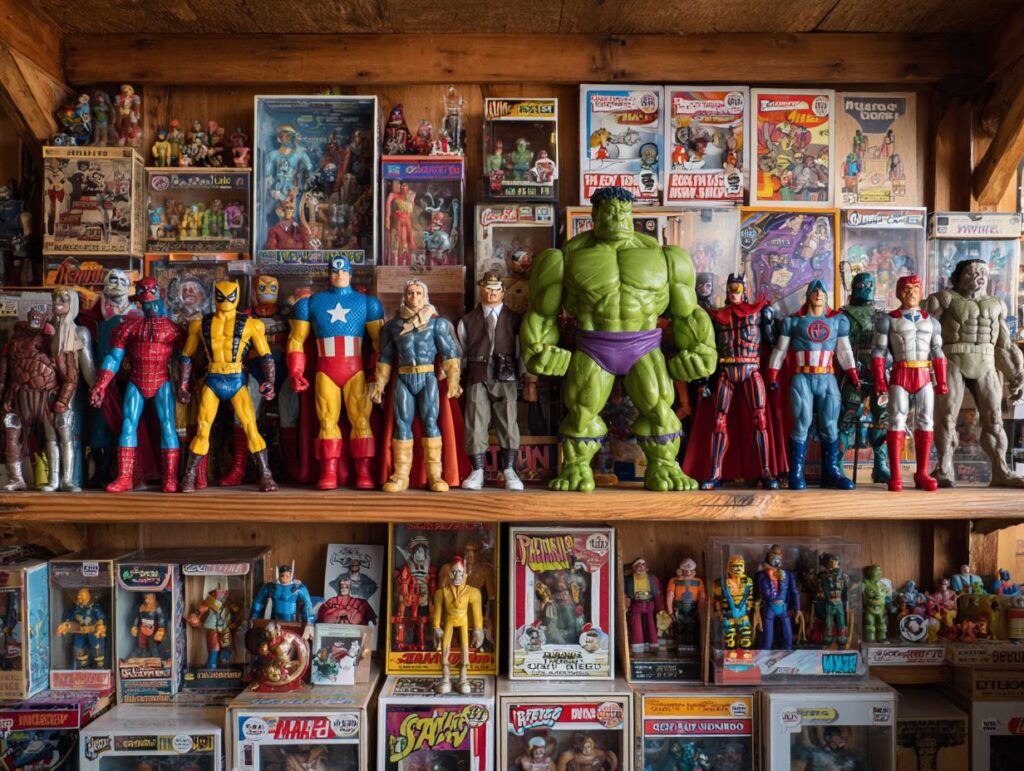
Action figures are defined as posable toys that represent characters from various media, primarily designed for imaginative play and collecting. These figures play a significant role in childhood development by fostering creativity and enhancing imaginative play and role-playing skills.
Research suggests that children who engage in imaginative play exhibit improved problem-solving abilities and social skills.
For example, when a child reenacts a superhero rescue scenario, they learn valuable lessons in teamwork and empathy. Furthermore, beyond childhood, collecting action figures can develop into a rewarding hobby that encourages organization and investment strategies among adults.
Many enthusiasts actively participate in online communities or attend conventions, enriching their experience through the exchange of shared passion and knowledge, which further solidifies the social aspect of this engaging pastime.
Evolution of the Toy Industry and Retro Fashion
The toy industry has undergone considerable evolution since the 1980s, shaped by trends in retro fashion and innovative marketing strategies like those seen in Rubiks Cube and Thundercats that have defined iconic brands.
During this period, mass marketing emerged as a formidable tool, with companies such as Mattel and Hasbro effectively utilizing television commercials to engage young audiences with multimedia strategy.
The introduction of He-Man in 1982 serves as a prime example of this transformation; its cross-promotional advertisements and accompanying cartoon series resulted in a significant increase in toy sales. Similarly, G.I. Joe benefited from comprehensive multimedia campaigns that included comic books and animated television shows, solidifying its status as a cultural icon.
These marketing strategies not only enhanced brand popularity but also laid the groundwork for future brands, illustrating the critical role of cohesive marketing within the toy industry.
Historical Origins
The historical origins of action figures can be traced back to early toys, culminating in the introduction of G.I. Joe in the 1960s, which significantly redefined the concept of action figures.
Early Examples of Action Figures
Ahead of the introduction of G.I. Joe, early examples of action figures included toys such as ‘Major Matt Mason’ and ‘The Six Million Dollar Man,’ which established a foundation for future designs.
Major Matt Mason, launched in 1967, was notable for its array of accessories and articulated joints, which significantly appealed to children’s imaginative play. The character, a NASA astronaut, gained popularity during the Space Age, further enhancing its appeal.
Similarly, The Six Million Dollar Man, introduced in 1974, capitalized on the success of the television series, incorporating bionic sound effects and detailed accessories. This action figure achieved remarkable sales, exceeding 10 million units in its first year.
These figures exemplified a transition in toy design towards more intricate characters, thereby paving the way for the versatile G.I. Joe action figure.
The Rise of G.I. Joe
Launched in 1964, G.I. Joe emerged as a cultural phenomenon, significantly enhancing the action figure market and influencing numerous designs in subsequent years. By 1970, G.I. Joe’s sales exceeded $100 million, largely attributable to innovative marketing strategies, including television commercials and a dedicated comic book series.
Hasbro effectively utilized these platforms to establish an engaging narrative surrounding the characters, rendering them relatable to children. The introduction of themed playsets and vehicles further augmented the brand’s appeal.
G.I. Joe not only set the standard for action figures but also initiated a trend of franchise-based toys, which has contributed to the diverse landscape of collectible figures that exists today.
Iconic Brands and Their Impact on Retro Clothing
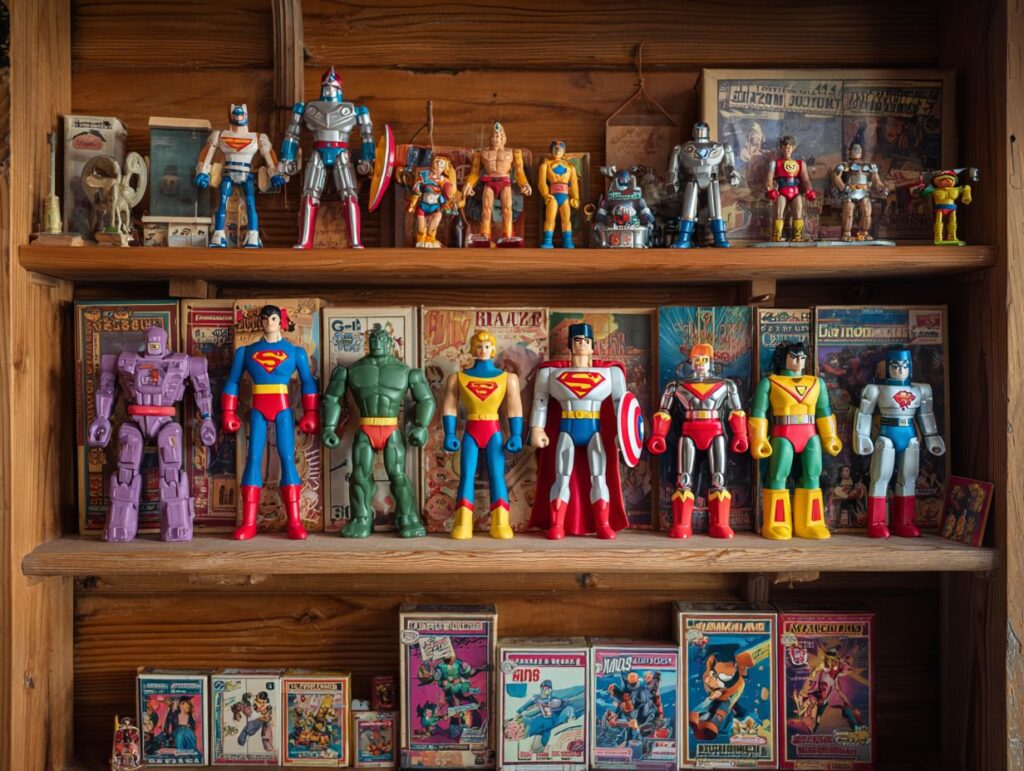
Iconic brands such as Star Wars and Transformers have significantly impacted the action figure industry while also shaping the interests and preferences of generations of collectors and enthusiasts.
Star Wars Action Figures
The introduction of Star Wars action figures in the late 1970s brought about a significant transformation in the toy industry, resulting in a notable increase in both sales and popularity among fans and collectors.
By 1980, the Star Wars action figure line had generated more than $100 million in sales, underscoring the profound impact of licensed toys. The marketing strategy employed during this period included television commercials and strategic tie-ins with movies, successfully captivating an entire generation.
Moreover, character diversity was instrumental in this success, with figures such as Princess Leia and Lando Calrissian challenging existing norms and appealing to a wider audience.
This approach established a precedent that positioned collectibles as essential components in both children’s play and adult enthusiasm, ultimately influencing the future of toy merchandising.
Transformers and Their Legacy in Character Design
Transformers, first introduced in the 1980s, established a distinctive combination of play and collectibility that redefined the action figure market through innovative character design and compelling storytelling.
The success of this product line can be attributed primarily to its engaging narratives, which were prominently featured in animated series and blockbuster films. This multimedia presence elevated the brand beyond the realm of conventional toys, captivating audiences with iconic characters such as Optimus Prime and Megatron.
Collectors frequently pursue vintage figures, particularly those in mint condition, highlighting the series’ enduring legacy within the toy collecting community. In the contemporary landscape, platforms such as social media groups and online marketplaces, including eBay, facilitate connections and trading among enthusiasts.
The Transformers’ capacity to adapt to changing pop culture dynamics ensures their continued relevance in both the play and collectible sectors for future generations.
Cultural Significance and Nostalgic Journey
Action figures play a pivotal role in popular media and serve as significant cultural artifacts that reflect societal trends and values, similar to the legacy of Ern Rubik.
Action Figures in Popular Media and Marvel Influence
Action figures have become an integral component of popular media, extending their influence across animated series and blockbuster films, thereby establishing a mutually beneficial relationship that enhances sales and cultural significance. This relationship is particularly evident in franchises such as G.I. Joe, which significantly increased toy sales through popular cartoons during the 1980s.
In a similar vein, the Transformers film series has sparked a resurgence in toy demand, with figures designed to closely resemble their on-screen counterparts. Companies frequently employ cross-promotional strategies; for example, Marvel consistently aligns its action figures with movie releases, effectively appealing to both collectors and casual fans.
By meticulously analyzing viewer demographics and industry trends, toy manufacturers can strategically direct their marketing efforts, ensuring that action figures maintain their relevance and desirability in an ever-evolving marketplace.
Collecting as a Hobby
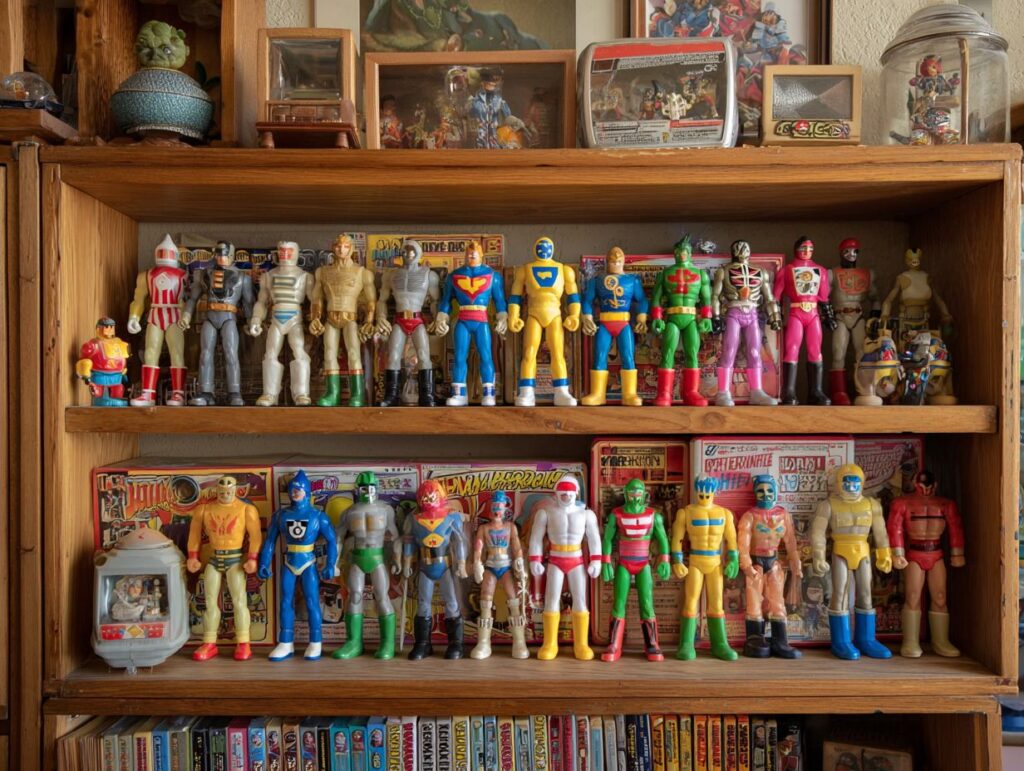
Collecting action figures has become a widely recognized hobby, with enthusiasts frequently undertaking nostalgic journeys to recover cherished items from their childhoods.
Many collectors utilize online marketplaces such as eBay to locate rare figures, often encountering them at unexpected prices. Participation in community forums on platforms like Reddit or Facebook groups can further enrich the collecting experience, enabling collectors to exchange information, share insights, and facilitate trades.
Additionally, attending local toy shows or conventions offers valuable opportunities to interact with fellow enthusiasts and discover unique items in person. This emotional connection, combined with the excitement of the hunt, frequently transforms casual collectors into dedicated aficionados who are passionate about preserving and sharing their collections.
Market Trends and Hype at NewRetro.Net
Current market trends underscore the influence of nostalgia-driven purchases and limited edition releases on the action figure industry, generating substantial excitement among collectors.
Limited Editions and Exclusives
Limited edition action figures frequently sell out within hours due to their exclusivity, which contributes to high resale values and generates significant enthusiasm among collectors.
Companies such as Hasbro and Mattel have effectively leveraged this strategy, as demonstrated by products like the Star Wars Black Series Stormtrooper, He-Man figures, and Barbie’s limited anniversary dolls.
Data indicates that these figures, including Cabbage Patch Kids, can achieve resale prices that are up to 300% higher than their original retail value. For example, a limited run of Transformers figures may retail for $50 but can resell for as much as $150, highlighting the robust demand among collectors.
These short production runs not only create excitement but also cultivate a dedicated community that is eager for the latest releases, including iconic toys like My Little Pony and Teenage Mutant Ninja Turtles.
The Role of Social Media
Social media platforms such as Instagram and Twitter have become essential in shaping the toy collecting community, facilitating the rapid dissemination of information regarding new releases and emerging trends, including Rubik’s Cube and Thundercats.
Brands are increasingly utilizing social media marketing strategies to generate excitement surrounding new toy launches. For example, exclusive reveals and sneak peeks are frequently shared through Instagram Stories, which encourages immediate engagement from consumers and highlights collectibles like Optimus Prime and Skeletor.
Collectors play a vital role by unboxing and showcasing their acquisitions, significantly impacting their peers’ purchasing decisions. Hashtags such as #ToyTok on TikTok enhance visibility, with videos often attracting thousands of views, especially those featuring G.I. Joe and Cobra.
Engaging with these communities also nurtures brand loyalty, thereby creating more effective feedback loops between collectors and manufacturers, a strategy highlighted by NewRetro.Net.
Future of Action Figures
Emerging trends in the action figure industry demonstrate a significant integration of technology, particularly augmented reality and interactive features, which serve to enhance the overall play experience.
This evolution is paving the way for numerous innovations. For example, companies such as Hasbro are incorporating augmented reality applications that enable users to scan figures with smartphones, thereby triggering animations or unlocking additional content.
Furthermore, customization options are increasingly gaining popularity, with brands like McFarlane Toys offering modular designs that allow collectors to easily modify characters’ outfits and accessories, inspired by the innovations of Ern Rubik.
As consumer demand for personalized experiences continues to rise, it is anticipated that more brands will adopt these technologies, likely resulting in an expansion of collectibles that emphasize interactive engagement and user creativity.
Checkout Action Figures Market Size And Projection
Frequently Asked Questions
What are iconic action figures and how did they come to be?
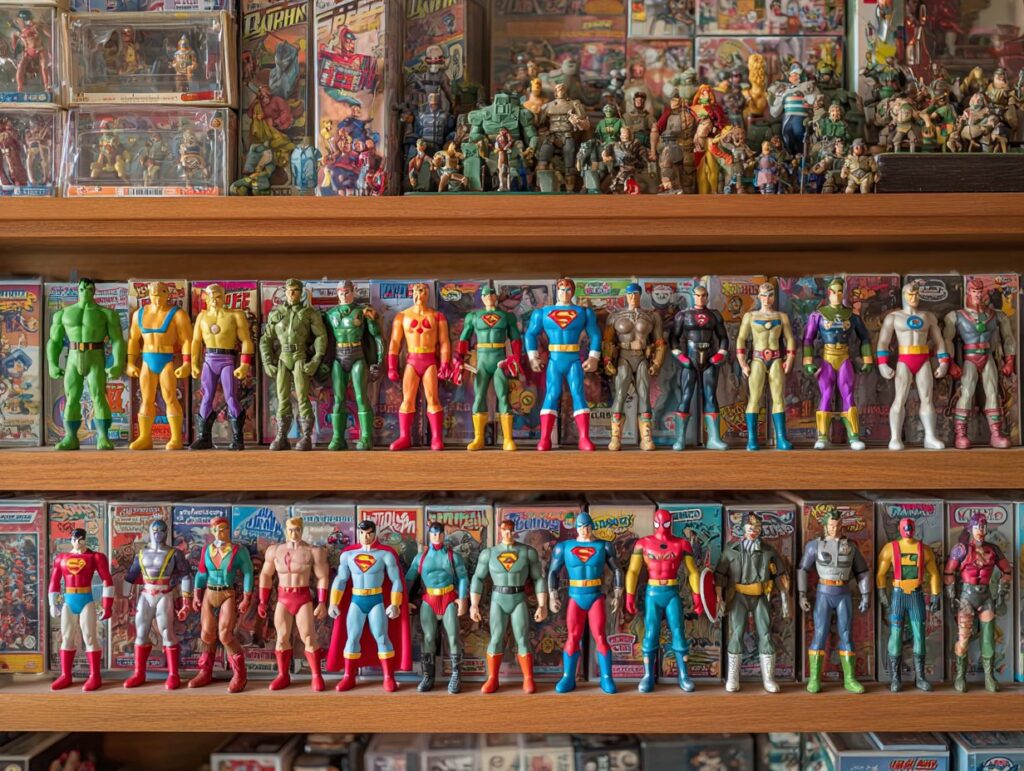
Iconic action figures are popular toys that often represent characters from movies, TV shows, comics, or video games. They were first introduced in the 1960s and became a cultural phenomenon during the 1980s.
What makes an action figure ‘iconic’ and why are they so highly sought after?
An action figure becomes iconic when it has a strong following and has made a significant impact in popular culture. They are highly sought after because they hold sentimental value for many collectors and represent a piece of childhood nostalgia.
What are some of the most well-known and valuable iconic action figures?
Some of the most popular and valuable action figures include Star Wars figures such as the original Luke Skywalker and Darth Vader, G.I. Joe figures, and Transformers figures. Other popular figures include those from the Marvel and DC Comics franchises.
How has the hype and market for iconic action figures evolved over the years?
The demand for iconic action figures has increased over the years, especially with the rise of the internet and online marketplaces. The market has also become more diverse, with a greater variety of figures being produced and collected by fans.
What role do iconic action figures play in popular culture and how have they influenced modern media?
Action figures have become an integral part of popular culture and have had a significant impact on modern media. They have not only inspired movies, TV shows, and video games but also influenced fashion, music, and art. They have also helped shape the childhoods of many generations.
Are iconic action figures just for collecting or can they also be used for play?
While many people collect action figures solely for their value and as a hobby, they can also be used for play and imagination. In fact, many collectors have fond memories of playing with their action figures as children and continue to do so as adults.