Horror movies have a unique allure, stirring a fear response that many of us find exhilarating. These fascinating narratives are key players in the entertainment industry, where they create immersive experiences that captivate audiences. As Halloween approaches and events like America Haunts sweep the nation, the psychological thrill of controlled fear captivates audiences. This article explores the adrenaline rush induced by psychological horror, revealing why we love being scared and how it enhances our enjoyment of the genre. Discover the fascinating interplay between fear and excitement, including the thrill-seeking and escapism elements, that keeps us coming back for more.
Table of Contents
Key Takeaways:
- Horror movies provide a controlled environment for experiencing fear, allowing us to safely explore our emotions and anxieties, while also contributing to our psychological resilience.
- The physiological reactions and the release of adrenaline while watching horror movies can be addictive, making us crave the thrill of fear.
- Sharing the experience of fear with others can create a sense of community and connection, fostering bonding experiences and emotional connections, making us feel less alone in our fears.
The Appeal of Horror Movies
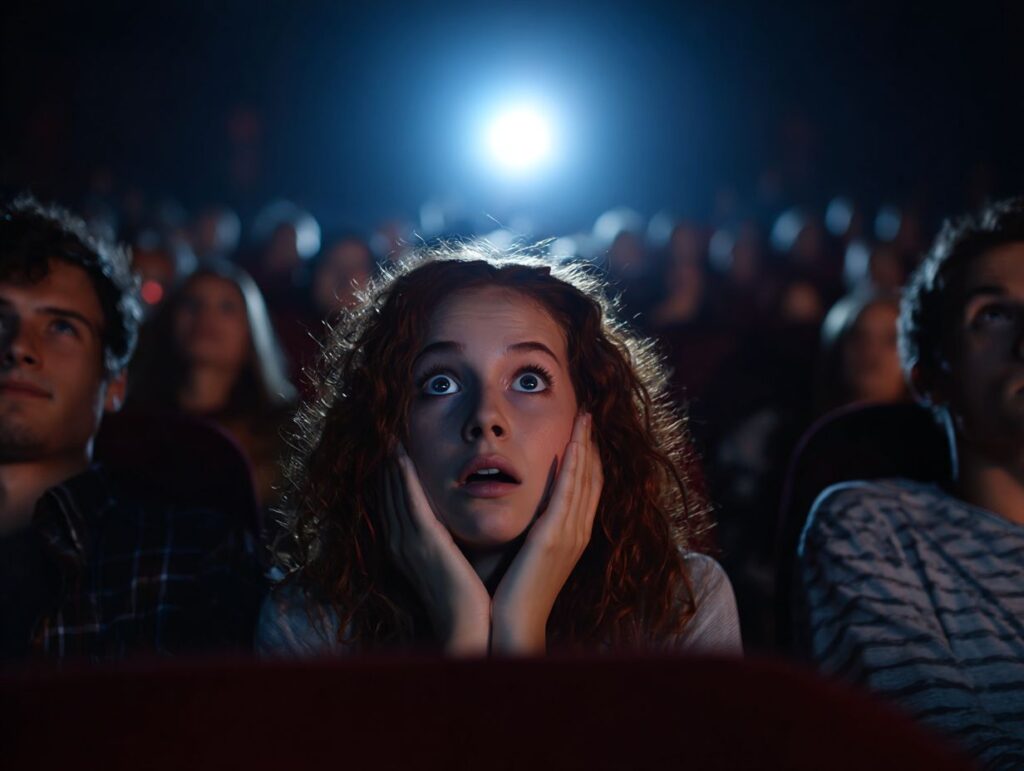
Horror movies engage audiences by providing an adrenaline rush and eliciting fear responses, creating an experience that is both exhilarating and secure, while enhancing emotional preparation for real-life challenges.
Understanding the Thrill
The excitement associated with horror films is primarily due to the adrenaline rush they provoke, activating the body’s fight-or-flight response and exemplifying the horror genre’s unique appeal. This physiological reaction is substantiated by various studies that indicate viewers experience a surge in dopamine levels during intense scenes.
For instance, research published in ‘Psychological Science’ discovered that participants reported increased dopamine levels while viewing suspenseful moments from iconic films such as ‘Psycho’ and ‘Get Out.’ These films skillfully utilize sound design and unexpected plot twists to enhance tension, intensifying emotions and fostering memorable experiences.
Consequently, engaging with horror films can stimulate both visceral thrills and psychological involvement, establishing them as a distinctive genre within the realm of cinema.
Emotional Responses to Fear
Emotional responses to fear in horror films encompass a spectrum from heightened anxiety to cathartic release, facilitating viewers’ confrontation with their fears within a controlled environment.
Films such as “Midsommar” and “Hereditary” serve as prime examples of this phenomenon, eliciting profound emotional reactions. “Midsommar” employs unsettling imagery and psychological tension to generate feelings of dread, whereas “Hereditary” delves into themes of grief and familial trauma.
Such experiences may enhance psychological resilience, as viewers acquire the ability to process fear and anxiety in a secure setting, providing cathartic release. Engaging with terrifying narratives can also initiate discussions about personal fears, thereby encouraging social connections and fostering a deeper understanding of one’s emotions.
The Science Behind Fear
The science of fear involves both physiological responses and complex neurological processes that contribute to the experience of horror, demonstrating the role of neurocinematics in shaping viewer reactions.
Physiological Reactions
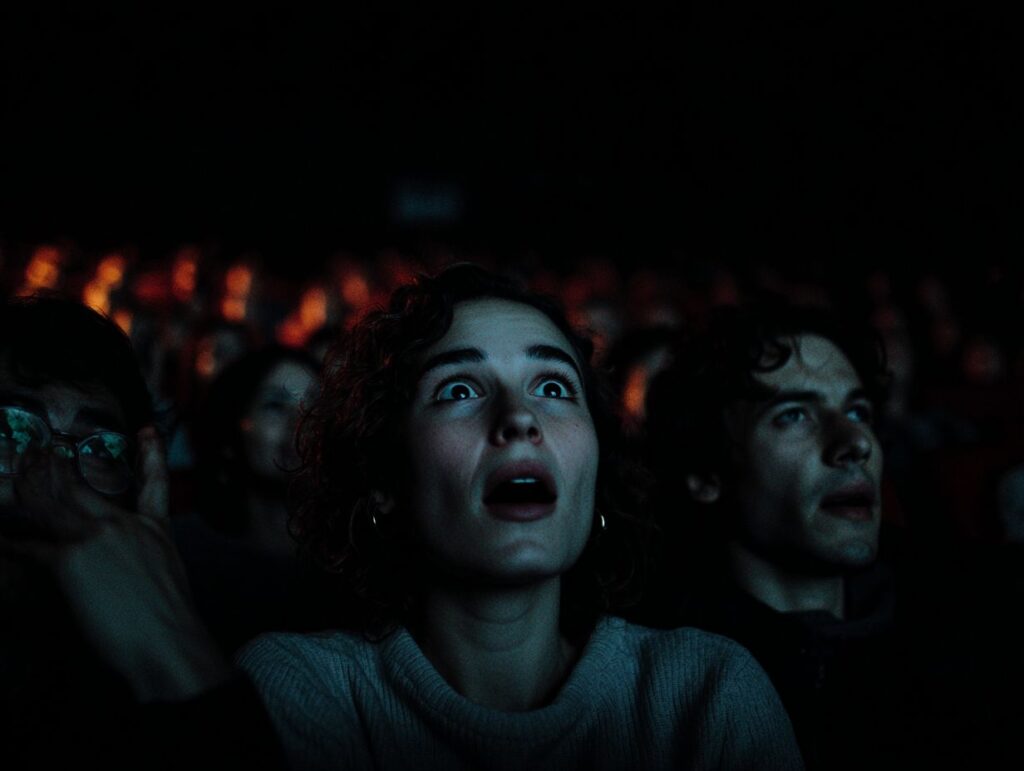
Fear elicits physiological reactions that encompass the fight-or-flight response, which is characterized by surges of adrenaline, heightened sensory awareness, and intense emotions. This response results in increased respiration, elevated heart rate, and muscle tension, effectively preparing the body to either confront or escape from perceived danger.
For instance, in “The Walking Dead,” characters frequently exhibit palpable fear during unexpected jump scares, leading to rapid breathing and tense postures. This heightened state of alertness enhances their focus on immediate threats, reflecting real-life experiences in intense situations where such physiological reactions can be critical for survival.
A comprehensive understanding of these responses can significantly enhance the suspense in narrative storytelling and deepen audience engagement.
The Role of the Brain
The brain plays a crucial role in the processing of fear, with the amygdala serving as a central component in the interpretation and response to fear-inducing stimuli, highlighting the impact of auditory and visual stimuli. Additionally, the sensory cortex is also significant, as it processes incoming sensory information, enabling the brain to identify potential threats.
Research in the field of neurocinematics indicates that horror films can evoke specific brain responses; for example, scenes that incorporate sudden loud noises can activate the amygdala, resulting in an intensified state of fear.
Tools such as functional magnetic resonance imaging (fMRI) scans have demonstrated how viewers’ brains respond, highlighting the critical role of sound and visual cues in enhancing the experience of fear. A comprehensive understanding of these mechanisms can significantly improve filmmakers’ capabilities to evoke authentic fear in their audiences.
Fear as a Social Experience
Fear can serve as a significant social experience, facilitating connections, cultural relevance, and shared exhilaration among individuals, particularly in group settings.
Shared Experiences in Groups
Viewing horror films in group settings significantly enhances the thrill through shared experiences, fostering laughter and camaraderie during intense moments, and enhancing social commentary. This communal viewing not only amplifies excitement but also cultivates a sense of connection among participants.
A study conducted by the University of Oxford revealed that 70% of respondents reported a heightened enjoyment when watching horror films with friends. The social dynamics inherent in these situations often result in spontaneous laughter during suspenseful scenes, effectively alleviating tension.
Utilizing platforms such as Netflix Party or Scener enables friends to synchronize their viewing experiences, regardless of distance, thereby contributing to a shared emotional journey. Embracing the unpredictability of group reactions can elevate a simple movie night into a memorable and impactful experience.
Community and Connection
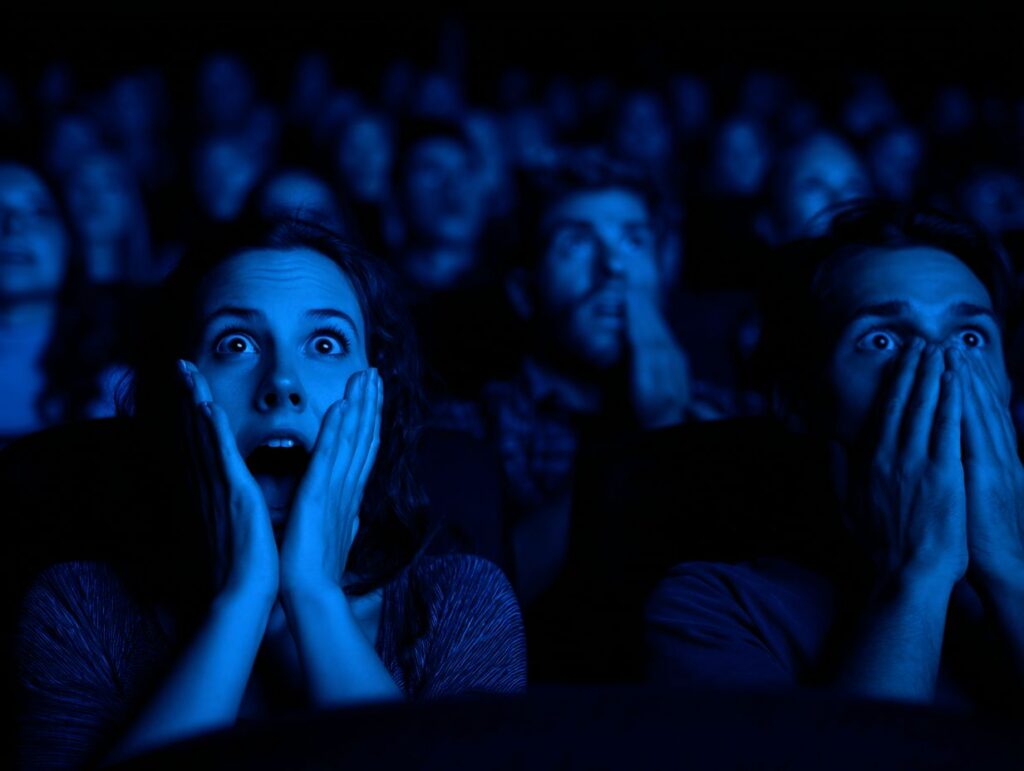
Horror narratives frequently encompass social commentary that resonates profoundly within communities, thereby enhancing the emotional connections among viewers. Films such as ‘Talk To Me’ delve into themes of grief and loss, which are particularly pertinent in the context of the COVID-19 pandemic.
By portraying characters who grapple with their mortality and isolation, the film creates a connection with the audience’s real-life fears, demonstrating how horror can function as a coping mechanism.
In a similar vein, ‘Get Out’ addresses racial tensions and societal issues, utilizing the horror genre to stimulate discourse surrounding systemic racism. These narratives provide viewers with an opportunity to confront their anxieties within a controlled environment, establishing a significant connection between the art form and their personal experiences.
The Catharsis of Horror
Horror functions as a cathartic mechanism, enabling viewers to confront their fears within a controlled environment and facilitating emotional release.
Psychological research supports this perspective, indicating that numerous viewers report substantial relief following their engagement with fear-inducing media, contributing to mental resilience. For example, a study conducted by the University of Westminster found that horror film enthusiasts experienced a decrease in anxiety levels after viewing.
By confronting intense scenarios from the comfort of their own homes, individuals are afforded the opportunity to explore their emotions and reactions without facing real-world consequences. This process not only encourages personal reflection but also cultivates a sense of community among fans who share their responses, thus enhancing the overall viewing experience.
Impact on Mental Health
The impact of horror movies on mental health is complex and multifaceted, encompassing both the potential for increased resilience and the risk of desensitization to fear, highlighting the horror fans’ unique experiences.
Desensitization to Fear
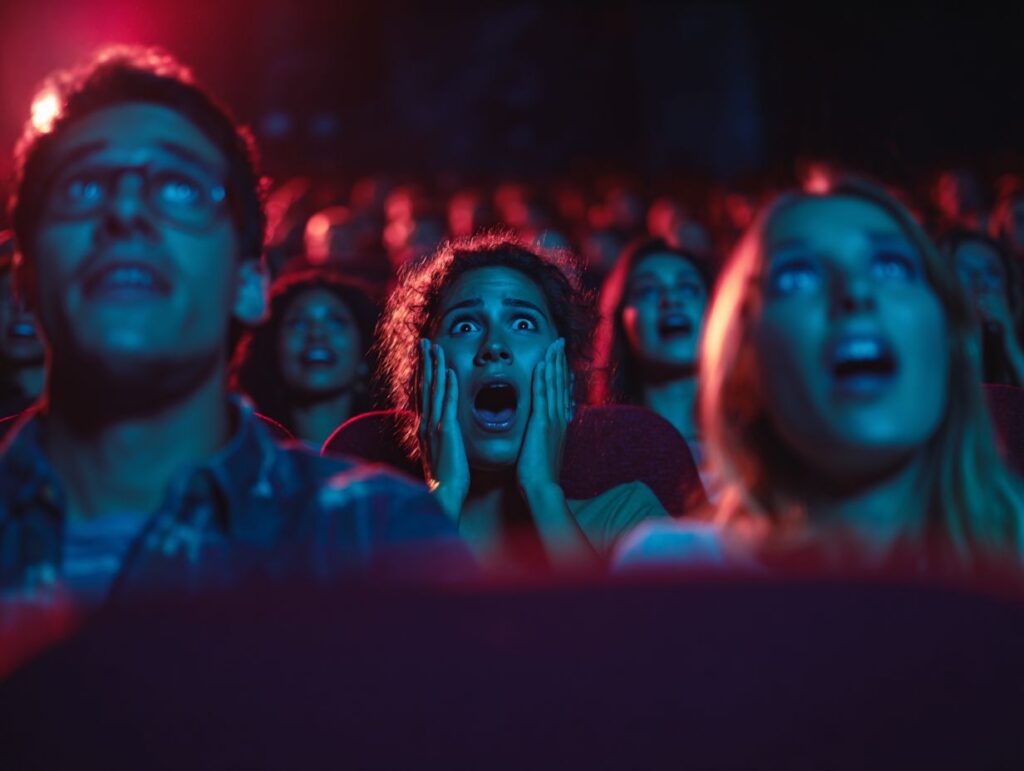
Repeated exposure to horror media can result in desensitization, leading to a diminished emotional response to fear-inducing content over time, altering sensory reactions and emotional strain. Research conducted by experts such as Sarah K. Stephens indicates that dedicated horror enthusiasts often demonstrate a reduced fight-or-flight response, becoming less reactive to jump scares and intense scenes.
This desensitization effect may be observable through physiological measures, such as lower heart rates and decreased skin conductance, when individuals are exposed to horror stimuli. For example, those who frequently watch horror films may find themselves less startled by unexpected frightening sequences compared to individuals who engage with such content infrequently.
As a result, this emotional numbing may influence an individual’s overall thrill-seeking behavior, potentially decreasing enjoyment in more conventional fear experiences.
Learn more, The Spooky Science of Horror Movies: Why Do We Enjoy …
Frequently Asked Questions
What is the psychology behind our love for being scared by horror movies?
The psychology behind our love for being scared by horror movies is rooted in our natural instinct for self-preservation. When we watch scary movies, our brain triggers a response known as the “fight or flight” response, releasing adrenaline and other chemicals that give us a rush of fear and excitement.
Why do some people enjoy watching horror movies while others cannot tolerate them?
Individuals differ in their tolerance for fear and their ability to manage their responses. Some people may find that the thrill of being scared is enjoyable, while others may feel overwhelmed by the intense emotions and prefer to avoid scary movies altogether.
How do horror movies affect our emotions and mental state?
Horror movies, a popular movie genre, can elicit a range of emotions, from fear and anxiety to excitement and curiosity. They can also affect our mental state by triggering our primal fears and forcing us to confront our vulnerabilities and mortality, often tapping into psychological factors.
Can watching horror movies, a form of horror entertainment, be beneficial for our mental health?
While some may argue that horror movies can desensitize us to fear, research suggests that they can actually serve as a cathartic release and help individuals cope with their own fears, anxieties, and tension and anxiety. They can also provide a temporary escape from reality and act as a form of stress relief, potentially leading to a dopamine release.
Why do we enjoy the feeling of being scared by horror movies, often experiencing fear and thrill?
The thrill of being scared by horror movies can be addicting for some individuals. This cinematic experience can provide a sense of excitement, challenge, and accomplishment when we make it through a scary scene, similar to the feeling of riding a rollercoaster or participating in extreme sports, where safety and risk are balanced.
How do horror movies, including supernatural horror and psychological thrillers, tap into our deepest fears and anxieties?
Horror movies often exploit common fears and anxieties that we all experience, such as fear of the unknown, fear of death, and fear of the supernatural, often explored in horror narratives. By tapping into these fears, horror movies can create a sense of unease and discomfort that ultimately leads to a thrilling and satisfying experience, as noted by experts like Glenn D. Walters.