In an era where horror fiction continually evolves, analog horror has emerged as the most chilling trend in film today. Drawing inspiration from the late 20th-century visual styles, creators like Kris Straub have revitalized found footage techniques, as seen in series like *Local 58*. This article explores the unsettling allure of analog horror, delving into its psychological impact and notable works, revealing why it resonates deeply with contemporary audiences.
Table of Contents
Key Takeaways:
Explore the unsettling aesthetics of analog horror and its role in contemporary horror fiction.
- Analog horror evokes fear through the unknown and discomfort, making it the most terrifying trend in film right now.
- The use of old technology and media formats, such as VHS tapes, in analog horror creates a sense of nostalgia and intensifies the psychological impact on viewers.
- Despite the rise of technology, analog horror continues to captivate audiences and influence the horror genre through innovative techniques and lasting impact.
Definition and Characteristics
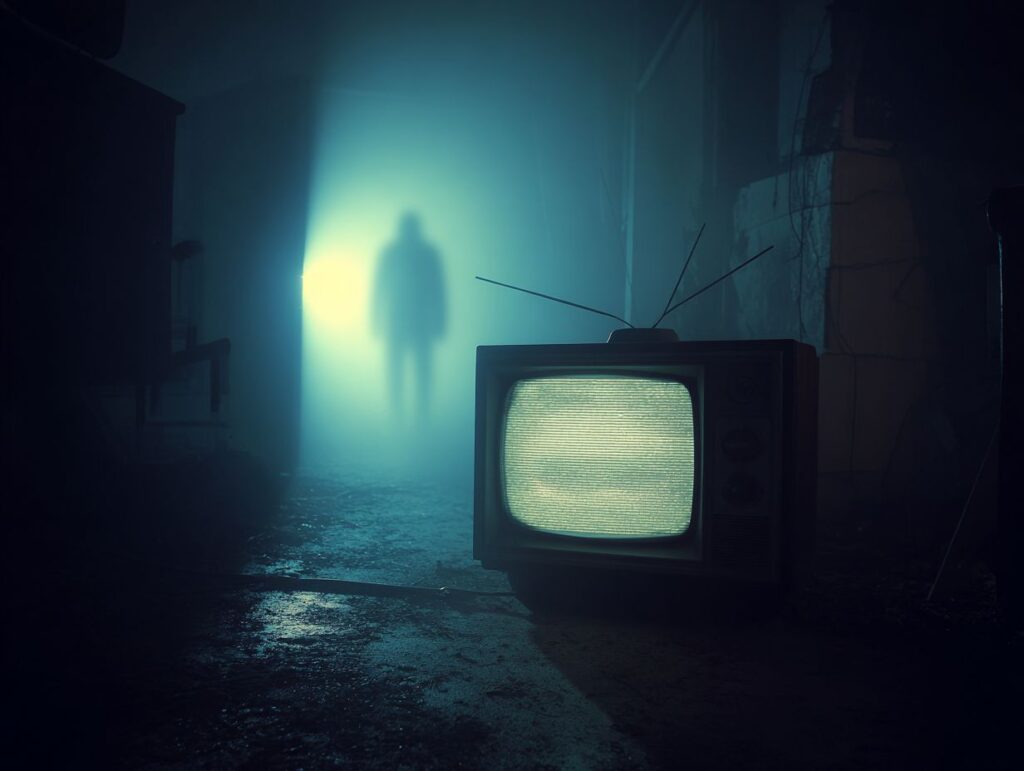
Analog horror, a subgenre of horror fiction, is defined by its unique storytelling techniques and digital storytelling elements.
Analog horror is characterized by its use of low-fidelity graphics, cryptic messages, and audio distortions, which frequently elicit feelings of dread through jump scares and unsettling aesthetics. This genre leverages nostalgic media formats, particularly VHS, to immerse viewers in a distinctly eerie atmosphere.
Notable examples such as The Ring employ grainy footage and distorted audio to convey a sense of realism intertwined with the paranormal. Similarly, Marble Hornets, a web series, exemplifies this genre through its found-footage style, effectively blurring the lines between reality and fiction.
To create analog horror effectively, filmmakers typically incorporate retro editing techniques and utilize handheld cameras. These methods enhance the unsettling experience while capitalizing on audiences’ familiarity with dated media formats.
Historical Context
Rooted in urban legends and creepypasta legends, analog horror draws from cultural references and visual aesthetics of the late 20th-century.
The origins of analog horror can be traced to urban legends and creepypasta narratives that flourished in the early days of the internet, effectively blending elements of folklore and digital folklore with experimental techniques in visual storytelling.
These narratives are designed to create an atmosphere of suspense and uncertainty, often employing found footage and retro aesthetics to evoke a sense of nostalgia. For example, “Candle Cove” utilizes the format of a forum discussion centered around a mysterious children’s television show, gradually unveiling its sinister undertones.
Similarly, “The Mandela Catalogue” employs VHS-style visuals to construct unsettling narratives that revolve around the concept of doppelgngers. This evolution in storytelling reflects a significant shift in digital narratives, where creators effectively leverage technology to develop immersive and interactive experiences that engage audiences on multiple levels.
This approach stands in stark contrast to traditional horror, which typically relies on linear storytelling.
Psychological Impact of Analog Horror
This horror subgenre uses analog electronics and psychological horror elements to create an immersive experience.
Analog horror effectively engages audiences on a psychological level by addressing deeply rooted fears of the unknown. This genre cultivates an immersive experience that resonates with viewers long after the conclusion of the viewing.
Fear of the Unknown
The fear of the unknown serves as a central theme in analog horror, often expressed through ambiguous narratives, glitch-like effects, and visual styles that elicit anxiety rather than explicit terror.
Films such as Skinamarink and The Blair Witch Project exemplify this technique with remarkable effectiveness. In Skinamarink, disorienting camera angles and grainy visuals cultivate a palpable sense of dread, accompanied by a minimalistic plot that invites extensive interpretation.
Similarly, The Blair Witch Project employs shaky handheld footage and off-screen sounds to heighten tension, instilling a sense of paranoia in viewers without ever revealing the titular witch.
Both films effectively illustrate that suggestion and atmosphere can evoke deeper fears than any on-screen monster might achieve.
Nostalgia and Discomfort
Nostalgia plays a significant role in analog horror, often inducing discomfort through the use of outdated technology and visual styles that evoke late 20th-century media. This aesthetic choice effectively immerses audiences in a familiar yet unsettling environment, predominantly through the employment of VHS tapes.
The grainy visuals and distorted audio engage collective memories, reminding viewers of a time when media appeared less polished and more authentic.
For example, films such as “Lake Mungo” effectively utilize these elements to generate unease, while YouTube channels like Local58 skillfully combine retro imagery with disturbing narratives.
The inherent limitations of VHS technology, including low resolution and tracking issues, further amplify feelings of nostalgia and discomfort, enabling viewers to confront their fears within a context steeped in reminiscence.
Notable Examples of Analog Horror
Numerous influential films and television series have significantly shaped the analog horror genre, skillfully combining traditional horror elements with innovative visual storytelling techniques to engage and captivate audiences.
Influential Films and Series
Recent entries like Late Night with the Devil and Five Nights at Freddy’s showcase the innovative use of found footage style and manipulated media in analog horror.
Influential works such as Marble Hornets, The Ring, and Paranormal Activity exemplify the fundamental elements of analog horror, each contributing distinct themes and techniques to the genre.
Marble Hornets is notable for its found-footage style, which invites viewers into a fragmented narrative that effectively blurs the line between reality and fiction. The Ring, through the use of a cursed videotape, delves into themes of fear and obsession, resonating with audiences globally, particularly due to its chilling atmosphere.
In contrast, Paranormal Activity innovatively employed low-budget techniques to create a sense of realism that captivated viewers and inspired a wave of mockumentary-style horror films.
Collectively, these works illustrate how analog horror can adeptly evoke anxiety and enhance viewer engagement through immersive storytelling and relatable characters.
Key Themes and Motifs
Key themes in analog horror frequently center on isolation, the failures of technology, and the distortion of reality, employing visual styles that evoke digital folklore and unsettling narratives.
Isolation is effectively illustrated in works such as Local 58, where characters often find themselves alone, which intensifies their vulnerability. This theme resonates deeply, reflecting real-life anxieties surrounding surveillance and the unknown.
The failures of technology are represented through glitchy broadcasts and unresponsive devices, symbolizing a pervasive fear of losing control. The Backrooms serves as a prime example of this, featuring disorienting, endless corridors that mirror the sensation of being trapped in a digital nightmare.
Both series make use of retro aesthetics and distorted soundscapes to cultivate a profound sense of unease, thereby immersing viewers in their eerie universes.
The Role of Technology in Analog Horror
Technological limits and alternate reality elements significantly influence the DIY horror approach of analog horror.
Technology functions as both a tool and a thematic element in analog horror, allowing creators to manipulate media formats and utilize found footage techniques that enhance the genre’s tension.
Use of Found Footage
The found footage technique is a crucial element in analog horror, effectively blurring the boundaries between reality and fiction, often enhanced by audio distortion and immersive visuals. This method cultivates a distinctive sense of authenticity, exemplified in The Blair Witch Project, where unsteady camera work and real-time reactions engage viewers in the unsettling narrative.
In a similar vein, the series Archive 81 employs archived videos to create tension by implying that these recordings are genuine artifacts. The deliberate imperfections in visuals and sound design, such as echoing footsteps or static noises, intensify the sense of dread, prompting audiences to question the nature of reality.
This multi-layered approach skillfully manipulates fear, drawing viewers further into a compelling and disquieting experience.
Manipulation of Media Formats
The manipulation of media formats, including VHS aesthetics and glitch-like effects, is instrumental in establishing the unsettling tone characteristic of analog horror. Creators frequently combine practical effects with digital manipulation to enhance the chilling atmosphere.
For example, Gemini Home Entertainment effectively employs grainy textures and static interruptions reminiscent of vintage VHS tapes to evoke a sense of nostalgia while simultaneously instilling a feeling of dread.
Techniques such as incorporating faux trailers, using jump scares with abrupt cuts, and layering disquieting audio serve to enhance viewer immersion. Artists may also utilize software like Adobe After Effects to create distorted visuals or obscure images, further contributing to the genre’s distinctive and eerie style.
Audience Reception and Critique
The audience reception of analog horror exhibits considerable diversity, leading to the formation of dynamic fan communities, while simultaneously eliciting both commendation and criticism from horror critics.
Fan Communities and Discussions
Online platforms play a crucial role in uniting fans of analog horror, promoting audience engagement through dynamic discussions on narrative techniques and horror tropes.
Fan communities surrounding analog horror have experienced significant growth on platforms such as Reddit and Discord, facilitating discussions that enhance engagement and interpretation of the genre.
These platforms promote meaningful dialogue through dedicated channels and threads where fans exchange theories, analyze narrative assets, and produce fan art.
For example, Reddit’s r/AnalogHorror provides a space for users to share their interpretations of pivotal scenes, while Discord servers frequently host live discussions coinciding with new uploads.
Utilizing collaborative tools like Google Docs for theory-building can further enrich the experience. Through participation in these discussions, members not only connect over shared interests but also contribute to the evolving narrative of analog horror, thereby deepening the community’s collective understanding.
Critics’ Perspectives
Critics hold diverse perspectives on analog horror, with some lauding its innovative characteristics while others dismiss it as content driven solely by nostalgia and lacking substantive depth.
Prominent critic Mark Fisher asserts that analog horror goes beyond conventional scare tactics, as it engages with collective anxieties regarding technology and memory. He states, “It forces us to confront the haunting nature of forgotten media.”
In contrast, journalist Sarah Jane critiques this genre as being self-indulgent, remarking, “It often relies too heavily on retro aesthetics without genuine depth.”
This dichotomy highlights a broader debate: is analog horror a novel exploration of fear, or merely a recycled gimmick? Each perspective enriches the discussion surrounding its evolving role within the horror genre.
Potential Trends and Innovations
Emerging trends in analog horror indicate a growing inclination towards experimental techniques and cross-media storytelling, which are expected to attract new audiences and expand creative boundaries.
A significant example of this trend is the incorporation of virtual reality (VR) into analog horror, as demonstrated by projects such as “The Dark Pictures: Switchback VR,” which utilize immersive environments to enhance viewer engagement.
This development allows fans to engage with horror narratives in a manner akin to their preferred video games, reminiscent of the cult following surrounding series like “Marble Hornets” and “Eventide Media Center.”
Furthermore, interactive storytelling is being explored in series like “The Backrooms,” enabling viewers to select plot directions, thereby deepening their connection to the narrative.
These innovative methods not only challenge creative limits but also foster immersive experiences that resonate with a diverse array of audiences.
Lasting Influence on the Horror Genre
The enduring influence of analog horror on the horror genre is clearly observable in contemporary films and series that adopt its techniques and themes, thereby enriching the storytelling landscape.
Films such as “The Blair Witch Project” and series like “Creepypasta” employ found footage aesthetics, immersing viewers in a disquieting experience that evokes a sense of authenticity. Other notable examples include “The Walten Files,” “Gemini Home Entertainment,” and “The Monument Mythos,” each contributing to the genre’s rich tapestry.
In the realm of streaming, Netflix’s “Channel Zero” exemplifies the unsettling elements of analog horror through the use of grainy visuals and nonlinear storytelling, effectively enhancing the atmosphere of dread.
Furthermore, the incorporation of VHS-style effects in “Deadstream” demonstrates how contemporary creators merge vintage sensibilities with modern character arcs, illustrating a seamless integration of analog techniques into current narratives.
Checkout Why 2025 is a scarily good year for horror movies.
Frequently Asked Questions
What is analog horror and why is it considered the most terrifying trend in film right now?
Analog horror is a subgenre of horror films that utilize older technologies and techniques, such as VHS tapes, cassette tapes, and practical effects, to create a sense of nostalgia and unease. It is considered the most terrifying trend in film right now because it plays on our fear of the unknown and the supernatural, while also tapping into our collective memories of the past.
Why is analog horror gaining popularity in the film industry?
Analog horror is gaining popularity in the film industry because it offers something new and refreshing for horror fans. With so many films relying on CGI and jump scares, analog horror brings back practical effects and slow-building tension, creating a more immersive and psychological experience for viewers.
How does analog horror differ from traditional horror films?
Analog horror differs from traditional horror films in its use of practical effects and older technologies. It also focuses more on building a sense of dread and tension, rather than relying on jump scares. The goal of analog horror is to create an unsettling and unsettling experience for the audience rather than simply scaring them.
What makes analog horror so terrifying to viewers?
Analog horror is terrifying to viewers because it taps into our primal fears and plays on our nostalgia. By using older technologies and techniques, it creates a sense of unease and unfamiliarity that can be deeply unsettling. It also relies on slow-building tension and psychological horror, which can be more effective in eliciting fear than traditional jump scares.
Why is there a resurgence of interest in analog horror in recent years?
There is a resurgence of interest in analog horror in recent years because it offers a unique and refreshing take on the horror genre. With many horror films becoming formulaic and predictable, analog horror brings something new and unfamiliar to the table. It also appeals to a wide range of audiences, from older viewers who can relate to the nostalgia, to younger viewers who are drawn to its unique style and storytelling.
What impact has analog horror had on the film industry?
Analog horror has had a significant impact on the film industry, sparking a resurgence of interest in practical effects and low-budget filmmaking. It has also influenced other genres, such as science fiction and thrillers, to incorporate elements of analog horror in their storytelling. Additionally, it has created a community of passionate fans and filmmakers who are pushing the boundaries of the genre and creating new and terrifying experiences for audiences.