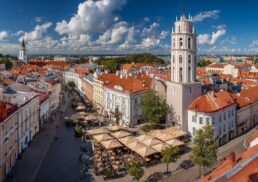
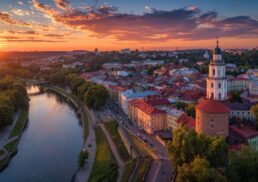
Discover the enchanting landscapes and rich culture of Portugal in our comprehensive travel guide for 2025, featuring insights into award-winning experiences. From the stunning beaches of the Algarve to the vibrant streets of Lisbon and the historic charm of Porto, Portugal offers a diverse array of experiences, including luxury hotels and gourmet dining. Indulge in exquisite MICHELIN-rated restaurants and explore must-see attractions that showcase the country’s unique heritage, such as the azulejos and historic landmarks. This guide will ensure you know exactly where to stay, eat, and explore, including private tours, for an unforgettable Portuguese adventure.
Table of Contents
Key Takeaways:
- Discover the best time to visit Portugal with seasonal highlights and popular festivals and events.
- Experience the diverse and vibrant cities of Portugal with top recommendations for accommodation including hotels and hostels, such as the luxurious Vila Vita Parc Resort & Spa and Reid’s Palace in Madeira.
- Indulge in traditional Portuguese cuisine and explore the country’s cultural and historical sites, natural wonders, and transportation options for a seamless trip.
Best Times to Visit
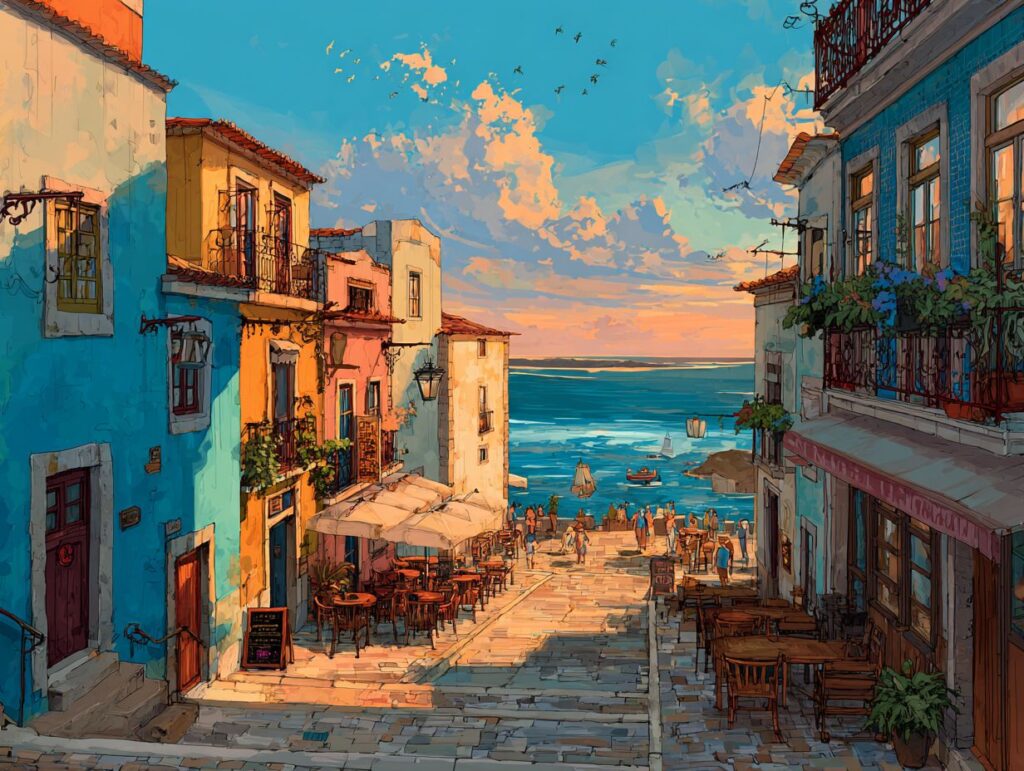
Comprehending the optimal times to visit Portugal can greatly enhance the travel experience, enabling visitors to fully appreciate the country’s natural beauty and cultural events.
Seasonal Highlights
Experience the rustic charm of Portugal’s countryside and the vibrant culture of its cities.
Portugal’s seasons each offer distinct experiences that appeal to a wide range of interests. Spring, occurring from March to May, is ideal for enjoying blooming gardens, while autumn, from September to November, highlights the picturesque landscapes of vineyards.
During the spring, visitors are encouraged to explore the magnificent Jardim da Estrela in Lisbon, where vibrant tulips and cherry blossoms are in full bloom. As summer approaches, one may choose to relax on the golden beaches of the Algarve or explore the botanical gardens in Funchal.
Autumn is particularly inviting for wine enthusiasts, providing the opportunity to participate in harvest festivals in the Douro Valley, where local Port wines can be sampled, reflecting the region’s deep history and tradition. Winter transforms Lisbon into a festive wonderland, adorned with charming Christmas markets and seasonal decorations.
Each season in Portugal presents unique activities, establishing the country as a year-round destination that caters to diverse interests.
Festivals and Events
Portugal Magik offers curated experiences for those seeking to delve deeper into the nation’s vibrant festivities.
Portugal hosts a variety of vibrant festivals, including the Festa de So Joo in Porto and the Lisbon Book Fair, which both celebrate the nation’s rich traditions and diverse culture.
Throughout the year, noteworthy events such as the Festa de So Joo in June, where participants throw basil leaves and engage in lively street celebrations, and the Lisbon Book Fair in May, which highlights local literature and art, draw significant attention.
Visitors are encouraged to sample the traditional Francesinha, a sumptuous sandwich, during the So Joo festivities. For those seeking to immerse themselves in the local culture, participating in parades or enrolling in local cooking classes that focus on regional specialties will provide a deeper connection to Portuguese culture while partaking in these colorful experiences.
Where to Stay
Selecting the appropriate accommodation can greatly improve one’s travel experience, providing both comfort and convenient access to attractions in the major cities of Portugal.
Top Cities for Accommodation
The top cities for accommodation in Portugal include Lisbon, recognized for its vibrant nightlife; Porto, celebrated for its wine experiences; and the Algarve, lauded for its stunning beaches.
In Lisbon, the Bairro Alto neighborhood is a recommended option, known for its lively bars and restaurants, which provide convenient access to the nightlife.
Porto’s Ribeira district offers picturesque views and is in close proximity to renowned wine cellars, making it an ideal location for wine enthusiasts.
For those seeking a beach-focused getaway, Lagos in the Algarve presents breathtaking coastal cliffs and dynamic local markets.
Each destination offers unique experiences, allowing travelers to select accommodations based on their interests. Furthermore, utilizing booking platforms such as Airbnb or Booking.com can enhance the overall experience by providing localized options, resulting in a more authentic and enjoyable stay.
Recommended Hotels and Hostels
For those seeking a rejuvenating experience, consider the wellness offerings at the Penha Longa Resort in Sintra.
Portugal presents a diverse array of accommodations, ranging from luxury hotels such as Vila Vita Parc to budget-friendly hostels, catering to the needs of every traveler. Below are several options to consider for your stay:
| Name | Price Range | Key Features | Location |
|---|---|---|---|
| Vila Vita Parc | $$$$ | Spa, beach access | Porches, Algarve |
| Reid’s Palace | $$$$ | Pool, fine dining | Funchal, Madeira |
| Lisbon Lounge Hostel | $-$$ | Free breakfast, bar | Lisbon |
| Albufeira Hostel | $ | Family-friendly, kitchen | Albufeira, Algarve |
| The Iman | $-$$ | Social activities, tours | Porto |
Selecting the appropriate accommodation is essential for ensuring an enjoyable experience that aligns with your travel style.
Culinary Delights
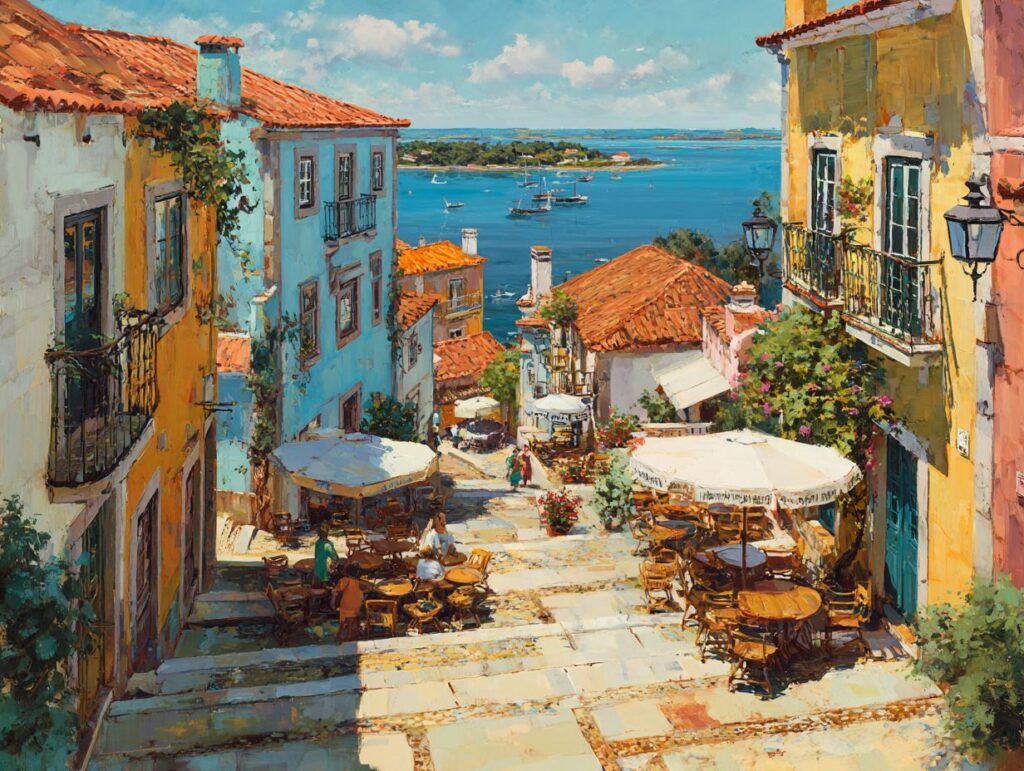
Chef Hans Neuner’s Ocean and other MICHELIN-star venues offer a taste of Portugal’s award-winning cuisine.
Portugal’s culinary landscape presents a remarkable array of flavors, seamlessly integrating traditional elements with contemporary interpretations across its diverse range of restaurants.
Traditional Portuguese Dishes
Explore the diverse flavors of Portugal’s culinary heritage, from Francesinha to Bifana.
Must-try traditional dishes include Francesinha, a substantial sandwich originating from Porto, and Bifana, a spicy pork sandwich highly regarded by locals.
Other notable dishes to consider are:
- Bacalhau Brs, a savory combination of shredded cod, eggs, and potatoes,
- Caldo Verde, a comforting soup made with kale and potatoes that hails from the northern regions of Portugal.
Additionally, one should not overlook the regional favorite, Pastis de Nata, a creamy custard tart that pairs exquisitely with coffee.
For those who appreciate seafood, Arroz de Marisco, a rich seafood rice dish often served during special occasions, is highly recommended.
Each of these dishes not only showcases Portugal’s culinary diversity but also reflects local traditions and flavors, making them essential experiences during your visit.
Checkout 15 Must-Have Traditional Portuguese Foods to Try on Your Next Trip.
Best Restaurants by Region
The Herdade da Malhadinha Nova in Alentejo offers a remarkable dining experience amidst scenic landscapes.
Explore Portugal’s culinary landscape by dining at some of its finest regional establishments, such as Herdade da Malhadinha Nova in Alentejo and Chef Hans Neuner’s Ocean in the Algarve.
In Lisbon, be sure to visit Time Out Market, which hosts a diverse selection of local vendors, including Manteigaria, renowned for its authentic pastis de nata, and Ramiro, celebrated for offering the freshest seafood.
If you are in Porto, consider experiencing the historic Caf Majestic, famous for its remarkable architecture and the gourmet Francesinha.
For an exceptional dining experience, securing a reservation at Belcanto in Lisbon is highly recommended, where Chef Jos Avillez’s innovative dishes elegantly highlight the rich flavors of Portuguese cuisine.
Must-See Attractions
Uncover the natural park beauty of the Azores and the historic sites recognized by UNESCO.
Portugal is renowned for its breathtaking attractions, which range from UNESCO World Heritage Sites to remarkable natural wonders, providing a diverse array of experiences for travelers.
Cultural and Historical Sites
Key cultural and historical sites in Portugal include the Belm Tower in Lisbon and the Pena Palace in Sintra, both of which exemplify the nation’s rich history and architectural beauty.
Additional significant locations that merit exploration are:
- The Jernimos Monastery, a UNESCO World Heritage Site renowned for its exquisite Manueline architecture.
- The ancient Roman ruins of vora, which illustrate Portugal’s extensive historical legacy.
- The Convent of Christ in Tomar, a former stronghold of the Knights Templar.
For visitors, guided tours are available at most of these sites, offering valuable insights into their historical contexts. It is advisable to verify accessibility options in advance, as certain areas may present challenges such as stairs or uneven pathways that could affect mobility.
Natural Wonders
In Madeira, explore the lush gardens and rugged coastlines for a true adventure.
Portugal’s natural attractions, such as the exquisite beaches of the Algarve and the picturesque Douro Valley, present remarkable landscapes and opportunities for outdoor activities.
To achieve a comprehensive experience, one might consider a visit to the dramatic cliffs of Peniche, which offer spectacular coastal views and excellent surfing conditions.
In the Azores, hiking on So Miguel Island allows for exploration of distinctive volcanic landscapes and hot springs, particularly enjoyable during the spring or early fall.
The Rota Vicentina features walking trails that provide breathtaking ocean vistas along the Alentejo coast, making it an ideal destination for nature enthusiasts.
Additionally, a wellness retreat in Sintra could be a valuable opportunity, as the lush gardens and serene surroundings promote relaxation, making it an excellent choice for a rejuvenating getaway.
Getting Around Portugal
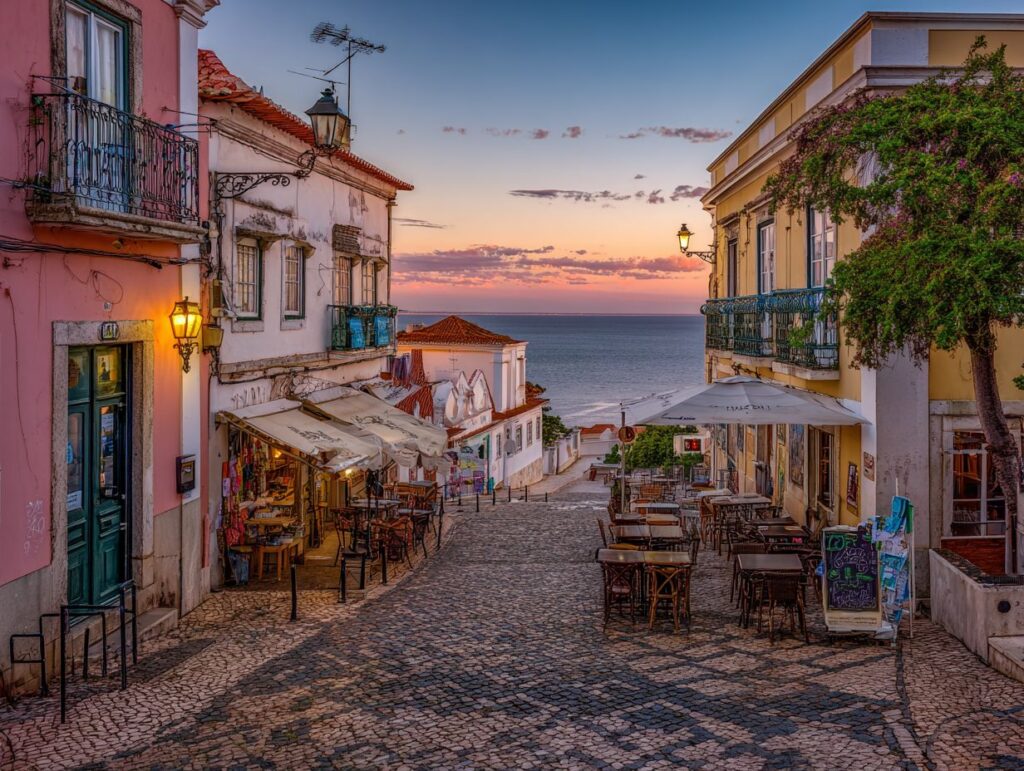
The charming tram 28 in Lisbon offers a scenic route through its iconic districts adorned with azulejos.
Navigating Portugal is facilitated by a range of transportation options, which provide convenient access to cities and attractions throughout the country.
Public Transportation Options
Portugal’s public transportation system is highly efficient, featuring iconic trams such as Tram 28 in Lisbon and regional trains that connect major cities, facilitating seamless travel across the country.
A ride on Tram 28 is highly recommended, as it offers picturesque views of Lisbon’s historic districts, with a single ticket priced at approximately EUR3.
For those seeking to explore further, the Lisboa Card is available for EUR21 (for 24 hours), providing unlimited travel on trams, buses, and trains, as well as complimentary entry to key attractions, including the Tram 28 and Bairro Alto in Lisbon.
In terms of regional travel, trains from Lisbon to Porto, and further into the Douro Valley, operate frequently, with ticket prices starting at EUR25. The CP App is an invaluable tool for checking schedules, purchasing tickets, and navigating routes, ensuring a smooth and efficient travel experience.
Car Rentals and Road Trips in Portugal
Renting a car provides travelers with the opportunity to explore the scenic routes and hidden gems of Portugal, including the rustic landscapes of Alentejo, the picturesque Algarve, and its coastal roads leading to the Ocean.
When selecting a rental company, it is advisable to consider reputable options such as Europcar, Hertz, and Sixt, which offer daily rates ranging from $30 to $70, depending on the type of vehicle and the duration of the rental. Europcar is well-regarded for its customer service, while Hertz is known for its comprehensive roadside assistance, making road trips to Sintra and Vila Vita Parc Resort & Spa seamless.
For those embarking on road trips, it is essential to familiarize oneself with local driving regulations, including speed limits-set at 90 km/h on main roads-and the toll systems in place, especially when visiting areas like Madeira and Funchal.
A suggested itinerary may begin in Lisbon, proceed to Sintra to visit its renowned palaces, and continue along the coastline through Cascais to the picturesque beaches of the Algarve, ending with a stay at Reid’s Palace in Madeira.
Tips for Travelers
Traveling to Portugal entails specific customs and considerations that enrich the overall experience while ensuring safety. The country’s tourism accolades, including MICHELIN awards, further highlight its cultural richness.
Local Customs and Etiquette
Understanding local customs, such as greeting with a handshake and adhering to dining etiquette, significantly enhances interactions with the Portuguese. To establish a genuine connection with individuals from Portugal, it is essential to consider the following etiquette guidelines, inspired by the hospitality found in places like Herdade da Malhadinha Nova:
- Always initiate greetings with a firm handshake while maintaining appropriate eye contact.
- When dining, it is customary to wait for the host to commence the meal before beginning to eat.
- Sensitive topics, including politics, should be avoided during casual conversations.
- It is advisable to use titles and surnames until a more informal relationship is established.
- Arriving too early for social events is discouraged, as punctuality is generally perceived as flexible.
For example, when invited to a dinner at someone’s home, arriving 15 to 30 minutes late is considered acceptable and demonstrates respect for the host’s preparations.
Safety and Health Considerations
Portugal is generally considered a safe destination for travelers; however, it is essential to remain aware of health considerations, such as water safety and emergency contact information, especially when exploring regions like the Azores and the Douro Valley.
It is advisable to have crucial information readily available during your trip. Keep emergency numbers, such as 112 for general emergencies and 808 24 24 24 for healthcare services, easily accessible.
Additionally, it is prudent to carry a small first aid kit that includes, ensuring a safe journey to any part of Portugal:
- Band-aids
- Antiseptic wipes
- Any personal medications
To prevent gastrointestinal issues, always opt for bottled water, particularly in rural areas. Staying informed about health advisories from reputable sources such as the CDC or local health departments is essential for ensuring a safe and enjoyable travel experience.
Frequently Asked Questions
1. What are some must-visit places in Portugal in 2025, according to the MICHELIN Guide?
In 2025, some top destinations to visit in Portugal include Lisbon, Porto, the Algarve region, and the Azores islands, along with the historic sites recognized by UNESCO.
2. What types of accommodation can I find in Portugal, including unique stays like Vila Vita Parc and Six Senses Douro Valley?
There is a wide range of accommodation options in Portugal, including hotels, hostels, vacation rentals, and guesthouses. You can also try unique experiences like staying in a traditional Portuguese quinta or a charming countryside farm.
3. Is it easy to find vegetarian/vegan food in Portugal?
Yes, Portugal is becoming increasingly vegan and vegetarian-friendly, especially in larger cities like Lisbon and Porto. Many restaurants and cafes offer plant-based options, and there are also specific vegetarian and vegan restaurants available.
4. Can I explore Portugal on a budget?
Yes, Portugal can be a budget-friendly destination. You can find affordable accommodation, local street food, and free activities such as hiking and visiting public parks. It is also worth noting that public transportation in Portugal is relatively inexpensive.
5. Are there any unique cultural experiences to try in Portugal, including culinary delights like Francesinha, Bifana, and Fado music performances?
Absolutely! In 2025, you can attend several cultural events such as the Festa de So Joo in Porto, the Festa de Santo Antnio in Lisbon, and the Carnaval celebrations in various cities. You can also try local delicacies, visit traditional markets, and attend fado music performances.
6. Is it safe to travel to Portugal in 2025?
Portugal is generally considered a safe country for tourists. However, like any other destination, it is essential to take precautions and be aware of your surroundings, especially in crowded areas. It is also recommended to have travel insurance to cover any unforeseen incidents.