Discover the enchanting charm of the Czech Republic, where rich history, stunning castles, and world-renowned beer await. From the vibrant streets of Prague to the picturesque landscapes of Moravia, this travel post will guide you through the best places to explore. Unearth amazing things to see and do as you delve into the country’s cultural treasures and historical landmarks that make the Czech Republic a must-visit destination for any traveler.
Table of Contents
Key Takeaways:
- Discover the rich cultural and historical heritage of the Czech Republic through its stunning castles, including the iconic Prague Castle, the picturesque esk Krumlov Castle, and the majestic Hlubok Castle.
- Taste the best of Czech beer by visiting top breweries and learning about the country’s long-standing beer culture, rooted in its history and traditions.
- Explore the charming cities of Prague and Brno, each offering a unique blend of modern and historical elements, making them must-visit destinations during a trip to the Czech Republic.
Overview of Culture and Heritage
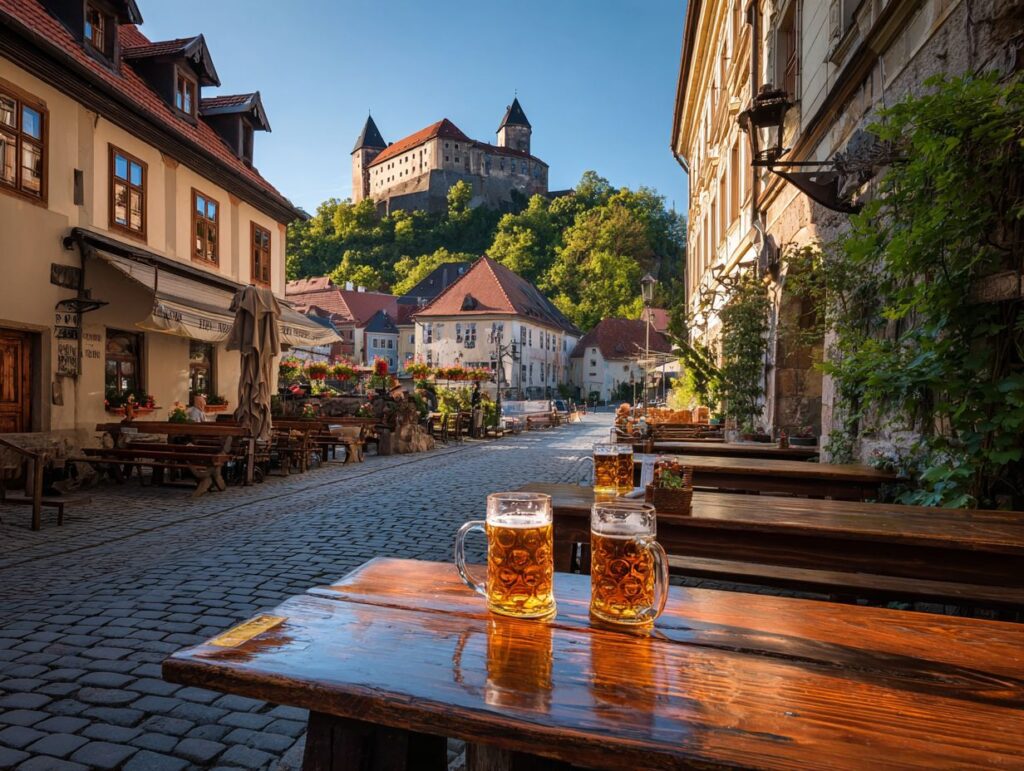
Czech culture presents a rich tapestry of artistic heritage, with UNESCO World Heritage sites such as Kutn Hora and esk Krumlov serving as prominent examples of its historical significance. Discover the hidden gems of Czechia and enjoy the charming architecture and vibrant nightlife of its cozy pubs and outdoor cafes.
In celebration of this heritage, local festivals such as Prague’s Easter Markets and the Folklore Festival in Strnice attract thousands of visitors each year. Traditional music, represented by folk songs and dances, plays an essential role during these events, often accompanied by instruments such as the cimbalom.
Culinary traditions are closely intertwined with social gatherings, where beer-deemed a source of national pride-paired with substantial dishes like svkov, becomes a focal point of the experience. Additionally, the ritual of enjoying locally brewed coffee fosters connections among friends and family.
Must-See Castles
The Czech Republic is renowned for its remarkable castles, which are among the most stunning in Central Europe. Explore the healing hot springs of Karlovy Vary and the scenic views of Moravia region’s wine tourism.
Each castle provides a valuable insight into the country’s medieval history and showcases its architectural elegance.
Prague Castle
Prague Castle, recognized as the largest ancient castle in the world, serves as a remarkable exemplar of medieval architecture, attracting more than 1.8 million visitors annually to its elegant colonnades and historical sites.
Richly embedded in Czech history, it has been the seat of kings, emperors, and presidents for over a millennium. It is advisable for visitors to allocate a minimum of half a day to thoroughly explore its expansive grounds, which feature the exquisite St. Vitus Cathedral, renowned for its exceptional stained glass and Gothic intricacies.
To enhance the experience and avoid large crowds, it is recommended to commence the visit early in the day. Additionally, joining a guided tour can provide valuable insights into the castle’s extensive heritage.
Visitors should not overlook the Golden Lane, where the vibrant houses evoke the charm of medieval times, further enriching the castle’s captivating ambiance.
esk Krumlov Castle
esk Krumlov Castle, a UNESCO World Heritage site, presents breathtaking views of the Vltava River and the picturesque town below, captivating visitors with its remarkable exteriors.
The castle’s Baroque gardens, meticulously designed in the 17th century, showcase a diverse array of exotic plants, water fountains, and an elegant pond, offering a tranquil retreat for guests.
The annual esk Krumlov Festival honors local culture through traditional music, dance, and art exhibitions, attracting numerous attendees each summer.
Visitors can explore the castle’s rich history by participating in guided tours that detail its architectural evolution and significant contributions to Czech history. This harmonious blend of natural beauty and cultural events establishes esk Krumlov as an essential destination for travelers.
Hlubok Castle
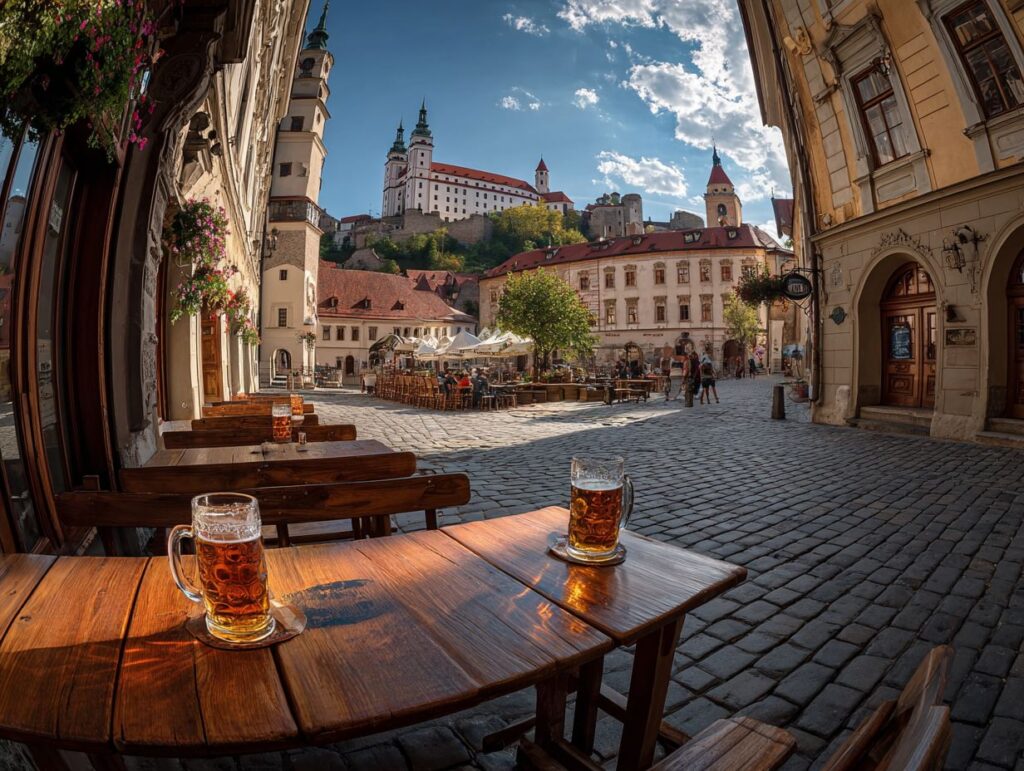
Hlubok Castle is widely recognized as one of the most beautiful castles in the Czech Republic, characterized by its elegant colonnades and a remarkable synthesis of Gothic and Renaissance architecture.
Situated in the South Bohemia region, the castle boasts a picturesque setting that includes meticulously maintained gardens and tranquil views of a serene lake, which together enhance its romantic appeal.
Guided tours of the castle provide an opportunity to explore its lavish interiors, featuring over 140 rooms adorned with impressive artworks and historical artifacts.
This venue has gained popularity as a wedding destination, offering breathtaking photographic opportunities against its iconic backdrop. Additionally, visitors can partake in seasonal events, including medieval festivals, which contribute to its status as a vibrant destination throughout the year.
With a rich history that dates back to the 13th century, Hlubok Castle beautifully embodies the essence of Czech heritage.
The Beer Culture
The Czech Republic is widely recognized for its distinguished beer culture, boasting some of the world’s finest breweries and a rich history that extends over a millennium. Experience the unique beer offerings and brewery tours, complemented by the local history and aromatic coffee.
History of Czech Beer
Czech beer, renowned for its exceptional quality and distinctive flavor, has its origins dating back to the 10th century, establishing a remarkable legacy that includes the world’s first pale lager, Pilsner Urquell.
Regions such as Bohemia and Moravia have played significant roles in the history of brewing. Bohemia is particularly notable for Pilsen, the birthplace of Pilsner Urquell, which was developed in 1842 and established the pale lager style. In contrast, Moravia is recognized for its unique dark lagers.
The brewing process in the Czech Republic is characterized by the use of soft water, Saaz hops, and locally sourced barley, setting its beers apart from others.
The Czech Beer Festival, held annually in May, highlights various styles and regional brews, celebrating this rich heritage and attracting both locals and tourists to experience cask-aged specialties and innovative craft beers.
Top Breweries to Visit
Visitors to the Czech Republic have the opportunity to explore renowned breweries such as Pilsner Urquell and Budweiser Budvar, both of which offer informative tours and tastings of their distinctive beers.
Other notable breweries include Staropramen in Prague, which is acclaimed for its guided tastings that showcase their signature pale lager, and the lesser-known Bernard Brewery in Humpolec, recognized for its organic beer tastings.
Additionally, the Ostravar Brewery in Ostrava provides a comprehensive behind-the-scenes tour that concludes with a sampling of their rich, authentic lager.
For a truly exceptional experience, attendees may consider participating in the Czech Beer Festival in Prague, where they can taste over 70 local beers while savoring traditional Czech cuisine.
Learn more, Discover the top 10 craft beer breweries in the heart of the …
Historic Cities to Explore
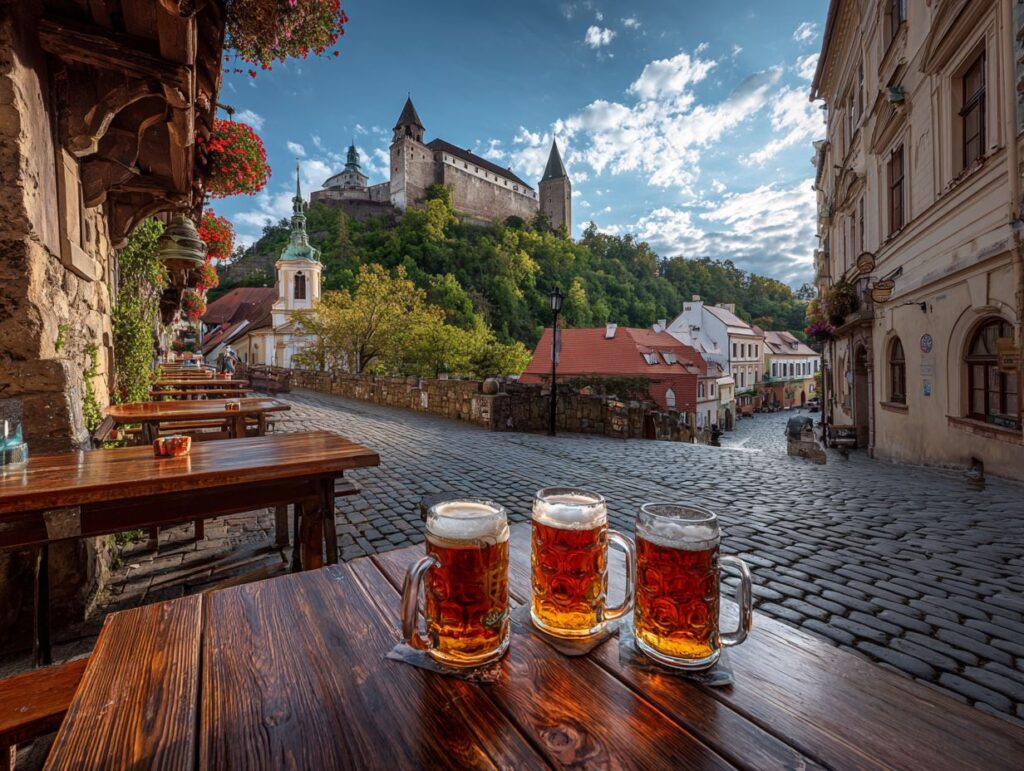
The Czech Republic is home to numerous historic cities, each possessing its own unique charm and rich history, rendering them essential destinations for any traveler.
Prague: The Heart of the Nation
Prague, the capital city of the Czech Republic, serves as a vibrant cultural center, replete with historical landmarks, charming architecture, and a dynamic nightlife that draws millions of tourists annually to its cocktail bars and artistic displays.
Commence your exploration at the iconic Charles Bridge, where one can walk among the statues and appreciate the picturesque views of the Vltava River. Subsequently, proceed to Old Town Square, which is home to the remarkable Astronomical Clock, renowned for its hourly performances.
For an engaging nightlife experience, visit the fashionable area surrounding Wenceslas Square, which boasts numerous bars and clubs, including notable establishments such as Roxy and Cross Club.
Navigating the city is straightforward, thanks to Prague’s efficient metro and tram system. It is advisable to purchase a 24-hour transport pass for approximately 110 CZK, which permits unlimited travel and facilitates easy transitions between various attractions.
Brno: A Blend of Modern and Historical
Brno, the second-largest city in the Czech Republic, presents a compelling blend of modern urbanity and rich historical context, making it an essential destination for tourists. Discover the summer retreat options such as hiking around Parchov Rocks and exploring underground tunnels.
Visitors may begin their exploration at Villa Tugendhat, a UNESCO World Heritage site celebrated for its remarkable architecture and design.
The city’s vibrant cultural scene can be experienced through a visit to the Moravian Gallery or by attending a performance at the National Theatre. It is also advisable to indulge in the local cuisine; sampling ‘trdelnk’ (a sweet pastry) and ‘svkov’ (a traditional beef dish) at local bistros is highly recommended.
For those fortunate enough to visit during early September, aligning their trip with the Brno Music Marathon will provide an unforgettable experience.
Planning Your Trip
When planning a trip, it is advisable to create an itinerary that encompasses major attractions, such as historical sites and local festivals, to maximize the travel experience.
To enhance travel planning, one should aim for a balanced combination of well-known landmarks and lesser-known attractions. For instance, while visiting Rome, it is essential to see the Colosseum; however, exploring the quaint, less touristy Trastevere neighborhood can also provide a richer experience.
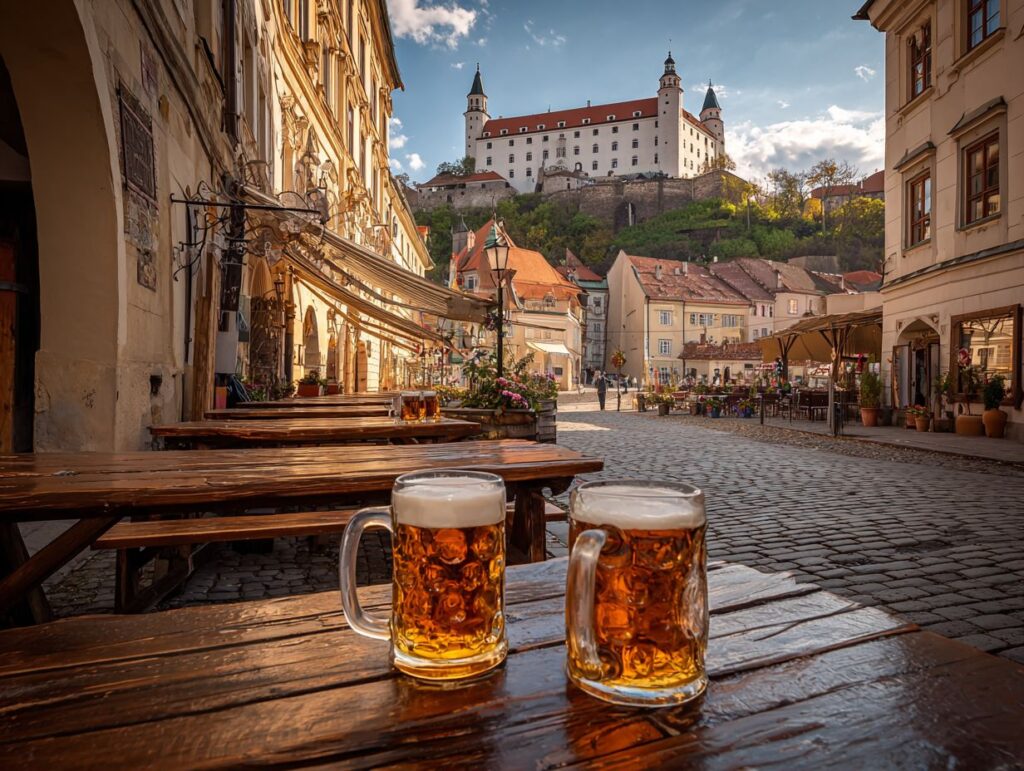
Utilizing applications such as TripIt can aid in organizing travel itineraries, as these tools consolidate travel plans by extracting information from email confirmations. Ideally, travelers should schedule their visits during shoulder seasons, such as spring or fall, to avoid large crowds and to enjoy more temperate weather conditions.
Additionally, it is beneficial to allocate time for local experiences, such as cooking classes or guided historical tours in charming towns, to gain a deeper understanding of the area and its culture.
Frequently Asked Questions
1. What are the top places to visit in the Czech Republic for a perfect combination of castles, beer, and history?
The top places to visit in the Czech Republic for this perfect combination are Prague, Cesky Krumlov, Kutna Hora, Karlovy Vary, and Plzen. Don’t miss the Moravia region and its beautiful landscapes.
2. What are the must-see castles in the Czech Republic?
The must-see castles in the Czech Republic include Prague Castle, Karlstejn Castle, Cesky Krumlov Castle, Hluboka Castle, and Konopiste Castle, all featuring stunning exteriors.
3. What makes the Czech Republic a great destination for beer lovers?
The Czech Republic is known for its rich brewing history and is home to some of the best beer in the world. The country offers a wide variety of beer styles, including the famous pilsner, and has a vibrant beer culture with many traditional pubs and beer halls to visit.
4. What are some historic sites in the Czech Republic that are worth visiting?
Some historic sites in the Czech Republic that are worth visiting are the Old Town Square in Prague, the Sedlec Ossuary in Kutna Hora, and the Jewish Quarter in Cesky Krumlov. These sites offer a glimpse into the country’s past and cultural heritage.
5. Are there any guided tours available for exploring the castles, beer, and history in the Czech Republic?
Yes, there are many guided tours available for exploring the top places to visit in the Czech Republic. These tours offer a comprehensive experience, with knowledgeable guides, convenient transportation, and curated itineraries covering the best castles, beer, and historic sites.
6. What is the best time to visit the Czech Republic for a vacation focused on castles, beer, and history?
The best time to visit the Czech Republic for a vacation focused on castles, beer, and history is during the summer months (June to August). This is when the weather is pleasant, and many of the popular sites and attractions are open and accessible. However, visiting during the shoulder seasons (April-May and September-October) can also be a great experience with fewer crowds and lower prices.