When it comes to ensuring clean drinking water, understanding the difference between a water filter and a water purifier is crucial. While both aim for contaminants removal, they operate differently-water filters target larger particles and bacteria, whereas water purifiers focus on comprehensive water purification. This article will clarify these distinctions and guide you in choosing the right solution for your needs, empowering you to make informed decisions about your water filtration options.
Table of Contents
Key Takeaways:
- Water filters remove impurities and contaminants from water, while purifiers also eliminate harmful microorganisms.
- The type of water treatment needed depends on the quality of water and the specific concerns of the user.
- When choosing between a filter and a purifier, consider factors such as water source, budget, and household needs.
Understanding Water Filters
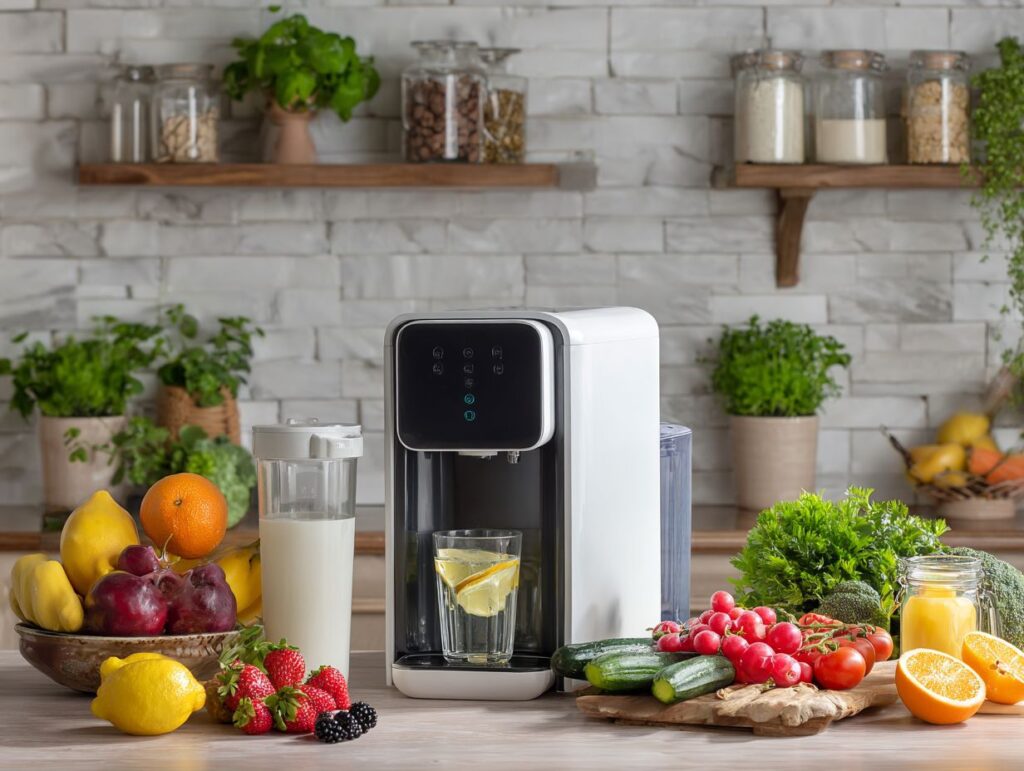
Water filters are engineered to physically eliminate contaminants from water by employing various filtration methods, such as activated carbon and reverse osmosis, thereby ensuring the provision of clean and safe drinking water.
Types of Water Filters
Water filters are available in various types, including countertop filters, under-sink filters, and whole house systems, each designed to address specific needs and use cases.
To assist in selecting the appropriate filter, consider the following options:
| Type | Price Range | Key Features | Best For |
|---|---|---|---|
| Countertop Filters | $30-$500 | Portable, no installation required | Small households |
| Under-Sink Filters | $100-$300 | Space-saving, enhanced filtration | Medium households |
| Whole House Systems | $500-$3,000 | Comprehensive filtration for the entire home | Large households |
For example, Berkey(r) countertop filters are highly regarded for their portability, whereas Aquasana’s under-sink models provide high-capacity filtration without occupying valuable counter space.
How Water Filters Work
Water filters function through various filtration methods, including activated carbon and reverse osmosis, to effectively remove impurities from water, aiding in bacteria removal and protozoa removal, and enhancing drinking water safety.
Activated carbon filters are particularly effective at adsorbing chlorine, sediment, and volatile organic compounds, thereby enhancing the taste and odor of the water. Conversely, reverse osmosis systems employ a semipermeable membrane to eradicate heavy metals, salts, and other contaminants, providing a more comprehensive purification solution for drinking water.
For households seeking a balance between effectiveness and cost-efficiency, a combination system that utilizes both filtration methods may be ideal. This configuration ensures that both common contaminants and more significant impurities are effectively addressed, resulting in safe and clean water for everyday use.
Understanding Water Purifiers and Virus Removal
Water purifiers employ advanced technologies to effectively remove pathogens and contaminants, thereby ensuring that the water is safe for consumption.
Types of Water Purifiers
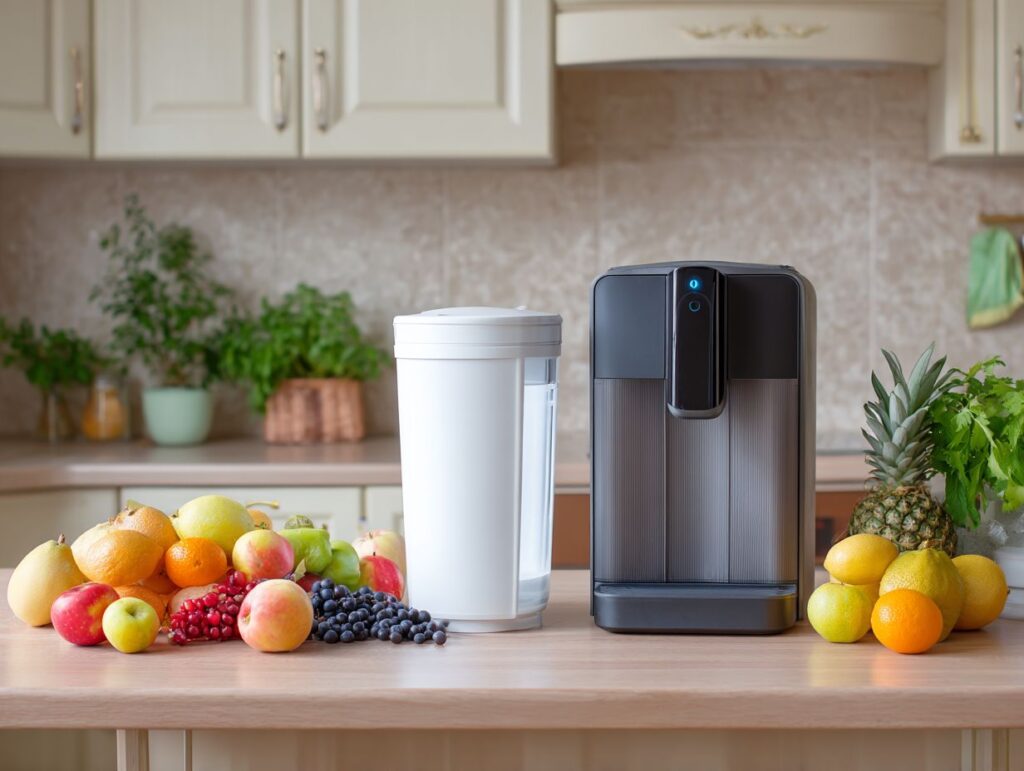
Common types of water purifiers include UV treatment, reverse osmosis systems, and chemical purification tablets, each designed to address specific types of contamination. For example, UV purifiers, such as the SteriPEN, effectively eliminate bacteria and viruses, making them particularly suitable for travel purposes.
Conversely, reverse osmosis systems, exemplified by those offered by iSpring, are highly effective at removing heavy metals and dissolved solids, making them an excellent choice for residential use. Chemical tablets, such as those produced by Katadyn, are lightweight and convenient for outdoor enthusiasts; however, they may leave a chemical aftertaste.
Each of these options caters to distinct needs, so it is important to consider your specific context-whether it be travel, home use, or outdoor activities-when selecting the appropriate water purification method.
How Water Purifiers Work
Water purifiers operate through various purification technologies, including ultraviolet (UV) light, which effectively eliminates bacteria and viruses without the use of chemicals.
Along with UV light, other prevalent technologies include activated carbon, which adsorbs impurities while enhancing the taste of water, and reverse osmosis (RO), which can remove up to 99% of contaminants, including heavy metals and pathogens.
For instance, UV systems demonstrate an efficacy rate of 99.99% against E. Coli, while RO systems can effectively filter out Norovirus when properly maintained. The combination of these methods significantly improves overall purification, particularly in regions with elevated levels of contamination.
Regular monitoring of filters and the effectiveness of the UV lamp is essential to ensure optimal performance and safety.
Learn more, How Does the Water Filtration System Work in a Water …
Key Differences Between Filters and Purifiers in Contaminants Removal
Understanding the distinctions between water filters and purifiers is crucial for selecting the appropriate solution for your water quality requirements.
Water filters generally reduce contaminants such as sediment, chlorine, and certain heavy metals, while purifiers take additional measures by targeting bacteria, viruses, and pathogens. For example, a carbon filter can enhance the taste and odor of water but will not eliminate harmful microorganisms. In contrast, a UV purifier, such as the SteriPEN, can effectively purify water by eliminating bacteria and viruses.
When making a selection, it is important to consider the source of your water. If you rely on well water, a purifier may be necessary to ensure safety, whereas city water typically requires only filtration to achieve optimal taste and quality.
Choosing the Right Option for Your Needs
Selecting the appropriate water treatment option necessitates a thorough assessment of water quality and a clear understanding of specific requirements.
Assessing Water Quality
Assessing water quality is the initial step in determining the most suitable water treatment solution for your household.
To conduct an effective water test, it is advisable to purchase a testing kit. Environment Testing and Research Laboratories, Inc. offers a range of kits priced between $20 and $100, designed to detect various contaminants.
- For example, their basic kit measures pH and chlorine levels, while the advanced kit evaluates lead, nitrates, and bacteria.
To begin the testing process, collect a water sample and carefully follow the instructions provided in the kit to ensure accurate results. Most tests require less than an hour to complete, equipping you with the necessary data to select an appropriate treatment method.
Considerations for Home Use
When selecting between a water filter and a purifier for residential use, several factors must be taken into account, including installation, maintenance, and efficiency.
To make a well-informed decision, it is essential to first evaluate the installation options available. Under-sink filters offer a more discreet solution but may necessitate plumbing modifications, whereas countertop purifiers are generally more straightforward to install.
Next, it is important to assess the maintenance requirements of each system; some models require filter replacements every six months, while others can operate effectively for up to two years.
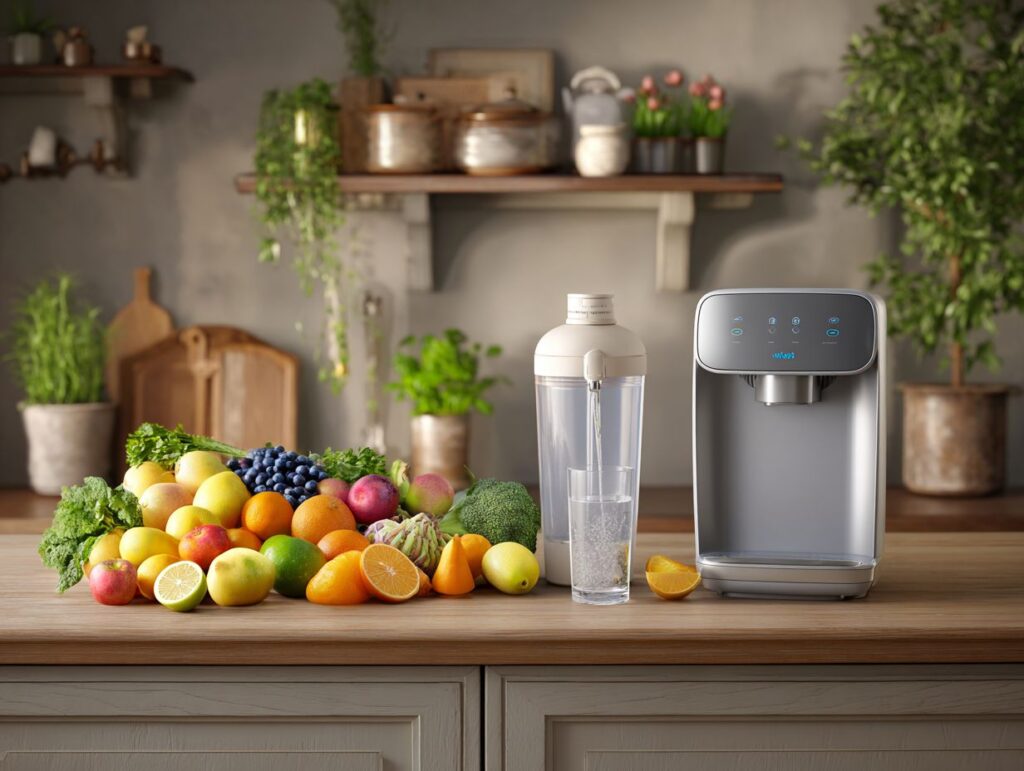
Additionally, consider the specific contaminants you wish to target, as certification labels can provide valuable guidance in this regard. Developing a simple checklist can assist in prioritizing these factors, thereby ensuring the selection of the most suitable system for your needs.
Frequently Asked Questions on Water Purification
What is the difference between water filters and purifiers?
Water filters and purifiers both serve the purpose of removing impurities from water, but the main difference lies in the level of filtration. Water filters mainly remove larger particles and contaminants, while purifiers can eliminate smaller microorganisms and viruses.
Do I need a water filter or a purifier?
The answer depends on the quality of your water source. If your water supply is relatively clean and only contains larger particles, a filter may suffice. However, if your water source is known to have microorganisms or viruses, investing in a purifier would be a better choice.
Which one is more effective in removing contaminants?
Both water filters and purifiers are effective in removing specific types of impurities. If you are concerned about bacteria and viruses, a purifier would be more effective. If you want to remove chemicals, a filter may be a better option.
What are the different types of water filters and purifiers available?
There are various types of water filters and purifiers available, including reverse osmosis, activated carbon, UV light, and ceramic filters. Each type has its own strengths and weaknesses, so it’s important to research and choose the one that best fits your needs.
Are there any downsides to using water filters and purifiers?
While water filters and purifiers are effective in removing impurities, some downsides may include the cost of maintenance and replacement filters, as well as the potential for a decrease in water pressure. It’s important to consider these factors before purchasing a filter or purifier.
Can I use both a water filter and purifier at the same time?
Yes, it is possible to use both a water filter and purifier simultaneously, including systems like Berkey(r) and Aquasana. This may be necessary if your water source has a high level of chemical contaminants, bacteria like E.Coli, and other pathogens that require both types of filtration and purification methods such as UV treatment and reverse osmosis. However, it’s important to research and ensure that the two devices are compatible, possibly by consulting outdoor industry experts or water testing professionals.