Vermont, the Green Mountain State, enchants nature lovers with its pristine wilderness and timeless allure. Towering Green Mountains rise alongside the shimmering shores of Lake Champlain, inviting endless outdoor activities like hiking and kayaking. As the birthplace of world-renowned maple syrup, this haven blends adventure with authentic charm. Explore why Vermont stands as the ultimate destination, revealing its seasonal wonders and conservation treasures for an unforgettable escape.
Table of Contents
Key Takeaways:
- Vermont’s diverse landscapes, from the majestic Green Mountains to pristine lakes and rivers, offer endless scenic beauty for nature enthusiasts to explore.
- Experience year-round wonders like vibrant fall foliage, snowy winter trails, and spring wildflowers, making every season a delight for outdoor lovers.
- Abundant activities such as hiking, skiing, and wildlife viewing, supported by strong conservation efforts, ensure immersive and sustainable nature adventures.
Diverse Landscapes and Scenery
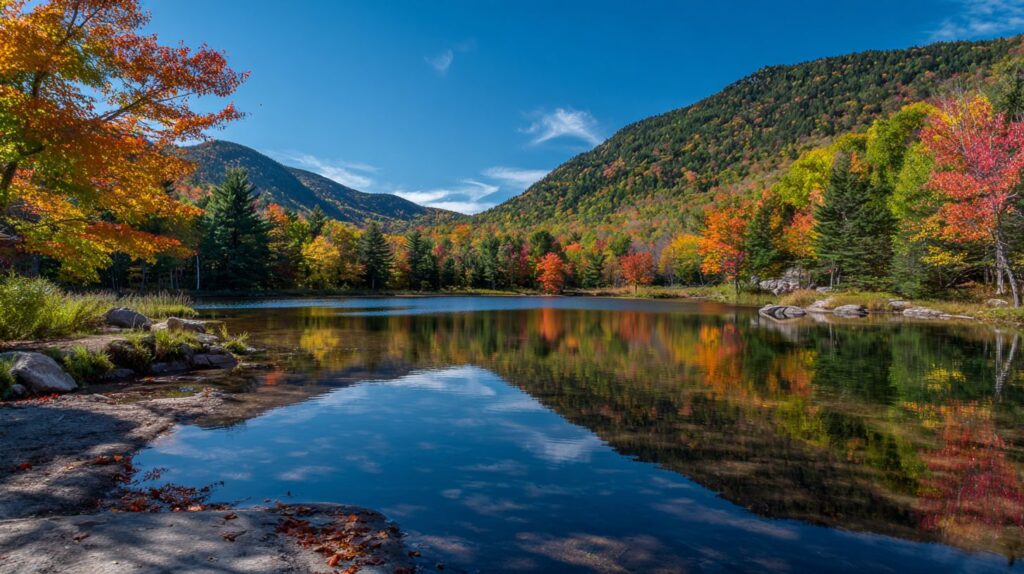
Vermont encompasses a diverse array of landscapes spanning more than 9,600 square miles, including rugged mountain peaks, tranquil waterways, and significant historical sites like the Vermont State House in Montpelier. These features attract nature enthusiasts to explore over 50 state parks administered by Vermont State Parks.
The Green Mountains
The Green Mountains extend 250 miles across central Vermont, reaching elevations of up to 4,393 feet at Mount Mansfield and featuring more than 1,000 miles of trails suitable for exploration in regions such as Stowe, Bennington, and the Northeast Kingdom.
Travelers may ascend Mount Mansfield via the 5-mile auto road for a fee of $25, which provides panoramic vistas and entry to biodiversity-rich areas hosting over 200 bird species, according to the Vermont Fish and Wildlife Department-these are most readily observed during summer mornings. The 217-mile Route 100 scenic byway offers opportunities to pause at Smugglers Notch State Park for hiking excursions, with pet-friendly accommodations available through Atlas Vacation Properties, and nearby dairy farms offering fresh produce.
In the Northeast Kingdom, the Kingdom Trails network encompasses over 100 miles of paths dedicated to mountain biking, alongside attractions like the Vermont Teddy Bear factory. A 2022 study by the University of Vermont underscores these initiatives in ecological conservation, advocating for sustainable tourism practices to safeguard habitats in the face of climate-related challenges.
Lakes, Rivers, and Waterfalls
Vermont’s waterways, encompassing the expansive 120-mile Lake Champlain and the striking 165-foot Quechee Gorge, sustain a variety of ecosystems and facilitate recreational activities such as trout fishing and farm-to-table dining experiences. According to the Vermont Fish and Wildlife Department, these resources attract approximately 500,000 anglers each year.
Visitors may explore Lake Champlain through boating excursions at the ECHO Leahy Center in Burlington, where admission is $18.50, or visit the nearby Church Street Marketplace for shopping. The center features exhibits showcasing over 100 aquatic species.
The Connecticut River offers permit-free routes for non-motorized paddling, including 10-mile segments departing from Bellows Falls. These 2- to 3-hour journeys provide opportunities to observe bald eagles and otters.
A complimentary 0.5-mile trail in Stowe leads to Moss Glen Falls, offering visitors breathtaking views of the waterfall.
The Vermont Institute of Natural Science conducts ongoing monitoring of water quality, which has demonstrated enhanced clarity owing to reduced pollution levels since 2010. It is advisable to consult seasonal water level data to mitigate risks associated with low-water conditions during summer droughts.
Seasonal Beauty Throughout the Year
Vermont’s distinctive seasonal transformations attract approximately 13 million visitors annually. According to the Agency of Agriculture Food and Markets, the peak fall foliage period generates $550 million in tourism revenue, underscoring the state’s rich natural diversity, which ranges from vibrant autumn foliage to blooming spring meadows, boosted by the agritourism industry.
Vibrant Fall Foliage
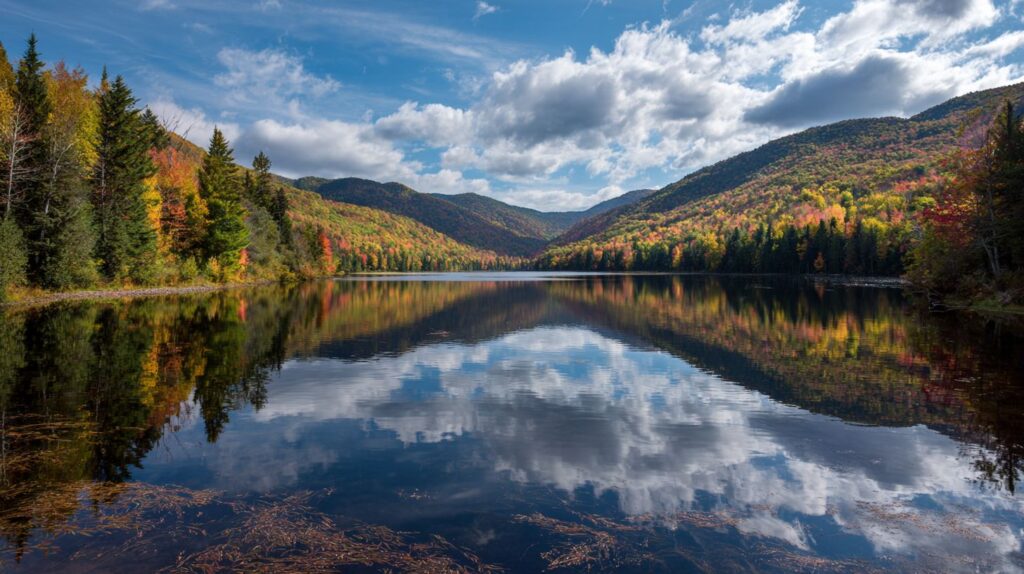
Vermont’s autumn foliage reaches its peak from late September through mid-October, transforming 5.2 million acres of forest into a vibrant display of reds and golds. This spectacle is particularly well appreciated along Route 100, where visitors typically spend an average of four days exploring notable sites, such as the covered bridges in Woodstock and the Shelburne Museum nearby.
To optimize your experience, adhere to the following recommended practices, including stops in Brattleboro for craft beer tastings:
- Contact the Vermont Fall Foliage Hotline, which is updated weekly by Travel Vermont, to align your itinerary effectively. According to data from the USDA Forest Service, approximately 80% peak coloration can be anticipated in mid-October.
- Incorporate scenic drives into your plans, such as the 50-mile route from Manchester to Brattleboro, including complimentary stops at Hubbard Park’s 500-acre trail system for hiking amidst resplendent maples.
- Mitigate crowds by scheduling visits on weekdays and commencing activities at dawn. This approach enabled one family to capture more than 200 photographs over a weekend excursion, free from the congestion of peak hours.
Such visits contribute to Vermont’s annual foliage tourism economy, valued at $500 million, as reported by the Vermont Department of Tourism.
Winter Snowscapes
Vermont experiences an average annual snowfall of 80 inches, which transforms the Green Mountains into a picturesque winter landscape. Prominent resorts such as Killington offer over 200 miles of trails and attract approximately 1.5 million skiers each season.
Key seasonal highlights provide opportunities for structured winter activities.
At Killington Resort, visitors may explore 155 trails, with daily lift tickets priced at $100, and take advantage of night skiing until 4:00 PM for extended sessions, plus nearby Ben & Jerrys ice cream stops.
Stowe features 116 trails, complemented by the complimentary Vermont Ski Museum, which documents more than a century of skiing history-ideal for incorporating cultural elements into one’s itinerary.
In the Northeast Kingdom, enthusiasts can pursue backcountry skiing at Smugglers’ Notch, where snowshoe rentals are available for $20 per day.
A 2021 report from the National Ski Areas Association emphasizes investments in sustainable snowmaking practices.
A weekend trip budgeted at $500 yields a return on investment in relaxation equivalent to a $1,000 urban retreat, effectively combining adventure with rejuvenation.
Checkout Vermont Winter Non Ski Activities Guide.
Spring Wildflowers and Renewal
Spring in Vermont heralds the awakening of more than 1,500 native wildflower species, which bloom from April through June. This phenomenon is particularly prominent in areas such as the wetlands of Middlebury, where trilliums and violets form a carpet across the forest floor following the spring thaw.
To explore these vibrant displays, consider the following recommendations.
- First, visit Billings Farm & Museum in Woodstock (admission: $18), where wildflower meadows complement over 30 heritage breeds during guided nature walks.
- Second, tour Hildene’s 384-acre estate in Manchester (guided tours: $28), which peaks with blooms in May and offers stunning vistas.
- Third, enjoy pet-friendly hikes at Mount Philo State Park near Middlebury (1-mile trail, free entry), providing close-up views of trilliums.
A study by the Vermont Institute of Natural Science indicates that 90% of species recover post-winter; however, it is essential to avoid common errors such as off-trail trampling to preserve these habitats.
Abundant Outdoor Activities
Vermont provides a diverse array of year-round outdoor activities suitable for participants of all skill levels, encompassing more than 500 miles of maintained trails as well as various water sports on its lakes, promoted by Visit New England and Mystic Media. These pursuits contribute an annual economic impact of $2.5 billion, according to a University of Vermont economic report.
Hiking and Trail Exploration
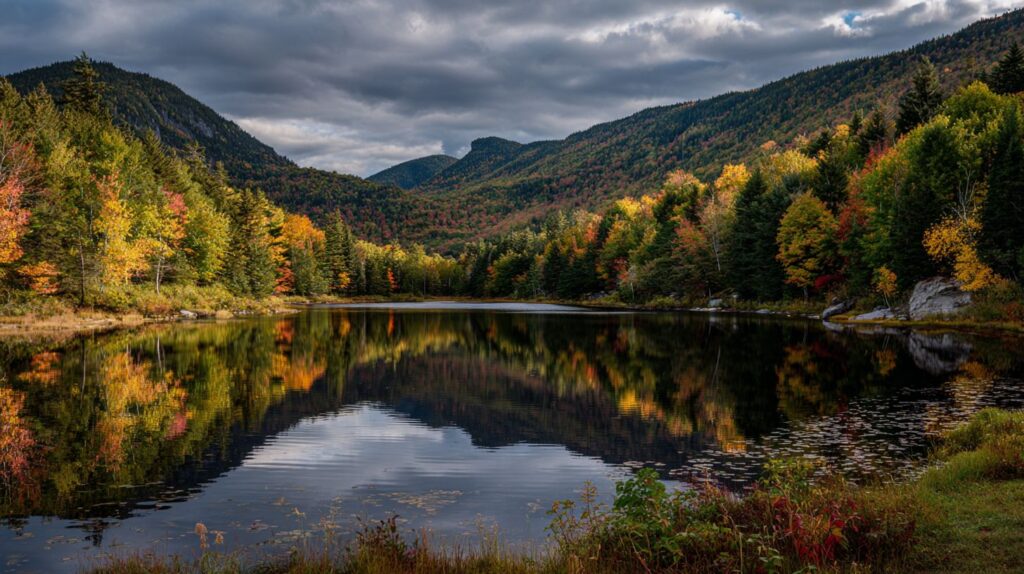
Vermont’s extensive hiking network features the 273-mile Long Trail, recognized as the oldest long-distance trail in the United States. This trail offers more than 50 access points, extending from Bennington to the Canadian border, and accommodates both day hikes and multi-day expeditions, with an average daily distance of 10 miles.
To effectively plan your hiking adventure, adhere to the following structured approach:
- Select appropriate trails utilizing the Green Mountain Club mobile application, which is available at no cost and provides mapping for over 200 routes. This tool is supported by the nonprofit organization responsible for maintaining the Long Trail since its inception in 1910.
- Equip yourself with essential gear, including daypacks such as the Osprey model priced at approximately $50 and durable hiking boots. For instance, the 1-mile rim trail at Quechee Gorge, featuring 200-foot elevation drops, typically requires 4 to 6 hours to complete.
- Integrate complementary activities, such as trout fishing (requiring a daily license available for $28 through the Vermont Fish & Wildlife Department) or cheese-making workshops at Vermont Creamery (priced at $75 per session).
It is advisable not to underestimate the variability of weather conditions; consult daily forecasts from the National Oceanic and Atmospheric Administration (NOAA). As an illustrative example, a group hike along the 5.3-mile Stowe Recreation Path resulted in the observation of 20 bird species, as documented in Audubon Society reports, thereby fostering greater awareness of local biodiversity.
Skiing and Winter Sports
The Green Mountain State of Vermont boasts 20 alpine ski areas, with Killington Resort leading as the largest, offering 1,509 skiable acres. Popular alternatives include Stowe and Manchester, which attract skiers from nearby Burlington. These facilities accommodate more than 200,000 beginners each year through instructional programs, with half-day lesson packages starting at $150.
To optimize your skiing experience, adhere to the following best practices:
- Utilize Ski Vermont’s online planner to choose appropriate resorts, such as the family-oriented Suicide Six in Woodstock or Smugglers Notch near Middlebury, which features $80 lift tickets and gentle slopes suitable for novices in areas like Bennington and Brattleboro.
- Schedule visits during midweek periods to minimize crowds; according to National Ski Areas Association (NSAA) data, this results in 30% fewer skiers on the slopes, thereby enhancing access to lessons.
- Integrate wellness elements into your itinerary, including post-ski farm-to-table dining at establishments like Simon Pearce in Woodstock ($50 per person) or visits to licensed cannabis dispensaries, which became permissible following Vermont’s 2018 cannabis legal recreational marijuana.
For comparative purposes, Killington provides a wide variety of terrain but at a premium cost (lift tickets exceeding $100). In contrast, smaller venues like Suicide Six offer cost-effective options; for instance, a group of four can save up to $200 by purchasing multi-resort passes such as Epic or Ikon, as reported by Ski Vermont and Atlas Vacation Properties.
Rich Wildlife and Conservation Efforts
Vermont is home to a rich array of wildlife, encompassing more than 300 species of birds and an estimated 7,500 black bears across the state, particularly in the Northeast Kingdom along the Connecticut River. These populations are safeguarded through comprehensive initiatives led by the Vermont Fish and Wildlife Department, which has successfully restored moose populations by 400% since 1993.
According to a 2022 report from the Environmental Protection Agency, 80% of Vermont’s land remains preserved for habitat conservation, including key sites within Vermont State Parks. Notable conservation efforts include the raptor rehabilitation program operated by the Vermont Institute of Natural Science, which achieves a 75% success rate and provides complimentary educational visits to foster community engagement, as highlighted by Visit New England.
Agritourism flourishes in Vermont, exemplified by the wildlife exhibits at the Shelburne Museum and Billings Farm, or hands-on experiences like cheese-making classes at ECHO Leahy Center, where a $24 admission fee provides access to over 50 acres of trails that showcase the region’s biodiversity. Recent policy developments, such as the legalization of cannabis, encourage sustainable farming practices aimed at minimizing habitat fragmentation, supported by Mystic Media initiatives.
To mitigate persistent challenges like habitat loss, individuals are encouraged to volunteer with the Agency of Agriculture, Food and Markets, participating in no-cost community events. A noteworthy case study is the restoration of Hubbard Park and the nearby Vermont State House in Montpelier, or sites like Quechee Gorge and Hildene in Manchester, which resulted in a 50% increase in wildlife sightings reported by visitors, underscoring the impact of targeted local initiatives according to Jonathan A. Lhowe.
Frequently Asked Questions
Why is Vermont considered the perfect destination for nature lovers?
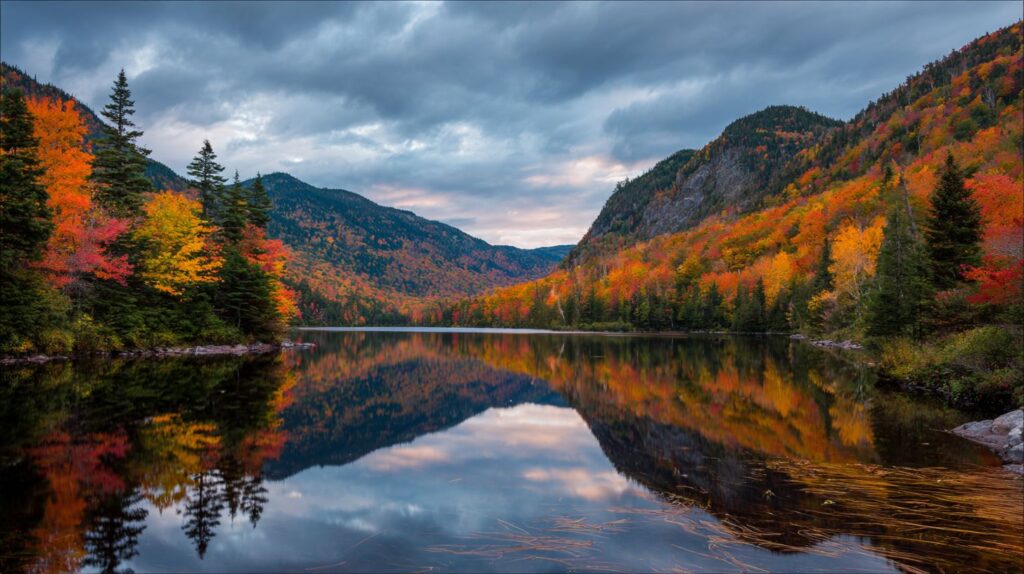
Vermont is the perfect destination for nature lovers due to its stunning landscapes, including the rolling Green Mountains, pristine lakes, and vibrant forests that offer endless opportunities for hiking along the Long Trail, birdwatching at Mount Philo State Park, and outdoor exploration throughout the year.
What are the top outdoor activities in Vermont for nature enthusiasts?
For those wondering why Vermont is the perfect destination for nature lovers, the state boasts activities like hiking in the Green Mountain National Forest, kayaking on Lake Champlain, mountain biking on the Kingdom Trails, and leaf-peeping during the iconic fall foliage season, providing immersive experiences in unspoiled wilderness.
Best time to visit Vermont to experience its natural beauty?
Vermont is the perfect destination for nature lovers year-round, but the best time depends on your interests-spring for wildflower blooms, summer for swimming and biking along the Stowe Recreation Path, fall for colorful foliage, and winter for snowshoeing and skiing in its picturesque mountains, with exhibits at the Vermont Ski Museum.
How does Vermont’s environment support eco-friendly tourism?
Why Vermont is the perfect destination for nature lovers lies in its commitment to conservation, with protected areas like the Adirondack Park extensions, the Vermont Teddy Bear factory trails, and farm-to-table initiatives that promote sustainable practices, allowing visitors to enjoy nature responsibly without harming the ecosystem.
What unique wildlife can nature lovers spot in Vermont?
Vermont is the perfect destination for nature lovers seeking diverse wildlife, from black bears and moose in the northern forests to bald eagles soaring over rivers like those near Ben & Jerrys factory and songbirds in maple groves, making it a haven for photographers and wildlife observers.
How to plan a road trip through Vermont’s scenic routes for nature immersion?
To discover why Vermont is the perfect destination for nature lovers, plan a road trip along Route 100, known as the “Skiers’ Highway,” which winds through charming villages like those near Church Street Marketplace in Burlington and T.W. Wood Gallery in Montpelier, past covered bridges, and into breathtaking valleys, offering stops at Vermont State Parks and trails for a true nature escape.