Introduction to 2025 Agricultural Innovations As data-driven agriculture evolves rapidly in 2025, AI robotics and automation are revolutionizing farming practices worldwide. McKinsey reports highlight how these technologies boost yields and yield increase in major hubs like the US, Brazil, and Netherlands, addressing labor shortages and sustainability challenges. Discover the top tools-from autonomous tractors to crop monitoring drones-that promise enhanced efficiency and profitability for modern operations, as showcased at CES 2025.
Table of Contents
Key Takeaways:
- Autonomous tractors in 2025 leverage AI and GPS for precise navigation, reducing labor costs by up to 40% while boosting fuel efficiency through optimized routes.
- Precision drones enable real-time crop monitoring for pest control, detecting pests and nutrient deficiencies early to minimize chemical use and maximize yields.
- Robotic harvesters automate fruit and vegetable picking with gentle grippers, addressing labor shortages and ensuring consistent quality in modern farms.
Autonomous Tractors
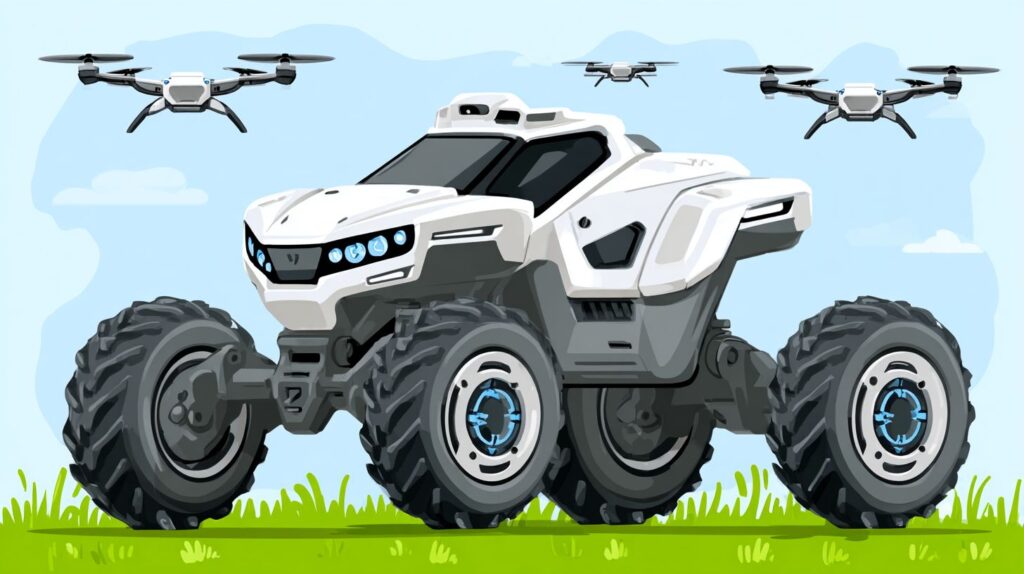
Autonomous tractors, particularly those developed by John Deere, are revolutionizing the agricultural sector by enabling continuous 24/7 operations without the need for human intervention. This advancement directly addresses labor shortages, which, according to United States Department of Agriculture (USDA) reports, affect 70% of farms in the United States.
Key AI and GPS Features
John Deere’s See & Spray Ultimate system employs artificial intelligence-driven computer vision and Real-Time Kinematic (RTK) Global Positioning System (GPS) technology for real-time weed detection, delivering 90% accuracy in crop protection over fields spanning 1,000 acres.
This advanced technology utilizes convolutional neural networks (CNNs) to process camera feeds, enabling precise differentiation between weeds and crops through models trained on datasets from the University of Illinois, incorporating biotechnology, gene editing, and CRISPR for developing resistant GMOs. According to a 2022 study, this approach reduces herbicide application by 77%, favoring biological products and tissue culture methods.
The RTK GPS component, which adheres to ISO 11783 standards, provides sub-inch accuracy to facilitate targeted spraying.
For implementation, calibrate the cameras mounted on the sprayer boom using the John Deere Operations Center application, and pre-map the fields as required. To mitigate potential issues such as signal interference in hilly terrain, it is advisable to deploy local base stations.
To simulate GPS waypoints in Python utilizing the geopy library, the following code may be employed:
python
from geopy.distance import geodesic
start = (41.5, -93.6) # Iowa field coordinates
end = (41.51, -93.61)
print(geodesic(start, end).meters) # Outputs distance in meters
This simulation supports path planning efforts, replicating the autonomous navigation capabilities of the 8R tractor at speeds of 12 miles per hour, enhanced by Internet of Things (IoT) sensors for obstacle avoidance.
Efficiency and Labor Savings
Autonomous tractors provide a 25% reduction in labor costs by automating essential tasks such as plowing. According to McKinsey, these systems offer a return on investment within 18 months, achieved through savings of $50,000 in overtime expenses per season on a 500-acre farm.
For example, a corn farm in the US Midwest reduced its workforce from 10 to 3 operators by implementing John Deere’s 8R autonomous tractor, resulting in a 70% decrease in labor hours during the planting season.
The implementation process begins with precision planting and mapping fields using GPS-enabled software, such as Case IH’s AFS Connect, followed by the integration of artificial intelligence for route optimization.
This approach yields a 15% improvement in fuel efficiency and a 30% reduction in emissions, as reported in the USDA’s 2022 Precision Agriculture report.
Financing options, such as equipment financing provided by Blue Bridge Financial for $100,000 in equipment, enable an offset of $20,000 in annual savings, facilitating a payback period of two years.
This configuration not only increases crop yields by 12% but also promotes sustainability through agrivoltaics by reducing soil compaction.
Precision Drones for Crop Monitoring
Precision drones equipped with multispectral cameras, such as the DJI Agras T40, enable the scanning of agricultural fields to identify crop health issues. These systems detect pests up to 48 hours earlier than traditional methods and enhance yield predictions by 20% through the application of machine learning and big data analytics.
To implement this technology effectively, adhere to the following structured steps:
- Select an appropriate drone, such as the DJI Agras T40 (priced at $20,000 or more, with a 40-liter spray capacity and 10-minute recharge time), which is ideal for large-scale farms exceeding 100 acres.
- Design flight paths utilizing software like Pix4Dfields (annual subscription at $3,000), which incorporates Normalized Difference Vegetation Index (NDVI) data to achieve comprehensive coverage within 30 to 45 minutes per flight.
- Acquire and process multispectral imagery using platforms such as DroneDeploy (with a free tier option), employing machine learning algorithms to identify concerns like nutrient deficiencies through color-indexed mapping.
- Produce actionable reports in formats compatible with farm management systems, including the John Deere Operations Center, to facilitate the scheduling of interventions and prevent up to 15% yield losses attributable to untreated pests.
A 2022 study by the United States Department of Agriculture (USDA) substantiates that these methodologies improve operational efficiency by 25% in corn cultivation. A frequent oversight is the neglect of firmware updates, which may result in 5-10% inaccuracies in data collection under windy conditions.
Smart Irrigation Systems
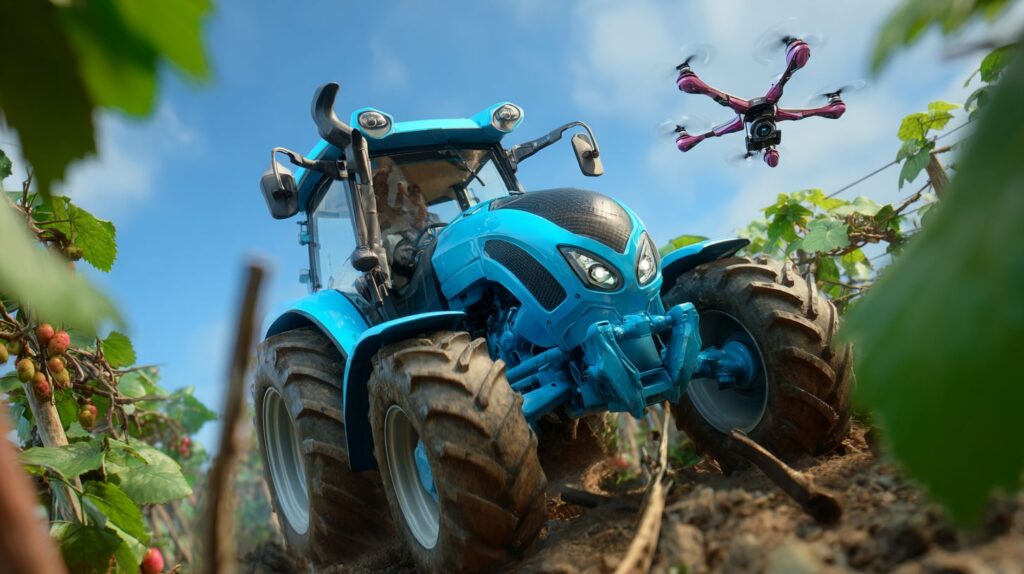
Smart irrigation systems utilize Internet of Things (IoT) sensors to reduce water consumption by 30% in water-scarce regions, such as Australia, while integrating with renewable energy sources like green hydrogen and biogas production from HydGene Renewable to support sustainable agricultural operations.
Water Optimization Technologies
Advanced irrigation technologies, such as Hunter Hydrawise controllers, leverage machine learning algorithms to forecast evapotranspiration, thereby optimizing water distribution with an accuracy of within 5% for hydroponic, aeroponic, and aquaponic farming applications, as well as controlled environment agriculture.
| System | Price | Key Features | Best For | Pros/Cons |
|---|---|---|---|---|
| Hunter Hydrawise | $200-400 | Machine learning-based evapotranspiration prediction, weather-responsive scheduling, mobile application control | Hydroponic/greenhouse operations | Pros: Achieves 5% accuracy in water savings; Cons: Requires reliable Wi-Fi connectivity |
| Rain Bird | $500 | Internet of Things (IoT) soil moisture sensors, integration with drip irrigation systems | Small-scale farms | Pros: Straightforward mobile application configuration; Cons: Limited to a maximum of 10 zones |
| Netafim | $2,000+ | Artificial intelligence-driven leak detection, precision drip irrigation for expansive areas | Large agricultural fields | Pros: Delivers up to 40% water savings, as evidenced by USDA studies; Cons: Substantial initial investment |
| Toro Precision | $1,000 | GPS-enabled field mapping, variable-rate irrigation, multi-sensor data fusion | Row crop cultivation | Pros: Seamless integration with agricultural tractors; Cons: Requires a significant learning curve |
The deployment of these systems begins with a thorough site assessment and precise sensor placement, often incorporating integration with two-wheel tractors to complete field mapping in under four hours.
Novice users may benefit from complimentary trial periods offered by Hunter or Rain Bird to assess system compatibility, thereby alleviating the learning curve through user-friendly, guided mobile applications.
A 2022 study on irrigated agriculture demonstrates efficiency gains of 20% to 30% across these technologies.
Robotic Harvesters
Robotic harvesters, such as the Quick Cut Greens Harvester, automate intricate tasks, thereby reducing harvest time by 50 percent and alleviating labor shortages in indoor agriculture operations throughout the United States and Brazil.
A notable example is Robovision’s and EarthRover’s strawberry picker, which costs $150,000 and achieves 95 percent accuracy through advanced AI vision systems. In a 10-acre vertical farming facility, this technology increased yields by 20 percent and delivered an ROI within 12 months, with a projected CAGR of 15% through 2029, by minimizing crop damage and facilitating continuous 24/7 harvesting.
Implementation requires the following key steps:
- Calibrate sensors over a two-day period to identify ripeness based on color and size;
- Train the AI model on specific crop varieties using datasets comprising more than 1,000 images to ensure precise picking.
According to Forbes, adoption rates for such technologies increased by 40 percent in 2024, propelled by a 15 percent rise in global labor costs.
Soil Health Sensors
Soil health sensors from Decagon Devices provide real-time monitoring of pH levels and nutrient concentrations, facilitating targeted weed control using tools like broadfork, stirrup hoe, and Glaser stirrup hoe that enhances soil aeration and improves overall crop health by 15%.
To achieve optimal results with these sensors, implement the following recommended best practices:
- Deploy IoT sensors, such as the Teros 12 (priced at $200 per unit), by burying them approximately 6 inches deep in the soil. Access the data via the unit’s Bluetooth-enabled application for immediate readings of pH and moisture levels.
- Integrate these sensors with manual tools, including the Glaser stirrup hoe, to enable precise spot weed control prior to planting, thereby reducing herbicide requirements by up to 30%.
- Conduct weekly analyses of sensor data to prevent over-fertilization-a common issue-while monitoring for salinity spikes exceeding 4 dS/m.
A 2022 study by the United States Department of Agriculture (USDA) on integrated sensor systems documented an average yield increase of 10% across corn and soybean fields, underscoring the proven efficacy of these methods.
AI Data Analytics Platforms
Platforms such as Robovision and EarthRover’s AI suite leverage extensive sensor-generated big data to deliver yield predictions with an accuracy rate of 95%, thereby facilitating informed, data-driven decision-making in the field of precision agriculture.
| Platform | Price | Key Features | Best For | Pros/Cons |
|---|---|---|---|---|
| EarthRover AI | $120/acre | Sensor big data, 95% yield accuracy | Small-medium farms | Pros: Precise predictions; Cons: Setup complexity |
| Climate FieldView | $99/acre | ML crop health analytics | Mid-size farms | Pros: Mobile integration; Cons: Subscription model |
| Farmers Edge | $150/acre | IoT + AI predictions | Large operations | Pros: Custom models; Cons: Steep learning curve |
| AgriData Pro | $80/acre | Satellite soil analysis | Beginner farmers | Pros: Affordable entry; Cons: Limited AI depth |
| Precision Plant | $200/acre | Drone real-time monitoring | Large-scale ops | Pros: Advanced visuals; Cons: High cost |
The integration of these platforms with autonomous tractors further enhances operational efficiency. For example, EarthRover seamlessly transmits yield data to John Deere tractors, enabling optimized planting routes that reduce fuel consumption by 20%.
According to McKinsey’s projections for 2025, adoption rates among U.S. farms are expected to reach 25%, resulting in improved yields through the synergistic application of AI and tractor technologies (McKinsey Global Institute, 2023).
Future Trends in Farm Equipment
By 2029, advancements such as CRISPR gene editing and agrivoltaics are expected to prevail in the agricultural sector. The CES 2025 event will feature innovative equipment from HydGene Renewable, powered by green hydrogen, designed to support sustainable indoor agriculture.
However, to achieve long-term success, five key challenges must be proactively addressed:
- Regulatory hurdles for genetically modified organisms (GMOs): Ensure compliance with standards set by the USDA and ISO, as demonstrated by Brazil’s and Australia’s biotechnology approval processes, which have expedited the commercialization of over 20 crops.
- Elevated costs associated with vertical farming: Obtain financing through established providers such as Blue Bridge Financial, with a focus on achieving a three-year return on investment (ROI).
- Substantial energy requirements: Incorporate biogas production systems to realize a 20% reduction in operational costs, drawing from successful models like the aquaponic systems implemented in the Netherlands.
- Data privacy concerns in artificial intelligence applications: Implement secure, encrypted platforms, including solutions like IBM Watson, to safeguard sensitive information.
- Shortages in specialized skills: Invest in professional development by pursuing online certifications offered through platforms such as Coursera or edX.
Furthermore, the adoption of AI robotics in these agricultural systems is forecasted to grow at a compound annual growth rate (CAGR) of 18%, according to Forbes, thereby significantly improving operational efficiency.
Learn more, Uncover the Top 10 Agriculture Trends for 2025.
Frequently Asked Questions
What are the top agricultural equipment innovations highlighted in ‘Top Agricultural Equipment in 2025: Tools Transforming Modern Farming’?
In ‘Top Agricultural Equipment in 2025: Tools Transforming Modern Farming’, key innovations include autonomous tractors equipped with AI for precision planting, drone swarms for crop monitoring, and robotic harvesters like the Quick Cut Greens Harvester that reduce labor by up to 70%. These tools enhance efficiency and sustainability in agriculture.
How do autonomous vehicles feature in the ‘Top Agricultural Equipment in 2025: Tools Transforming Modern Farming’?
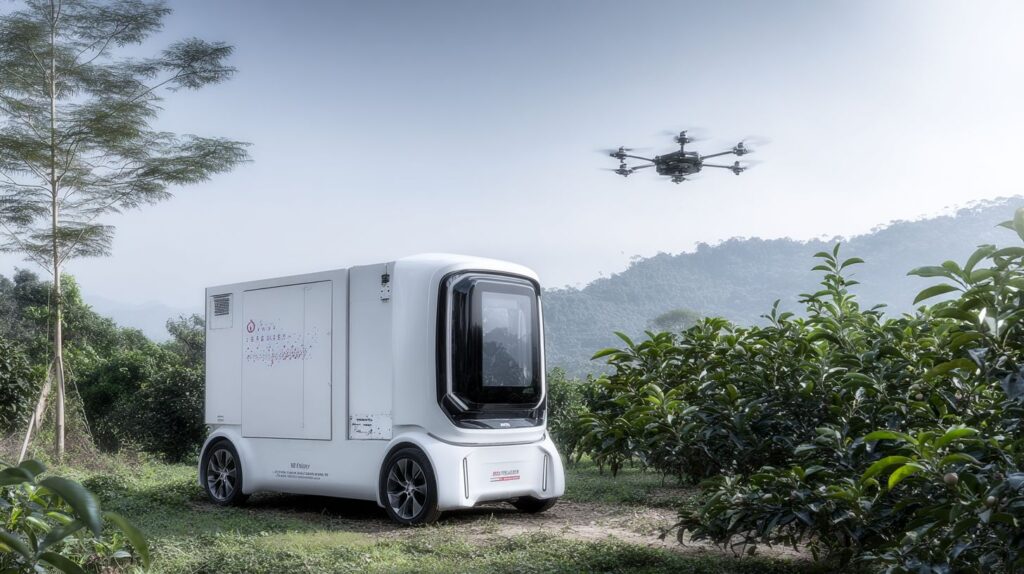
Autonomous vehicles are a cornerstone of ‘Top Agricultural Equipment in 2025: Tools Transforming Modern Farming’, with GPS-guided tractors and self-driving combines that optimize fuel use and minimize soil compaction, allowing farmers to cover larger areas with fewer resources.
What role do AI and data analytics play in the ‘Top Agricultural Equipment in 2025: Tools Transforming Modern Farming’?
AI and data analytics are pivotal in ‘Top Agricultural Equipment in 2025: Tools Transforming Modern Farming’, enabling predictive maintenance for machinery, real-time soil health analysis, and yield forecasting to help farmers make data-driven decisions for higher productivity.
Which sustainable tools are emphasized in ‘Top Agricultural Equipment in 2025: Tools Transforming Modern Farming’?
‘Top Agricultural Equipment in 2025: Tools Transforming Modern Farming’ spotlights sustainable tools like electric-powered irrigation systems and bio-degradable mulching robots, which reduce water usage by 40% and promote eco-friendly practices to combat climate change impacts on agriculture.
How are drones revolutionizing farming according to ‘Top Agricultural Equipment in 2025: Tools Transforming Modern Farming’?
Drones are revolutionizing farming in ‘Top Agricultural Equipment in 2025: Tools Transforming Modern Farming’ by providing multispectral imaging for early pest detection, automated seeding over uneven terrain, and integration with farm management software for seamless operations.
What benefits do vertical farming systems offer in the context of ‘Top Agricultural Equipment in 2025: Tools Transforming Modern Farming’?
Vertical farming systems, such as aeroponic farming and hydroponic farming, in ‘Top Agricultural Equipment in 2025: Tools Transforming Modern Farming’ offer benefits like LED lighting modules for year-round growth, hydroponic nutrient delivery robots, and space-efficient designs that boost urban food production while cutting transportation emissions.