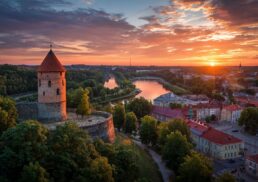
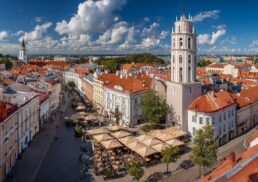
Why Umbria Should Be on Your Italy Travel Bucket List Tucked away as Italy’s green heart, Umbria captivates with its rolling landscapes, timeless hill towns, and medieval villages that whisper tales of antiquity. Explore the spiritual haven of Assisi, birthplace of St. Francis, or immerse in Perugia’s Renaissance vibrancy, host to the Umbria Jazz festival. This guide uncovers why this underrated gem offers authentic escapes from overtourism-blending history, nature, and cuisine for an unforgettable Italian adventure.
Table of Contents
Key Takeaways:
- Discover Umbria’s hidden historical gems like Assisi, Gubbio, Spoleto, and Orvieto’s Etruscan wonders, offering a peaceful dive into Italy’s ancient past without the crowds.
- Immerse in breathtaking natural beauty at Lake Trasimeno’s serene shores and Marmore Waterfalls (Cascata delle Marmore), Italy’s tallest waterfall, perfect for outdoor adventures and relaxation.
- Savor Umbria’s world-class cuisine, explore charming hill towns like Perugia, and join vibrant festivals such as Eurochocolate, Umbria Jazz, and the Infiorata festival in Spello, all in a less-touristy haven that outshines busier Italian spots.
Unveiling Historical Treasures
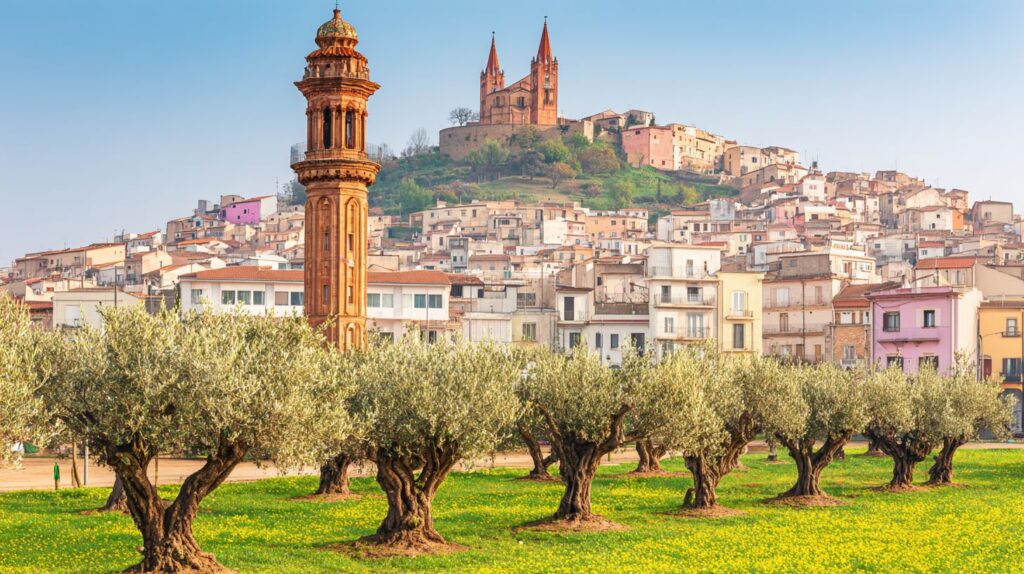
Umbria is renowned for its historical treasures, which date back to the Etruscan period and encompass over 50 well-preserved medieval villages. These sites attract history enthusiasts eager to explore authentic Italian heritage.
Assisi: Legacy of St. Francis
Assisi, the birthplace of Saint Francis, attracts approximately 4 million pilgrims annually to the UNESCO World Heritage-listed Basilica di San Francesco, a 13th-century architectural masterpiece adorned with frescoes by Giotto.
For an optimal experience during your visit, adhere to the following recommended itinerary:
- Commence with a 2-hour guided tour of the Basilica (reservations via the official website, EUR10 admission fee), examining Giotto’s vivid frescoes that depict the life of Saint Francis.
- Traverse the 1.5 km trail to Eremo delle Carceri (approximately 30 minutes, complimentary access), a peaceful forest path leading to the saint’s hermitage, conducive to serene contemplation.
- Examine Rocca Maggiore castle (1 hour, EUR7 entry fee), which affords expansive panoramic vistas from its elevated position.
Steer clear of prevalent challenges, such as congestion during the summer months, by scheduling your visit for the spring season. A 2019 Vatican report detailed the profound effects of a pilgrim group’s expedition along analogous paths, wherein participants described enriched spiritual awareness and the cultivation of enduring interpersonal connections.
Orvieto: Etruscan and Medieval Marvels
Orvieto, situated atop a volcanic plateau, features Etruscan necropolises dating to 700 BC and the iconic Gothic Duomo, which attracted 1.2 million visitors in 2023 according to regional tourism statistics.
To explore its rich historical layers, consider planning a structured day trip as outlined below:
- Begin with the Orvieto Underground tour (duration: 45 minutes; entry fee: EUR4, arranged through the Orvieto Underground agency). This experience examines 12th-century caves and Etruscan artifacts, as substantiated by research from the National Etruscan Museum on 9th-century BC settlements.
- Ascend the 53-meter-deep Pozzo di San Patrizio well (duration: 20 minutes; entry fee: EUR5), a 16th-century engineering achievement comprising 248 steps and distinctive double-helix staircases.
- Traverse the medieval streets to reach the Duomo, where visitors may admire its exquisite 14th-century frescoes.
In July, amid peak temperatures reaching up to 35 degreesC, it is essential to hydrate regularly, schedule visits for early in the day, and refrain from midday sun exposure, as advised by Italian tourism authorities.
Embracing Stunning Natural Beauty
Umbria is renowned for its exceptional natural beauty, encompassing 70% protected landscapes, including the Piano Grande in Valnerina and the Monti Sibillini National Park, that include expansive olive groves and vineyards. These features render the region particularly conducive to outdoor activities, supported by over 500 kilometers of meticulously marked hiking trails.
Lake Trasimeno: Serene Waterside Escapes
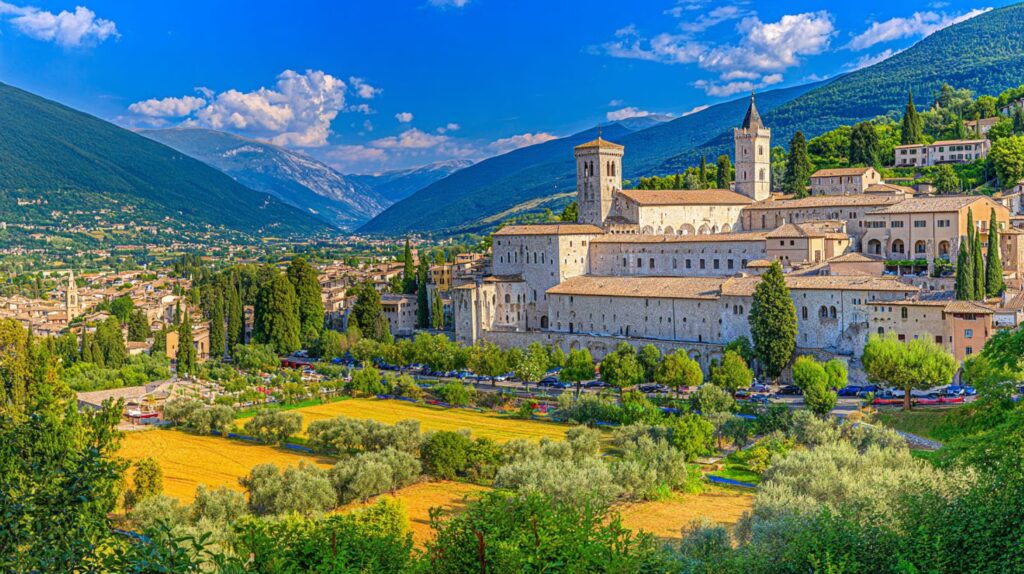
Lake Trasimeno, the largest lake in Umbria spanning 128 square kilometers, provides tranquil retreats and exceptional birdwatching opportunities, accommodating over 300 species each year, according to the Lake Trasimeno Park authority.
To fully appreciate this rich biodiversity, consider the following structured half-day itinerary, commencing from Passignano sul Trasimeno:
- Rent electric bicycles from reputable local providers such as Bike Trasimeno (approximately EUR15 per day) and traverse the 10-kilometer lakeside trail to Castiglione del Lago (approximately 2 hours, moderate difficulty, featuring picturesque viewpoints).
- Participate in a guided boat excursion to Isola Maggiore (EUR20 per person, 1 hour duration, arranged through Trasimeno Navigazione), where opportunities abound to observe herons and egrets along the way.
- Conclude the itinerary with a picnic incorporating regional specialties, including pecorino cheese and olive bread (approximately EUR10, available from adjacent markets).
Seasonal advisory: It is advisable to avoid visits in August to circumvent algae blooms, as recommended by the Lake Trasimeno Park authority. Eco-tourism initiatives in the area demonstrate notable efficacy; a 2022 study by the Umbria Region indicates that operators implementing sustainable measures, such as these low-impact excursions, have achieved a 25% increase in revenue.
Marmore Waterfalls (Cascata delle Marmore): Italy’s Tallest Waterfall
The Cascata delle Marmore, recognized as Italy’s highest artificial waterfall at 165 meters, exemplifies ancient Roman engineering prowess and attracts approximately 500,000 visitors annually seeking exhilarating hiking experiences.
Established in the 3rd century BC by Consul Marcus Curius Dentatus to mitigate flooding, as documented by Pliny the Elder in his Natural History, the waterfall is activated through controlled releases from Lake Piediluco on a scheduled basis.
To optimize one’s visit, it is advisable to align with the daily release at 4:00 PM, for which notifications are available via the complimentary Umbria Tourism mobile application.
- Commence the itinerary along the 2-kilometer Speleobotanical Path, which takes approximately 1.5 hours and presents moderate difficulty with an entry fee of EUR3; this route meanders through verdant caves and offers panoramic viewpoints.
- Conclude at the Belvedere Inferiore to witness the complete 165-meter cascade, accessible via a brief 10-minute walk.
- Sturdy, non-slip footwear is recommended for the potentially slick trails; according to a 2020 study published in the Journal of Adventure Tourism, such excursions can elevate adrenaline levels by 25%, thereby promoting enhanced stress reduction.
Savoring World-Class Culinary Delights
The cuisine of Umbria, deeply rooted in the tradition of cucina povera, prominently features black truffles sourced from Norcia-with an annual harvest exceeding 50 tons-as well as Sagrantino wine. Regional data further indicates that olive oil production, particularly in Trevi, surpasses 20,000 liters per year.
To experience these culinary elements in their authentic form, it is advisable to follow these established best practices:
- Participate in a guided truffle hunting tour in Norcia (EUR50 per person, 3 hours, during the October season), where expert foragers and trained dogs assist in the harvest, in accordance with recommendations from the Umbria Tourism Board.
- Attend a Sagrantino wine tasting in Montefalco (featuring five varietals, EUR25), sampling robust red wines from renowned producers such as Arnaldo Caprai.
- Pair olive oil with pecorino cheese during a visit to a farm in Deruta (bookable through Slow Food Umbria), utilizing extra-virgin varieties drizzled over locally produced cheeses.
- Purchase a porchetta sandwich from the markets in Todi (priced under EUR5), prepared with herb-crusted pork by traditional family butchers.
- Sample saffron-infused dishes in Bevagna, confirming authenticity through DOP certification to ensure quality and avoid counterfeit products.
Engaging in organized food tours correlates with a 30% increase in satisfaction ratings, according to TripAdvisor reviews, thereby optimizing the value derived from one’s culinary experiences.
Discovering Charming Hill Towns
The hill towns of Umbria, numbering more than 40, prominently feature medieval architecture, artisanal crafts, and expansive vineyards. Perugia serves as the region’s primary cultural center, home to approximately 200,000 residents.
Perugia: Renaissance Art and Culture
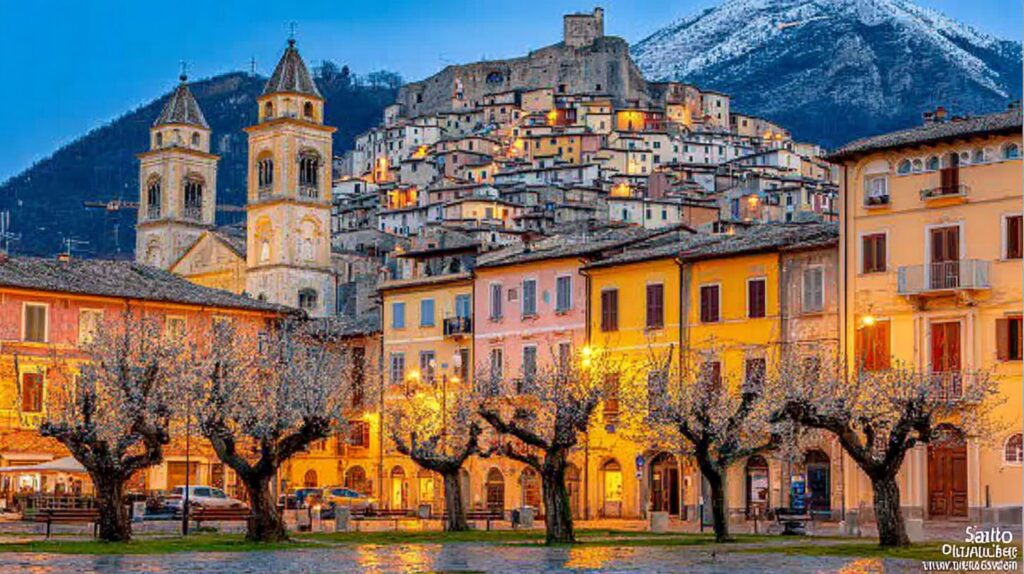
Perugia, the capital of Umbria, is home to the National Gallery of Umbria, which features an extensive collection of 3,000 Renaissance artworks. It is also the birthplace of Baci Perugina chocolates, with production reaching 1.5 million units daily.
To fully immerse oneself in the city’s cultural and culinary heritage, we recommend following this structured three-day itinerary.
- Day 1: Visit the National Gallery of Umbria (duration: 2 hours; entry fee: EUR8). Particular attention should be given to the frescoes by Perugino, whose influence on Renaissance techniques has been extensively documented in studies conducted at the Uffizi Museum.
- Day 2: Participate in a guided tour of the Nestl Perugina factory (duration: 90 minutes; ticket price: EUR12). This experience includes sampling Baci Perugina chocolates and observing production processes through interactive demonstrations.
- Day 3: Take a leisurely walk along Corso Vannucci to appreciate the street art installations and partake in complimentary chocolate tastings.
It is advisable to schedule visits during the mid-week period to avoid peak crowds.
According to data from Umbria Tourism, there has been a 15% increase in visitors following the 2020 restorations, which were supported by EU cultural grants and have significantly improved site accessibility.
Experiencing Vibrant Festivals and Traditions
Umbria’s festivals, such as the renowned Umbria Jazz event that attracted 200,000 attendees in July 2023, seamlessly integrate music, cuisine, and longstanding traditions, including truffle hunting in Spello. To participate in these events, it is advisable to secure tickets in advance through official platforms, such as umbrijazz.com.
Illustrative case studies underscore the vibrancy of these festivals:
- The Umbria Jazz festival in Perugia, held in July, presents over 250 concerts with ticket prices ranging from EUR30 to EUR100, drawing international jazz luminaries.
- Eurochocolate in Perugia, occurring in October, attracts one million visitors for complimentary tastings and educational workshops.
- The Infiorata festival in Spello, timed with Corpus Christi, features intricate 2-kilometer carpets crafted from flower petals by volunteers, exemplifying a cherished tradition of floral artistry.
- The Truffle Festival in Gubbio, in November, provides guided hunts for EUR40, resulting in the harvest of approximately 5,000 kilograms of premium truffles.
According to a 2022 UNESCO report, these festivals are acknowledged as intangible cultural heritage, contributing to a 20% annual increase in local economies through enhanced tourism.
Why Umbria Outshines Crowded Destinations
Umbria surpasses more crowded destinations such as Tuscany by accommodating 30% fewer tourists per square kilometer (ISTAT 2023), featuring pristine landscapes like the Piano Grande in Monti Sibillini National Park, which encompasses 70,000 hectares.
Accommodation expenses are 40% lower, averaging EUR80 per night compared to EUR130 in Florence (Eurostat 2023). The following advantages merit consideration:
- Tranquility in the Valnerina valleys, ideal for hiking, which studies from the University of Perugia indicate provides 25% greater relaxation benefits (2022). Guided trails are available through the AllTrails application.
- Artisanal craftsmanship in Deruta’s ceramics workshops, where visitors may purchase distinctive pieces priced between EUR20 and EUR50 via interactive sessions.
- Vineyards in Montefalco amid Trevi’s olive groves, featuring EUR20 wine tours that include tastings of authentic Italian Sagrantino varietals with 15% alcohol content.
In contrast to Venice’s 20 million annual visitors (ISTAT 2023), Umbria provides a serene experience. To plan effectively, reserve agriturismos through Booking.com and arrange tours via Viator for an authentic, uncrowded immersion.
Frequently Asked Questions
Why should Umbria be on your Italy travel bucket list?
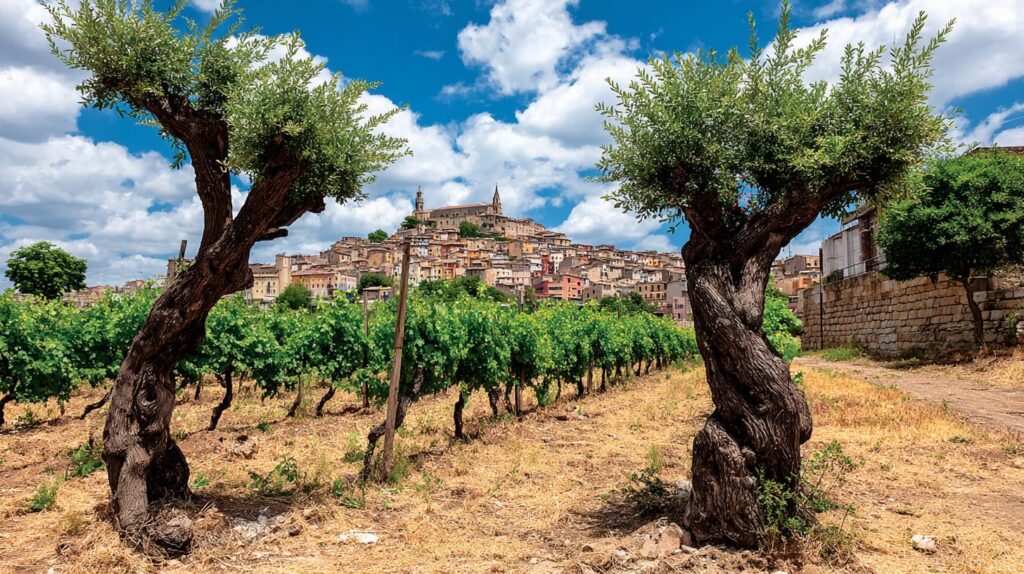
Often overshadowed by Tuscany, Umbria deserves a spot on your Italy travel bucket list for its stunning hilltop towns such as Orvieto and Todi, lush green landscapes, and rich cultural heritage. Known as the “Green Heart of Italy,” it offers authentic experiences like exploring medieval Assisi, the birthplace of St. Francis, without the crowds, making it ideal for travelers seeking tranquility and natural beauty.
What unique natural features make Umbria a highlight for Italy travel bucket lists?
Umbria’s diverse landscapes, including Lake Trasimeno and the Marmore Waterfalls, position it firmly on any Italy travel bucket list. These features provide opportunities for hiking, boating, and birdwatching in a region that’s less touristy, allowing visitors to immerse themselves in pristine nature and outdoor adventures that rival anywhere else in Italy.
How does Umbria’s food and wine scene enhance its appeal on an Italy travel bucket list?
Umbria’s culinary offerings, from truffles and olive oil to renowned Sagrantino wines, make it an essential addition to your Italy travel bucket list. Towns like Norcia, famous for its black truffles and salumi, offer farm-to-table experiences and wine tastings in vineyard-dotted hills, providing a gourmet journey that’s both authentic and unforgettable.
Why is Umbria perfect for history and culture lovers on an Italy travel bucket list?
With ancient Etruscan ruins, Renaissance art in Perugia and Spoleto, and spiritual sites and pilgrim sites like the Basilica di San Francesco (Basilica San Francesco) in Assisi, dedicated to Saint Francis, Umbria stands out on any Italy travel bucket list for its deep historical roots. These treasures allow travelers to explore Italy’s past in a serene setting, blending architecture, art, and spirituality without the overwhelming tourism of more famous destinations.
What are the best ways to experience Umbria’s charm on an Italy travel bucket list?
To truly appreciate why Umbria should be on your Italy travel bucket list, consider road trips through its winding roads, staying in agriturismos, or joining local festivals like the Giostra della Quintana in Foligno and the medieval festival in Bevagna. These immersive activities highlight the region’s warm hospitality, medieval festivals, and off-the-beaten-path villages, creating lasting memories of unspoiled Italian life.
Is Umbria suitable for first-time visitors to Italy, and why include it on a travel bucket list?
Absolutely, Umbria is an excellent choice for first-timers due to its accessibility from Rome and manageable size, making it a smart pick for your Italy travel bucket list. It offers a gentle introduction to Italy’s beauty with fewer tourists, allowing newcomers to enjoy scenic drives, thermal spas in places like San Gemini, and a relaxed pace that builds confidence for exploring more of the country.