Embark on an epic South Africa adventure in 2025, where stunning landscapes and rich history await. In Cape Town, ascend iconic Table Mountain for panoramic vistas, then delve into the poignant stories at the Apartheid Museum. Venture to Kruger National Park for thrilling wildlife safaris amid diverse ecosystems. This guide delivers expert insights on top stays, must-try eats, and hidden gems to craft your perfect itinerary.
Table of Contents
Key Takeaways:
- Plan your South Africa trip for May to September to enjoy mild weather, ideal for safaris and exploring Cape Town’s vibrant scenes without peak crowds.
- Choose from luxury lodges in Kruger National Park for wildlife spotting safaris, eco-stays along the Garden Route with extreme sports like bungee jumping at Bloukrans Bridge, visits to cango caves and tsitsikamma national park near storms river, or budget hostels in Cape Town for diverse accommodations.
- Savor traditional braai and bobotie in Johannesburg, then indulge in wine tour and pairings at Stellenbosch estates for an authentic culinary adventure.
Welcome to South Africa 2025
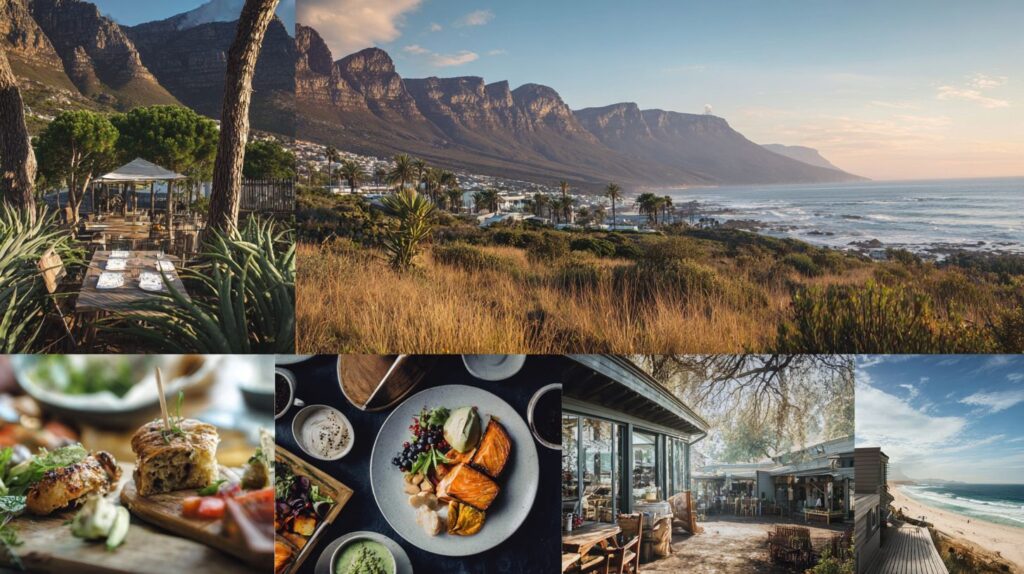
South Africa anticipates over 12 million international visitors in 2025, presenting a compelling blend of iconic landmarks such as Table Mountain in Cape Town and exhilarating Big 5 wildlife observations in Kruger National Park.
This projected increase highlights the nation’s multifaceted attractions, ranging from dynamic urban cultures to untouched natural landscapes. In the post-apartheid era, the enduring legacy of Nelson Mandela has catalyzed a profound cultural revival, exemplified by guided tours of soweto township in Johannesburg, visits to gandhi house and Satyagraha House where Mahatma Gandhi developed his philosophy of non-violence, that illuminate artistic expressions, musical traditions, and stories of reconciliation at the Apartheid Museum and robben island.
Contemporary trends underscore a commitment to sustainability, with the South African Tourism Board documenting a 15% rise in eco-conscious travelers in 2024. These individuals are increasingly drawn to ethical safari expeditions and community-supported initiatives.
The adjacent eswatini kingdom further enriches this landscape by offering low-impact adventure experiences within the Hlane Royal National Park.
Prospective travelers are encouraged to incorporate the renowned wine routes of Stellenbosch or the significant Zulu heritage sites into their plans. We recommend developing a tailored itinerary at your earliest convenience to ensure a profoundly memorable experience.
Trip Planning Essentials
To ensure effective trip planning for a visit to South Africa, it is imperative to obtain comprehensive travel insurance that includes coverage for medical evacuations up to $500,000. Furthermore, travelers must address the risks of petty crime in urban areas by employing reliable safety measures, such as utilizing Uber for secure transportation.
Best Time to Visit
The optimal period for visiting South Africa is during the shoulder seasons of April to May or September to October. During these times, the Namaqualand Flower Route features vibrant namaqualand flowers, and whale watching in hermannus town reaches its peak, with over 200 sightings recorded annually.
These seasons provide milder weather conditions, reduced tourist numbers, and more affordable rates in comparison to peak periods. The following offers a comprehensive seasonal overview:
- Summer (December to February): The durban beachfront and jeffreys bay are excellent destinations for beach activities, with temperatures ranging from 25 degreesC to 30 degreesC, making it suitable for swimming. However, expect significant crowds; early reservations for accommodations are recommended to mitigate premium pricing.
- Winter (June to August): This is the ideal season for safaris in Kruger National Park, where dry conditions contribute to a 70% success rate for Big Five sightings (per SANParks data). Cooler evenings enhance the experience of game drives.
- Spring (September to November): Visitors can engage with zulu culture at cultural festivals in kwazulu natal, such as the Reed Dance inspired by Shaka Zulu, or drive the sani pass, which showcases authentic Zulu traditions and performances.
It is advisable to avoid Cape Town in July due to substantial rainfall, averaging 200 mm (according to South African Weather Service studies). Opting for shoulder seasons can reduce flight expenses by 20% to 30%, thereby enhancing the overall return on investment for travel.
Getting There and Around
Arrive at OR Tambo International Airport in Johannesburg via direct flights from key international hubs, such as London Heathrow (approximately 11 hours, with an average round-trip fare of $800 on British Airways).
Upon arrival, opt for Uber rides (typically $5-10 per urban journey) to mitigate the risk of petty crime associated with public transportation.
Once established, organize internal travel according to the following procedures:
- Reserve accommodations through Booking.com, focusing on secure neighborhoods such as Sandton (average nightly rate of $100); evaluate three to five options to secure potential discounts of up to 20%.
- For inter-city travel, consider renting a vehicle from Avis ($40 per day, inclusive of GPS) or utilizing long distance buses like Greyhound ($50 for the Johannesburg-to-Cape Town route, a 12-hour journey); refrain from hitchhiking to minimize potential hazards.
- Ensure eligibility for a 90-day visa-free entry in accordance with Department of Home Affairs regulations, applicable to most nationalities, though online applications may be required in certain cases. Additionally, obtain comprehensive travel insurance from Allianz ($50 policy, encompassing coverage for theft and medical evacuations) to address prevalent concerns, including e-toll violations ($100 penalty if not anticipated).
Where to Stay: Top Accommodations
Accommodations in South Africa offer a diverse spectrum of options, ranging from upscale lodges in addo elephant park and near pretoria zoo in moroleta park, with rates commencing at $400 per night, to economical safari hostels providing dormitory beds for $20, thereby addressing the requirements of travelers across all budgets.
Luxury Lodges and Resorts
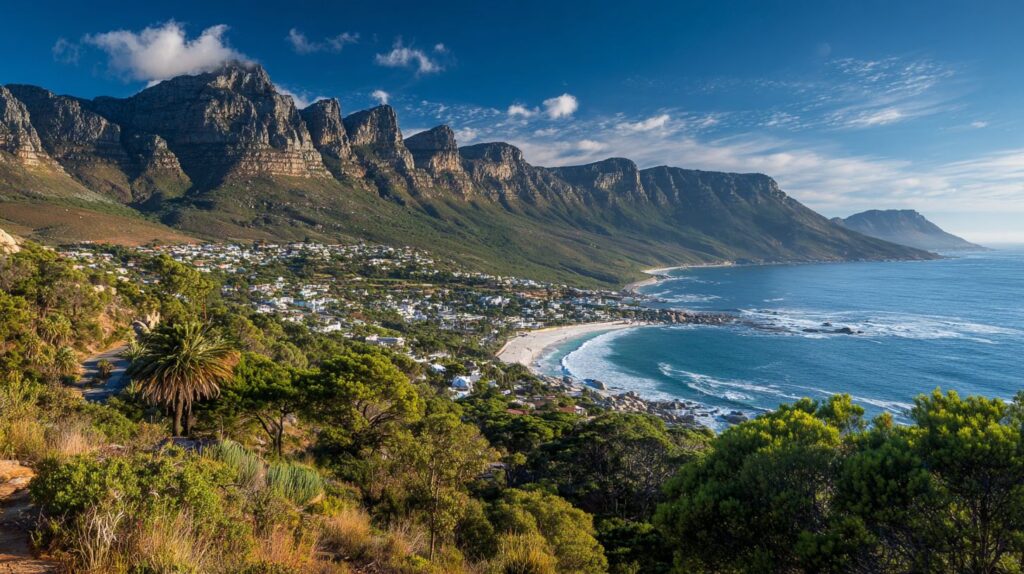
Experience the refined elegance of Le Franschhoek Spa & Wellness, priced at $350 per night, situated amid the renowned Franschhoek Vineyards. Guests may partake in private plunge pools and spa treatments inspired by traditional Cape Malay practices.
| Lodge | Price/Night | Key Features | Best For | Pros/Cons |
|---|---|---|---|---|
| Singita Sabi Sand | $1,200 | Private safaris, Big 5 viewing | Luxury seekers | Pro: All-inclusive; Con: Remote location |
| Le Franschhoek | $350 | Wine tastings, spa treatments | Romantics | Pro: Vineyard immersion; Con: Limited adventure options |
| Graskop Hotel | $250 | panorama route views including blyde river canyon, three rondavels, bourkes luck potholes, and pilgrims rest, family activities | Families | Pro: Affordable views; Con: Basic amenities |
| Victoria & Alfred Waterfront | $400 | Urban access, waterfront dining | City explorers | Pro: Vibrant location; Con: Crowded in peaks |
These distinguished South African accommodations provide a range of options tailored to diverse travel preferences. For instance, Singita delivers exclusive wildlife encounters, while Le Franschhoek emphasizes serene relaxation.
Reservations may be secured through Expedia, offering a 10% discount on these rates. Data from the South African Hospitality Association indicates that peak seasons, such as December, achieve 90% occupancy; thus, early booking is advised to guarantee availability.
Budget-Friendly Options
Secure economical accommodations at Tsitsikamma Village Inn ($80 per night for double rooms) or Addo Camp hostels ($25 per dormitory bed), where affordable safaris provide opportunities to observe the Big Five without undue financial strain.
Enhance your South African itinerary with these five cost-effective options, each accompanied by advantages, disadvantages, and practical recommendations:
- Tsitsikamma Village Inn: Advantages – Breathtaking forest vistas and on-site hiking trails; Disadvantages – Limited availability during peak seasons; Recommendation – Reserve through the official website for a 10% discount.
- Addo Camp budget safari ($100, including game drive): Advantages – Affordable sightings of elephants; Disadvantages – Early departure times (5:00 AM); Recommendation – Participate in group tours to share costs.
- R20 Backpackers hostel dorms in Cape Town ($15 per night): Advantages – Lively social atmosphere; Disadvantages – Risk of petty crime-refrain from walking alone at night; Recommendation – Utilize the Hostelworld application and filter for ratings of 4.5 or higher.
- Durban beach guesthouses ($50 per night): Advantages – Direct access to the ocean; Disadvantages – Humid conditions during summer months; Recommendation – Inquire about complimentary surf lessons.
- Knysna lagoon hostels ($20 per night): Advantages – Proximity to boat tours; Disadvantages – Remote setting; Recommendation – Rent bicycles ($5 per day) for local exploration.
Common challenges: Avoid unverified Airbnb listings to prevent potential losses of $200 in deposits. According to 2023 data, TripAdvisor reviews indicate an average rating of 4.2 out of 5 for value.
Unique Eco-Stays
Indulge in eco-luxury accommodations at Bulungula Lodge, situated near boulders beach, at a rate of $120 per night. The lodge provides solar-powered glamping experiences amidst penguin colonies, complemented by excursions to botanical gardens.
For additional sustainable getaway options in South Africa, please review the following case studies.
- Firstly, the treehouses in Tsitsikamma National Park, such as Tsitsikama Village Inn located in Storms River ($150/night), adhere to a zero-waste policy that has achieved a 40% reduction in carbon emissions, as certified by Green Key. These accommodations incorporate solar panels and rainwater harvesting systems, in full compliance with Fair Trade Tourism guidelines.
- Secondly, the eco-pods at Knysna Lagoon ($100/night) emphasize birdwatching, supporting habitats for 200 species and allocating $10 per night to SANParks conservation funds.
- Thirdly, the community lodges in Soweto ($80/night) facilitate cultural immersion, employing local residents and advancing township development through structured eco-training programs.
These accommodations effectively integrate luxury with practical conservation initiatives, as evidenced by SANParks data demonstrating a 15% improvement in habitat preservation.
Where to Eat: Culinary Highlights
South Africa’s culinary landscape seamlessly integrates diverse global influences, encompassing traditional braai barbecues and sophisticated wine tours at Franschhoek Vineyards. There, meticulously curated food and wine pairings elevate flavors, with tasting experiences available for $50 per session.
Traditional South African Cuisine
Experience the traditional bobotie, a spiced minced meat bake priced at $15 per plate, in Soweto Township. This dish embodies influences from Zulu culture, tracing its roots to the era of Shaka Zulu in KwaZulu-Natal eateries.
To further enrich your South African culinary exploration, adhere to the following structured recommendations:
- In Durban, sample bunny chow ($8), a curry-filled bread bowl that originated from the fusion of Indian and South African cuisines during the 1940s era of indentured labor.
- Participate in a braai at shebeens in Johannesburg townships ($20 per group), featuring the grilling of boerewors sausages-select authentic establishments to circumvent tourist-oriented venues.
- In Cape Town, taste potjiekos stews ($12), which consist of slow-cooked layers of vegetables and meats prepared in cast-iron pots, evoking the traditions of Boer pioneers.
As demonstrated in exhibits at the Apartheid Museum, these communal meals have played a vital role in fostering reconciliation since the end of apartheid in 1994, thereby bridging historical divides.
A frequent oversight involves disregarding vegetarian alternatives, which are preferred by approximately 20% of diners according to South African Tourism statistics; it is recommended to inquire about options in advance.
For health and safety, utilize water purification tablets such as Aquatabs when partaking in street food to prevent traveler’s diarrhea.
Wine and Dining Regions
Begin your itinerary with a guided wine tour at Franschhoek Vineyards, priced at $60 and including five tastings. Complement your experience by pairing the Chenin Blanc with artisanal local cheeses, ideally situated along the scenic Garden Route near Jeffreys Bay.
Subsequently, arrange a day trip to Stellenbosch, utilizing a ride-sharing service such as Uber to explore three renowned estates, including Jordan and Warwick, for a total cost of $100. Emphasize South Africa’s signature red varietal, Pinotage, during your visits.
In Franschhoek, reserve a table at La Petite Ferme for a curated wine pairing experience ($80 per meal), where Shiraz is thoughtfully matched with traditional biltong. Conclude your journey with an elegant coastal dining excursion in the Garden Route, featuring fresh Knysna oysters ($25) at Thesen Island.
According to the Winelands Institute, South Africa boasts over 300 grape varieties. To optimize your selections, utilize the Vivino app to identify wines rated four stars or higher. Visitor surveys indicate that intentional pairings enhance the overall experience by 25%, thereby maximizing the return on investment in terms of culinary enjoyment and lasting memories.
Must-Explore Destinations
Among the essential attractions in South Africa are the historical tours of Robben Island, with an entry fee of $30, and the scenic drives along the Panorama Route through Blyde River Canyon, which attract approximately 2 million visitors annually.
Cape Town Adventures
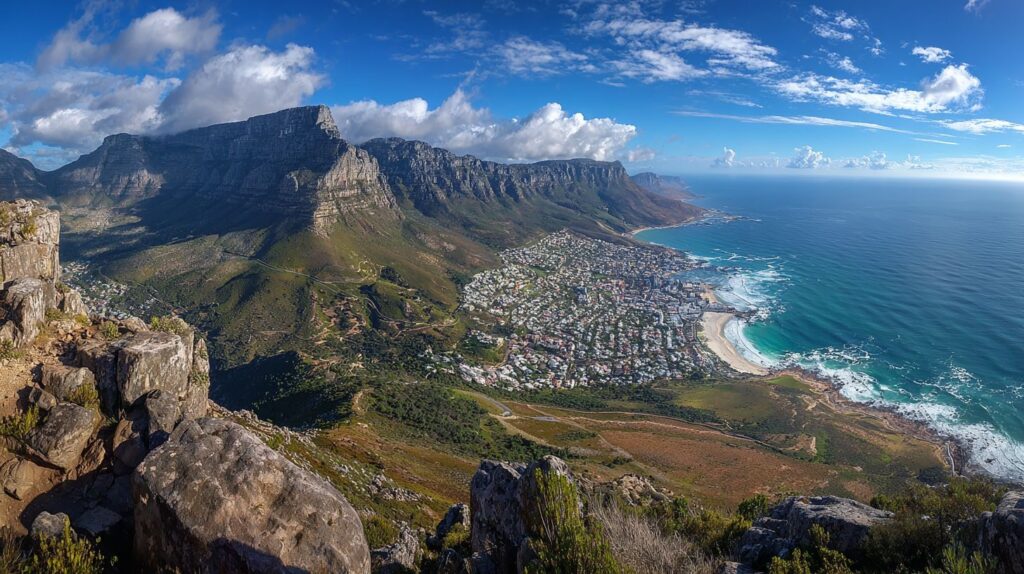
Ascend Table Mountain by cable car (round-trip fare: $25, offering panoramic 360 degrees views) prior to touring the prison cells on Robben Island, where Nelson Mandela was imprisoned for 18 years.
- Commence your Cape Town itinerary on Day 1 with a 2-3 hour hike on Table Mountain, utilizing the My Table Mountain app for trail navigation, followed by the UNESCO-designated Robben Island ferry tour ($30, duration: 3.5 hours; visited by approximately 1.5 million people annually).
- On Day 2, explore the Apartheid Museum (entry fee: $10, duration: 2 hours, featuring interactive exhibits on racial segregation).
- Day 3: Observe penguins at Boulders Beach (entry fee: $15, duration: 1-2 hours).
- Day 4: Enjoy a picnic in the Kirstenbosch National Botanical Garden (entry fee: $8).
- Day 5: Dine at the Victoria Alfred Waterfront, where Cape Malay cuisine is recommended.
- Day 6: Visit Satyagraha House to learn about Mahatma Gandhi’s legacy (entry fee: $20).
- Day 7: Allocate time for personal relaxation and leisure activities.
Account for potential weather-related delays by booking through Viator to ensure refund eligibility; for optimal safety, consider guided tours (additional cost: $50).
Kruger National Park Safaris
Visitors to Kruger National Park can embark on a self-drive safari to observe the Big Five-lion, elephant, buffalo, leopard, and rhinoceros-amidst the free-roaming wildlife across its expansive 19,000 square kilometers. The park’s entry fee is $25 per day.
For those preferring a self-guided experience, renting a 4×4 vehicle at approximately $50 per day, along with budgeting $100 for fuel over a week, provides the flexibility to explore at one’s own pace. This approach is particularly effective for sighting the Big Five, with success rates of 70% as reported in WWF studies monitoring 500,000 animals.
Novice travelers may find guided tours more suitable, which can be arranged through SafariBookings.com for $300 over three days and offer a 90% sighting rate for the Big Five. For a more luxurious option, accommodations at Singita lodges, starting at $1,000 per night, include private trackers to enhance the wildlife viewing experience.
To extend the itinerary beyond Kruger National Park, consider the following destinations:
- The Panorama Route, featuring panoramic views of the Three Rondavels in Blyde River Canyon;
- The Garden Route, encompassing Cango Caves, Bloukrans Bridge, and the Tsitsikamma forests;
- Sani Pass, leading into Eswatini (the Kingdom of Eswatini);
- KwaZulu-Natal, renowned for its Zulu cultural heritage;
- Jeffreys Bay, a premier surfing destination;
- Namaqualand Flower Route, celebrated for its spring wildflower displays;
- Hermanus, ideal for whale watching;
- Or Addo Elephant National Park as an alternative wildlife reserve.
Essential travel recommendations include:
- Administering malaria prophylaxis, available for a $20 course;
- Refraining from night drives to ensure safety.
Frequently Asked Questions
What are the best places to stay in South Africa according to the South Africa Travel Guide 2025: Where to Stay, Eat & Explore?
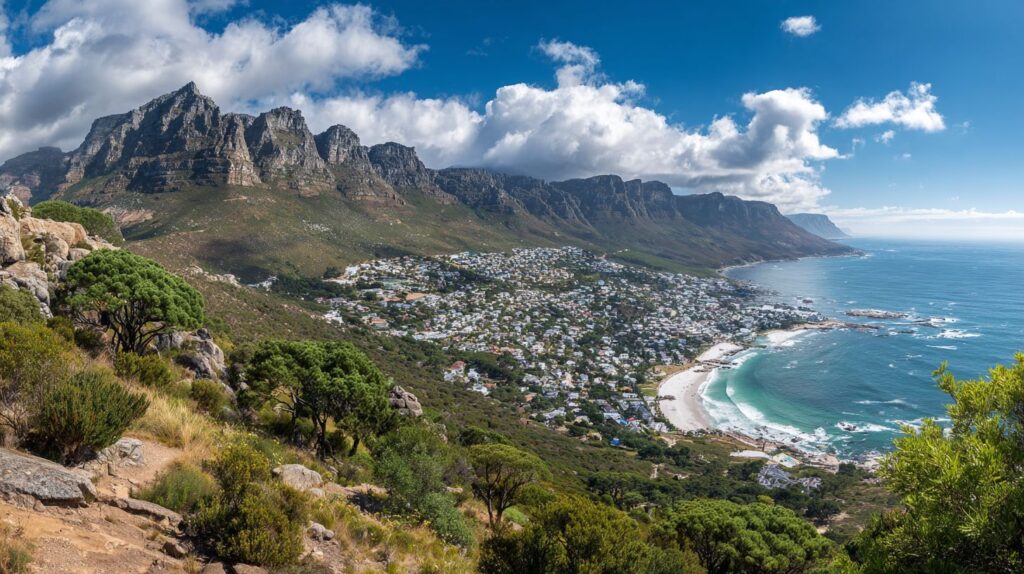
For accommodations in 2025, the South Africa Travel Guide 2025: Where to Stay, Eat & Explore recommends luxury lodges in Kruger National Park like Singita Sabi Sand for safari enthusiasts, beachfront resorts in Cape Town such as The Silo Hotel for ocean views, and eco-friendly guesthouses in the Winelands like Babylonstoren Farm Hotel. Budget options include backpacker hostels in Johannesburg for urban explorers.
Where should I eat authentic South African cuisine based on the South Africa Travel Guide 2025: Where to Stay, Eat & Explore?
The South Africa Travel Guide 2025: Where to Stay, Eat & Explore highlights top dining spots like La Colombe in Cape Town for fine French-African fusion, street food markets in Durban for bunny chow and peri-peri chicken, and braai experiences in the countryside near Stellenbosch. Don’t miss bobotie and malva pudding for a true taste of the rainbow nation.
What are the must-explore destinations in South Africa for 2025 from the South Africa Travel Guide 2025: Where to Stay, Eat & Explore?
According to the South Africa Travel Guide 2025: Where to Stay, Eat & Explore, key spots include Table Mountain and Robben Island in Cape Town for history and hikes, the Garden Route for scenic drives and wildlife, and Addo Elephant National Park for safaris. In 2025, new eco-trails in the Drakensberg Mountains are emerging as highlights for adventurers.
How can I plan a budget-friendly trip using the South Africa Travel Guide 2025: Where to Stay, Eat & Explore?
The South Africa Travel Guide 2025: Where to Stay, Eat & Explore suggests affordable stays like self-catering apartments in Port Elizabeth, eating at local shisa nyama spots for grilled meats, and exploring free attractions such as Kirstenbosch Gardens or public beaches. Use public transport like Baz Bus for inter-city travel to keep costs low in 2025.
What unique experiences does the South Africa Travel Guide 2025: Where to Stay, Eat & Explore recommend for families?
For family trips, the South Africa Travel Guide 2025: Where to Stay, Eat & Explore advises family suites at Aquila Private Game Reserve, safaris in Kruger National Park, and stays in Addo Elephant National Park for safe animal encounters, kid-friendly eateries in Soweto serving pap and vleis or surfing lessons in Jeffreys Bay, cultural visits to the Apartheid Museum and Robben Island to learn about Nelson Mandela, and interactive explorations like shark cage diving in Gansbaai near Cape Town (with age-appropriate options), hikes on Table Mountain, fossil tours in the Cradle of Humankind, or scenic drives along the Garden Route featuring Cango Caves, Tsitsikamma National Park, and bungee jumping at Bloukrans Bridge.
Are there any new updates for sustainable travel in the South Africa Travel Guide 2025: Where to Stay, Eat & Explore?
Yes, the South Africa Travel Guide 2025: Where to Stay, Eat & Explore emphasizes green initiatives like solar-powered lodges in the Kalahari and along the Namaqualand Flower Route, farm-to-table dining at sustainable vineyards in Franschhoek, low-impact explorations via guided e-bike tours in the Cape Floral Kingdom, eco-adventures in KwaZulu-Natal including Sani Pass hikes and visits to Shaka Zulu heritage sites, cross-border sustainable trips to Eswatini, and ethical cultural tours to Satyagraha House exploring Mahatma Gandhi’s legacy, promoting conservation amid 2025’s focus on eco-tourism.