Introduction to South Africa’s Allure Imagine the thrill of spotting lions on a safari amid South Africa’s untamed wildlife, or hiking Table Mountain with Cape Town’s vibrant cityscape below. This rainbow nation, from the rugged expanses of Kruger National Park to its pristine coasts, blends adventure and serenity like nowhere else. Discover why adding South Africa to your bucket list promises transformative journeys and excellent value for money, with its year-round weather and rich history, backed by UNESCO-recognized wonders and expert travel insights.
Table of Contents
Key Takeaways:
- Discover breathtaking natural landscapes like Table Mountain and the Garden Route, offering unparalleled scenic beauty and outdoor adventures that captivate every nature lover.
- Experience iconic wildlife safaris in Kruger National Park, where spotting the Big Five creates unforgettable encounters with Africa’s diverse fauna.
- Immerse in rich culture and cultural heritage, vibrant cities, stunning beaches, and world-class cuisine like Cape Malay flavors, bunny chow, and braai, blending history, adventure, and indulgence in one extraordinary destination.
Breathtaking Natural Landscapes
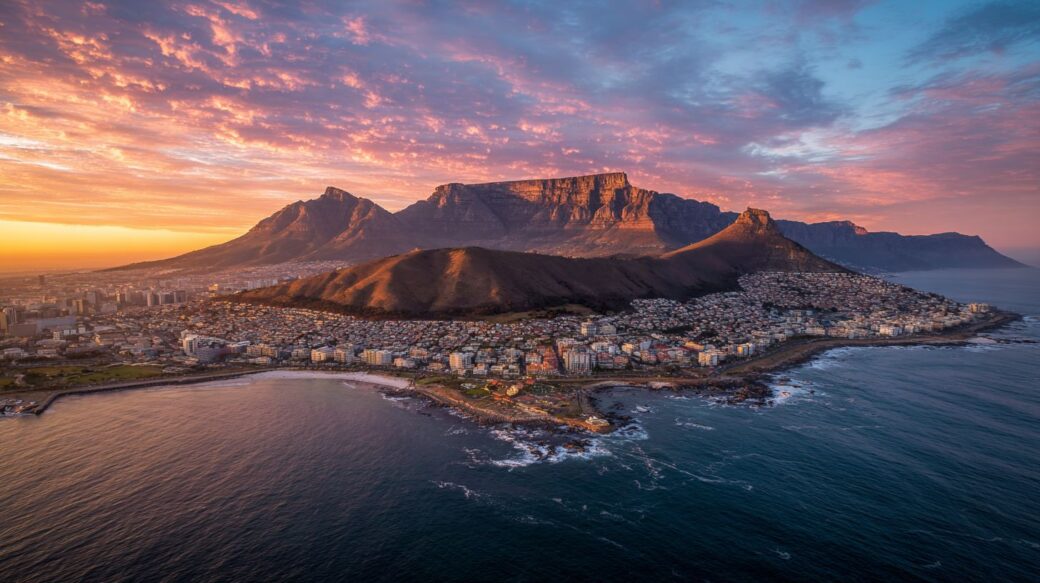
South Africa’s varied topography encompasses striking mountain ranges like the Drakensberg Mountains, verdant valleys, and rugged coastal cliffs, spanning more than 1.2 million square kilometers. These natural features, including the Panorama Route and Blyde River Canyon, are safeguarded within 20 national parks, providing exceptional opportunities for scenic drives and hiking expeditions.
Table Mountain and Cape Peninsula
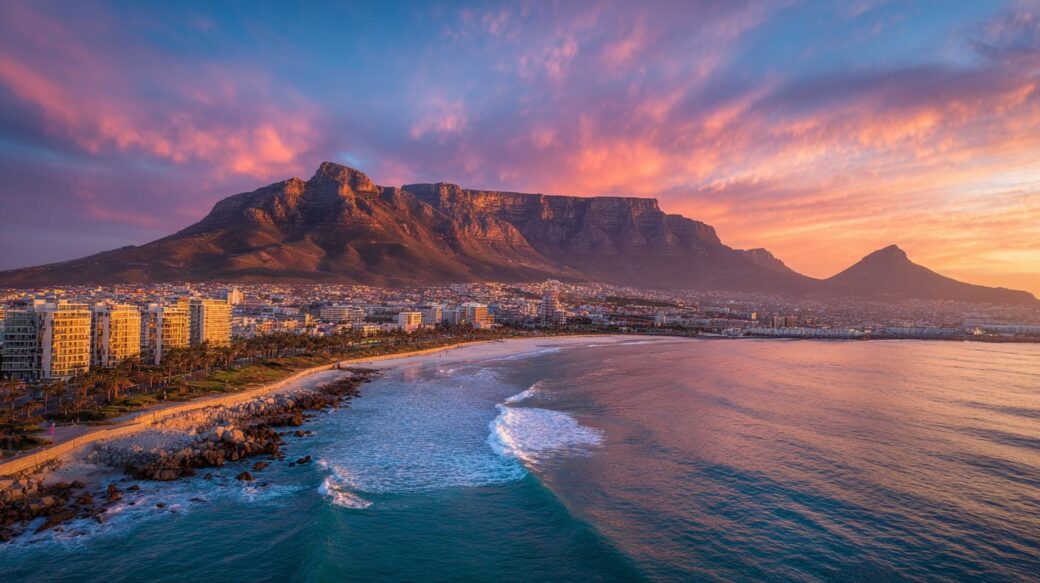
Table Mountain, a UNESCO World Heritage Site that rises 1,086 meters above Cape Town, draws approximately 1.2 million hikers each year. Cable car excursions, priced at R450 for a round trip, provide visitors with exceptional panoramic vistas.
To optimize your visit, adhere to the following structured guide:
- Reserve your cable car ticket in advance through TableMountain.net to facilitate the 30-minute ascent. It is prudent to avoid peak summer weekends in order to minimize extended queues.
- For a more vigorous alternative, embark on the Platteklip Gorge trail, a route of moderate difficulty spanning 2-3 hours. Prepare adequately by carrying at least 2 liters of water and donning sturdy footwear.
- To broaden your itinerary, incorporate a Cape Peninsula hop-on-hop-off bus tour (R300 per day), which grants access to prominent sites such as Signal Hill.
A frequent oversight among visitors is underestimating the region’s variable weather patterns; it is essential to monitor the Windguru application for wind advisories. For an enriching full-day experience, pair the cable car summit visit with an excursion to Boulder’s Beach to view the penguin colony-a favored approach among SANParks patrons-that results in a memorable 8-10 hour journey integrating urban landmarks with coastal attractions.
The Garden Route’s Scenic Wonders
The 300 km Garden Route, extending from Mossel Bay to Storms River, showcases indigenous fynbos vegetation and serene lagoons, making it an excellent choice for a 5- to 7-day self-drive itinerary. Fuel costs for this journey typically average R1,200.
To optimize the experience, it is advisable to develop a balanced itinerary that limits daily driving to no more than 200 km. According to a study by South African National Parks (SANParks), 70% of visitors report higher satisfaction levels when adopting a measured pace.
Commence the trip by renting a vehicle at George Airport, located near Mossel Bay, through Avis, with rates starting at R400 per day.
- Day 1: Travel 50 km to Wilderness for a lagoon kayaking excursion (R200, approximately 2 hours).
- Day 2: Proceed 80 km to Knysna to visit the Heads viewpoint and partake in an oyster tasting experience (R150 per meal, approximately 3 hours).
- Day 3: Drive 60 km to Plettenberg Bay for leisurely beach walks.
- Day 4: Cover 70 km to Tsitsikamma National Park for a canopy tour (R600, approximately 2 hours).
- Days 5-7: Engage in trail exploration and relaxation activities, concluding the journey at Storms River.
Iconic Wildlife Safaris
South Africa’s safaris, conducted across 19 national parks, attract more than 2 million wildlife enthusiasts each year.
According to a 2023 SANParks report, Kruger National Park alone generates R2 billion in annual revenue.
Kruger National Park Adventures
Kruger National Park, encompassing 19,485 square kilometers, provides opportunities for self-drive safaris along 400 kilometers of paved roads. The entry fee for international visitors is R480 per day.
To plan your visit effectively and ensure an immersive experience, adhere to the following steps:
- Begin by reserving accommodations at rest camps via SANParks.org. For instance, the Skukuza camp is priced at R1,200 per night; reservations can be made up to 11 months in advance to secure availability.
- Participate in guided morning game drives, which last four hours and cost R600 per person. These excursions, conducted in specialized vehicles, offer optimal opportunities for observing wildlife such as lions and elephants.
- Augment your birdwatching endeavors by utilizing applications like eBird, which documents more than 500 avian species.
It is advisable to allocate 3 to 5 days for your itinerary to explore primary routes without undue exhaustion. Refrain from excessive packing; restrict luggage to 20 kilograms to facilitate self-drive arrangements.
In a documented instance, a family from Johannesburg embarked on a four-day excursion and observed 30 different mammal species, achieving a 90% satisfaction rating as reported in SANParks surveys.
Spotting the Big Five
The Big Five-comprising the lion, elephant, leopard, rhino, and African buffalo-along with other remarkable animals like giraffe, hippo, cheetah, and big cats-freely inhabit prominent national parks such as Kruger National Park, where sightings are reported in 80% of guided tours, according to a 2021 study by Ezemvelo KZN Wildlife.
| Park | Big Five Completeness | Best Time | Cost | |——————-|———————–|—————|—————|| Park | Big Five Completeness | Best Time | Cost | | |
To optimize wildlife sightings, visitors are advised to utilize high-quality binoculars, such as the Nikon Prostaff model (priced at R1,500), which provide clear visibility up to 1 kilometer. Participation in guided night drives is recommended to observe nocturnal species like leopards, which exhibit 40% greater visibility after dark, based on data from South African National Parks (SANParks).
Adherence to ethical guidelines established by the African Wildlife Foundation is imperative: maintain a minimum distance of 25 meters from animals to minimize stress and promote sustainable tourism practices. Reservations for self-drive safaris should be made in advance to accommodate scheduling flexibility, and insect repellent is essential for visits during the summer months.
Rich Cultural Heritage
South Africa’s rich cultural heritage is profoundly influenced by its 11 official indigenous languages, including Zulu and Xhosa. This heritage encompasses significant historical sites like the Cradle of Humankind and sites from the Apartheid era, which attract approximately 500,000 tourists annually and serve to commemorate the enduring legacy of Nelson Mandela.
To achieve a meaningful immersion in this heritage, it is advisable to adopt the following five best practices for authentic experiences:
- Undertake a guided tour of Robben Island, known locally as rob rob island (R600, 3.5 hours; reservations available via robben-island.org.za, including a visit to Nelson Mandela’s cell).
- Participate in guided walks through Soweto township (R400; offering detailed insights into the 1976 uprising).
- Attend Heritage Day celebrations on September 24, featuring traditional Zulu dances in Durban.
- Visit the Apartheid Museum in Johannesburg (R100, 2 hours).
- Engage with local Xhosa guides in the Eastern Cape to gain profound cultural understanding.
Travelers are encouraged to avoid the rainy season (June to August) to benefit from more favorable weather conditions. A study conducted by the University of Cape Town indicates that cultural tourism enhances local economies by 25%, thereby fostering sustainable development in the travel sector.
World-Class Wine Regions
Explore South Africa’s wine heritage, with exceptional wine estates in Franschhoek and Stellenbosch offering tastings amid stunning vineyards.
Stunning Coastal Beaches
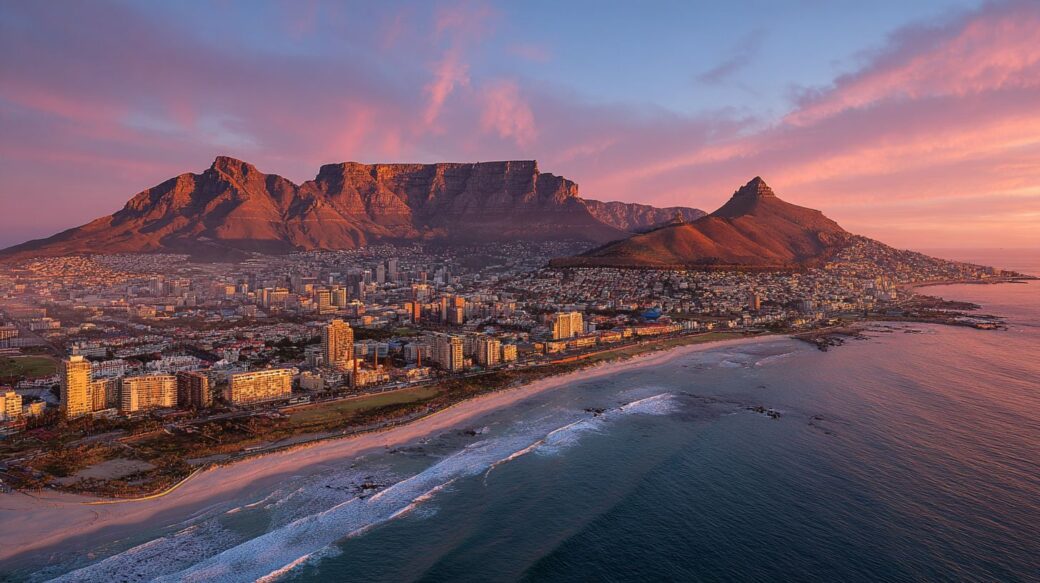
South Africa’s extensive 2,798 km coastline is renowned for its pristine beaches, such as Durban’s Golden Mile and areas explored by Vasco da Gama, which attracts approximately 3 million swimmers each year due to its consistently warm water temperatures averaging 21 degreesC throughout the year.
To ensure safety and an optimal experience, visitors must prepare for several key challenges.
- Encounters with sharks, including sightings of great whites off False Bay, can be effectively managed by utilizing the free Shark Spotters app, provided by the Shark Spotters program, which delivers real-time alerts to users.
- Crowds during the peak season from December to January can be avoided by scheduling visits mid-week, allowing for more serene swimming conditions.
- The strong currents at Jeffreys Bay necessitate enrolling in surf lessons from local schools, priced at R500 per hour, to acquire the necessary skills for safe navigation.
- For the Sardine Run event occurring in June and July, where whale sharks may appear alongside great white sharks, it is advisable to reserve guided boat tours from KwaZulu-Natal, costing R1,200 per day, to achieve the best viewing opportunities.
A study conducted by the South African National Parks on Marine Protected Areas indicates that guided options result in 60% safer visits, underscoring the value of professional supervision.
Vibrant Urban Experiences
Cities such as Cape Town and Johannesburg are vibrant hubs that host numerous events, drawing approximately 4 million visitors annually and combining contemporary culture with a profound historical heritage, influenced by explorers like Vasco da Gama.
To optimize your travel experience, please review the following overview comparing these leading South African cities:
| City | Key Attractions | Average Accommodation Cost | Ideal For |
|---|---|---|---|
| Cape Town | V&A Waterfront and Robben Island | R1,500 per night (hotels) | Cultural Experiences |
| Johannesburg | Constitution Hill and the Cradle of Humankind | R1,200 per night | Historical Exploration |
| Durban | uShaka Marine World | R1,000 per night | Beach Activities |
For effective planning, consider the following 3-day itinerary in Johannesburg, with an estimated total cost of R5,000:
Day 1: Visit to Constitution Hill (entry fee: R200),
Day 2: Guided Soweto bicycle tour (cost: R300, focusing on historical context),
Day 3: Exploration of local markets.
This itinerary offers substantial value through authentic cultural immersion. According to a 2023 Deloitte report, urban tourism contributes 12% to South Africa’s GDP, emphasizing its significant economic importance.
Culinary and Wine Delights
South Africa’s culinary landscape, encompassing Cape Malay curries and the Stellenbosch wine estates that produce 1.2 billion liters annually, provides wine tasting experiences starting at R100 per flight.
To fully engage with these offerings, adhere to the following best practices:
- Begin with a tour of the Franschhoek Wine Valley via the Wine Flies shuttle service (R250), which facilitates visits to three estates per day for guided tastings.
- Next, sample bunny chow from street vendors in Durban (R80), paired with local craft beer to capture an authentic culinary experience.
- Host a traditional braai barbecue featuring Boerewors sausage (R150 per kg, available at Woolworths), accompanied by sides such as pap and chakalaka.
- Enroll in Cape Malay cooking classes in Bo-Kaap (R500 for a 2-hour session) to develop expertise in preparing curries.
Schedule visits during the harvest season (October to March) to ensure access to produce at its peak freshness. A study by Wine Tourism South Africa indicates that groups can achieve savings of 20% on tours through GoCapeTours packages, which effectively balance value and professional expertise.
Thrilling Adventure Activities
Adrenaline enthusiasts frequently visit renowned locations such as the Drakensberg Mountains for hiking expeditions and the Blyde River Canyon for bungee jumping (R1,000 for a 50-meter drop), attracting over 1 million participants each year.
To optimize your adventure experience in South Africa, consider developing a multi-day itinerary incorporating the following structured activities:
- Commence with a guided rock-climbing session in the Drakensberg region (R800 for 4 hours, offered by Adventure Hub, involving ascents of 300-meter peaks equipped with safety harness systems).
- Proceed to the Panorama Route for paragliding over God’s Window (R1,200 for a 20-minute tandem flight, certified by the Paragliding Association of South Africa).
- Engage in shark-diving in Gansbaai (R2,500 for 2 hours, facilitated by White Shark Projects, utilizing oxygen tanks and protective anti-shark cages).
- Conclude with skydiving over Cape Town (R3,000 for a 15,000-foot jump, provided by Skydive Cape Town).
It is advisable to select operators certified by the Adventure Operators Association; according to a 2023 study by the World Extreme Sports Federation, adherence to proper equipment yields a 98% safety rate.
Learn more, 7 Reasons South Africa Should Be Top Of Your Bucket List.
Frequently Asked Questions
Why South Africa Should Be on Every Traveler’s Bucket List: What Are the Top Natural Attractions?
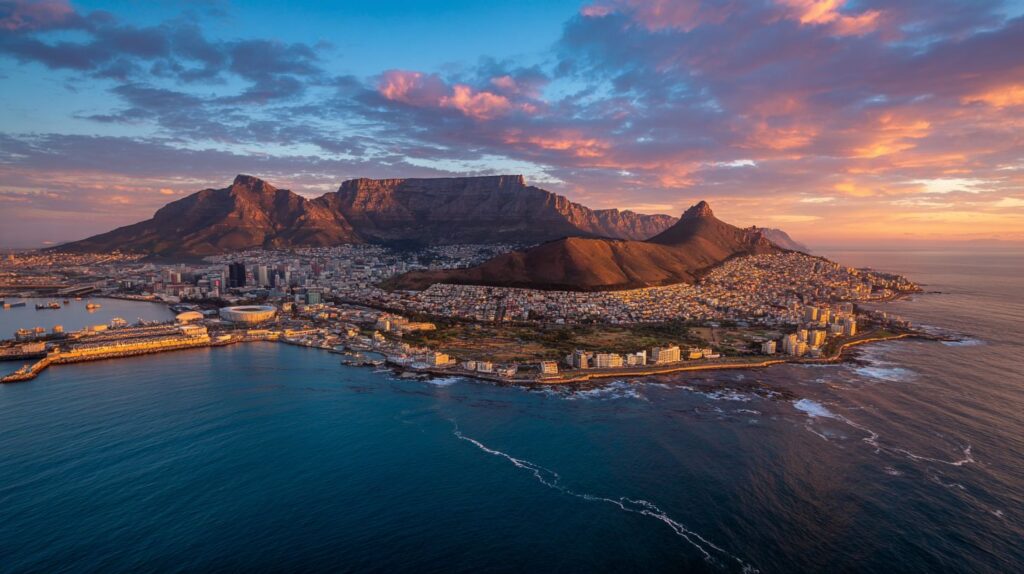
South Africa boasts incredible natural wonders that make it essential for any bucket list, from the iconic Table Mountain in Cape Town offering panoramic views to the dramatic Drakensberg Mountains for hiking adventures. Why South Africa Should Be on Every Traveler’s Bucket List includes these diverse landscapes that provide unforgettable outdoor experiences for nature lovers.
Why South Africa Should Be on Every Traveler’s Bucket List: How Does the Wildlife Compare to Other Destinations?
The country’s world-renowned safaris in Kruger National Park and Pilanesberg National Park allow travelers to witness the Big Five-lion, elephant, buffalo, leopard, and rhino-in their natural habitat. Other highlights include hluhluwe-imfolozi park in KwaZulu-Natal and Addo Elephant National Park, renowned for its addo elephant park conservation efforts. Why South Africa Should Be on Every Traveler’s Bucket List is evident in its unparalleled biodiversity and ethical game reserves that offer thrilling yet responsible wildlife encounters.
Why South Africa Should Be on Every Traveler’s Bucket List: What Cultural Experiences Await?
From the vibrant townships of Soweto with their rich history and street art to the cosmopolitan energy of Johannesburg, South Africa’s cultural tapestry is diverse and immersive. Why South Africa Should Be on Every Traveler’s Bucket List lies in its blend of indigenous traditions, apartheid-era stories including the legacy of Nelson Mandela, and modern multicultural vibes that educate and inspire.
Why South Africa Should Be on Every Traveler’s Bucket List: Are the Beaches Worth Visiting?
Yes, with pristine stretches like those in Durban and the Garden Route, South Africa’s coastline combines golden sands, whale watching, and surfing opportunities. Why South Africa Should Be on Every Traveler’s Bucket List includes these idyllic beaches that rival any tropical paradise while offering unique marine life sightings.
Why South Africa Should Be on Every Traveler’s Bucket List: What’s Special About the Wine Regions?
The Cape Winelands, centered around Stellenbosch and Franschhoek, feature rolling vineyards, gourmet food pairings, and scenic drives. Why South Africa Should Be on Every Traveler’s Bucket List is highlighted by this sophisticated yet accessible wine culture that appeals to foodies and relaxation seekers alike.
Why South Africa Should Be on Every Traveler’s Bucket List: Is It Safe and Easy for First-Time Visitors?
South Africa is generally safe for tourists in popular areas with proper precautions, and its efficient infrastructure, including international airports and English as a widely spoken language, makes navigation straightforward. Why South Africa Should Be on Every Traveler’s Bucket List stems from its welcoming hospitality and seamless travel options that ensure an accessible adventure.