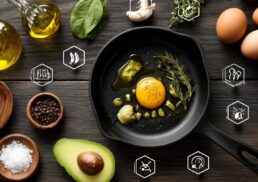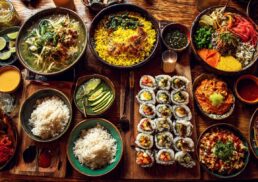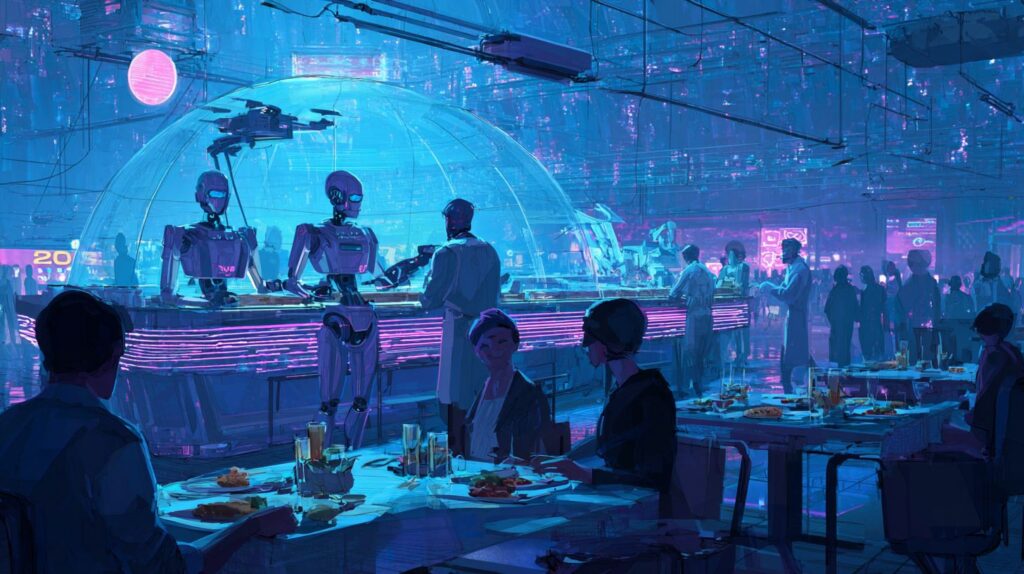
As catering trends accelerate toward 2026, event catering is redefining itself through AI-driven customization, sustainability, and farm-to-table precision. Drawing insights from Paytronix, QSR magazine, and FS/TEC 2026, this article explores robotic automation, drone delivery, and blockchain tracking-equipping you with strategies to future-proof your food service operations.
Table of Contents
Key Takeaways:
- AI-powered menu personalization adapts in real-time to dietary needs, boosting customer satisfaction and reducing food waste in 2026 catering.
- Robotic kitchen automation with precision cooking robots ensures flawless food prep, cutting labor costs and enhancing efficiency.
- Drone delivery robots and blockchain tracking revolutionize last-mile transport, ensuring sustainability and full supply chain transparency.
AI-Powered Menu Personalization
AI-powered menu personalization leverages customer data from platforms like Paytronix to deliver hyper-individualized dining experiences, boosting order values by 20-30% according to QSR magazine. This technology transforms catering trends in event catering by enabling real-time adaptation to guest preferences. The National Restaurant Association reports a 35% improvement in guest experience through such innovations, setting the stage for addressing diverse dietary needs without complex manual interventions. Caterers can now predict demands for plant-based options or functional foods, enhancing satisfaction at weddings, corporate events, and micro-events.
In practice, AI automation analyzes past orders and feedback to suggest thematic menus, like wellness retreats pairings with craft beers or mocktails.
This personalization supports sustainability by reducing food waste through precise portion control. For instance, at live stations, AI recommends international flavors based on attendee profiles, increasing upsells by aligning with wellness trends. Operators gain operational efficiency, as seen in restaurant tech demos at FS/TEC 2026, where hyperlocal intelligence optimized menus for regional tastes.
Event planners benefit from digital marketing integration, using social media and customer feedback to refine offerings. Loyalty strategies via online ordering platforms ensure repeat business, with AI driving premium services like chef experiences. This data-driven approach not only elevates guest experience but also improves profit margin s in competitive foodservice technology landscapes.
Checkout the 9 Advanced Restaurant Technology Trends for 2026.
Real-Time Dietary Adaptation
Real-time dietary adaptation uses ChatGPT-like agentic AI to scan customer feedback and profiles, instantly suggesting plant-based or functional foods alternatives during mobile ordering. This feature shines in event catering, where QR codes enable quick scans for customization. QSR studies show a 15% upsell metric from these adaptations, as guests opt for eco-friendly, wellness-focused items like farm-to-table salads or nut-free desserts, minimizing food waste through smart recommendations.
Implementation follows these straightforward steps:
- Integrate Paytronix API for seamless data flow, a 5-minute setup with $0 extra cost, connecting loyalty strategies to AI systems.
- Train AI on 1,000+ dietary profiles using ChatGPT fine-tuning, a process taking about 2 hours, covering allergies, vegan preferences, and functional foods needs.
- Deploy QR codes for guest scans at interactive stations, test with 100 users to refine, and avoid over-customization errors like mismatched flavor profiles.
Common pitfalls include data privacy concerns, addressed through GDPR compliance in customer data handling. Caterers must balance personalization with security, ensuring hyperlocal intelligence respects regional regulations. Examples include corporate events switching to gluten-free international flavors mid-service, boosting satisfaction without disrupting live stations.
Robotic Kitchen Automation
Robotic kitchen automation enhances operational efficiency in event catering, with restaurant tech reducing prep time by 40% as reported by restaurant tech leaders at FS/TEC 2026. This shift revolutionizes premium services and chef experiences by handling repetitive tasks, allowing culinary teams to focus on creativity and guest interactions. The National Restaurant Association notes labor cost savings of up to 30% in high-volume operations, making robotics essential for catering trends in 2026.
These systems introduce precision cooking without constant oversight, ensuring consistent quality for thematic menus and international flavors. In micro-events or wellness retreats, robots manage portion control to cut food waste by 25%, aligning with sustainability goals. Chefs report improved work-life balance, dedicating more time to live stations and interactive experiences that elevate the guest experience.
Integration with AI automation and customer data enables data-driven adjustments, such as adapting recipes for plant-based options or functional foods. For premium catering, this means scalable solutions for craft beers pairings or mocktail stations, boosting profit margins through reduced errors and faster turnaround. Overall, robotic tools transform traditional food service into efficient, innovative operations.
Precision Cooking Robots
Precision cooking robots like Moley Robotics execute thematic menus with 0.1g accuracy, slashing food waste by 25% through data-driven portion control. These AI-powered devices shine in catering by maintaining eco-friendly standards and supporting customization for farm-to-table concepts. Operators praise their role in operational efficiency, especially for high-demand events where consistency matters most.
| Tool | Price | Key Features | Best For | Pros/Cons |
|---|---|---|---|---|
| Moley | $336K | Full kitchen bot, multi-station cooking | High-volume events | Pro: 24/7 ops; Con: high cost |
| Flippy (Miso Robotics) | $30K | Frying station, AI vision | QSR | Pro: 90% faster; Con: limited tasks |
| CookRight (Nala Robotics) | $50K | Multi-dish cooking, recipe database | farm-to-table Catering | Pro: customizable; Con: setup 2 days |
| ChefBot | $125K | Grilling and baking, sensor integration | Live stations | Pro: interactive demos; Con: maintenance intensive |
| PrepMaster | $75K | Chopping and mixing, waste minimization | Prep-heavy menus | Pro: hyperlocal ingredient handling; Con: space requirements |
For micro-events, Moley offers comprehensive automation over Flippy’s focused frying, though both demand a 1-week learning curve for staff integration into premium services. Moley’s full capabilities suit complex international flavors, while Flippy excels in quick, high-turnover items like appetizers at interactive stations. Comparing costs, Flippy provides accessible entry for smaller operations testing robotics in premium services.
These tools enhance chef experiences by freeing time for personalization, such as pairing with craft beers or mocktails. In 2026 catering trends, adopting precision robots supports loyalty strategies through reliable quality, directly impacting profit margins and guest feedback via digital marketing channels.
Drone and Autonomous Delivery
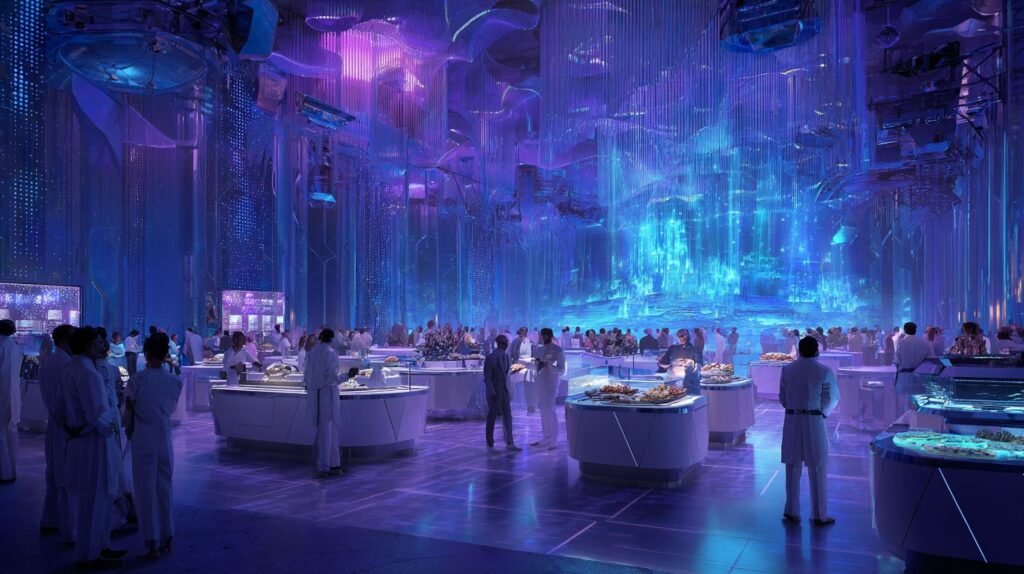
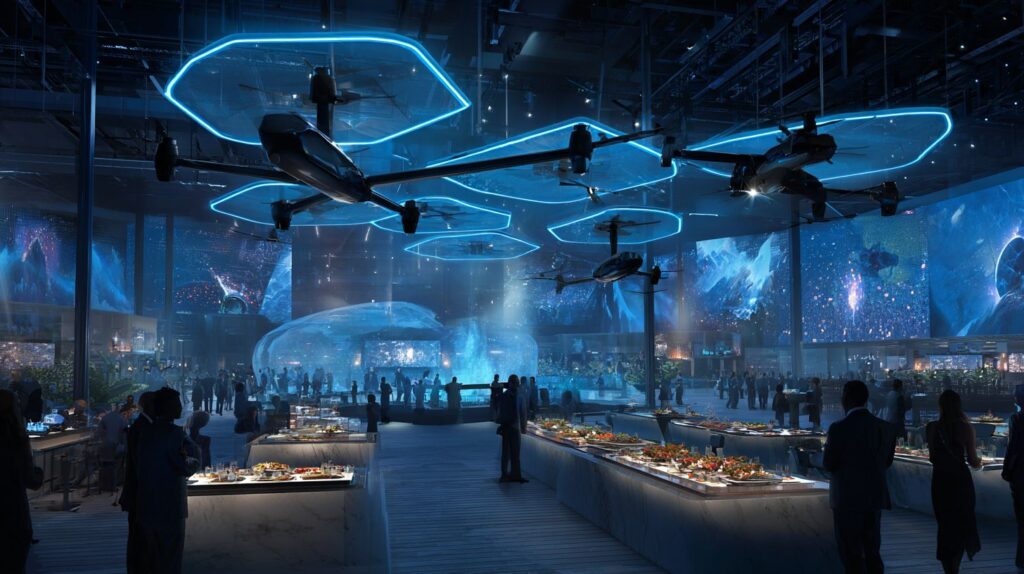
Drone and autonomous delivery robots cut last-mile times to under 15 minutes, with hyperlocal intelligence enabling Wingstop’s 25% faster DoorDash integrations. These technologies transform micro-events and wellness retreats by providing rapid delivery of fresh, customized meals. QSR magazine reports 18% cost reductions through efficient delivery robots, allowing caterers to focus on guest experience rather than logistics. Operators at wellness retreats now serve functional foods and plant-based options without delays, enhancing personalization and sustainability.
For event catering, this means live stations receive ingredients just in time, supporting interactive stations with international flavors or craft beers. Foodservice technology like agentic AI optimizes routes, cutting food waste via portion control. At premium services micro-events, guests scan QR codes for mobile ordering, with drones ensuring 10-minute arrivals. This boosts operational efficiency and profit margins, as seen in National Restaurant Association discussions on FS/TEC 2026 trends.
Providers connect with Paytronix for loyalty strategies, using customer data to predict orders. Wellness trends favor eco-friendly deliveries, reducing carbon footprints compared to traditional vans. Influencer partnerships at retreats showcase these innovations, driving social media buzz and repeat business for chef experiences.
Last-Mile Food Transport
Last-mile food transport via drones from Zipline or Starship robots delivers interactive stations‘ orders in 10 minutes, elevating guest experience at events. This restaurant tech supports catering trends like thematic menus and mocktails, ensuring freshness for farm-to-table dishes. Operators achieve operational efficiency by minimizing wait times, which aligns with AI-powered personalization and data-driven decisions.
To implement effectively, follow these numbered steps for eco-friendly wellness retreats enhanced by wellness trends and beverage trends:
- Map routes with hyperlocal intelligence tools like Torq, featuring 30-minute AI-powered setup and $99/month pricing for precise navigation.
- Integrate online ordering APIs such as Olo, completable in 1 hour to sync with mobile apps and customer feedback systems.
- Test payloads for live stations to avoid weather errors, targeting under 5% failure rate through rigorous simulations.
A $5,000 robot investment yields $20,000/year savings via reduced labor and fuel. Wingstop‘s DoorDash case study shows a 15% volume increase, proving ROI in premium services. This approach cuts food waste, supports sustainability, and enhances digital marketing efforts through real-time tracking for wellness retreats and micro-events.
AR/VR Event Experiences
AR/VR elevates event catering with immersive interactive stations, driving 40% higher social media engagement per National Restaurant Association surveys. These technologies enhance live stations by offering virtual previews that let guests explore dishes before tasting them. Caterers partner with influencers to showcase customization options, blending physical and digital elements for memorable experiences. At FS/TEC 2026, Jeremy Theisen demonstrated AR overlays on live stations, where attendees scanned QR codes to view nutritional breakdowns and ingredient sourcing in real time. This approach builds anticipation for menu tech, aligning with catering trends toward personalization and guest experience enhancement.
Influencer partnerships amplify reach, as virtual tours of farm-to-table setups or international flavors go viral on platforms. For micro-events, AR stations reduce food waste through portion control previews, supporting sustainability goals. Operators report improved operational efficiency, with 25% faster decision-making on orders. Interactive elements like VR chef experiences draw crowds to premium services, fostering loyalty strategies via shared digital content. National Restaurant Association data highlights how these tools boost customer feedback collection, informing future digital marketing efforts.
Looking ahead, FS/TEC 2026 demos underscore AR/VR’s role in foodservice technology, integrating with AI-powered analytics for hyperlocal intelligence. Event planners at wellness retreats use VR to preview thematic menus featuring functional foods and plant-based options. This fusion of tech and hospitality promises higher profit margins through elevated guest satisfaction and reduced waste, positioning interactive stations as a cornerstone of 2026 catering innovation.
Virtual Menu Previews
Virtual menu previews via Oculus Quest let guests ‘taste’ international flavors and craft beers/mocktails in AR, increasing bookings by 28%. Caterers use these tools to offer previews of live stations, where users interact with 3D models of dishes. Best practices start with the Unity engine’s free tier, enabling 4-hour builds for realistic renders. Embed QR codes on invitations or table tents, achieving 85% scan rates that link directly to immersive experiences. This method supports beverage trends and personalization, letting clients customize mocktails or pair wines virtually.
A strong case study comes from the Gaylord Texan event in Grapevine TX, styled for September 23-25 2026, where AR previews of chef experiences lifted conversions by 22%. Tools like 8th Wall, priced from $0 to $499/month, powered the platform, integrating with mobile ordering for seamless transitions. A/B testing with 500 users refined previews to 2-minute sessions, optimizing engagement. Results showed sustainability gains through visualized portion control, cutting food waste while promoting eco-friendly practices and plant-based alternatives.
To implement, conduct A/B tests focusing on load times and interactivity, then analyze data for customer insights. Pair with Paytronix for loyalty tracking or QSR magazine-inspired strategies. These previews enhance digital marketing by generating user-generated content, driving social media buzz. For premium services, they enable micro-events with hyper-personalized thematic menus, ensuring operational efficiency and standout guest experiences in the evolving landscape of restaurant tech and agentic AI.
Sustainable Food Tech
Sustainable food tech aligns catering trends with eco-friendly practices, reducing food waste by 30% through innovative proteins per QSR magazine. The farm-to-table evolution has shifted from simple local sourcing to advanced systems that integrate wellness trends, emphasizing nutrient-dense ingredients for event catering. According to the FAO, global food waste reaches 1.3 billion tons annually, pushing caterers toward solutions like precision agriculture and portion control. These methods support sustainability while enhancing guest experiences at micro-events and wellness retreats.
Wellness integration appears in functional foods and plant-based options, combining health benefits with eco-friendly sourcing. Caterers now use data-driven tools for customization, such as AI-powered menus that minimize overproduction. Live stations and interactive stations allow for fresh preparation with AI automation, cutting waste further. Studies from WRAP show such practices lower food waste by 22% in foodservice settings. This sets the stage for lab innovations that promise even greater efficiency.
Looking ahead, event catering will embrace hyperlocal intelligence and digital marketing to promote these advances. Partnerships with influencers highlight thematic menus featuring international flavors and craft beers alongside mocktails. Operational efficiency improves through customer feedback loops, ensuring premium services meet demands for chef experiences and personalization. Sustainable food tech thus transforms catering into a leader in environmental responsibility.
Lab-Grown Proteins
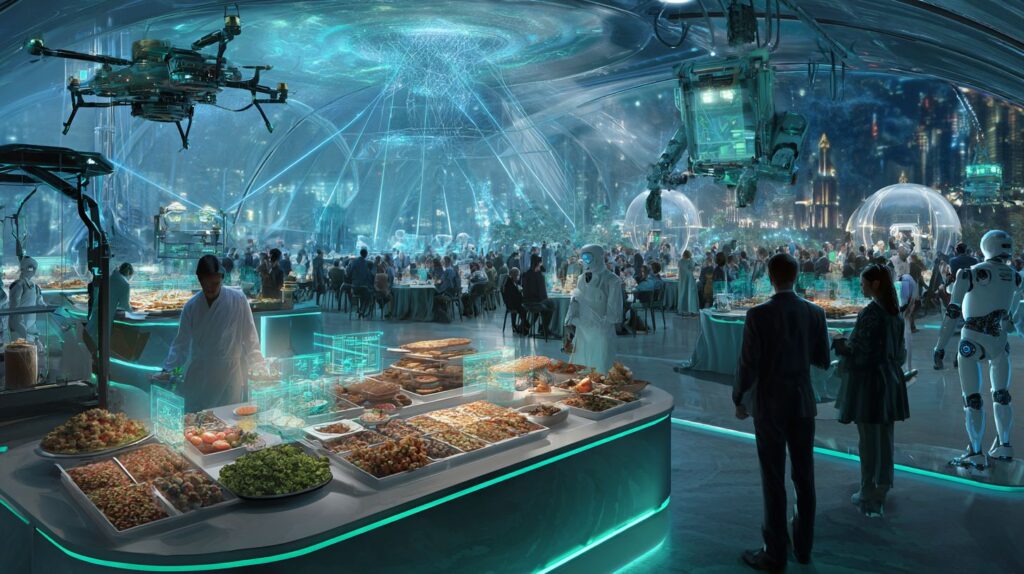
Lab-grown proteins from Upside Foods offer plant-based alternatives with 90% less land use, perfect for sustainable event menus. These innovations address key catering trends by providing high-protein options without traditional farming’s environmental toll. Blind taste tests show 85% approval rates, making them viable for live stations and customization. The WRAP study notes a 22% reduction in food waste when integrating such proteins into operations.
Challenges include high costs at $50 per kg, but scaling by companies like Aleph Farms targets $10 per kg through expanded bioreactors. Taste perception improves via flavor AI, which fine-tunes textures to mimic beef or chicken. Regulation advanced with FDA approval in 2023, supported by laws like the National Bioengineered Food Disclosure Standard. Supply chains strengthen through partnerships with Good Meat, ensuring reliable volumes for large events.
- Cost reduction: Automate cell culturing for mass production.
- Taste enhancement: Employ AI algorithms trained on consumer data.
- Regulatory compliance: Adhere to updated FDA guidelines for labeling.
- Supply scaling: Collaborate with certified producers like Good Meat.
In event catering, these proteins enable eco-friendly thematic menus and wellness-focused offerings at the Gaylord Texan in Grapevine TX. Caterers gain profit margins by reducing dependency on volatile commodity prices, while guest experiences elevate through interactive stations featuring lab-grown specialties paired with mocktails or functional beverages. This technology foreshadows a future where sustainability drives every plate served.
Blockchain Supply Chain Tracking
Blockchain ensures supply chain transparency for premium services, with traceability boosting consumer trust by 35% according to IBM Food Trust data. In data-driven catering trends, immutable records support loyalty strategies by verifying ingredient origins and sustainability claims. This technology aligns with FS/TEC 2026 sessions led by Tim Ridgely, where experts discussed blockchain’s role in event catering. Operators gain real-time visibility into farm-to-table journeys, reducing disputes over quality and enabling customization for wellness trends.
Immutable ledgers prevent tampering, allowing caterers to share QR codes with clients for instant verification. For micro-events and chef experiences, this builds trust in plant-based or functional foods options. Loyalty programs benefit as customers reward brands with verified eco-friendly practices, cutting food waste through precise portion control. FS/TEC 2026 highlighted how hyperlocal intelligence pairs with blockchain to track international flavors and craft beers sourcing, enhancing guest experience.
Integration supports digital marketing efforts, where social media posts feature scannable proofs of sustainability. Customer feedback loops improve via transparent data, aligning with Paytronix loyalty strategies. In 2026, foodservice technology like this drives operational efficiency, with QSR magazine noting gains in profit margins for those adopting early. Event planners prioritize providers offering such traceability for thematic menus and live stations.
Transparency and Traceability
Blockchain platforms like IBM Food Trust track ingredients from farm-to-table, improving profit margins by 12% through verified sustainability claims. Setup begins with deploying Hyperledger Fabric, a free tool hosted on AWS for $0.10 per hour. A sample smart contract reads: function trackIngredient(hash, origin) { ledger.add(hash, origin); }. This logs data immutably with AI automation, supporting event catering needs for interactive stations and mocktails with certified origins.
Next, integrate a QR codes scanner using VeChain tools, a process taking just 10 minutes. Guests scan codes at live stations to view journeys of plant-based dishes or premium craft beers. Olo’s Thoma Bravo-backed system, per Jeremy Theisen and Matt Wampler metrics, achieved an 18% efficiency gain by streamlining supplier verification. This reduces food waste and enables personalization for wellness retreats, where guests select based on transparent allergen data.
- Deploy Hyperledger Fabric network for ledger foundation.
- Code smart contracts to record hashes and origins automatically.
- Link mobile ordering apps with QR codes for real-time tracking.
- Analyze customer data with Paytronix for loyalty strategies tied to verified sources.
These steps enhance guest experience in micro-events, with agentic AI-powered analytics predicting demand for eco-friendly options. QSR magazine and National Restaurant Association insights confirm blockchain cuts disputes, boosting repeat business through trusted sustainability narratives.
Frequently Asked Questions at FS/TEC 2026
What is ‘Catering in 2026: Technology, Innovation & the Future of Food Service’?
‘Catering in 2026: Technology, Innovation & the Future of Food Service’ at the Gaylord Texan in Grapevine TX, September 23-25 2026, refers to the evolving landscape of the catering industry, where advancements in AI, automation, and sustainable practices are transforming how food is prepared, delivered, and served at events and businesses.
How will technology shape ‘Catering in 2026: Technology, Innovation & the Future of Food Service’?
In ‘Catering in 2026: Technology, Innovation & the Future of Food Service’, technologies like ChatGPT-driven menu planning, drone deliveries, and IoT-enabled kitchens will optimize operations, reduce waste, and personalize meals for large-scale events.
What innovations are expected in ‘Catering in 2026: Technology, Innovation & the Future of Food Service’?
Key innovations in ‘Catering in 2026: Technology, Innovation & the Future of Food Service’, as shared by Tim Ridgely, Michael Koch, and Amber Gadsby, include 3D food printing for custom dishes, blockchain for supply chain transparency, and robotic chefs that ensure precision and hygiene in high-volume catering.
How does sustainability factor into ‘Catering in 2026: Technology, Innovation & the Future of Food Service’?
Sustainability is central to ‘Catering in 2026: Technology, Innovation & the Future of Food Service’, with innovations like lab-grown proteins, zero-waste apps, and biodegradable packaging helping caterers meet eco-friendly demands while cutting costs.
What role does AI play in ‘Catering in 2026: Technology, Innovation & the Future of Food Service’?
AI in ‘Catering in 2026: Technology, Innovation & the Future of Food Service’, featuring insights from Luke Irving and Jo Lambert, will predict demand, automate inventory management, and create personalized nutrition plans, enabling caterers to serve diverse dietary needs efficiently and at scale.
What is the future outlook for ‘Catering in 2026: Technology, Innovation & the Future of Food Service’?
The future of ‘Catering in 2026: Technology, Innovation & the Future of Food Service’, backed by Angela Yochem, DoorDash, and Wingstop, promises hyper-personalized, contactless services powered by VR event previews, AR menu visualizations, and seamless integration of global cuisines through advanced logistics.