Attending an academic conference can be a game-changer for grad students looking to enhance their research careers through valuable networking opportunities and relationship-building. Navigating the complexities of these events is essential for maximizing your experience and making meaningful connections. In this article, we’ll provide essential tips for preparing for academic conferences, ensuring you’re equipped to present your work effectively and engage with fellow researchers.
Table of Contents
Key Takeaways:
- Understand the purpose of academic conferences for networking and presenting research.
- Choose the right conference by identifying relevant fields and evaluating reputation.
- Prepare for presentations with effective visuals and practice delivery.
Understanding the Purpose of Academic Conferences
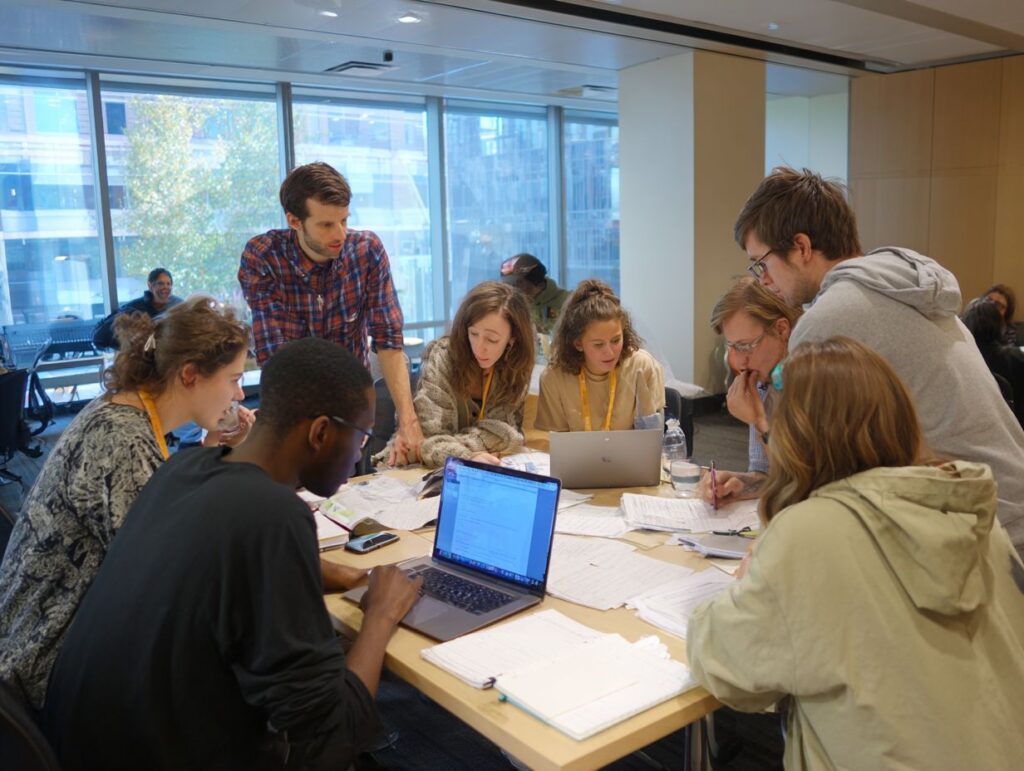
Academic conferences serve as essential platforms for graduate students to cultivate networking opportunities and present their research to peers and experts within their respective fields.
Networking Opportunities for Grad Students
Networking at academic conferences offers substantial advantages, including the opportunity to meet potential collaborators, mentors, and even prospective employers.
To enhance the effectiveness of your networking efforts, especially for introvert strategies, it is advisable to implement specific strategies. Attend targeted social events, such as welcome receptions or thematic workshops, where you are likely to encounter individuals with similar interests.
Following the event, utilize LinkedIn to connect with the individuals you met, ensuring that you personalize your message to create a memorable introduction. Additionally, prepare a concise elevator pitch regarding your research; this approach facilitates engagement and ensures that your work leaves a lasting impression.
It is important to recognize that effective networking can yield significant opportunities, as studies indicate that approximately 70% of job placements result from these valuable connections.
Presenting Research in Poster and Oral Sessions
Presenting research is a critical component of academic conferences, as it facilitates immediate feedback and fosters potential collaborations. To maximize the impact of your presentation, it is advisable to consider two primary formats.
Oral presentations typically last between 15 to 20 minutes and are ideal for detailed discussions. It is important to ensure that your slides are clear and visually appealing, utilizing tools such as PowerPoint or Canva for optimal presentation quality.
In contrast, poster sessions provide opportunities for more extended interactions, lasting from 1 to 2 hours. These sessions encourage informal engagement, so it is essential to keep your poster succinct and visually engaging to capture the audience’s interest.
Submitting a well-crafted abstract is vital, as it undergoes peer review to validate your work prior to acceptance. Engaging your audience through questions, maintaining eye contact, and fostering discussions will contribute to a memorable and impactful experience.
Choosing the Right Academic Conference
Selecting the appropriate academic conference is crucial for ensuring that your research effectively reaches the intended audience, including opportunities for panel sessions and plenary session participation, and optimizes networking opportunities.
Identifying Relevant Interdisciplinary Fields
Identifying relevant fields for a research presentation can significantly enhance the quality of interactions and potential collaborations.
To locate suitable conferences, it is advisable to review the websites of academic departments that are related to your field of study. Pay particular attention to sections dedicated to events or conferences they endorse.
Additionally, utilizing discipline-specific organizations, such as the Midwest Political Science Association (MPSA) for political science-related conferences, can be beneficial. A useful recommendation is to examine past conference proceedings, as these can offer valuable insights into common themes and topics, thereby enabling researchers to align their work more closely with current trends.
This strategic approach can substantially improve networking opportunities.
Evaluating Conference Reputation
Evaluating the reputation of a conference is essential, as it can significantly influence one’s academic visibility and networking opportunities. To effectively assess a conference’s reputation, it is advisable to consider the following factors:
- Review the keynote speakers; renowned scholars typically attract a high caliber of participants.
- Explore the publication potential; conferences associated with reputable journals are more likely to enhance one’s curriculum vitae.
- Examine the demographics of participants to ensure a diverse exchange of ideas.
Utilizing tools such as Google Scholar can assist in gauging the impact of speakers through citation counts, while platforms like ResearchGate can provide insights into participant profiles, thereby enriching one’s understanding of the conference’s intellectual landscape, particularly during panel discussions.
Learn more, Find the Best Conference for Your Research Goals.
Preparing Your Academic Conference Presentation
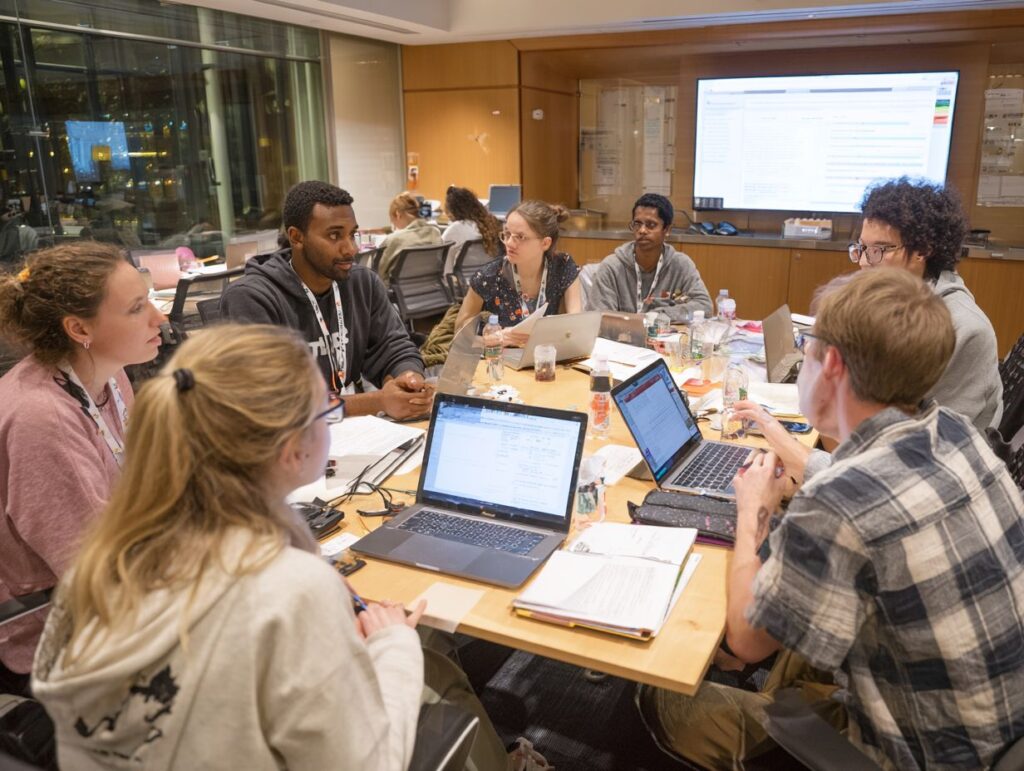
Effective preparation for presentations is essential for engaging the audience and successfully communicating research findings.
Creating Effective Visuals
Creating effective visuals can significantly enhance oral presentations by making complex information more accessible to the audience, an essential aspect of professional development.
To achieve this, one should focus on three key strategies.
- First, it is advisable to limit the amount of text on each slide, aiming for no more than six bullet points to avoid overwhelming the audience.
- Second, incorporating high-quality images and graphs that are directly relevant to the message can help clarify and reinforce key points.
- Additionally, utilizing tools such as Piktochart for creating engaging infographics can effectively summarize data visually without creating clutter.
By implementing these approaches, presentations can be both captivating and informative.
Practicing Delivery for Academic Events
Practicing your delivery significantly enhances both confidence and audience engagement during presentations. To maximize effectiveness, it is advisable to rehearse in front of friends or colleagues, soliciting constructive feedback on clarity and engagement.
Utilizing a timer to practice the presentation is also beneficial, with the objective of using approximately 80% of the allotted time to ensure sufficient opportunity for questions. Recording practice sessions with tools such as Loom allows for a thorough analysis of pacing and body language during presentations.
This approach facilitates the identification of areas needing improvement, enabling adjustments that ultimately result in a more polished and impactful delivery.
Networking Strategies in Graduate School
The development of effective networking strategies can considerably enhance one’s experience at academic conferences and contribute to the establishment of valuable professional relationships.
Engaging with Peers in Field Specific Conferences
Engaging with colleagues at conferences can facilitate valuable collaborations and relationships that enhance one’s academic career.
To optimize networking potential, it is advisable to employ specific strategies. Begin by initiating conversations during breaks or meals, as these informal settings often foster more relaxed interactions.
Participating in smaller workshops creates an environment that promotes deeper discussions, allowing for the exchange of ideas and experiences.
Once the conference concludes, it is essential to sustain the dialogue. Following up with colleagues via email, expressing gratitude for their insights and proposing future collaborations, can reinforce connections and lead to promising opportunities.
Connecting with Established Researchers through One-on-One Meetings
Establishing connections with prominent researchers can provide valuable mentorship and facilitate new opportunities in one’s academic journey.
To effectively foster these connections, it is advisable to arrange brief one-on-one meetings following their presentations at conferences or seminars.
Personalizing communication on platforms such as LinkedIn to reference their recent work can demonstrate genuine interest and engagement.
Additionally, following their research on platforms like ResearchGate not only keeps you informed about their latest publications but also allows you to comment or pose questions, thereby deepening the connection.
These proactive measures can encourage ongoing dialogue and may lead to meaningful collaborations.
Logistical Considerations for Attending Conferences
Effective logistical planning is crucial to facilitating a seamless experience at academic conferences, enabling participants to focus on networking opportunities and presentations.
Travel Arrangements for Academic Conferences
Planning travel arrangements well in advance is essential to minimize costs and enhance the overall conference experience.
- Begin by establishing a budget using a budgeting tool, such as Mint, to effectively monitor your expenses.
- Subsequently, compare various transportation options; for example, while flying may offer a quicker journey, it could be more expensive than traveling by train, particularly if reservations are made in advance.
- Additionally, seek out student discounts or travel grants from organizations relevant to your field, as these can significantly reduce your expenses.
- It is also advisable to consider accommodations that provide group rates or early booking discounts, ensuring that you secure the best deals while remaining in close proximity to the conference venue.
Accommodations for Conference Attendees
Selecting appropriate accommodations can significantly enhance the conference experience by providing both comfort and convenience for networking and attending sessions.
To optimize your stay, it is advisable to consider the following options:
- Staying at designated conference hotels offers the advantage of easy access to the venue and often includes special rates for attendees.
- For those seeking more budget-friendly alternatives, platforms such as Airbnb can offer comfortable lodging, frequently equipped with kitchen facilities to help reduce meal expenses.
It is essential to ensure that your accommodations are within walking distance of the venue or have convenient access to public transportation. This strategic planning can greatly minimize travel time and stress, allowing you to concentrate on networking and learning throughout the event.
Post-Conference Follow-Up: Continuing Your Research Interests
Post-conference follow-up is essential for preserving the relationships established during the event and for strengthening one’s professional network.
Maintaining Connections
Maintaining connections after a conference can facilitate the development of long-term professional relationships that are advantageous for one’s academic career.
To effectively cultivate these connections, it is advisable to send personalized follow-up emails within a week, referencing specific conversations or insights shared during the event, including any discussions on abstract submission or poster presentations. Utilizing LinkedIn to connect and engage with their posts will help keep your name prominent in their minds.
Furthermore, consider scheduling periodic check-ins, perhaps every few months, to share relevant articles or extend invitations to webinars. Establishing a small group or forum for past attendees to continue discussions can foster ongoing dialogue and collaboration, ultimately enhancing the impact of your networking efforts.
Frequently Asked Questions
What is an academic conference?
An academic conference is an event where students and researchers present their work, network, and discuss topics related to their field of study. It is usually organized by a professional association, university, or research institute.
Why should students and researchers attend academic conferences?
Attending an academic conference allows students and researchers to gain valuable insights, receive feedback on their work, and network with other professionals in their field through lightning talks and poster presentations. It also provides opportunities to learn about the latest research and advancements in their area of study.
How can I find academic conferences to attend?
You can search for academic conferences online, through professional associations like the Political Studies Association, EPSA, or MPSA, or university websites, or by networking with other researchers in your field. It is also helpful to ask your professors or mentors for recommendations of conferences that align with your research interests.
What should I do to prepare for an academic conference?
Before attending an academic conference, it is important to thoroughly research the conference and its presenters, prepare a presentation or poster, and have business cards and a professional resume on hand. Additionally, review the call for papers to ensure your abstract submission aligns with the conference’s themes.
It is also important to plan your travel arrangements and budget for any associated costs.
How can I make the most out of an academic conference, such as MPSA or APSA?
To make the most out of an academic conference, it is important to attend as many sessions and presentations as possible, actively participate in discussions and networking opportunities, and take notes on any important information or connections made. It is also helpful to follow up with new connections after the conference has ended.
What are some tips for presenting at an academic conference?
Some tips for presenting at an academic conference include practicing your presentation beforehand, using visual aids such as slides or posters, and engaging with your audience. It is also important to be confident and professional, and to be open to feedback and questions from the audience.