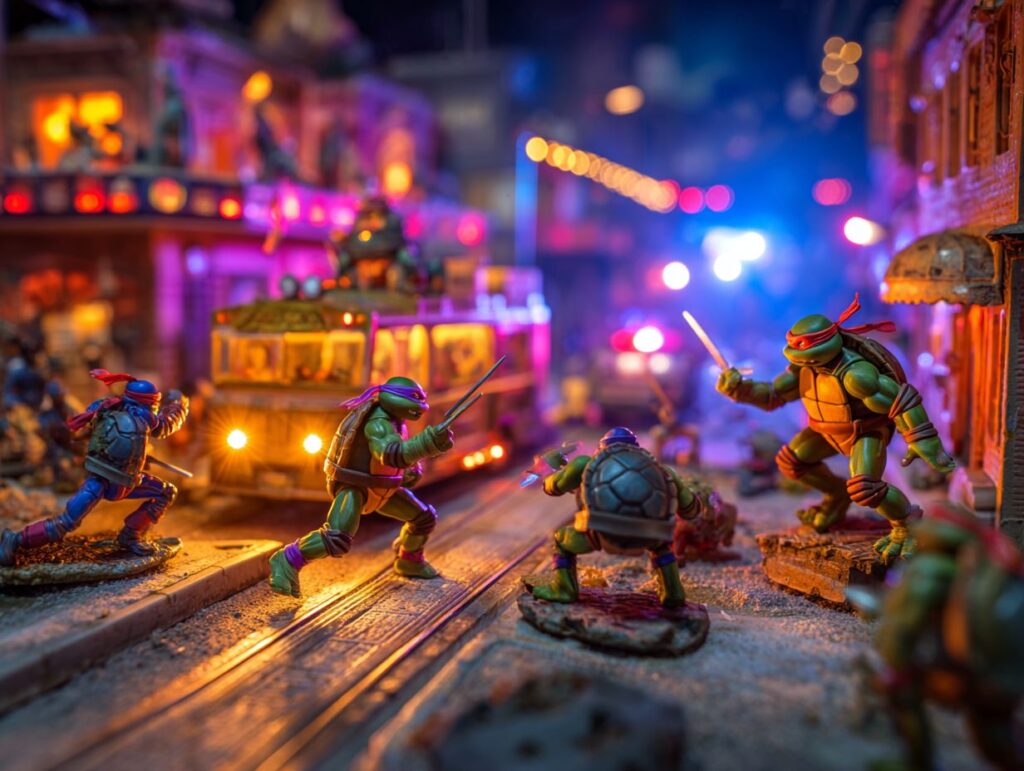
Unlock the magic of action figure photography by capturing stunning, cinematic miniature scenes that bring your favorite characters to life with the perfect lighting techniques. Whether you’re a fan of Warhammer or just starting your journey like photographer James with a Canon DSLR, this guide will teach you how to create dynamic action scenes using focus stacking techniques. Dive in to discover essential tips and tricks that will elevate your miniature photography game and help you create memorable visuals, including special effects and atmospheric effects.
Table of Contents
Key Takeaways:
- Use lighting and composition techniques to create depth and perspective in your action figure photos to evoke a cinematic feel, capturing intricate details of your toys.
- Choose action figures that fit the scale and size of your scene and consider their character traits to add depth to your photos.
- Enhance your photos with post-processing techniques, such as photo editing and exposure adjustments, and share your work on social media platforms to connect with a community of action figure photographers.
The Appeal of Miniature Scenes and Photo Composition
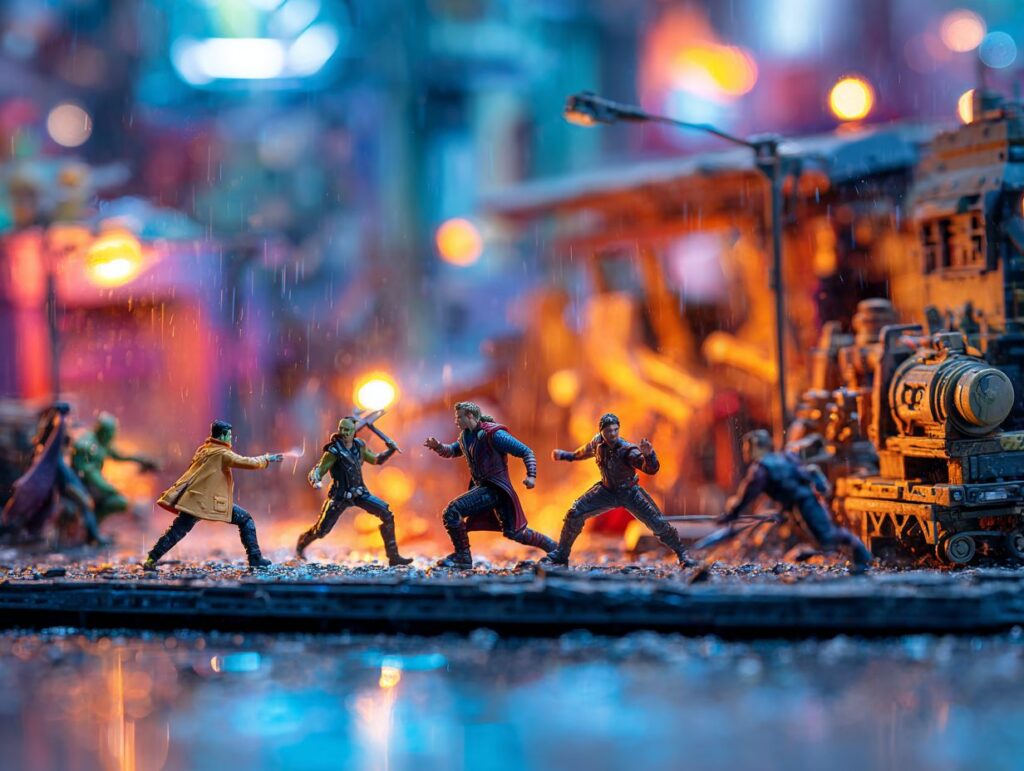
Miniature scenes effectively captivate audiences by presenting intricate details and imaginative setups, making them an ideal medium for artistic expression and showcasing tiny toys in imaginative scenes.
Artists such as Adam Savage employ these dioramas not only to showcase their craftsmanship but also to convey compelling narratives. By integrating elements such as lighting, sound, and movement, they significantly enhance viewer engagement.
The psychological allure of these miniatures stems from our inherent affinity for storytelling and nostalgia; detailed environments transport viewers to different worlds, evoking memories and igniting imagination.
Tools such as diorama-building kits from Woodland Scenics equip hobbyists with all the necessary resources to create these engaging scenes, thereby ensuring a rewarding experience for both the creator and the audience.
Essential Equipment
Equipping oneself with the appropriate tools is essential for producing high-quality action figure photographs, as these tools significantly influence the overall quality of the visuals.
Cameras and Lenses
Utilizing a DSLR camera in conjunction with a macro lens facilitates the capture of sharp, close-up details of action figures, thereby enhancing the storytelling aspect of the images.
For optimal results, it is advisable to consider models such as the Canon EOS Rebel T7, priced at $449, due to its user-friendly features. Pairing it with a Canon EF-S 60mm f/2.8 Macro lens, which is available for $349, will allow for exceptional detail at close range.
Setting the aperture to f/5.6 is recommended to achieve a desirable depth of field, ensuring that the subject is highlighted while the background exhibits a soft blur. Additionally, employing a tripod will help eliminate camera shake, providing greater stability during the shooting process.
By effectively combining these tools and settings, one can significantly elevate their macro photography to new heights.
Lighting Tools
Proper lighting is crucial in photography; utilizing a light tent or an infinity curve can effectively diffuse harsh light and create soft shadows, significantly enhancing the quality of miniature scenes.
It is advisable to pair the light tent with cost-effective LED lights or close-up filters to improve brightness and facilitate better control over the lighting conditions.
For more dramatic effects, one may experiment with ambient light by positioning the setup near a window to utilize natural sunlight while allowing the light tent to soften shadows.
Alternatively, a simple desk lamp can be employed, placed at various angles to create intriguing shadow patterns.
By combining these techniques, photographers can elevate their work, resulting in more dynamic and visually captivating miniature scenes that are likely to draw attention.
Tripods and Stabilizers
Investing in a high-quality tripod, such as the Manfrotto Compact Action tripod priced at $70, is essential for ensuring camera stability. This investment facilitates the capture of sharp images, even in low-light conditions.
Additionally, utilizing a stabilizer like the DJI Ronin-S, available for $749, can greatly enhance dynamic shots during video filming. This device effectively smooths out movements, resulting in professional and visually appealing footage.
For travel photography, it is advisable to consider a lightweight solution such as the Joby GorillaPod, priced at $49. This versatile tool can be wrapped around various surfaces, allowing for unique angles and perspectives.
Incorporating these stabilizers, along with a tripod, can significantly improve the quality of both photographs and videos, thereby fostering creativity without sacrificing stability.
Choosing Your Action Figures
Selecting the appropriate action figures is essential, as they serve as the focal point of miniature scenes, significantly contributing to both the narrative and visual appeal of the composition.
Character Selection
Selecting iconic characters, such as those from Warhammer or Lego, can significantly enhance viewer engagement and the potential for compelling storytelling. These franchises are characterized by complex characters that resonate with audiences due to their rich backstories and distinctive attributes.
For instance, diving into the morally ambiguous nature of a Warhammer character like Abaddon the Despoiler can evoke profound themes of power and sacrifice. Likewise, the versatility of Lego provides an opportunity to reimagine lesser-known characters, such as Benny from ‘The Lego Movie’, who represents optimism and creativity.
Experimenting with these characteristics can deepen the narrative impact, fostering unique story arcs that captivate audiences and promote emotional connections.
Scale and Size Considerations
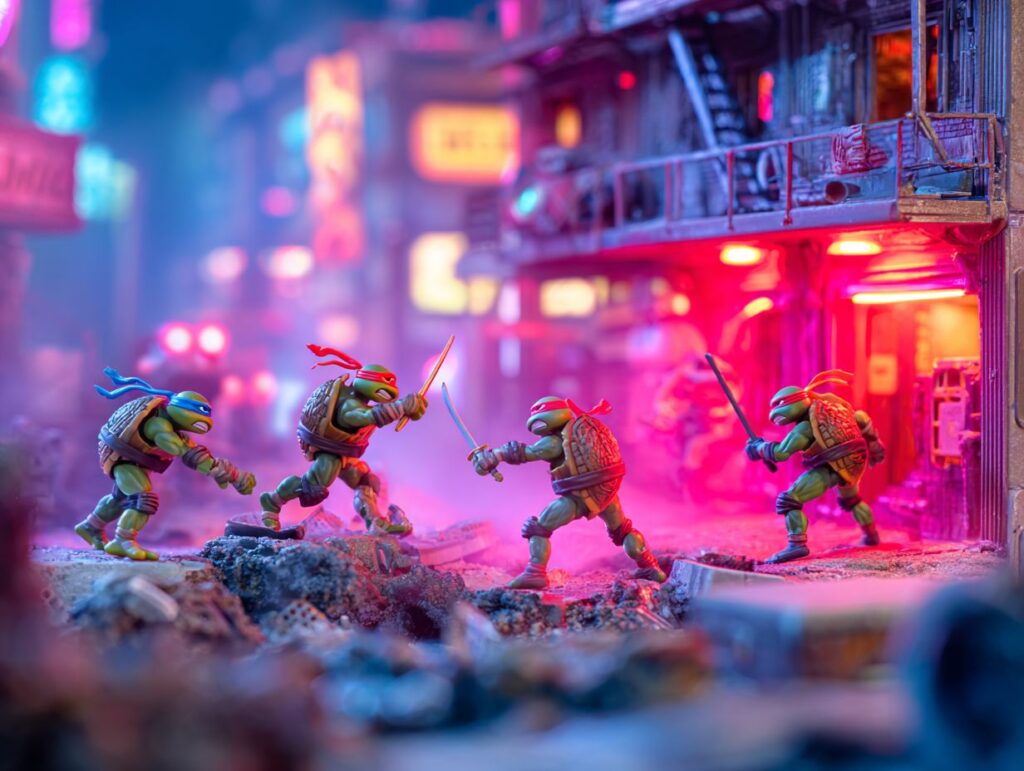
Understanding scale is essential; utilizing figures of similar sizes ensures coherence within scenes, enhancing their believability and appeal.
To achieve this, it is advisable to adopt a consistent scale for figures, such as 1:12 for miniatures. This ratio fosters a harmonious environment, enabling effective showcase of details.
While it is acceptable to incorporate varying scales for creative diversity, it is important to maintain a consistent visual focal point at a primary scale, allowing supplementary figures, such as animals or vehicles, to differ slightly.
Utilizing tools such as 3D modeling software can facilitate the visualization of how elements interact, ensuring that the overall composition remains both captivating and logical.
Setting the Scene
Establishing an engaging environment is essential for action figure photography, as it provides the backdrop for the narrative and significantly enhances visual interest.
Backgrounds and Props
Utilizing diverse backgrounds-such as cardboard sets or textured fabrics-can significantly transform the mood of your scenes, adding depth to your photography. For example, a painted cardboard backdrop in warm hues can foster an inviting atmosphere, while a natural landscape can impart authenticity to outdoor shoots.
To further enhance your setup, it is advisable to consider incorporating props such as a smoke machine or fireworks for dramatic effects:
- Smoke machines (starting at $30) for dramatic effects
- Fairy lights (approximately $15) for a whimsical touch
Additionally, sourcing textured fabrics from local craft stores can expand your options while keeping costs for small projects under $50. The strategic integration of these elements can substantially elevate the quality of your photography.
Creating Depth and Perspective
Employing techniques to create depth in photography, such as layering foreground and background elements, enhances the dimension of images, rendering them more dynamic.
To accomplish this, it is advisable to experiment with aperture settings; utilizing a wide aperture (for instance, f/2.8) produces a shallow depth of field, which effectively blurs the background and isolates the subject.
Conversely, employing a narrower aperture (such as f/8) sharpens a greater portion of the image, thereby enhancing the layered effect.
Additionally, considering the use of a lens with a longer focal length, such as an 85mm prime lens, can compress the background and create a visually appealing bokeh, enhancing the effects in macro photos.
These deliberate choices will not only improve focus but also elevate the storytelling aspect through visual contrast.
Composition Techniques
Mastering composition techniques is crucial for capturing compelling images that resonate with viewers and effectively communicate your narrative.
Framing Your Shots
Effective framing is essential for drawing attention to your subject and can transform an ordinary shot into an extraordinary one by utilizing techniques such as foreground interest. To frame a shot effectively, one should consider the following techniques:
- Incorporate elements in the foreground, such as leaves or branches, to create depth. Renowned photographer Ansel Adams frequently employed this method to enhance his landscapes.
- Experiment with various angles; shooting from a low vantage point can emphasize the subject’s size, as demonstrated in the portrait photography of Annie Leibovitz.
- Utilize natural frames such as doorways or windows, which serve to isolate your subject while also providing context.
By practicing these techniques, individuals can significantly enhance their photography skills.
Using Rule of Thirds
Utilizing the rule of thirds involves partitioning the frame into thirds, which results in a more balanced and engaging composition that effectively captivates viewers.
To implement this technique in toy photography, especially when capturing Warhammer models, one should envision the image as being divided into nine equal sections by two vertical and two horizontal lines. It is advisable to position key elements, such as the toy’s face or action pose, at the intersections of these lines to establish natural points of interest.
For instance, when photographing a toy robot, positioning its eyes along the top horizontal line allows the remainder of the toy to align with the vertical lines. This method not only enhances focus but also creates dynamic visuals that attract attention, ultimately making the photographs more distinctive.
Lighting Techniques
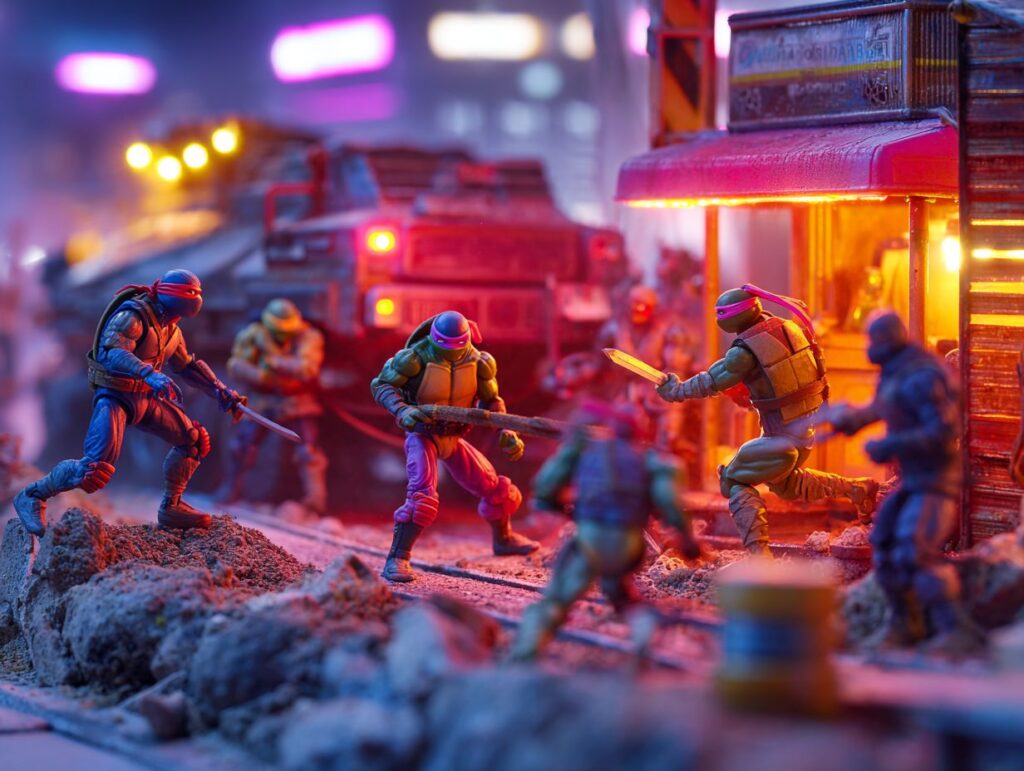
Lighting techniques play a crucial role in influencing the mood and overall impact of action figure photographs, often enhancing creative possibilities. Therefore, it is imperative to understand both natural and artificial light sources.
Natural vs. Artificial Light in Close-up Photography
Natural light is often favored for its softness and warmth; however, artificial lighting offers greater precision and control over the illumination of a scene.
In the context of action figure photography, natural light is most effective during the golden hours-early mornings or late afternoons-when soft shadows enhance the details of the figures. It is advisable to position the setup near large windows to optimize the available light.
On the other hand, for indoor photography or when consistency is required regardless of weather conditions, utilizing adjustable LED lights is recommended, especially in practicals involving toy soldiers or mini models. These lights allow for specific adjustments in intensity and color temperature, ensuring that the figures are prominently showcased.
Furthermore, employing a light diffuser can help soften the shadows produced by artificial lighting setups, effectively mimicking the qualities of natural light while maintaining control over exposure, crucial for cinematic shots.
Creating Mood with Shadows and Shutter Speed Adjustments
The strategic use of shadows can significantly enhance the dramatic effects in photography, thereby enriching the storytelling aspect and adding depth to the scenes.
To effectively harness shadows, it is advisable to utilize a diffuser to soften the light and create more subtle transitions, an essential technique in shooting techniques.
For instance, employing a white sheet or a softbox can substantially alter the quality of the shadows, contributing to a more ethereal appearance.
Furthermore, adjusting the angle and distance of the light source can amplify the intensity of the shadows; positioning a lamp closer to the subject will result in sharper, more defined shadows.
Capturing before-and-after images will effectively illustrate these techniques, demonstrating the transformative impact that shadows can have in photography.
Post-Processing Tips for Camera Confidence
Post-processing is a crucial aspect of action figure photography, as it enables the enhancement and refinement of images to achieve a polished final product.
Editing Software Overview and Digital Darkroom Tricks
Popular editing software such as Adobe Lightroom and Affinity Photo (priced at $50) can significantly enhance image quality by providing robust tools for color correction and retouching, pivotal for photo tutorial success.
Along with these options, Capture One Pro (available for $299) is recommended for advanced tethering capabilities and customizable workspaces, while GIMP, which is free, offers a comprehensive range of features, ideal for beginners guide exploration.
When selecting software, it is important to evaluate the volume and complexity of your editing tasks. For instance, Lightroom is particularly suited for photographers who prioritize batch processing, whereas Affinity Photo is more appropriate for those requiring detailed retouching. Capture One is the preferred choice for professional studio environments.
It is advisable to take advantage of free trials to assess the interface and functionality of the software before making a commitment.
Enhancing Colors and Effects
Enhancing colors and applying effects during post-processing can significantly elevate a good image to an extraordinary level, making it more captivating and visually appealing.
To achieve these enhancements, one should begin with color correction. Utilizing Adobe Lightroom’s ‘Basic’ panel allows for adjustments in exposure and contrast, ensuring a well-balanced image.
Following this, it is advisable to fine-tune saturation; for example, increasing vibrancy while maintaining the natural appearance of colors can result in a striking visual without the risk of oversaturation.
Subsequently, experimenting with filters-such as applying presets like ‘Warm Sunset’ in VSCO-can effectively convey a specific mood.
It is important to always save edits as copies to preserve the original files for future modifications, thereby ensuring versatility in the creative process.
Sharing Your Work on Social Media as a Canon or Nikon User
Sharing action figure photography on social media platforms can greatly enhance visibility and facilitate connections with individuals who share similar interests and passions.
Social Media Platforms for Digital Camera Magazine Readers
Utilizing platforms such as Instagram and Facebook can significantly enhance the visibility of your work, thereby increasing engagement and feedback on your creative endeavors, as demonstrated by personalities like Adam Savage and Johnny Wu.
To maximize your impact on these platforms, it is advisable to post during peak times-typically between 11 AM and 1 PM on weekdays, and from 9 AM to 1 PM on weekends.
Employing targeted hashtags, such as #PhotographyLovers or #InstaDaily, can help you reach specific audiences effectively. Furthermore, regular interaction with followers is essential; responding to comments and direct messages in a timely manner fosters a sense of community and engagement.
For example, photographer Sarah Smith successfully grew her following by 150% within six months by implementing a consistent posting schedule and actively engaging with her audience. This illustrates how strategic approaches can lead to measurable results.
Building a Community and Collaborating with James
Building a community around photography can provide essential support, encouragement, and opportunities for collaboration among enthusiasts.
To cultivate meaningful connections, one might consider joining online photography forums such as Flickr or 500px, where individuals can share their work and receive constructive feedback.
Engaging in photography challenges on platforms like Instagram can further enhance interaction with peers while effectively showcasing one’s skills.
Attending conventions such as Photokina or participating in local meetups can facilitate significant collaborations.
For instance, certain photographers have successfully merged their expertise in landscape and portrait photography, resulting in unique projects that increase visibility and open new creative avenues.
These interactions not only enrich the photographic experience but also expand one’s professional network.
Checkout Photographer Brings Action Figures to Life as Cinematic Masterpieces.
Frequently Asked Questions and Practical Tips for Lego Enthusiasts
What is action figure photography?
Action figure photography is a form of art that involves taking photographs of action figures in various poses and settings to create miniature scenes. It is a popular hobby among toy collectors and photographers alike, often featured in PhotoPlus: The Canon Magazine and N-Photo: The Nikon Magazine.
What makes action figure photography different from regular toy photography?
Action figure photography focuses on creating dynamic and realistic shots, often mimicking scenes from movies or comic books. It requires attention to detail and creativity to bring the action figures to life in a miniature world.
How can I create cinematic miniature scenes with action figure photography?
To create cinematic miniature scenes, you will need to have a good understanding of composition and lighting. You can also use props and backgrounds to add depth and realism to your photos. It’s important to experiment and have fun with different angles and poses to bring your action figures to life.
What equipment do I need for action figure photography?
To get started with action figure photography, you will need a camera, action figures, and a tripod. You can also use additional equipment such as lighting, backdrops, and props to enhance the quality of your photos. It’s also useful to have editing software to perfect your shots.
Can I use any action figure for photography?
While you can use any action figure for photography, it’s best to choose figures with articulation and interchangeable parts to achieve more dynamic poses. You can also consider the scale of the figures in relation to the props and backgrounds you will be using to create a realistic perspective.
What are some tips for creating a cinematic miniature scene in action figure photography?
To create a cinematic miniature scene, it’s important to pay attention to details such as lighting, composition, and poses. You can also use depth of field to focus on specific elements in the photo and add a sense of depth. Don’t be afraid to experiment and have fun with your photos to bring your action figures to life in a cinematic way.