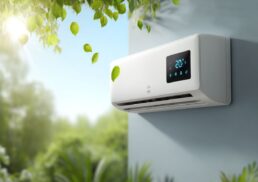
Choosing the right air conditioner for your home is essential for optimal comfort, indoor climate, and energy efficiency. With various AC types, sizes, and features available, understanding your specific cooling capacity and BTU requirements is crucial. Brands like American Standard offer a range of HVAC solutions tailored to fit any budget, ensuring an ideal comfort level for your home. In this guide, we’ll explore how to determine the ideal air conditioning system, including BTU requirements and key features to consider, ensuring you make an informed investment for years to come.
Table of Contents
Key Takeaways:
- Choose the right type of air conditioner for your specific needs, whether it’s central, window, or portable.
- Calculate the appropriate size for your home based on factors such as square footage and climate.
- Consider important features like energy efficiency, noise levels, and smart technology integration when choosing an air conditioner.
Understanding Air Conditioner Types Including Ductless Systems
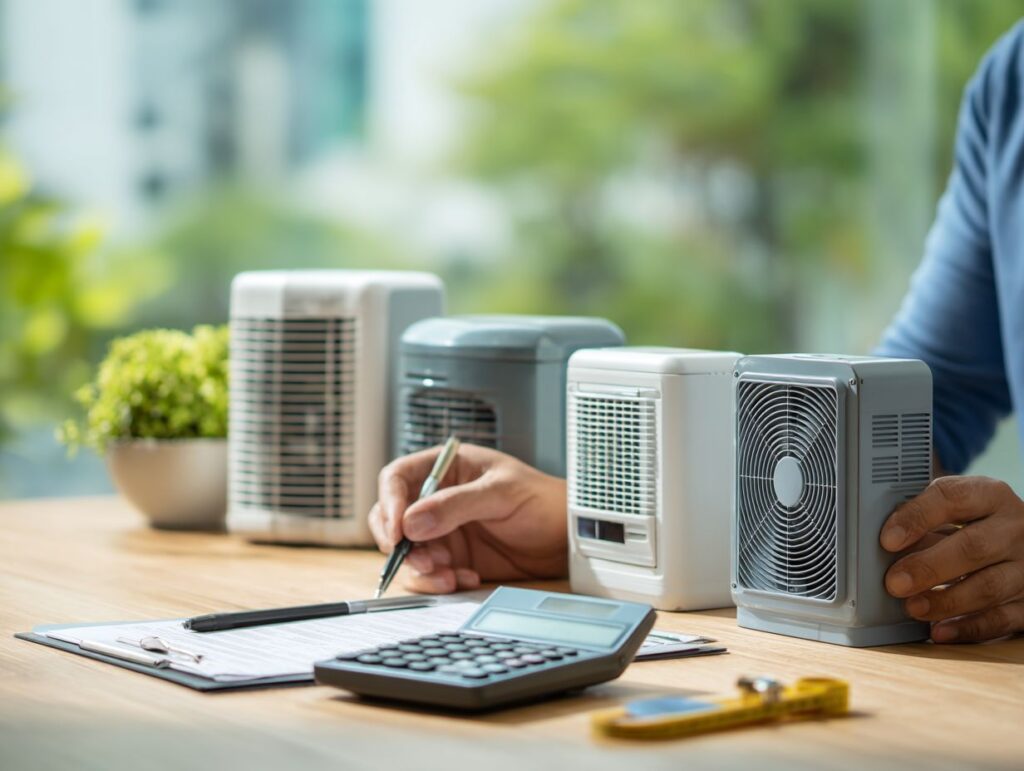
There are several types of air conditioners, including ducted systems and ductless AC, each specifically designed to address distinct cooling requirements and preferences.
Therefore, it is crucial to comprehend the differences among them.
Central Air Conditioning and Packaged Air Conditioner
Central air conditioning systems offer consistent cooling for entire homes and necessitate the installation of ductwork along with an outdoor unit. These systems are particularly effective for larger spaces, as they facilitate the even distribution of cooler air throughout the residence.
The initial costs for such systems typically range from $3,500 to $7,000, influenced by factors such as the system’s size, efficiency rating, and the complexity of the installation process. It is essential to assess variables such as insulation quality and home layout; residences with multiple stories or extensive square footage may require more robust systems or zoning options.
Engaging with a licensed HVAC contractor and professional installation company is advisable to ensure the selection of an appropriate system that maximizes both comfort and system efficiency.
Window Units and Split-System Air Conditioner
Window units and split-system air conditioners present an affordable and straightforward solution for cooling individual rooms, making them a favorable option for those seeking minimal modifications to their living spaces.
The price range for these units typically falls between $150 and $600, varying based on features and cooling capacity. When selecting an appropriate unit, it is essential to consider the BTU (British Thermal Unit) ratings, which indicate the area the unit can effectively cool.
- Consider installation process and related energy audit.
- For instance, a 5,000 BTU unit is suitable for small bedrooms,
- whereas a 12,000 BTU model is more appropriate for larger living areas.
Additionally, it is advisable to examine the SEER (Seasonal Energy Efficiency Ratio) rating to ensure energy efficiency, as higher ratings correlate with reduced energy costs over time. Opting for a unit that includes a programmable thermostat can further enhance both comfort and energy savings.
Portable Air Conditioners and Tonnage Rating
Portable air conditioners provide flexibility and ease of mobility, enabling users to cool various rooms as needed. These units typically range in price from $250 to $700, rendering them a more cost-effective alternative to central air conditioning systems.
The setup process is generally straightforward; most models require only a window kit for exhaust. However, potential drawbacks include reduced cooling efficiency and elevated noise levels, which can reach up to 60 decibels, potentially causing disturbances in quieter environments.
To optimize their use, it is advisable to consider models equipped with adjustable fan speeds and programmable timers, ensuring that they are both effective and suitable for individual lifestyles.
Determining the Right Size and Energy Usage
Selecting the appropriate size air conditioner is crucial for achieving optimal cooling, energy usage, and efficiency, thereby preventing energy waste and discomfort.
Calculating BTUs Needed and Airflow Considerations
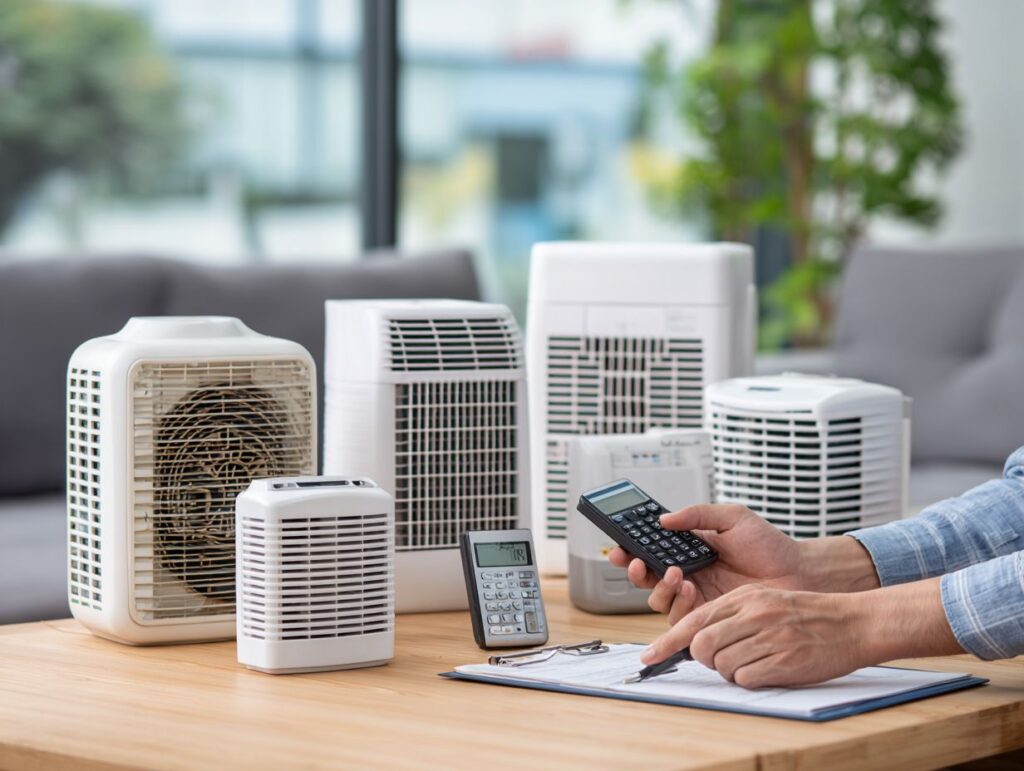
The cooling capacity required for an air conditioner is measured in BTUs (British Thermal Units), which is essential for determining the appropriate size of the unit.
To calculate the necessary BTUs, one should begin by measuring the square footage of the room. A commonly used guideline is to allocate 20 BTUs for every square foot. For instance, a room measuring 800 square feet would require approximately 16,000 BTUs (calculated as 800 x 20).
For a more precise calculation, it is important to take into account additional factors such as ceiling height, sun exposure, and the number of occupants.
Utilizing online BTU calculators, available on platforms such as Home Depot or ENERGY STAR’s website, can further enhance the accuracy of your estimate by requesting specific details regarding your environment and energy audit results.
Factors Affecting Size Requirements and Comfort Level
Several factors influence the size requirements of an HVAC system, including insulation quality, the orientation of the home, and the number of windows present, all contributing to the overall comfort level.
To accurately determine the appropriate size for your HVAC system, it is essential to conduct a Manual J calculation, which takes these variables into account. This process involves measuring the square footage of the home, assessing the R-value of the insulation, and identifying the thermal characteristics of the windows.
For instance, a residence equipped with double-pane windows, effective insulation, and advantageous orientation will necessitate less heating capacity compared to a home featuring single-pane windows and inadequate insulation.
Utilizing tools such as HVAC Load Explorer or Wrightsoft can facilitate this calculation, ensuring that the HVAC system is neither oversized nor undersized, thus optimizing efficiency.
Learn more, Understanding HVAC System Sizing.
Key Features to Consider Including Customer Care
When selecting an air conditioner, several features play a crucial role in determining performance, comfort, customer care, and overall costs.
Therefore, making informed decisions is essential.
Energy Efficiency Ratings and Operating Costs
Energy efficiency ratings, such as the Seasonal Energy Efficiency Ratio (SEER), provide valuable insights regarding the energy consumption and operating costs of air conditioning units. The SEER rating is determined by dividing the cooling output during an average cooling season by the energy consumed in watt-hours. Units with higher SEER ratings, specifically 16 or above, can lead to substantial savings on energy expenses.
For example, replacing an older air conditioning unit with a SEER 10 rating with a more efficient model rated at SEER 18 could enable homeowners to achieve savings of approximately 30-50% on cooling costs.
Additionally, Energy Star-certified units typically feature enhanced capabilities and warranties, which contribute to their long-term efficiency and reliability.
Opting for a higher-rated unit not only helps decrease energy expenditures but also plays a significant role in promoting environmental sustainability.
Noise Levels and Maintenance Tips
Noise levels in air conditioners can significantly affect indoor comfort, making it crucial to take sound ratings into consideration when selecting a unit. For optimal comfort, it is advisable to choose models with noise levels under 50 dB, as these substantially minimize disruption.
For example, the LG LW8016ER operates at a relatively quiet 52 dB, making it suitable for small rooms, while the Mitsubishi MZ-FH12NA, with a rating of just 46 dB, is ideal for larger spaces.
Utilizing resources such as Consumer Reports can assist in identifying quieter options based on user reviews and expert evaluations. It is also important to take into account the size of the room and the frequency of use; investing in a slightly more expensive model may provide enhanced peace and tranquility within the home.
Smart Technology Integration and Temperature Control

The integration of smart technology in air conditioners allows homeowners to manage temperature control and energy efficiency remotely, thereby improving comfort and promoting energy savings.
For instance, the Ecobee SmartThermostat enables users to adjust settings via its application, establish schedules for optimal efficiency, and seamlessly integrates with Alexa for voice control.
Similarly, the LG Smart Wi-Fi Enabled Air Conditioner provides comparable features, along with energy monitoring capabilities, ensuring users remain informed about their energy consumption.
When selecting a unit, it is important to consider the existing smart home ecosystem. For those who primarily use Google Assistant, the Midea Air Conditioner presents a compatible and cost-effective solution, offering significant flexibility in managing indoor climate control.
Budgeting for Your Air Conditioner and Installation Process
Budgeting for an air conditioning unit requires a comprehensive understanding of both initial investment and recurring expenses, including the installation process, to ensure financial viability and operational efficiency.
Initial Purchase Costs
Initial purchase costs for air conditioning units exhibit considerable variation depending on the type of system selected. Central air conditioning systems typically range from $3,500 to $7,000, whereas window units are available at a lower price point, generally between $150 and $600.
Along with the initial purchase costs, it is essential to factor in installation fees. For central air systems, installation costs usually range from $500 to $1,500, while the setup for window units may cost between $100 and $300.
Many utility companies provide rebates for energy-efficient models. For example, a rebate of $300 may be available for a qualified central air conditioning system, effectively reducing the overall expenditure.
When budgeting for air conditioning, it is important to account for ongoing maintenance costs, which can average around $150 annually for routine inspections. A thorough evaluation of both upfront and long-term expenses will facilitate the identification of the most suitable solution for individual needs.
Long-term Operating Costs and BTU Requirements
Long-term operating costs, including energy consumption and maintenance, significantly contribute to the total ownership costs throughout the lifespan of an air conditioning unit.
To mitigate these expenses, it is advisable to select an air conditioner with a higher Seasonal Energy Efficiency Ratio (SEER) rating, as units with a rating above 16 SEER can substantially reduce energy bills and comply with Energy Star standards.
Regular maintenance is essential; it is recommended to schedule annual professional inspections to clean the coils and assess refrigerant levels. Additionally, replacing air filters every one to three months can enhance the unit’s efficiency.
Furthermore, the implementation of a programmable thermostat can effectively manage cooling schedules, ensuring the unit operates only when needed, which may result in annual energy savings of up to 15%.
Installation Considerations and Manual J Calculation
Proper installation is essential for the optimal performance and efficiency of an air conditioning system, including ductless AC units, often necessitating the expertise of professionals, particularly for complex systems.
To ensure a successful installation, it is advisable to select a reputable company that possesses experience with the specific type of system you intend to install. It is important to verify that the chosen company conducts a comprehensive site assessment to evaluate the necessary insulation, as this can significantly impact overall efficiency.
Additionally, it is imperative to understand the distinctions between ducted and ductless systems: ducted systems tend to be more efficient for cooling an entire home, while ductless systems provide greater flexibility for individual rooms.
Finally, it is crucial to confirm that the installers adhere to local codes and manufacturer guidelines, as compliance may influence warranty eligibility.
Maintenance and Care: American Standard and Goldilocks Principle
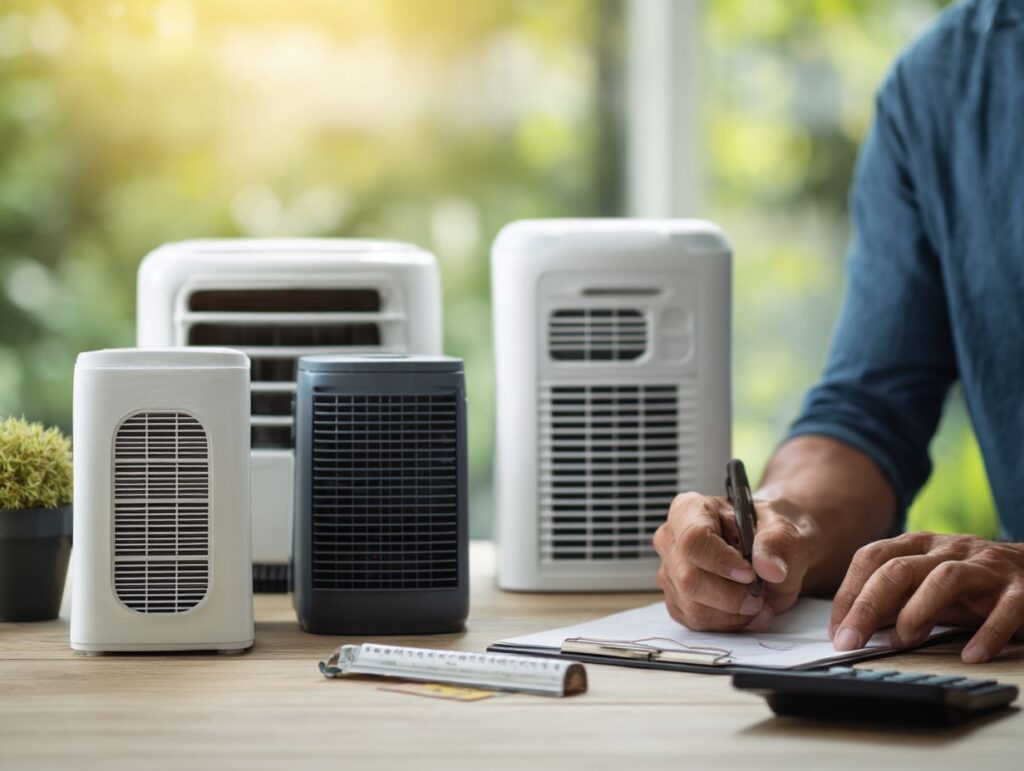
Regular maintenance is crucial for ensuring the longevity and efficiency of an air conditioning unit, thereby helping to prevent costly repairs. To maintain optimal performance, the following actionable recommendations are advised:
- Inspect refrigerant lines for signs of wear and tear.
- Change air filters every 1 to 3 months to enhance airflow and improve indoor air quality.
- Schedule seasonal check-ups with a qualified professional to inspect refrigerant levels and assess the overall functionality of the system.
- Clean the condenser coils and air handlers annually, as the accumulation of dirt can significantly diminish efficiency.
By dedicating just a few hours each year to these maintenance tasks, such as a maintenance check by Environment Masters in Jackson, MS, not only will the system operate more effectively, but there will also be potential savings on energy bills and an extension of its operational lifespan.
Frequently Asked Questions
1. What factors should I consider when choosing the right air conditioner for my home?
When choosing an air conditioner, you should consider the size of your home, the features you need, and the cost of the unit. These factors will help you determine the most suitable air conditioner for your needs.
2. How do I determine the appropriate size of air conditioner for my home?
The size of your air conditioner depends on the size of your home and the climate of your location. You can use a BTU calculator or consult with a professional to determine the appropriate size for your home.
3. What are some important features to look for in an air conditioner?
Some important features to consider are energy efficiency, programmable thermostat, air purifying filters, and noise level. These features will not only provide comfort but also help save on energy costs.
4. Is it better to purchase a central air conditioning unit or individual units for each room?
It depends on your home’s layout and your cooling needs. A central air conditioner is more suitable for larger homes and provides uniform cooling, while individual units are better for smaller homes and allow for different temperature settings in different rooms.
5. How does the cost of an air conditioner impact my decision?
The cost of an air conditioner includes the initial purchase price as well as ongoing maintenance and energy costs. It is important to consider all of these factors to determine the most cost-effective option for your budget.
6. Are there any energy-saving tips to keep in mind when using an air conditioner?
To save on energy costs, make sure to keep your air conditioner well-maintained, close windows and doors while the unit is running, and turn off the unit when not in use. You can also opt for an energy-efficient model with features like a programmable thermostat.