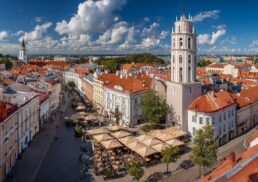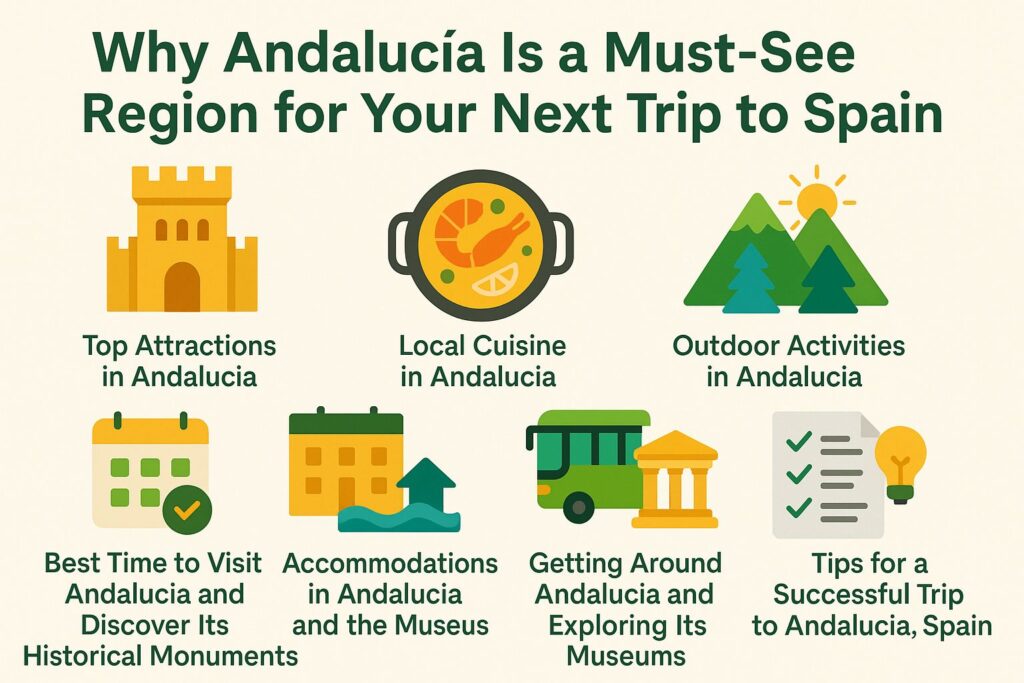
Andaluca, a captivating region in southern Spain, attracts travelers with its profound history, vibrant culture, and breathtaking landscapes that include the impressive Sierra Nevada mountains. From the architectural marvels of its renowned cities to the exquisite flavors of local cuisine enriched by local olives and olive oil, Andaluca presents a distinctive blend of experiences that engage the senses. Whether one is exploring its sun-drenched beaches of the Costa del Sol, savoring traditional dishes like tapas, or immersing themselves in local customs such as flamenco, this travel guide will provide valuable insights into the top attractions, outdoor activities, and practical advice for maximizing the experience in this enchanting destination
Key Takeaways:
- Experience the rich history and culture of Andaluca: Located in southern Spain, this region boasts top attractions and unique cultural experiences that will leave you in awe.
- Indulge in the delicious local cuisine: From traditional dishes to top restaurants, Andaluca offers a variety of flavors to please every palate. Don’t miss out on trying the famous tapas!
- Discover the great outdoors in Andaluca: With its stunning beaches, hiking trails, and adventure sports, this region is a must-visit for outdoor enthusiasts. Plan your trip based on the best time to visit for ideal weather and seasonal events.
Geographical Location and History
Andalusia, situated in the southern region of Spain, presents a rich tapestry of history shaped by its geographical positioning between the Mediterranean Sea and the Sierra Nevada mountains, offering stunning landscapes perfect for hiking. Renowned for its stunning landscapes and historical sites, this region has been influenced by various cultures, notably the Moorish Kingdoms, which have left a lasting impact on its architecture, traditions, and gastronomy. For context, an in-depth article on Wikipedia explores the historical significance of Al-Andalus, the Islamic state that ruled the region for several centuries.
The interplay of nature, history, and culture renders Andalusia a captivating destination for travelers seeking to explore its diverse heritage.
The breathtaking beaches along the Costa del Sol offer a picturesque contrast to the rugged peaks of the Sierra Nevada, providing a variety of outdoor experiences like hiking trails that attract tourists throughout the year. Plus its natural beauty, Andalusia is distinguished by its historical landmarks, such as the intricate Alhambra palace and the iconic Mezquita of Crdoba, each of which narrates stories that reflect the region’s rich past.
Agriculture flourishes in the fertile plains, yielding olives, grapes, and citrus fruits, which significantly contribute to the local cuisine and economy. This vibrant interplay between landscape and legacy ensures that visitors depart with a profound appreciation for Andalusia’s unique charm.
Top Attractions in Andaluca
Andaluca represents a remarkable destination that highlights its rich cultural heritage, exquisite architecture, and natural beauty, rendering it essential for travelers to Spain.
The region is home to the majestic Alhambra in Granada, a UNESCO World Heritage site, as well as the vibrant streets of Seville, which is known for its Alczar and lively public transportation options. Each city provides distinctive experiences that reflect the region’s historical significance. For those interested in discovering more about Spain’s UNESCO sites, a detailed guide by Hotels.com offers insightful information.
The Costa del Sol, renowned for its beautiful beaches and lively atmosphere, complements the historical allure of Crdoba and the artistic achievements found in Mlaga, establishing Andaluca as a central hub for premier tourist attractions.
Must-See Cities and Landmarks
When visiting Andaluca, several cities and landmarks emerge as essential destinations, each imbued with historical and cultural significance. Seville, renowned for its impressive Alczar and vibrant flamenco scene, draws visitors with its captivating allure. Granada enchants with the majestic Alhambra and its rich Moorish heritage. Crdoba’s historic mosque-cathedral exemplifies a harmonious blend of cultures, while Mlaga’s Alcazaba provides breathtaking views alongside insights into the region’s Roman ruins. In addition, the coastal cities of Cdiz and Ronda offer a unique charm that enhances the overall Andaluca experience.
Each destination presents a tapestry of experiences that highlights the region’s diverse history and traditions.
In Seville, the annual Feria de Abril stands out as a colorful festival brimming with music and dance, exemplifying the local enthusiasm for celebration.
Granada, featuring stunning palaces and gardens, invites travelers to explore its winding streets and immerse themselves in the echoes of history.
Crdoba, celebrated for its remarkable architecture, hosts the lively patios festival, showcasing the vibrant blossoms of traditional courtyard gardens.
Mlaga, recognized not only for its historic fortress but also as the birthplace of Pablo Picasso, appeals to art enthusiasts eager to delve into its rich artistic heritage.
Meanwhile, Cdiz, characterized by its lively Carnival and picturesque coastline, offers a distinctive blend of history and modernity that reflects the essence of Andaluca. Ronda’s dramatic cliffs and ancient bridges narrate tales of romance and adventure that resonate through time.
Unique Cultural Experiences
Andalusia presents a vibrant tapestry of unique cultural experiences, where traditions such as flamenco dancing and bullfighting highlight the region’s rich heritage. This southern Spanish region is renowned for its passionate flamenco performances, celebrated in various festivals throughout the year, notably the famous Feria de Abril in Seville. For those interested in a comprehensive overview, this analysis by Smithsonian Magazine covers the rich and complex history of flamenco, deepening the understanding of its cultural significance.
The local customs, enriched by the influences of the Moorish Kingdoms, reflect a profound respect for history and community, inviting visitors to immerse themselves in the lively festivals and artistic expressions that have received UNESCO recognition, such as those held in the urban centers and rural areas alike.
From the breathtaking landscapes of the Alhambra to the bustling streets of Crdoba during the Festival of Patios, each city offers a distinct perspective on the region’s cultural fabric. The history of bullfighting, often regarded as a controversial yet deeply rooted tradition, resonates with the spirit of Andaluca, providing insight into the intricate interplay between culture and sport.
While enjoying traditional dishes such as tapas and gazpacho, visitors can engage with the vibrant gastronomy that enhances the energetic atmosphere, creating memorable experiences in this enchanting region of Spain, especially during the ideal weather of spring and autumn.
Local Cuisine in Andaluca
The local cuisine in Andaluca presents a remarkable exploration of flavors, highlighting its rich gastronomy shaped by Mediterranean traditions and local agricultural practices.
Renowned for its tapas, which allow for a sampling of diverse dishes, Andalusian cuisine prominently features ingredients such as fresh olives, high-quality olive oil, and exceptional wines that exemplify the region’s agricultural abundance.
From the hearty gazpacho of Crdoba to the seafood specialties of Mlaga, each dish conveys a narrative of the area’s culinary heritage and cultural importance.
Traditional Dishes and Ingredients
Traditional Andalusian dishes exemplify a rich amalgamation of flavors and ingredients, with tapas serving as a defining characteristic of the local cuisine. Notable dishes such as gazpacho, a refreshing cold soup, and paella, often enjoyed during family gatherings, underscore the region’s agricultural heritage, particularly the use of olives and high-quality olive oil that enhance the flavor profiles of each dish.
The focus on fresh, locally sourced produce not only nourishes the body but also honors the rich culinary traditions of Andaluca, making it a must-visit for gastronomy enthusiasts.
In Andaluca, one can experience various interpretations of gazpacho, including salmorejo, a thicker version enriched with bread, oil, and vinegar, frequently garnished with diced ham and hard-boiled eggs. The coastal regions are renowned for their seafood paella, which incorporates the catch of the day, while inland areas may favor a meat-based variant utilizing rabbit or chicken, thereby showcasing the diversity of agricultural produce across the landscape.
Additional regional specialties, such as fried fish (pescato frito) and migas-made from leftover bread and seasoned with spices-illustrate how local customs and resources shape the culinary landscape. Each dish narrates a story of the land, its farmers, and the enduring traditions that have been passed down through generations.
Top Restaurants to Try
Andalusia boasts a vibrant dining scene that reflects its rich culinary heritage, featuring restaurants that present a diverse selection of traditional dishes and tapas. In Seville, La Azotea is recognized for its innovative tapas that harmoniously blend traditional flavors with contemporary elements. In Granada, Bodegas Castaeda is well-regarded for its authentic local cuisine. The beachside restaurants in Mlaga offer fresh seafood that complements the Mediterranean ambiance, making dining an integral aspect of the Andalusian travel experience.
Each city within this sun-drenched region is replete with culinary delights, inviting food enthusiasts to explore local ingredients and distinctive specialties. For example, in Crdoba, the charming Taberna Salinas is notable for its rich salmorejo, a cold tomato soup garnished with hard-boiled eggs and jamn. In Cdiz, seafood aficionados should seize the opportunity to savor the renowned fried fish at Casa Manteca, where the lively atmosphere enhances the exceptional flavors.
Highlighting the significance of communal dining, many establishments provide generous portions of tapas, encouraging patrons to share and enjoy a variety of authentic tastes in a relaxed and welcoming environment, often found in charming pueblos blancos.
Outdoor Activities in Andaluca
Andaluca’s diverse landscapes provide a wide array of outdoor activities, establishing it as a premier destination for nature enthusiasts and adventure seekers.
The region boasts breathtaking hiking trails in the Sierra Nevada, where visitors can explore majestic mountains and stunning vistas. Additionally, the sun-soaked beaches along the Costa del Sol offer ample opportunities to engage with the natural beauty of the area.
The harmonious combination of mountains, beaches, and rural landscapes creates an optimal environment for various outdoor sports and recreational activities.

Beaches, Hiking, and Adventure Sports in Andalusia
Andaluca, encompassing regions like Mlaga, is renowned for its exquisite beaches and dramatic hiking trails, appealing to outdoor enthusiasts across various interests.
The Costa del Sol features breathtaking sandy beaches, ideal for sunbathing and engaging in water sports such as kayaking and surfing. In contrast, the Sierra Nevada presents rugged terrains and well-marked hiking trails, rewarding adventurers with stunning vistas and an abundance of natural beauty.
Additionally, activities such as rock climbing and skiing are available in the Sierra Nevada, attracting thrill-seekers throughout the year.
Beyond its popular beaches, less frequented locations like Playa de Bolonia near Tarifa offer a serene environment for relaxation and windsurfing, particularly during the summer months, drawing inspiration from the nearby Moorish architectural wonders.
For hiking enthusiasts, the Caminito del Rey near El Chorro provides an exhilarating experience along its cliffside walkways, especially in the milder spring and autumn seasons, providing stunning views of the Guadalquivir River when temperatures are more moderate.
As the seasons transition, winter unveils opportunities to explore the snow-capped peaks of the Sierra Nevada, establishing this region as a year-round destination for adventure lovers, with stunning landscapes that vary dramatically with each season.
Best Time to Visit Andaluca and Discover Its Historical Monuments
The optimal time to visit Andaluca primarily depends on travelers’ preferences regarding weather, activities, and cultural experiences, including visits to historical monuments such as the Alhambra, as the region exhibits distinct seasons that significantly influence tourism.
Spring and autumn are especially favored, as they feature mild temperatures and a variety of festivals, including the renowned Semana Santa in Seville and the Feria de Abril, which often showcase the rich cultural heritage of the Moorish Kingdoms.
The summer season draws sun-seekers to the beaches of the Costa del Sol, while winter offers a more tranquil experience, making it an ideal period for exploring historical sites and savoring local cuisine without the hustle and bustle of crowds.
Weather and Seasonal Events
Andaluca is characterized by a Mediterranean climate, featuring hot summers and mild winters, which significantly impacts the region’s seasonal events and festivals.
During the spring season, as temperatures rise, the region comes alive with vibrant fiestas that celebrate local culture. Notable among these is the Feria de Abril in Seville, where residents and visitors gather to enjoy traditional music, dance, and artisanal foods.
The summer season invites both locals and tourists to explore the stunning Mediterranean coastline and participate in dynamic events such as the Carnival of Cdiz, renowned for its exuberant parades and colorful costumes.
As autumn arrives, the region’s picturesque landscapes transform into a canvas of brilliant colors, providing the perfect backdrop for harvest festivals that celebrate local wines and olives.
Winter presents an opportunity for travelers to engage in cozy village gatherings and indulge in Andaluca’s rich culinary offerings, including visits to the picturesque Mlaga’s Alcazaba, ensuring that each season offers a distinctive and memorable experience.
Getting Around Andaluca and Exploring Its Museums
Navigating Andaluca is both convenient and efficient due to the diverse transportation options accessible to travelers exploring its urban and rural areas.
Public transportation systems, such as buses and trains, effectively connect major cities including Seville, Granada, and Crdoba, facilitating visits to prominent tourist destinations like the Picasso Museum.
For those interested in discovering the picturesque countryside or smaller towns, car rental services offer the flexibility to experience the unique charm of Andaluca at a personalized pace.
Transportation Options and Tips for Visiting Andalusia
Traveling throughout Andaluca is facilitated by a wide range of transportation options tailored to accommodate various needs and preferences. Public transportation networks, including efficient bus and train services, enable travelers to access major cities and tourist attractions with ease.
For those seeking greater flexibility, car rentals are readily available, providing the opportunity to explore the picturesque pueblos blancos and venture into the region’s stunning rural landscapes.
Plus the convenient public transit systems, there is a diverse array of ticketing options, ranging from single tickets to multi-day travel passes, which can be purchased at stations or online for added convenience. Schedules are typically well-coordinated, allowing passengers to plan their itineraries effectively.
Utilizing these services not only reduces transportation costs but also alleviates the stress associated with parking in busy urban areas, allowing more time to explore sites like the Alczar of Seville.
For individuals who desire to deviate from standard itineraries and uncover hidden gems, renting a car offers the freedom of spontaneous travel, enabling exploration at one’s own pace. Whether embarking on a coastal drive or visiting charming villages, having access to a vehicle significantly enhances the overall travel experience.
Accommodations in Andaluca and the Mediterranean Sea
Andaluca presents a wide array of accommodations to meet the diverse needs of travelers, ranging from luxurious hotels to charming rural guesthouses and budget-friendly hostels.
In major cities such as Seville, Granada, and Mlaga, visitors can explore various lodging options that embody the region’s rich heritage and hospitality.
For individuals seeking a more authentic experience, rural accommodations in the picturesque pueblos blancos offer a unique opportunity to engage with the local culture and appreciate the stunning landscapes near the Mediterranean Sea.
Hotels, Hostels, and Rental Options in Andalusia
In Andaluca, travelers are presented with a diverse range of accommodation options, including upscale hotels, cozy hostels, and distinctive rentals such as vacation homes and apartments. In prominent cities like Seville, visitors can indulge in luxurious hotel experiences, while budget-conscious travelers may favor hostels that encourage social interaction and shared experiences. For those seeking a more authentic experience, rental options in rural areas offer the opportunity to immerse themselves in the lifestyle of traditional Andalusian pueblos.
Moreover, each type of lodging provides unique features and benefits tailored to various preferences.
- Upscale hotels, for instance, often include amenities such as spas, fine dining, and breathtaking views, making them suitable for travelers desiring a luxurious stay.
- Conversely, hostels typically offer dormitory-style accommodations at affordable rates, fostering a sense of community among guests.
- Rental properties range from charming rustic villas to contemporary city apartments, allowing travelers to choose accommodations that align with their individual travel style.
When selecting an accommodation option, it is essential to consider factors such as location, budget, and desired amenities to ensure a satisfying and enriching travel experience.
Tips for a Successful Trip to Andaluca, Spain
To ensure a successful trip to Andaluca, it is imperative for travelers to be cognizant of key travel tips that can enhance their overall experience while respecting local customs.
A thorough understanding of the dos and don’ts-such as appropriate dress codes for visiting religious sites and the etiquette surrounding meals and social interactions-can facilitate positive interactions with local residents.
These considerations not only contribute to a more enriching travel experience but also foster a deeper appreciation for the unique culture and traditions of Andaluca.
Dos and Don’ts for Travelers
Understanding the dos and don’ts while traveling in Andaluca can significantly enhance one’s journey and promote respectful interactions with the locals. For instance, it is advisable to greet individuals with a friendly ‘Hola’ and to adhere to dress codes when visiting churches and other significant sites. Conversely, one should avoid discussing sensitive topics such as politics or religion unless explicitly invited to do so, as such discussions can lead to uncomfortable situations.
When dining out, it is customary to wait for everyone to be served before commencing the meal, which reflects a sense of community and shared experience. Tipping is appreciated but should be modest, serving as a genuine compliment to the service rather than an obligation. Additionally, arriving at mealtimes, particularly lunch, too early may be frowned upon, as locals typically dine later in the afternoon.
Understanding these cultural nuances not only assists visitors in blending in but also leaves a lasting positive impression on the local community, thereby enhancing the overall travel experience.