Bucharest, the capital of Romania, is a city that elegantly combines history and modernity, offering visitors a diverse array of experiences. This travel guide provides insights into the best accommodations, local dining options, and opportunities to explore the city’s historic landmarks and hidden gems. Whether you are a first-time traveler or revisiting for another experience, this guide presents essential tips and recommendations, covering everything from dining options to practical travel advice. Explore the unique qualities that make Bucharest a captivating travel destination deserving of exploration.
Table of Contents
Key Takeaways:
- Experience the perfect mix of old-world charm and modern amenities by staying in Bucharest’s charming neighborhoods, such as Old Town or Lipscani.
- Indulge in the vibrant local food scene and try traditional dishes like sarmale and mici at top-rated restaurants like Caru’ cu Bere.
- Discover Bucharest’s rich history and culture by exploring top attractions like the Palace of Parliament and taking part in local experiences like a traditional folk dancing lesson. Don’t forget to visit famous churches such as Kretzulescu Church and University Square.
Overview of Romania’s Capital City
Bucharest, the vibrant capital of Romania, is a city steeped in rich history and architectural diversity. Its landmarks, including the imposing Palace of Parliament-a symbol of the communist era-reflect the city’s tumultuous past, as detailed in an insightful Wikipedia article on the History of Bucharest.
As the largest city in Romania, Bucharest functions as a cultural hub, offering a wide range of experiences that encompass both bustling street life, beautiful parks, and tranquil parks. This dynamic combination makes it an essential destination for travelers seeking to explore the unique interplay of Romanian history and modernity.
The urban energy of Bucharest captivates visitors with a blend of contemporary cafes, lively markets, and traditional eateries where locals gather to savor Romanian cuisine.
Iconic sites such as the Romanian Athenaeum, a masterpiece of neoclassical architecture, appeal to music enthusiasts, while the historic Lipscani district provides travelers with an opportunity to experience its vibrant nightlife and local art scenes.
Annual events, such as the George Enescu Festival, celebrate Romania’s rich musical heritage, and tours that highlight local traditions showcase the warm hospitality of Bucharest’s residents. This dynamic interplay of history, culture, and local festivities firmly establishes Bucharest as a captivating travel guide destination for travel enthusiasts.
Where to Stay in Bucharest
When planning a trip to Bucharest, selecting the appropriate accommodation is crucial for a satisfactory experience. The city offers a range of options, from luxury hotels to charming guesthouses, catering to various budgets and preferences, thereby ensuring that every traveler can find a suitable place to stay. According to a recent publication by Statista, summer holidaymakers in Europe have shown diverse accommodation preferences, which reflect the broad variety available in Bucharest.
Visitors can access a variety of accommodations conveniently located near key city attractions, facilitating the exploration of Bucharest’s rich culture and history.
Top Accommodation Options
Bucharest provides a remarkable selection of accommodation options, ranging from luxury hotels with breathtaking views of the Palace of Parliament to budget-friendly hostels located in the charming Old Town, catering to a diverse array of travelers seeking convenience and comfort during their visits.
Guests may choose to experience a stay at the prestigious JW Marriott Bucharest Grand Hotel, renowned for its lavish rooms and exceptional spa facilities, all conveniently situated just a short walk from the vibrant Lipscani district.
Conversely, those seeking a more economical yet comfortable stay may find the stylish Telescu Hostel appealing, which features a communal kitchen and a lively atmosphere conducive to engaging with fellow travelers and exploring the hidden gems of the city.
The city’s notable cultural attractions, including the National Museum of Art and the historic Stavropoleos Monastery, are easily accessible from both accommodation options.
Additionally, the dining scene is plentiful, with nearby restaurants such as Caru’ cu Bere offering delicious traditional Romanian cuisine.
Neighborhood Guide
Exploring the diverse neighborhoods of Bucharest unveils a rich tapestry of local markets, hidden gems, and vibrant urban energy, each providing unique experiences that reflect the city’s cultural mosaic and inviting visitors to engage with local traditions and lifestyles.
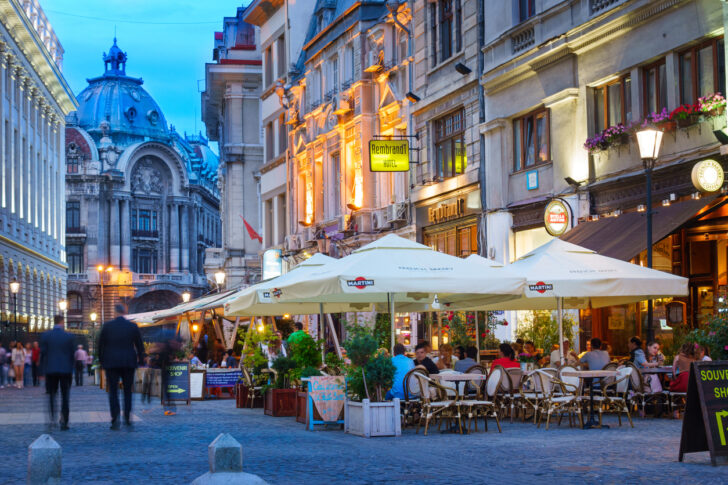
The bohemian charm of Lipscani, characterized by its cobblestone streets bustling with artisanal coffee shops and traditional eateries serving exquisite sarmale, contrasts with the expansive greenery of Herstrau Park, a haven for outdoor enthusiasts seeking leisurely strolls or invigorating bike rides. Each neighborhood possesses its distinct allure.
The artistic ambiance of Tineretului, enhanced by lively street art and a dynamic atmosphere, beautifully complements the family-friendly environment of Drumul Taberei, renowned for its parks and community-oriented feel. In fact, Lonely Planet highlights these areas as part of the hidden glory of Bucharest’s neighborhoods, revealing the city’s unique blend of old-world charm and modern vibrancy.
This vibrant blend that defines Bucharest not only serves the local population but also invites travelers to appreciate the essence of Romanian culture.
Where to Eat in Bucharest
Bucharest’s culinary scene is both diverse and captivating, presenting a remarkable selection of local cuisine, including traditional dishes that embody the rich traditions of Romanian culture.
From hearty traditional dishes to contemporary fusion cuisine available in the city’s finest restaurants, Bucharest serves as a gastronomic paradise for food enthusiasts and travelers alike.
Must-Try Dishes and Restaurants
When visiting Bucharest, indulging in traditional Romanian cuisine is essential, featuring options such as sarmale (cabbage rolls) and mmlig (polenta), which are readily available at esteemed restaurants. Here, chefs expertly blend local ingredients to provide memorable culinary experiences.
In exploring the vibrant food scene, one should make a point to sample mici, savory grilled sausages, which pair exceptionally well with a cold beer. For those seeking a cozy atmosphere and authentic flavors, establishments like Caru’ cu Bere and La Mama are particularly noteworthy, as they showcase Romania’s rich culinary heritage.
The incorporation of locally sourced ingredients, including fresh vegetables and artisanal cheeses, enhances these dishes, ensuring they are both delectable and representative of the region’s agricultural wealth, offering a true taste of Romanian cuisine.
Engaging with local culinary traditions not only delights the palate but also connects diners to the essence of Romanian culture.
Exploring Bucharest’s Top Attractions
Bucharest boasts a diverse range of prominent attractions that showcase its rich history and culture. Among these are the magnificent Palace of Parliament and the tranquil Cimigiu Gardens.
Visitors are strongly encouraged to include these essential sights in their Bucharest itineraries to ensure a comprehensive and enriching experience.
Historical Sites and Landmarks
Bucharest’s historical sites and landmarks, such as the iconic Romanian Athenaeum and the significant Revolution Square, provide visitors with valuable insights into the city’s complex past and architectural splendor, making them essential destinations for any travel guide to the capital.
The Romanian Athenaeum, an exquisite concert hall constructed in the late 19th century, is celebrated not only for its neoclassical architecture but also for its role as a symbol of national identity and culture, making it one of the must-see sights in Bucharest.
It hosts exceptional classical concerts and cultural events, further enhancing its prominence.
Revolution Square, a site of critical events in Romanian history, including the 1989 anti-communist revolution, is flanked by significant structures such as the former Central Committee building and a prominent monument dedicated to the heroes of the revolution.
These sites serve as testament to the resilience of the Romanian people, showcasing a rich tapestry of architectural styles ranging from Art Nouveau to Socialist realism, each contributing to the narrative of the nation’s journey through adversity and achievement.
Local Experiences and Activities
Engaging in local experiences and activities in Bucharest enables travelers to connect with the city’s vibrant culture. This includes attending music festivals featuring esteemed artists such as George Enescu, Ed Sheeran, and Coldplay and participating in outdoor activities in picturesque locations like Herstru Park.
Visitors have the opportunity to explore the city’s lively art scene by attending gallery openings and live concerts in unique venues distributed throughout the area. The annual Bucharest Music Festival stands out as a significant event, attracting both locals and tourists who appreciate the diverse sounds of various musical genres.
Outdoor enthusiasts can partake in organized events, such as yoga sessions by the lake or picnics in the city’s lush green spaces. These experiences offer a valuable opportunity to engage with local residents, uncover hidden gems, and appreciate the simple pleasures of life in this dynamic capital city.
Off the Beaten Path in Bucharest
For a memorable Bucharest itinerary, consider exploring the Ceausescus Mansion and the beautiful nature parks on the outskirts of the city.
For individuals seeking to explore the lesser-known aspects of Bucharest, the city presents an abundance of hidden gems and distinctive experiences.
These include vibrant local markets where visitors can discover handmade artwork, as well as charming coffee shops situated in serene streets that offer an authentic representation of urban energy and city life.
Hidden Gems and Unique Experiences
Among the city’s hidden gems, book lovers should not miss Crtureti Carusel, one of the most beautiful book stores in Bucharest.
Bucharest is replete with hidden gems that offer unique experiences, such as engaging with local traditions at the Dimitrie Gusti National Village Museum, one of the city’s historical landmarks. Here, visitors can indulge in traditional dishes and observe craftsmanship that has been preserved through generations.
Among these culinary delights, one may enjoy ‘mmlig’, a cornmeal porridge typically accompanied by cheese and sour cream, while interacting with artisans who showcase the time-honored techniques of pottery and weaving, offering exciting experiences in Romanian culture.
A stroll through the historic Lipscani district unveils charming cafes and bistros that celebrate Romanian cuisine, featuring dishes such as ‘sarmale’, which are cabbage rolls filled with meat and rice, a must in your Bucharest itinerary.
For those interested in deeply immersing themselves in the cultural landscape of the city, participating in a local cooking class offers an intimate understanding of Bucharest’s vibrant gastronomy, as well as the narratives associated with each recipe, effectively linking the past to the present and providing insight into Romanian history.
Practical Tips for Traveling to Bucharest and Things to Do
Traveling to Bucharest presents an enriching experience, and being well-informed about practical considerations-such as utilizing public transportation efficiently, understanding the local currency, and acquiring basic language phrases-will significantly enhance any visit to this vibrant city, which boasts numerous tourist attractions like the Palace of Parliament and Revolution Square.
Transportation, Currency, Language, and Romanian Culture
Bucharest features a comprehensive public transport system, which includes buses, trams, and metro services, facilitating convenient navigation for tourists eager to explore Bucharest. Currency exchange is also straightforward, with numerous exchange offices located throughout the capital.
Travelers will find the metro system to be particularly efficient, with regular trains connecting key attractions such as the Palace of the Parliament and the Old Town, ensuring you can visit Bucharest’s best restaurants and art museums effortlessly. For those who prefer a more scenic route, trams provide an opportunity to experience the city at a leisurely pace.
When considering currency exchange, it is advisable to compare rates at various offices and to avoid exchanges at airports, as they typically impose higher fees, especially if you plan weekend trips to places like Braov and Sinaia.
Additionally, learning a few basic Romanian phrases, such as “Bun ziua” (Good day) and “Mulumesc” (Thank you), can enhance interactions and demonstrate respect for the local culture, making your visit to Romania more rewarding.