Cabinetry trends play a significant role in shaping our living environments, particularly in kitchens and bathrooms, where functionality and aesthetics converge. As we anticipate the year 2025, innovative designs and materials are transforming our perceptions of storage, style, and period architecture. This article examines the latest trends, ranging from sleek, minimalistic bathroom cabinetry with contrasting cabinetry to intelligent, space-saving kitchen solutions with micro shaker cabinets, that reflect the evolving consumer preferences and advancements in technology. Explore the future of modern cabinetry and its potential to enhance your home.
Table of Contents
Key Takeaways:
- Modern designs for kitchens in 2025 will focus on innovative materials, finishes, and colorful kitchen ideas, as well as functional and space-saving solutions to maximize efficiency and aesthetics.
- Bathrooms in 2025 will see a rise in elegant and minimalistic styles, with an emphasis on smart and sustainable features like metallic details features that cater to increasingly eco-conscious lifestyles.
- Factors influencing cabinetry trends in 2025 include consumer preferences and lifestyle changes, as well as advancements in technology and manufacturing, leading to more innovative and environmentally friendly designs.
Why Cabinetry Trends are Important
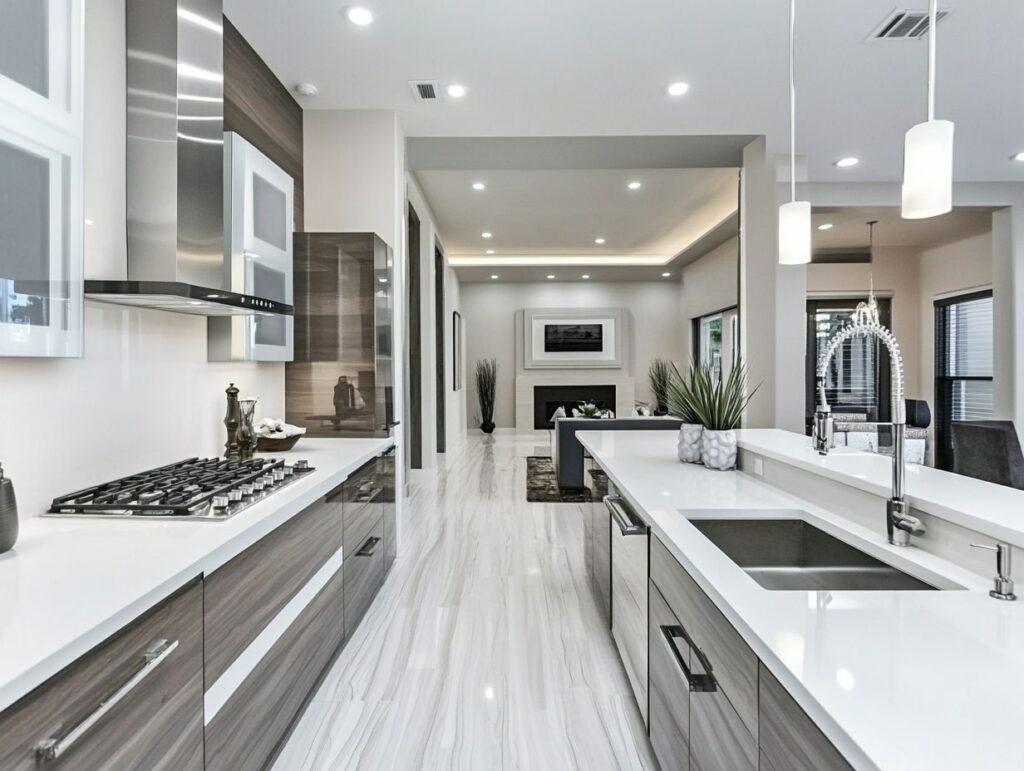
Cabinetry trends play a vital role in shaping the aesthetics and functionality of modern kitchens and bathrooms, influencing the manner in which homeowners engage with their spaces. As consumer preferences evolve, the necessity of remaining informed about these trends becomes apparent, affecting not only the visual appeal of cabinetry but also its practicality in everyday use.
From innovative materials to classic designs, understanding these trends is essential for making informed decisions that enhance the overall value and enjoyment of the home.
With an increasing emphasis on contemporary interior design, trends such as two-tone cabinets, micro shaker styles, and deep red tones have gained traction, presenting a modern interpretation of traditional aesthetics while facilitating personalization. Lacquered finishes, celebrated for their sleek and glossy appearance, further enhance spaces by introducing a modern flair that reflects historical design influences while catering to contemporary sensibilities.
Homeowners are increasingly attracted to these options, recognizing that cabinetry choices significantly influence not only the visual impact of their renovations but also the overall functionality, effectively blending style with practicality in kitchens and bathrooms through timeless design.
Modern Designs for Kitchens
Contemporary kitchen designs are defined by innovative cabinetry that combines functionality with aesthetic appeal, addressing the varied needs of today’s homeowners.
Essential components include the incorporation of vibrant color schemes, freestanding cabinetry, cabinet curtains, and a harmonious mix of materials that result in spaces that are both visually appealing and efficient for culinary activities and entertaining.
As the central hub of the home, a thoughtfully designed kitchen promotes creativity and social interaction, underscoring the importance of making informed decisions regarding cabinetry that align with personal style and current design trends.
Innovative Materials and Finishes
The incorporation of innovative materials and finishes in cabinetry has significantly transformed modern kitchens, providing a harmonious blend of creativity and durability. Homeowners now have an extensive array of options, ranging from traditional wooden cabinetry with decorative moldings to sophisticated lacquered finishes, enabling them to personalize their spaces in accordance with their individual styles.
Considerations such as sustainability and ease of maintenance are increasingly influencing material selections, resulting in the adoption of eco-friendly solutions that maintain aesthetic appeal, such as glass-fronted cabinets. In fact, Quora provides insight into the variety of sustainable materials used in modern kitchens, highlighting the increasing importance of ecological considerations.
These materials not only shape the overall aesthetic but also enhance practical functionality, with contemporary textures varying from matte surfaces to glossy finishes that effectively reflect light. For example, lacquered cabinets present a high-gloss finish that is visually striking while also offering resistance to stains and ease of cleaning, making them particularly well-suited for high-traffic kitchens.
In contrast, wooden cabinetry provides warmth and a timeless quality to the design, with a variety of stains and grains available to complement any decor theme.
Selecting the appropriate finish can significantly elevate the overall aesthetics, ensuring that contemporary kitchen trends embody both style and functionality, while also endorsing a sustainable approach to home improvement.
Functional and Space-Saving Solutions
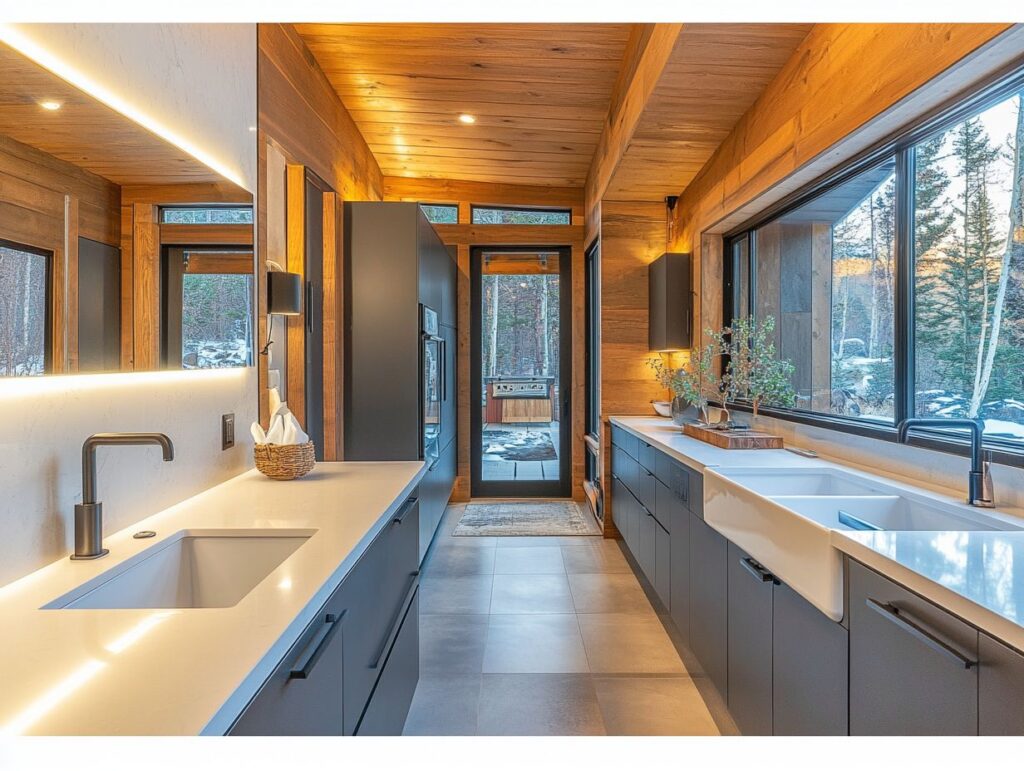
In contemporary kitchen design, the emphasis on functional and space-saving solutions is crucial, particularly in urban environments where every square inch is valuable.
Innovations such as butler’s pantries, flush mount lighting, and rounded cabinets, flush mount lighting, and color drenching not only enhance usability but also contribute to an aesthetically pleasing environment, resulting in kitchens that are organized and efficient.
By incorporating intelligent storage options such as cabinet curtains and freestanding cabinetry, homeowners can optimize space while preserving a clean and modern appearance.
Adjustable shelving and pull-out drawers provide flexibility, ensuring that items are readily accessible while minimizing clutter. Multi-functional islands can serve as preparation areas, dining spaces, or additional storage, tailored to meet the unique requirements of the household.
Sleek cabinetry with integrated appliances not only fosters an uncluttered atmosphere but also enhances workflow, facilitating seamless cooking experiences.
Emphasizing modular designs, such as curved cabinetry, allows for customization, enabling kitchens to adapt to evolving lifestyle demands. Ultimately, these innovative solutions not only elevate the aesthetic appeal of the kitchen but also significantly enhance its practicality and efficiency.
Modern Designs for Bathrooms
Contemporary bathroom designs prioritize elegance and minimalism, resulting in serene environments that seamlessly integrate functionality with style. The cabinetry within these spaces is crucial, typically characterized by clean lines and finishes that enhance a unified design.
Features such as glass-fronted cabinets and decorative moldings and antique influences are becoming increasingly favored, contributing to an overall aesthetic that embodies modern trends while facilitating usability and organization.
Elegant and Minimalistic Styles
The trend toward elegant and minimalistic styles in bathroom cabinetry reflects a broader desire for simplicity and sophistication in contemporary interior design. These designs prioritize clean lines, muted colors, and functional elements, creating serene environments that are both inviting and practical.
Key features such as flush mount lighting, contrasting cabinetry, and glass elements contribute to a balanced aesthetic that underscores the beauty of understated elegance.
The incorporation of natural materials, including wood and stone, further enhances this aesthetic by providing warmth and texture without overwhelming the space. A carefully considered selection of fixtures and fittings-such as sleek faucets and streamlined hardware-can complement the refined appearance of the cabinetry, ensuring cohesion throughout the entire bathroom design, incorporating Shaker style influences.
Employing a soothing color palette consisting of soft grays, whites, and earth tones not only fosters a calming atmosphere but also facilitates easy integration with various design themes. Ultimately, by emphasizing practicality alongside style, modern bathroom cabinetry exemplifies the principle that less truly is more.
Smart and Sustainable Features
In today’s eco-conscious market, the integration of intelligent and sustainable features in bathroom cabinetry has become increasingly essential, effectively combining functionality with environmental responsibility. Innovations in eco-friendly materials and designs not only attract environmentally conscious individuals interested in wood and architecture homeowners but also enhance the overall aesthetic appeal of the space.
Elements such as energy-efficient lighting and sustainable finishes are becoming standard, reflecting a commitment to quality and environmental stewardship. This shift towards sustainability represents not merely a trend but a fundamental transformation in how home design incorporates technology alongside environmental consideration. Homeowners are now prioritizing cabinetry that integrates smart technology, including sensor-activated lighting and water-saving fixtures, which streamline daily routines while significantly reducing water consumption.
By selecting cabinetry made from responsibly sourced materials, including those with unique textures and finishes, individuals contribute to a circular economy, thereby minimizing waste and pollution. This eco-friendly approach is highlighted in numerous discussions, such as those found on Reddit’s minimalist bathroom design threads. Consequently, the convergence of functionality and sustainability in modern bathroom cabinetry not only elevates design choices but also fosters a healthier, greener lifestyle for families and communities alike.
Factors Influencing Cabinetry Trends
Cabinetry trends are influenced by a variety of factors, with consumer preferences and advancements in technology at the forefront of these changes.
As homeowners become increasingly discerning, their selections demonstrate a desire for enhanced functionality and personalization, resulting in a notable evolution in cabinetry design.
Additionally, technological advancements in manufacturing processes and materials further shape the availability and aesthetic of cabinetry options in both kitchens and bathrooms.
Consumer Preferences and Lifestyle Changes
Consumer preferences and lifestyle changes have a substantial impact on cabinetry trends, driving the demand for designs that cater to modern living. As family dynamics evolve and lifestyles become increasingly dynamic, the need for adaptable and flexible cabinetry solutions intensifies, prompting manufacturers to innovate in response to these developments, particularly in the realm of kitchen cabinet trends. Styles that emphasize functionality, such as two-tone cabinets and cabinetry with integrated storage, resonate with the modern consumer’s desire for both aesthetic appeal and practicality.
An emerging interest in eclectic kitchens is influencing cabinetry selections, leading to a blend of traditional and contemporary elements. This trend encourages homeowners to incorporate contrasting cabinetry, facilitating personalized expressions of style that reflect their individual tastes, often blending elements of eclectic kitchens.
Furthermore, the shift towards sustainable materials underscores a growing preference for eco-friendly finishes and innovations that do not compromise visual appeal. As dining experiences evolve into social gatherings, cabinetry design must also account for open layouts that foster interaction, ensuring ease of access and seamless movement throughout the space, much like a well-organized butlers pantry.
Advancements in Technology and Manufacturing
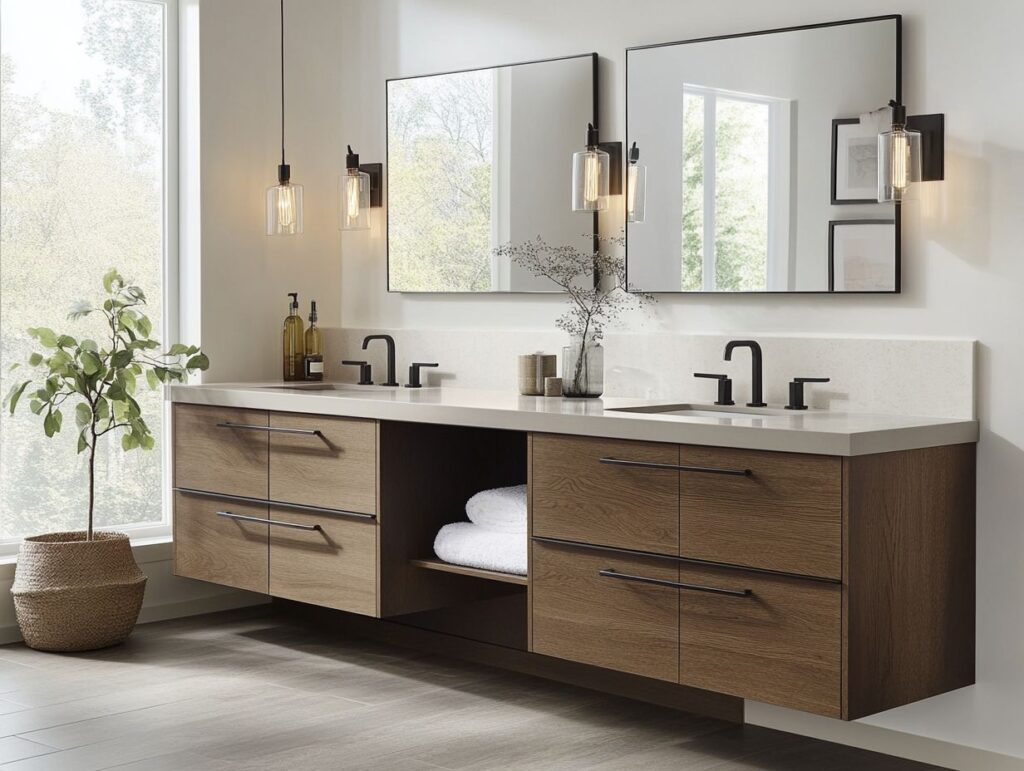
Advancements in technology and manufacturing processes are transforming the cabinetry industry, facilitating the development of innovative and high-quality designs that align with contemporary demands. These technological enhancements enable greater precision, customization, and efficiency in production, thereby influencing design trends and consumer preferences. Features such as smart cabinetry solutions, metallics, and eco-friendly materials have emerged in response to both market needs and environmental considerations.
The integration of robotics and automation within cabinetry production has optimized workflows, resulting in reduced lead times and improved overall quality. Materials such as laminate, engineered wood, and sustainable hardwoods are gaining prominence as manufacturers leverage advancements in material science to provide durability and aesthetic appeal.
For instance, the trend toward minimalist design, similar to the ever-popular Shaker style, has led to an increase in handle-less cabinetry, a development supported by innovative hinge technologies. As consumers increasingly prioritize sustainability, companies are adopting practices that minimize waste and promote recycling, ultimately enhancing consumer satisfaction while contributing to a healthier planet, which is increasingly important in modern furniture design. For those interested in a comprehensive overview, this analysis by ResearchGate covers the full spectrum of implications.
Predictions for 2025 Cabinetry Trends
As we look toward 2025, cabinetry trends are anticipated to evolve in response to ongoing shifts in consumer behavior, technological advancements, and design innovations.
These projections indicate a sustained emphasis on sustainability, functionality, and personalization, with homeowners increasingly seeking cabinetry solutions that align with their unique tastes, often incorporating antiques, and lifestyle requirements.
Features such as vibrant kitchen designs and intelligent storage solutions are expected to gain prominence, providing insight into the future of cabinetry design.
Expert Insights and Forecasts
Expert insights and forecasts regarding cabinetry trends offer valuable guidance for homeowners and designers, serving as a roadmap for future renovations and design decisions. By analyzing current trends and consumer behavior, industry experts can predict the styles, materials, and innovations likely to shape the cabinetry landscape in the coming years.
This foresight facilitates well-considered choices, ensuring that renovations align with both aesthetic aspirations and functional requirements.
As design preferences evolve toward more sustainable and multifunctional options, an increasing number of homeowners are opting for cabinetry constructed from eco-friendly materials, such as bamboo and reclaimed wood.
Experts predict a growing popularity of minimalist styles characterized by clean lines and muted colors, which not only cater to contemporary sensibilities but also foster a sense of openness in smaller spaces. Additionally, the integration of smart technology into cabinetry, including built-in charging stations and touch-activated doors, is expected to enhance usability.
These emerging preferences are likely to influence consumer choices significantly, prompting designers to adapt their strategies and create customized solutions that reflect both innovation and individual style.