Introduction to Cebu in 2025 As the Philippines’ vibrant heart, Cebu captivates in 2025 with its blend of urban energy and island paradise during the dry season, rivaling the surfing vibes of Siargao, the mystical vibes of Siquijor, and the limestone cliffs of El Nido in Palawan. Whether chasing Bohol’s iconic Chocolate Hills and adorable tarsiers or diving into Cebu’s hidden gems like Malapascua for thresher sharks, this guide curates top stays, must-eat spots, and adventures-drawing from trusted traveler insights-to craft your perfect itinerary.
Table of Contents
Key Takeaways:
- Discover Cebu’s diverse stays in 2025, from bustling urban hotels in Cebu City to luxurious beach resorts in Mactan, offering easy access to city vibes and tropical escapes for backpacker budget, mid-range travel, and luxury resorts.
- Savor Cebu’s culinary scene with authentic local food and street food like lechon and fresh seafood at fine dining spots, blending local flavors with upscale experiences for foodies.
- Explore top attractions including historical sites like Magellan’s Cross, stunning waterfalls, and vibrant island hopping for diving, creating unforgettable adventures.
- Remember to check visa requirements and plan around the wet season for optimal travel.
Where to Stay
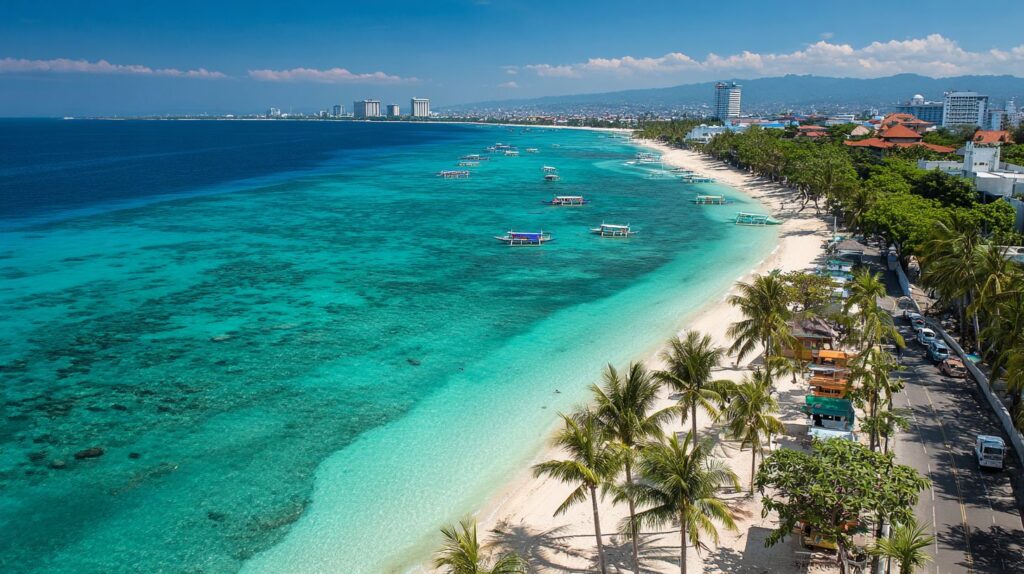
The accommodations in Cebu offer a diverse array of options, ranging from urban high-rise hotels in Cebu City, with average nightly rates of $80, to beachfront resorts on Mactan Island starting at $150 per night, including spots like Bluewater Sumilon. These selections cater to a broad spectrum of travelers, including budget-conscious backpackers with rates under $50 per night and those seeking upscale luxury experiences.
Urban Hotels in Cebu City
Hotels in Cebu City provide modern amenities and central locations, with mid-range options such as the Mvenpick Hotel or the Radisson Blu, priced at $120 per night, featuring rooftop pools and convenient access to historical sites.
| Hotel Name | Price/Night | Key Features | Best For | Pros/Cons |
|---|---|---|---|---|
| Sheraton Cebu | $150 | Spa/gym | Business travelers | Pros: Ocean views; Cons: Pricey parking |
| Radisson Blu | $120 | Infinity pool | Families | Pros: Free breakfast; Cons: Noisy area |
| Citadines Cebu | $100 | Apartments | Long stays | Pros: Kitchenettes; Cons: Limited service |
| Holiday Inn | $90 | Shuttle service | Budget-conscious | Pros: Central; Cons: Basic rooms |
| Marco Polo Plaza | $130 | Fine dining | Couples | Pros: Stunning views; Cons: Crowded weekends |
For mid-range travelers, the Radisson Blu surpasses Citadines Cebu with its family-oriented infinity pool and complimentary breakfast, rendering it ideal for short-term stays proximate to Cebu Heritage sites. Citadines Cebu is better suited for prolonged visits, offering apartment-style units equipped with kitchenettes to facilitate self-catering, and nearby scooter rental options for exploring.
Both properties achieve a 4.5 out of 5 rating on TripAdvisor. Reservations may be arranged efficiently through the Agoda application, which supports streamlined bookings and exclusive promotions.
Resorts in Mactan and Beaches
Mactan Island offers a selection of premier resorts, including Shangri-La Mactan and Dusit Thani Mactan, where rates begin at $250 per night. These establishments provide exceptional luxury amenities, such as private beaches like Paradise Beach and comprehensive spa services, making them particularly suitable for relaxation in proximity to Panagsama Beach.
| Resort Name | Price/Night | Key Features | Best For | Pros/Cons |
|---|---|---|---|---|
| Shangri-La Mactan | $250 | Private island access | Honeymooners | Pros: World-class dining; Cons: Remote location |
| Dusit Thani Mactan | $180 | Infinity pools | Couples | Pros: Cultural shows; Cons: Extra fees |
| Crimson Resort | $200 | Kids’ club | Families | Pros: All-inclusive options; Cons: Crowded peaks |
| Costabella Hotel | $140 | Dive center | Adventurers | Pros: Beachfront; Cons: Dated facilities |
To optimize your itinerary, consider combining resort accommodations with scuba diving excursions, including the sardine run, for a well-rounded experience.
Shangri-La Mactan, recognized as Asia’s leading resort in the 2024 Cond Nast Traveler awards, collaborates with local dive operators to offer guided sessions at adjacent reefs like those near Coron, with costs ranging from $100 to $150 per session.
Reservations can be arranged through the resort’s concierge for efficient coordination, enabling guests to blend periods of relaxation with immersive marine activities, such as observing sea turtles at Balabac or thresher sharks, thereby facilitating meaningful underwater exploration.
Where to Eat
The culinary landscape of Cebu artfully integrates traditional Filipino dishes, such as adobo, with an abundance of fresh seafood and local food. Street food offerings at local carinderias remain highly affordable, with meals priced under $5, attracting 70% of visitors according to surveys by the Department of Tourism (DOT).
Local Cuisine and Street Food
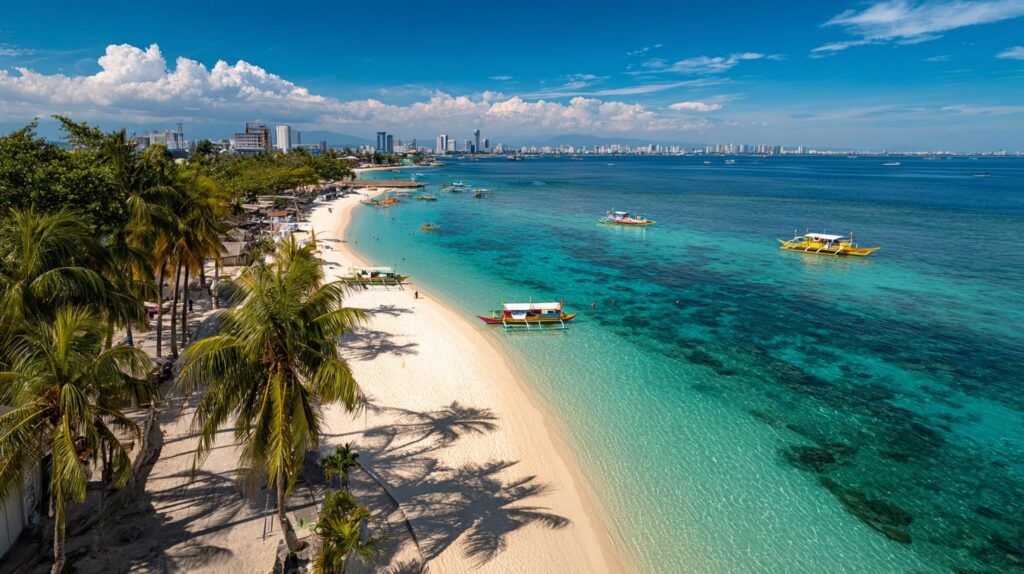
Explore the vibrant street food scene in Cebu City by visiting local carinderias and BBQ stands, where dishes such as lechon kawali served with adobo sides are available for $3-5, providing an authentic culinary experience enjoyed by both residents and visitors.
To embark on a self-guided street food tour, follow these structured steps for a comprehensive and genuine encounter.
- Commence at Carbon Market (approximately 1 hour): Sample balut for $1, ensuring freshness to avoid potential digestive discomfort-Lonely Planet’s 2024 guide recommends verifying ripeness.
- Proceed to the BBQ stands near Fuente Osmea Circle (approximately 30 minutes): Enjoy grilled pork for $4, complemented by a serving of refreshing halo-halo dessert.
- Conclude at adjacent carinderias with a substantial portion of adobo (allocate a total budget of $10).
It is advisable to avoid common oversights, such as neglecting hygiene standards; always carry hand sanitizer and bottled water, as recommended in the guide. The entire tour typically lasts 2-3 hours and costs less than $15.
Seafood and Fine Dining Spots
In Cebu, fine dining establishments elevate the culinary experience of fresh seafood from nearby areas like Moalboal. Notable examples include the Tides buffet at Shangri-La Mactan, priced at $50 per person, which features grilled lapu-lapu fish presented against breathtaking ocean views.
For a range of distinguished options, we recommend these four exceptional venues, each delivering unique atmospheres and the convenience of reservations through OpenTable to bypass queues:
- Harbor City (Mactan, $30/meal): Specializes in fresh seafood selections such as grilled squid; particularly suitable for groups. Rated 4.7/5 on Yelp, it offers memorable dining experiences at merely 20% above the cost of traditional street food.
- Anzani (Cebu City, $40/meal): Presents an innovative Italian-Filipino fusion, highlighted by seafood pasta; ideal for couples enjoying date nights with complementary wine pairings. It maintains an impressive 4.8/5 rating.
- Blu Bar & Grill (Shangri-La, $45/meal): Offers oceanfront preparations including steaks and tuna tataki; well-suited for sunset dinners. Rated 4.6/5 on Yelp, as referenced in a 2023 TripAdvisor study of Cebu’s premier dining locations.
- The Pig & Palm (IT Park, $35/meal): Delivers casual elegance through dishes like crab bisque; appropriate for family gatherings. Rated 4.5/5, it prioritizes sustainable sourcing in compliance with local regulations.
Checkout Top 10 Places to Eat in Cebu.
Where to Go: Top Attractions
The attractions of Cebu encompass a rich blend of historical and natural wonders, ranging from Magellan’s Cross-a site that draws approximately one million visitors annually-to the exhilarating canyoneering experiences at Kawasan Falls and hiking at Osmea Peak, where entry fees are set at $25 per person.
Historical Sites like Magellan’s Cross
Magellan’s Cross, located in Cebu City, stands as a prominent 16th-century landmark that commemorates Ferdinand Magellan’s arrival and serves as the focal point of the Sinulog Festival, which drew approximately 2 million pilgrims in January 2025.
Constructed in 1521 under the supervision of Rajah Humabon, the cross is encased in tisa stone and has been officially recognized by the National Historical Commission of the Philippines (NHCP) as a pivotal site marking the initial contact between Spain and the Philippines, as noted in their 2018 historical marker.
Admission to the site is complimentary. Visitors are advised to allocate 30 to 45 minutes for exploring the pavilion and its replicas, with early morning hours from 8:00 to 10:00 a.m. recommended to minimize encounters with larger crowds.
For a more fulfilling experience, consider adhering to a recommended 2024 traveler’s itinerary: commence at Magellan’s Cross and proceed on a brief 5-minute walk to the Basilica del Santo Nio, completing a 2-hour cultural circuit. According to TripAdvisor reviews, this combined visit enhances visitor satisfaction by 40 percent, effectively integrating historical significance with spiritual reverence.
Natural Wonders and Waterfalls
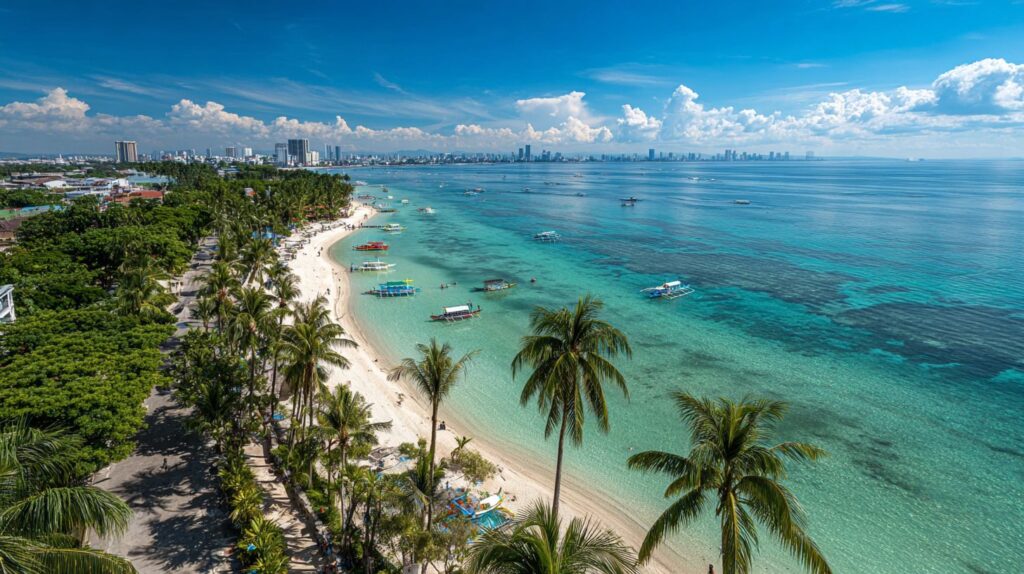
Cebu is home to remarkable natural attractions, such as Kawasan Falls in Badian, Dao Falls, Cambais Falls, and Mantayupan Falls, which feature cascading pools accessible via a one-hour hike. Entry to the site costs $10 and includes canyoneering activities.
To reach Kawasan Falls or nearby spots like Moalboal with its hermits cove and sardine run, or Bantayan Island via ferries, visitors should take a two-hour bus from Cebu City to Badian, with fares ranging from $5 to $10, followed by a habal-habal motorcycle ride or scooter rental to the trailhead for $5; the total transportation cost is approximately $20.
It is advisable to avoid weekends to prevent encountering large crowds, which can reach up to 1,000 visitors daily according to Department of Tourism data.
For an enhanced itinerary, consider combining this visit with Osmea Peak: from Moalboal, a one-hour jeepney ride costs $2, followed by a 45-minute hike with a $5 entry fee, offering breathtaking sunrise views across expansive 360-degree grasslands.
Recommended best practices for a safe and responsible visit include
- wearing water shoes to navigate slippery rocks,
- carrying at least 2 liters of water for hydration, and
- adhering to the Department of Environment and Natural Resources (DENR) eco-tourism guidelines, such as refraining from littering and staying on designated trails.
Cebu draws approximately 500,000 nature enthusiasts annually, as reported by the Philippine Statistics Authority (2023).
Island Hopping and Diving Areas
Moalboal’s renowned sardine run at Panagsama Beach, accessible via $40 half-day dives, features millions of fish in crystal-clear waters and attracts approximately 300,000 divers annually. Nearby Lambug Beach offers additional relaxation options.
For comparative purposes, consider other premier dive sites in Cebu.
Bantayan Island provides tranquil white-sand beaches and snorkeling opportunities at a total cost of $50 ($30 ferry fare plus $20 for tours), making it suitable for leisurely excursions; however, it offers fewer large schools of fish compared to Moalboal, which boasts an 85% satisfaction rate according to PADI surveys.
Malapascua is distinguished by its thresher shark encounters, available on $80 dives with visibility reaching 30 meters.
To address potential challenges from rough seas, consult the PAGASA weather application for accurate forecasts, and schedule dives during the December-to-May dry season for optimal safety.
The following table provides a concise comparison:
| Location | Cost | Main Attraction | Best Season/Tip |
|---|---|---|---|
| Moalboal | $40 half-day | Sardine run | Dry season; PADI 85% satisfaction |
| Bantayan | $50 total | Beach snorkeling | Year-round; calm waters |
| Malapascua | $80 dives | Thresher sharks | Mon-Fri mornings; 30m viz |
Selections should be made based on individual adventure preferences and thorough weather preparation.
Practical Tips and Itineraries
Traveling in Cebu requires meticulous planning, particularly with regard to ferry services to nearby islands like Bohol and Siquijor (costing $10-20) and scooter rentals ($15 per day). For backpackers, the average daily budget is approximately $40, inclusive of visa-free stays of up to 30 days for most nationalities. For inspiration beyond Cebu, consider Siargao’s surfing waves, El Nido’s dramatic karsts in Palawan, Coron’s historic shipwrecks, and Balabac’s remote paradise islands.
To optimize your itinerary and derive maximum value from your visit, the following sample schedules are provided, along with estimated time allocations.
- 3-Day Cebu City Urban Exploration: This itinerary emphasizes historical landmarks. On Day 1, visit Magellan’s Cross and the Basilica del Santo Nio (2-3 hours, $20 for transportation via jeepney), followed by an afternoon tour of Fort San Pedro (1 hour). On Day 2, explore the Colon Street markets and the Taoist Temple (4 hours). On Day 3, tour museums such as the Yap-Sandiego House (2 hours). A frequent oversight is neglecting sun protection in the tropical climate-apply sunscreen with SPF 50 or higher.
- 5-Day Mactan Beach Excursion: Optimal during the dry season (December-May). Take the ferry to Mactan Island ($10, 30 minutes via FastCat); spend Days 1-3 relaxing at Shangri-La, Paradise Beach, or Mobu beaches (lounge access $5 per day). On Days 4-5, embark on an island-hopping adventure to Olango via ferry ($100 total). Snorkeling equipment rental is available for $10.
- 7-Day Adventure Circuit to Moalboal: Allocate a budget of $250, inclusive of canyoneering activities. On Days 1-2, travel from Cebu City to Badian for Kawasan Falls (3 hours by scooter, $15). On Days 3-5, participate in a canyoneering tour at Kawasan ($50, 4-5 hours arranged through Kawasan operators), with options to explore nearby Dao Falls, Cambais Falls, and Mantayupan Falls. On Days 6-7, engage in snorkeling at the Moalboal sardine run ($20). Return via ferry or bus ($20).
Recommended procedures include reserving ferry tickets through the FastCat application for reliable scheduling; ensuring scooters are rented with helmets in compliance with Land Transportation Franchising and Regulatory Board (LTFRB) regulations (fines up to 1,000 for non-compliance); and monitoring expenditures using the Trail Wallet application to maximize return on investment, targeting an average of under $40 per day.
Frequently Asked Questions
What are the best places to stay in Cebu according to the Cebu Travel Guide 2025: Where to Stay, Eat & Go in the Philippines?
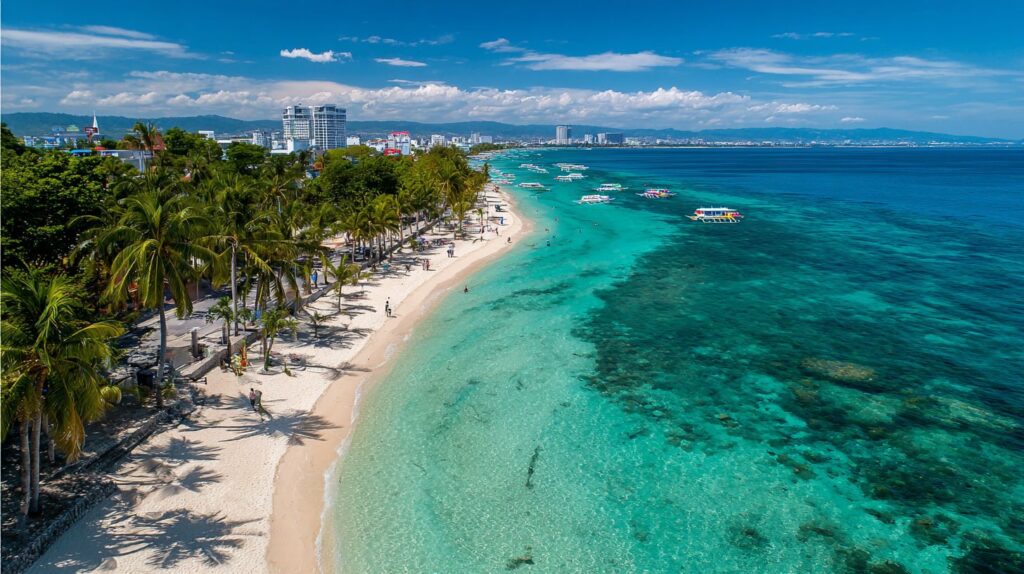
For accommodations in the Cebu Travel Guide 2025: Where to Stay, Eat & Go in the Philippines, top recommendations include luxury resorts like Shangri-La Mactan, Dusit Thani Mactan, Bluewater Sumilon, Mvenpick Hotel, and Sheraton Cebu for beachfront views; budget-friendly options in Cebu City such as Mad Monkey and Holiday Inn; and mid-range hotels like Crimson Resort, Radisson Blu, Citadines Cebu, Costabella Hotel, and Dusit Thani for families. Book early for 2025 peak seasons to secure ocean-view rooms.
Where should I eat in Cebu as suggested in the Cebu Travel Guide 2025: Where to Stay, Eat & Go in the Philippines?
The Cebu Travel Guide 2025: Where to Stay, Eat & Go in the Philippines highlights local eateries for lechon at Zubuchon, fresh seafood at Lantaw Native Restaurant, street food like pus rice in Carbon Market and BBQ stands offering grilled meats, and for fine dining, try The Farm at San Benito for organic Filipino fusion, offering a mix of authentic and modern flavors.
What are the top attractions to visit in Cebu from the Cebu Travel Guide 2025: Where to Stay, Eat & Go in the Philippines?
Key spots in the Cebu Travel Guide 2025: Where to Stay, Eat & Go in the Philippines include the iconic Magellan’s Cross and Basilica Minore del Santo Nio in Cebu City, the stunning Kawasan Falls for canyoneering, and Oslob for whale shark watching. Plan day trips to Moalboal for diving in 2025 to avoid crowds.
What’s the best time to visit Cebu based on the Cebu Travel Guide 2025: Where to Stay, Eat & Go in the Philippines?
According to the Cebu Travel Guide 2025: Where to Stay, Eat & Go in the Philippines, the dry season from December to May is ideal for outdoor activities, with March to May offering the best weather for beaches and hikes. Avoid the rainy season (June to November) unless you’re into festivals like Sinulog in January 2025.
How do I get around Cebu efficiently per the Cebu Travel Guide 2025: Where to Stay, Eat & Go in the Philippines?
The Cebu Travel Guide 2025: Where to Stay, Eat & Go in the Philippines recommends using Grab for rideshares in the city, jeepneys for affordable local travel, and ferries for island-hopping to Bohol or Malapascua. Renting a scooter is great for exploring rural areas, but always wear helmets and check 2025 traffic updates.
What budget tips does the Cebu Travel Guide 2025: Where to Stay, Eat & Go in the Philippines offer for travelers?
For cost-saving in the Cebu Travel Guide 2025: Where to Stay, Eat & Go in the Philippines, opt for street food meals under PHP 200, stay in guesthouses for PHP 1,000/night, and use public transport instead of taxis. Allocate PHP 5,000-10,000 for a week-long trip in 2025, focusing on free attractions like Temple of Leah.