Central Asia is a fascinating region where ancient history and diverse cultures intersect, presenting travelers with a unique array of experiences, including exploring the Pamir Highway. This travel guide is designed to assist individuals in identifying the best times to visit, highlighting must-see destinations, and providing essential information on getting around the region. It will also cover cultural customs, accommodation options, and important safety information to facilitate a seamless journey. Regardless of whether one is a seasoned explorer or a first-time visitor, Central Asia offers unforgettable adventures that await discovery.
Table of Contents
Key Takeaways:
- Plan your trip to Central Asia between May and October for optimal weather and to avoid peak tourist season.
- Visit top destinations such as Samarkand, Bishkek, and Almaty for a mix of cultural experiences and breathtaking landscapes.
- Be prepared for limited transportation options and cultural differences, and always follow local customs and etiquette.
Overview of the Region
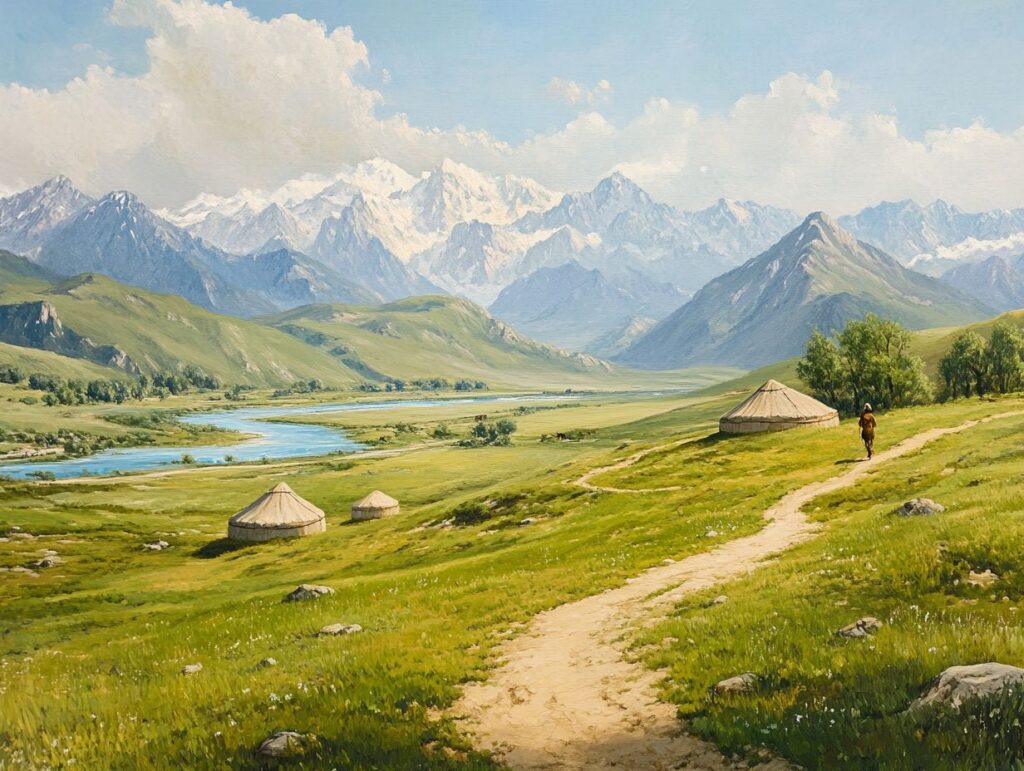
Central Asia, a region rich in history and culture, serves as a crucial artery of the ancient Silk Road, where trade routes once thrived, linking the East and the West. This area comprises five Central Asian Republics: Kyrgyzstan, Tajikistan, Kazakhstan, Uzbekistan, and Turkmenistan, each distinguished by its unique nomadic culture, stunning mountainous regions, and expansive desert landscapes.
The cultural heritage of Central Asia is evident in its majestic landscapes, historical cities, and remote villages, rendering it a compelling destination for travelers seeking both adventure and a deeper understanding of the diverse ways of life.
The significance of the Silk Road in this context is profound, as it enabled not only the exchange of goods such as silk, spices, and precious metals but also the dissemination of ideas, technologies, and cultural practices among various peoples. For a comprehensive look at the history and impact of these trade routes, Britannica offers an in-depth exploration of the Silk Road.
The nomadic lifestyle, prevalent among many inhabitants of these republics, has developed in harmony with the region’s varied geography-from the towering Tian Shan mountains in Kyrgyzstan to the arid deserts of Uzbekistan. Each republic possesses distinct traditions and languages that contribute to a vibrant tapestry of identity, resulting in an exceptionally rich cultural landscape.
This interconnected history emphasizes the importance of these trade routes in shaping the region’s sociopolitical relations and cultural identities, which continue to influence contemporary society.
Best Time to Travel to Central Asia
The optimal time to travel to Central Asia, including exploring epic landscapes and experiencing the backpacker culture, is predominantly determined by the specific activities one intends to engage in, as well as the distinct climatic conditions prevalent in the region. Understanding these conditions can be aided by examining climate averages provided by Time and Date.
The summer season is particularly favored for trekking and exploring the mountainous terrains, while winter sports enthusiasts may find the challenging winters of the Tien Shan and Pamir Mountains equally appealing.
It is crucial for travelers to recognize the extreme temperature variations that can occur across this extensive area, underscoring the importance of meticulous itinerary planning.
Climate and Peak Seasons
Central Asia exhibits a diverse climate, characterized by summer heat in the valleys and harsh winters in the mountainous regions, resulting in distinct peak seasons for travelers.
During the summer months, particularly from June to September, a significant number of visitors are drawn to Kyrgyzstan and Tajikistan for trekking opportunities, while the winter months attract those keen to explore the snowy landscapes of Kazakhstan and Kyrgyzstan.
In these areas, summer temperatures can rise well above 30 degreesC (86 degreesF) in lowland regions, making the use of sunscreen and proper hydration essential for outdoor activities. Conversely, winter temperatures may drop to -30 degreesC (-22 degreesF) in certain mountainous zones, necessitating the use of layered clothing and high-quality thermal gear.
Travelers planning their trips should be mindful that peak tourist periods can result in crowded trails and fully booked accommodations, particularly during July and August for summer activities, as well as from December to February for winter sports.
Prospective visitors might consider traveling during off-peak months for a more tranquil experience, especially in the less-frequented regions of Uzbekistan, where spring and autumn provide equally beautiful yet quieter climates.
Top Destinations in Central Asia
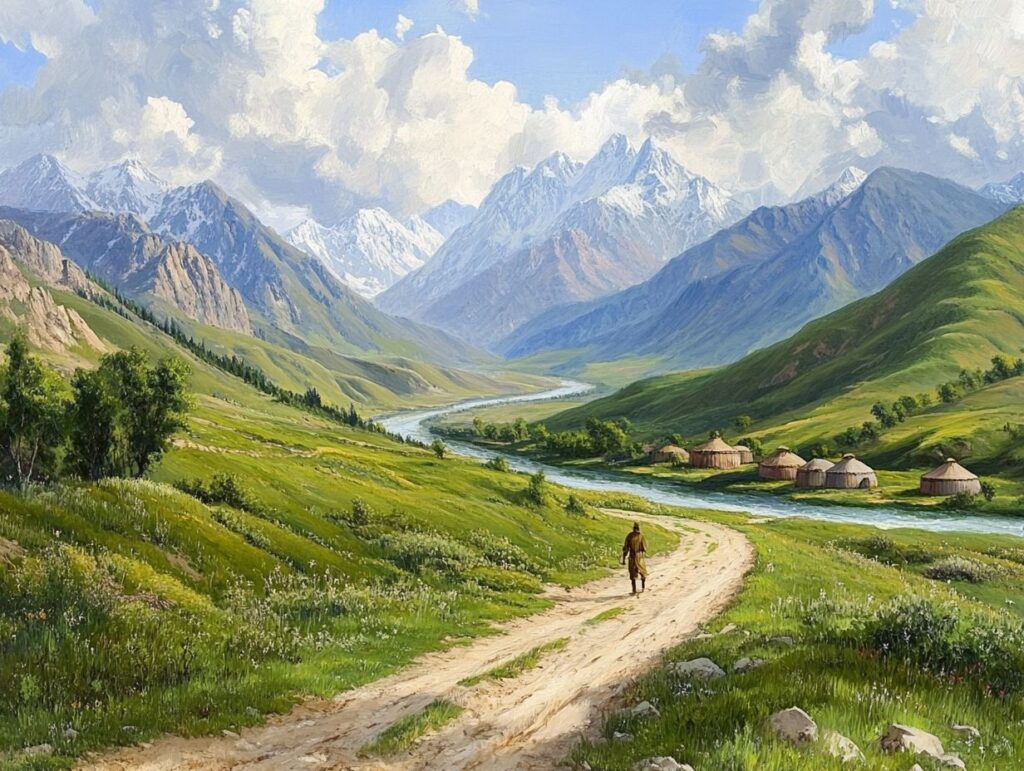
When developing a travel itinerary for Central Asia, it is imperative to incorporate must-visit cities that exemplify the region’s rich history and breathtaking landscapes, such as the historical cities of Samarkand and Bukhara.
Notable cities such as Almaty in Kazakhstan, Bishkek in Kyrgyzstan, and Samarkand in Uzbekistan provide travelers with an opportunity to explore the nomadic culture, ancient architecture, and vibrant local life that characterize this region’s cultural heritage.
Must-Visit Cities and Attractions
Almaty, Bishkek, Dushanbe, Tashkent, and other notable cities in Central Asia represent essential destinations that offer a profound tapestry of cultural heritage and history. Each city features unique attractions, such as the breathtaking architecture of Samarkand and Bukhara, where the rich history of the Silk Road is vividly brought to life, alongside vibrant local markets that reflect the region’s diverse cultures. For those interested in further exploring the recognized historical significance, UNESCO provides a detailed map and list of designated World Heritage Sites in the region.
In Almaty, the capital city of Kazakhstan, visitors can immerse themselves in the stunning backdrop of the Tien Shan Mountains and visit the iconic Medeu Skating Rink. They may also sample local dishes, such as beshbarmak and baursaki, which exemplify the region’s culinary traditions.
Bishkek, the capital city of Kyrgyzstan, on the other hand, captivates visitors with its Soviet-era architecture, lush parks, and the bustling Osh Bazaar, where one can enjoy a variety of enticing Kyrgyz street food.
In Dushanbe, the impressive Palace of Nations serves as a testament to Tajikistan’s rich history, and a visit to the National Museum offers insights into the country’s remarkable cultural artifacts.
Travelers in Tashkent can embark on a journey through the modern city’s historical sites, including the captivating Khast Imam Complex, while indulging in Uzbek plov and sampling delightful local teas.
Each city encourages exploration, inviting travelers to uncover hidden gems and create lasting memories along their journeys.
Getting Around Central Asia
Navigating Central Asia presents a unique experience, as the region offers a diverse array of transportation options, including public transportation, local shared taxis, and train travel.
Each mode of transport provides distinct experiences, ranging from vibrant bus stations populated by locals to picturesque train journeys that highlight the region’s stunning landscapes, including the desert landscapes and environmental disaster area of the Aral Sea.
Therefore, it is crucial to select the most effective travel tips to enhance your journey.
Transportation Options and Travel Tips
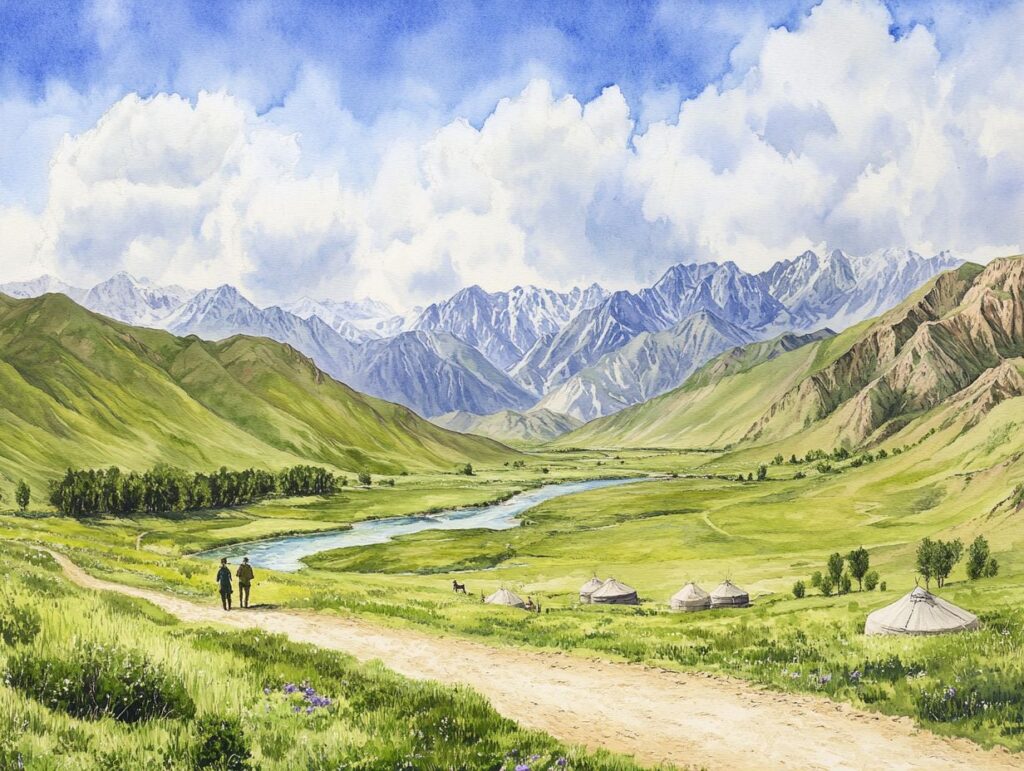
Transportation options in Central Asia encompass local shared taxis, trains, and buses, each presenting unique advantages for travelers. Local shared taxis, often referred to as ‘marshrutkas,’ are typically the most efficient means of traveling between cities and remote villages, whereas train travel offers a scenic and comfortable alternative for longer distances.
For individuals unfamiliar with the region, navigating these transportation systems may initially seem challenging. Local shared taxis are usually identifiable by a number and stop at designated points, ensuring accessibility for travelers.
It is advisable to become acquainted with basic phrases in the local language to facilitate effective communication with drivers. Regarding train travel, it is recommended to purchase tickets in advance, either online or at the station, as they tend to sell out quickly, particularly during peak travel seasons.
In terms of bus travel, understanding the schedule may require some patience; however, offline applications can provide valuable assistance, especially when exploring off the beaten track destinations like the remote villages of the Fergana Valley.
Engaging with Central Asia’s transportation landscape can significantly enhance the overall travel experience.
Cultural Customs and Etiquette
Understanding cultural customs and etiquette is essential for travelers in Central Asia, where the nomadic lifestyle and rich traditions significantly influence daily life, often at high altitudes.
By familiarizing oneself with the appropriate behaviors and practices, individuals can demonstrate respect and appreciation for local cultures while also enjoying the unique cuisine and diverse experiences that this vibrant region has to offer.
Do’s and Don’ts in Central Asian Countries: Understanding Visa on Arrival
When traveling through Central Asia, adhering to specific guidelines can significantly enhance the experience and promote positive interactions with local residents. It is essential to respect local customs, such as removing shoes upon entering a home and being mindful of dress codes, particularly in rural areas where nomadic culture remains prevalent.
Additionally, understanding the importance of greetings is crucial; a respectful handshake and acknowledgment of a person’s title can foster goodwill. Travelers should also exercise care by using their right hand for giving and receiving items, as the left hand is regarded as impolite.
It is important to observe dining customs, which include waiting for the host to begin eating and refraining from placing personal items on the dining table.
In public spaces, maintaining a low speaking volume and avoiding public displays of affection will help ensure that one’s behavior aligns with local expectations, thereby enhancing overall cultural appreciation.
Accommodation and Food Options
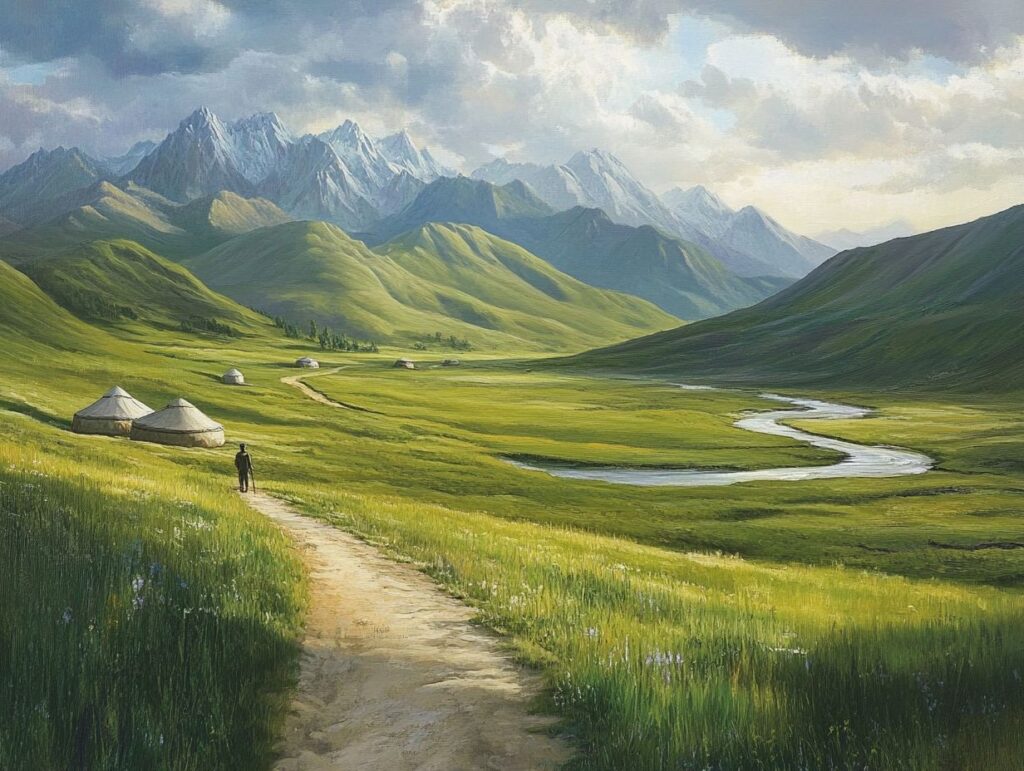
Accommodation options in Central Asia, including the ancient cities along the Silk Road, encompass a wide spectrum, ranging from budget-friendly hostels to more comfortable hotels, thereby catering to diverse travel styles and preferences.
Additionally, travelers have the opportunity to experience the local cuisine, characterized by a blend of flavors that reflect the nomadic lifestyle and the rich cultural heritage of the region.
The culinary experiences available in Central Asia are often regarded as a highlight of any visit.
Hotels, Hostels, and Local Cuisine
In Central Asia, travelers encounter a diverse range of accommodation options, from luxury hotels in Almaty to budget-friendly hostels in Bishkek, thereby allowing for flexibility in travel planning.
Engaging with the local cuisine is highly recommended, as it provides an opportunity to experience the region’s rich culinary heritage, characterized by dishes infused with unique flavors that reflect the nomadic culture, especially in cities like Samarkand and Bukhara.
Charming guesthouses in smaller towns, such as those found in the Fergana Valley, offer an authentic experience, where warm hospitality often stands out as a defining feature. When selecting accommodation, it is advisable to consider the location’s proximity to cultural sites and transportation hubs; this not only enhances convenience but also enriches the overall travel experience.
Furthermore, local dining traditions frequently center around communal meals, highlighting beloved dishes such as:
- Plov
- Laghman
- Manti
Acquainting oneself with the customs surrounding dining-such as the practice of sharing meals and sampling various types of bread-can significantly deepen one’s appreciation for the region’s culinary nuances.
Safety and Security in Central Asia
Safety and security are paramount considerations for travelers exploring Central Asia, a region renowned for its warm hospitality yet characterized by certain challenges.
Although crime rates in many areas are relatively low, it is essential for travelers to remain vigilant and informed about local customs and regulations to ensure a safe and enjoyable experience.
Important Considerations for Travelers
When traveling in Central Asia, it is essential to consider several important factors to ensure personal safety and security throughout the journey. Maintaining awareness of one’s surroundings, respecting cultural norms, and understanding local laws can significantly contribute to a trouble-free experience.
Along with these fundamental practices, it is crucial to familiarize oneself with local customs and etiquette. This knowledge not only facilitates positive interactions with residents but also aids in avoiding potential misunderstandings.
Utilizing reputable transportation options is vital; it is advisable to choose registered taxis or ride-sharing services to enhance security, particularly when navigating unfamiliar cities.
Having a list of emergency contacts readily available, including the nearest embassy or consulate, can provide a sense of reassurance.
It is important to trust one’s instincts in unfamiliar environments, and when in doubt, seeking advice from trusted locals or fellow travelers can be invaluable.
Visa Requirements and Travel Documents
A comprehensive understanding of visa requirements and travel documentation is essential for individuals planning to visit Central Asia, as regulations differ significantly by country.
While many travelers may benefit from visa-on-arrival options, it is imperative to conduct thorough research on the specific requirements of each country in advance to facilitate a seamless entry into this captivating region.
What You Need to Know Before You Go
Before embarking on a journey to Central Asia, including traversing the Pamir Highway, it is essential to gather all necessary travel documents and thoroughly understand the visa requirements to ensure a seamless trip. Familiarizing oneself with local customs, potential visa-on-arrival options, and other pertinent travel tips can significantly enhance the overall experience.
Along with possessing a valid passport, travelers should verify whether a visa is required for entry into countries such as Kazakhstan, Kyrgyzstan, Uzbekistan, Tajikistan, and Turkmenistan, as each nation enforces its own entry regulations.
It is advisable to carry several passport-sized photographs and maintain copies of important documents, including travel insurance and flight itineraries.
Additionally, considering the local currency and exchange rates in Central Asian Republics is crucial for effective preparation. Being informed about local health requirements, such as necessary vaccinations, can prevent unexpected complications during the journey, especially when visiting areas like the Aral Sea or extreme temperatures in remote regions.
These preparatory steps will not only facilitate entry but also enable travelers to immerse themselves more fully in the rich culture and diverse landscapes that await them in this captivating region.