If you’re seeking an unforgettable adventure, Chile should be at the top of your South American travel bucket list. Home to the Atacama Desert, the driest desert on Earth, and vibrant spots like San Pedro de Atacama, Chile offers a unique blend of breathtaking landscapes and rich cultural experiences. This article will explore why this diverse country is a paradise for adventure enthusiasts and a must-visit destination for any traveler.
Table of Contents
Key Takeaways:
- Experience diverse landscapes from the otherworldly Atacama Desert to the stunning Patagonia region in Chile.
- Immerse yourself in the rich cultural heritage of Chile, with vibrant indigenous communities and a unique colonial history.
- Indulge in the gastronomic delights of Chile, from world-renowned local wines to traditional and flavorful dishes.
Diverse Landscapes
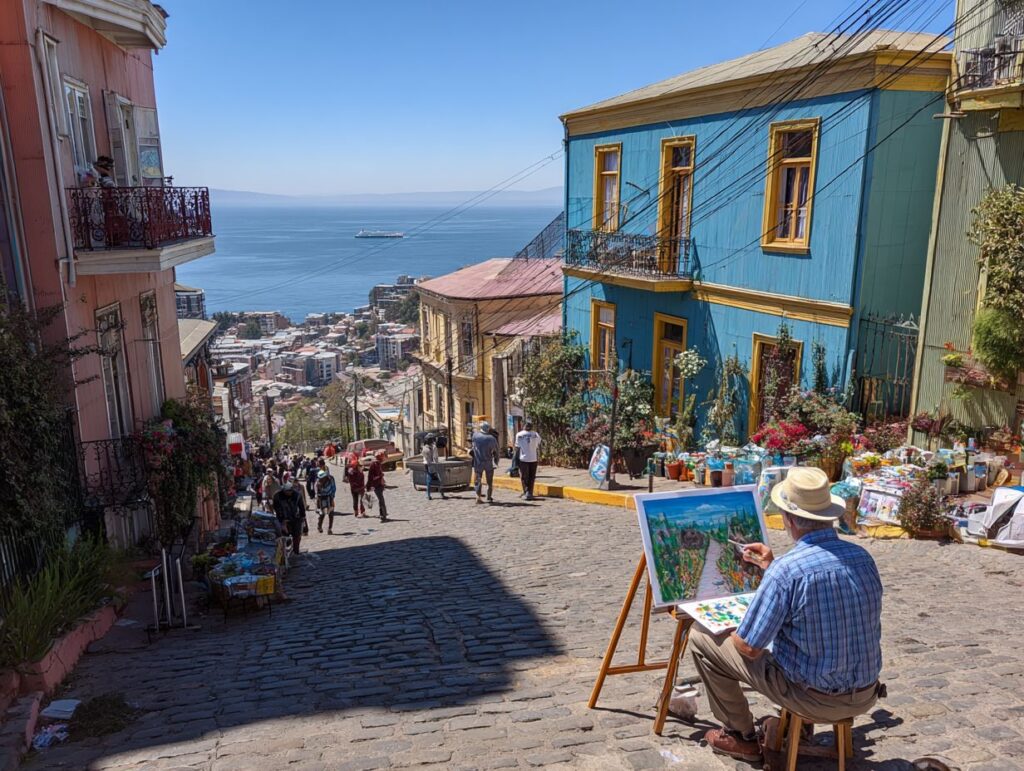
Chile is home to some of the most diverse landscapes in the world, featuring the driest desert on the planet alongside breathtaking glacial valleys.
This striking variety of environments positions Chile as a premier destination for adventure enthusiasts and nature lovers.
Atacama Desert
The Atacama Desert, acknowledged as the driest desert in the world, presents a remarkable landscape characterized by its salt flats, distinctive rock formations, and exceptional stargazing opportunities at astronomical observatories.
Among its notable features, Valle de Marte captivates visitors with its dramatic landscapes and vibrant colors, making it an ideal location for photography. The adjacent Salar de Atacama, recognized as the largest salt flat in Chile, provides surreal vistas, particularly during sunrise.
Additionally, Chaxa Lagoon serves as an excellent destination for birdwatching, especially for observing flamingos. For optimal stargazing, it is advisable to visit during the dry season, which spans from May to October, as the skies tend to be clearer during this period.
It may be beneficial to participate in a guided tour at a local observatory, where expert insights and access to high-powered telescopes can significantly enhance the celestial experience.
Patagonia
Patagonia, situated in southern Chile, is distinguished for its dramatic mountain ranges, expansive glaciers, and diverse wildlife, making it an essential destination for hiking and nature enthusiasts. The Andes Mountains form a stunning backdrop for outdoor activities in this region.
The region features numerous hiking trails, with the W and O circuits in Torres del Paine National Park being particularly well-regarded. These trails offer breathtaking views of iconic peaks such as the Cuernos and Torres del Paine, and provide opportunities to witness the majestic Andean Condor.
The optimal time to visit is between October and April, when the weather conditions are milder. Essential hiking gear includes:
- Sturdy boots
- A waterproof jacket
- Trekking poles
It is also advisable to carry a reliable map or GPS device to navigate the trails effectively and ensure a safe and enjoyable experience, especially when exploring the geological features of the area.
Rich Cultural Heritage
Chile’s rich cultural heritage is a tapestry intricately woven from its indigenous communities and colonial past, providing visitors with a distinct understanding of the nation’s history and traditions. Engaging in cultural experiences offers insight into the diverse nature of Chilean society.
Indigenous Communities
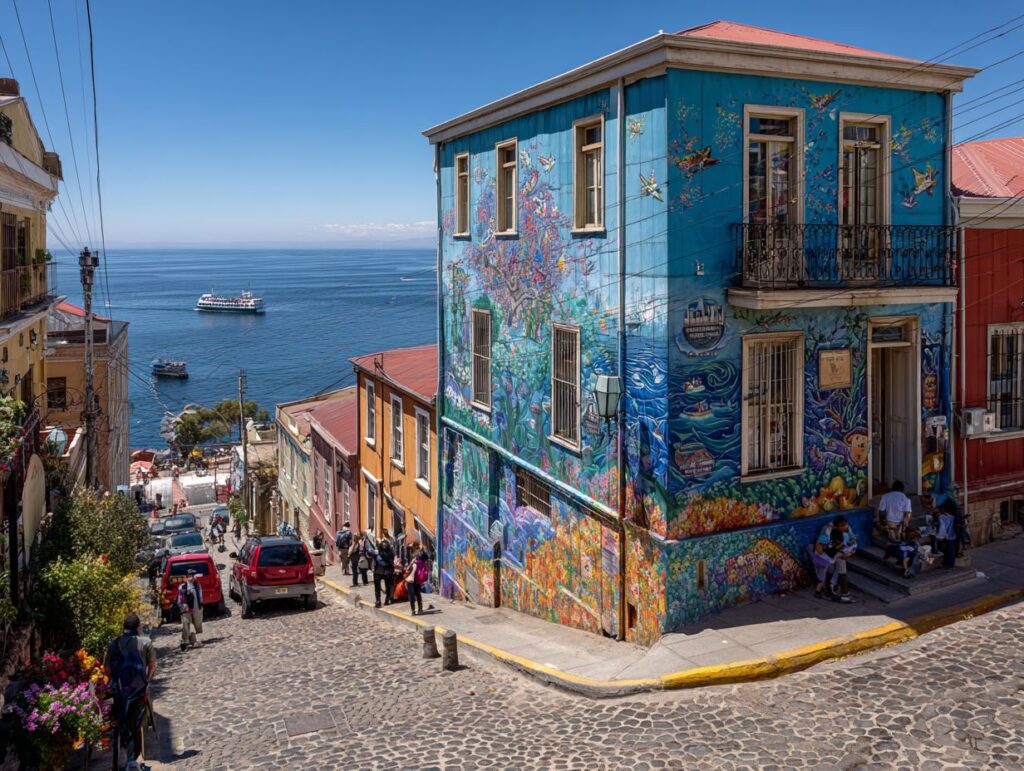
The Mapuche people, recognized as one of the largest indigenous groups in Chile, play a vital role in shaping the cultural identity of the nation by preserving ancient customs and traditions.
Visitors have the opportunity to immerse themselves in Mapuche culture through a variety of unique experiences. They may attend traditional storytelling sessions, where elders recount tales of their ancestors, often accompanied by the distinct sounds of the trutruka, a traditional horn.
Additionally, participating in craft workshops allows tourists to learn the art of weaving traditional textiles or creating silver jewelry. Some communities also offer guided tours of their ancestral lands, showcasing traditional agricultural practices.
Engaging with the Mapuche in these authentic experiences promotes a deeper appreciation for their rich and vibrant heritage, including their ancient customs and traditions.
Colonial History
Chile’s colonial history is prominently reflected in its architecture, traditions, and urban landscape, particularly in Santiago. Visitors to the city can explore vibrant neighborhoods that are steeped in historical significance.
To gain a deeper understanding of Santiago’s colonial past, it is advisable to visit key sites such as:
- La Moneda Palace, which exemplifies neoclassical design
- The Metropolitan Cathedral, a notable representation of Baroque architecture
- The Plaza de Armas, serving as the historical center of the city, housing the National Historical Museum
For a more immersive experience, one may consider participating in a walking tour that commences in the Bellavista neighborhood, where colorful murals harmoniously coexist with colonial buildings, reflecting Santiago’s vibrant culture.
Local companies frequently provide guided tours that explore Santiago’s rich history and cultural evolution, typically lasting approximately two hours and uncovering hidden narratives along the way.
Gastronomic Delights
Chilean gastronomy presents a remarkable fusion of traditional flavors and contemporary culinary techniques, reflecting the country’s rich agricultural heritage and abundant coastal resources.
Local Wines
Chile is recognized for its exceptional wines, particularly from regions such as the Central Valley, which is known for producing world-class Cabernet Sauvignon and Carmenre. The Central Valley boasts notable vineyards, including Via Concha y Toro, where guided tastings provide valuable insights into their highly regarded varietals.
In the adjacent Colchagua Valley, Via Viu Manent offers a delightful experience with its historic estate and engaging outdoor tours. To enhance one’s visit, it is advisable to schedule the trip during the harvest festivals, which occur from late March to early April.
During this time, visitors can participate in grape-picking activities and enjoy various local festivities.
It is recommended to book tastings in advance to secure a spot, particularly during peak seasons.
Traditional Dishes
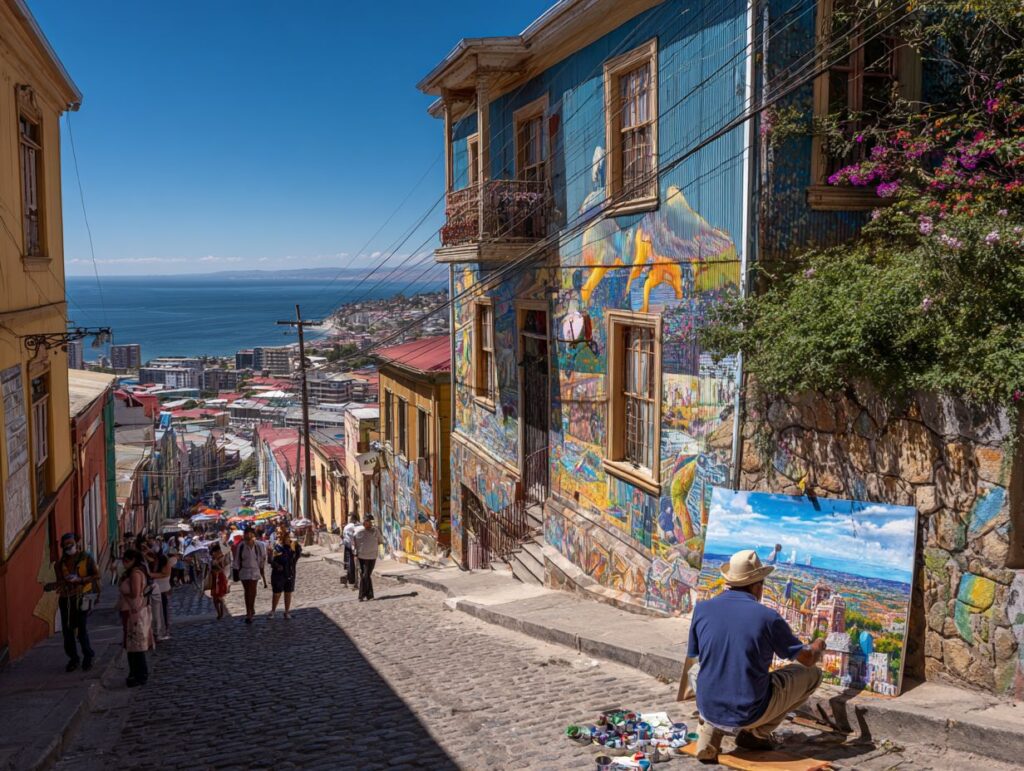
Chilean cuisine is distinguished by its robust flavors, featuring traditional dishes such as empanadas and pastel de choclo, along with the renowned Pisco Sour cocktail. These gastronomic delights are must-tries for any travel bucket list.
Empanadas, a fundamental component of the cuisine, are typically filled with seasoned beef, chicken, or cheese, making them an ideal choice for a quick meal. Pastel de choclo, a corn pie, artfully combines ground meat with spices and is topped with a layer of mashed corn, reflecting the influence of indigenous culinary traditions.
To prepare an authentic Pisco Sour, one should blend Pisco with lime juice, simple syrup, and egg white to achieve a frothy consistency.
For those interested in experiencing these dishes, La Fuente de Soda in Santiago offers a casual dining atmosphere, while Mercado Central provides a vibrant setting filled with local flavors.
Adventure Activities
Chile presents a diverse range of opportunities for adventure enthusiasts, featuring activities that include hiking in the Andes and surfing along the Pacific coast.
Hiking and Trekking
Chile’s diverse landscapes offer some of the finest hiking trails globally, particularly exemplified by routes in Torres del Paine and around Licancabur Volcano.
The Torres del Paine Circuit is highly recommended, featuring varied terrain over the course of 8 to 10 days, with a moderate level of difficulty. For those seeking a shorter experience, the Base of the Towers hike is an excellent option, spanning 8 hours round trip and suitable for most hikers.
Essential gear for these excursions includes:
- Sturdy hiking boots
- Layers to accommodate changing weather conditions
- A reliable map or GPS device
It is advisable to consider joining a guided tour provided by companies such as Fantasilandia, which offers expert guidance, or to connect with local clubs like Club de Andinismo. Engaging with these organizations can enhance the hiking experience by fostering connections with fellow hikers and gaining valuable insights.
Water Sports
Chile presents an extensive array of exhilarating water sports suitable for participants of all skill levels, ranging from sand dune surfing in the Atacama Desert to kayaking in the picturesque lakes of Patagonia.
In the Atacama Desert, individuals can experience sandboarding at Valle de la Luna, where guided tours are available for those who are new to the activity. In contrast, paddleboarding on Lake Villarrica, located near Pucn, offers breathtaking views of the surrounding volcanoes.
Local establishments, such as the Pucn Kayak Hostel, provide rentals for boards and kayaks. It is imperative to prioritize safety by wearing life jackets and being mindful of changing weather conditions.
For those seeking adventure, the international Pucn Water Sports Festival held in January features local talent and creates a vibrant atmosphere for spectators and participants alike.
Learn more, Best Outdoor Activities in Chile – Tiny Xperience
Frequently Asked Questions
Why should I consider putting Chile on my South American travel bucket list?
Chile is a diverse and captivating country with a wide range of attractions, including the world’s driest desert, stunning glaciers, and charming cities. It offers something for every type of traveler, making it a must-visit destination in South America.
What are some unique experiences I can have in Chile?
Chile is home to some incredible experiences, such as hiking through Patagonia, exploring the natural beauty of Valle de Marte, stargazing in the Atacama Desert, and wine tasting in the Central Valley. You can also visit Easter Island to see the famous Moai statues or go whale watching in Chiloe Island, a unique destination known for its wildlife conservation.
Is Chile safe for travelers?
Chile is generally considered a very safe country for travelers. However, like with any destination, it’s always important to be aware of your surroundings and take necessary precautions to ensure a safe trip, especially near the Andes Mountains. Avoid isolated areas and be cautious of pickpockets in crowded tourist areas, particularly around popular Chilean cuisine spots serving Pisco Sour.
What is the best time to visit Chile?
The best time to visit Chile depends on what you want to do and see. The summer months (December to February) are ideal for visiting Patagonia and the Lake District, and exploring the volcanic reserves, while the winter months (June to August) are perfect for skiing in the Andes near the Licancabur Volcano. Spring (September to November) and fall (March to May) are considered the best times to visit the wine regions and enjoy the turquoise waters along the Pacific Ocean.
What is the currency used in Chile?
The official currency in Chile is the Chilean Peso (CLP). It’s best to exchange your money at banks or official exchange offices for the best rates. Credit cards are widely accepted in major cities like Santiago, but it’s always good to have some cash on hand for smaller purchases or in more remote areas like San Pedro de Atacama or near the El Tatio Geysers.
Do I need a visa to visit Chile?
Most visitors to Chile do not need a visa for stays of up to 90 days. However, it’s always best to check the visa requirements for your specific nationality before traveling, especially if you plan to visit Chilean deserts like Valle de la Luna. You will need a valid passport with at least six months remaining before expiration to enter the country.