Discover the vibrant allure of Chile in our comprehensive adventure travel guide for 2025, where adventure meets rich cultural heritage. From the bustling streets of Santiago to the breathtaking landscapes of the Atacama Desert, Patagonia, and Easter Island with its iconic moai statues, Chile offers a myriad of experiences. This guide will illuminate must-see destinations, delectable local cuisine, hidden treasures, and historical sights, ensuring you make the most of your journey through this stunning South American gem. Prepare to explore, taste, and embrace the wonders of Chile’s eco-tourism and dynamic cultural heritage!
Table of Contents
Key Takeaways:
- Immerse yourself in Chile’s diverse culture and stunning landscapes, from the Atacama Desert to Patagonia and Valparaso, and vibrant cities like Via del Mar.
- Savor traditional Chilean dishes, explore the country’s renowned wine regions, and experience local customs.
- Experience thrilling outdoor activities such as hiking and water sports, while following transportation options and safety guidelines for a smooth and secure trip.
Geography and Climate
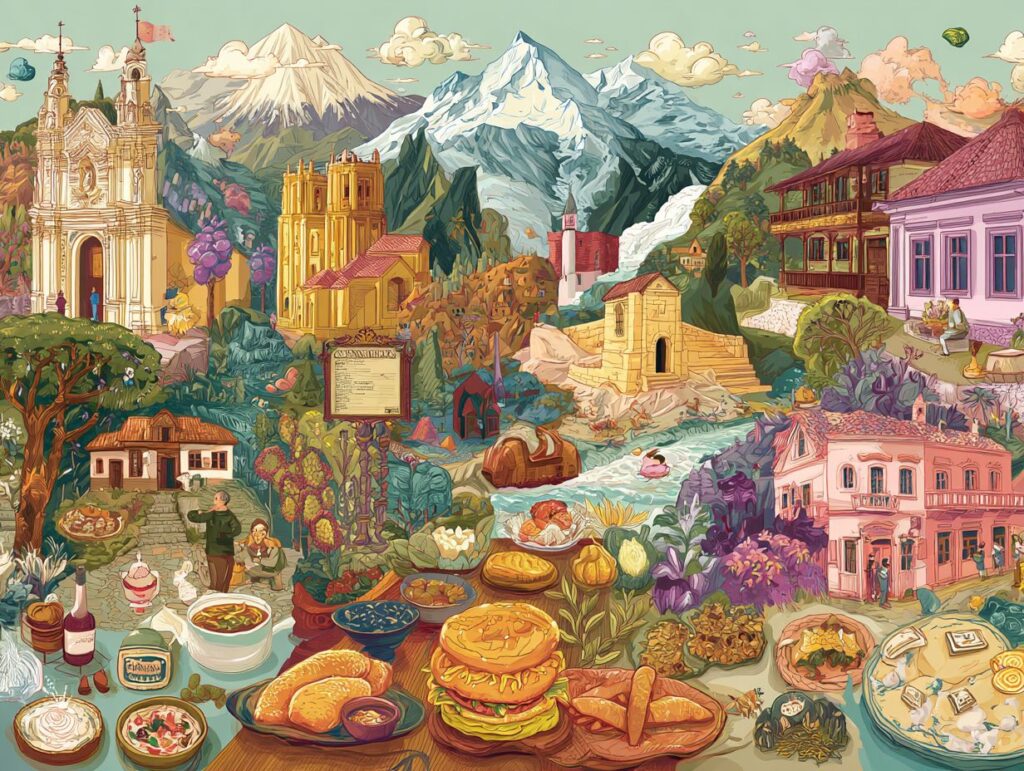
Chile’s geography is characterized by remarkable extremes, ranging from the arid Atacama Desert in the north to the glacial landscapes of Patagonia in the south. The Atacama Desert, recognized as the driest desert in the world, features stunning salt flats and unique rock formations that are particularly suitable for stargazing.
In contrast, Torres del Paine National Park presents dramatic mountains and turquoise lakes, making it an ideal destination for hiking enthusiasts. The climate across these regions varies significantly; the northern region predominantly experiences dry, warm weather, whereas Patagonia is characterized by a cool, wet climate.
For optimal travel experiences, it is recommended to visit the Atacama Desert between May and October for clearer skies, while the ideal time to explore Torres del Paine is during the warmer months of December to March, which provide the best conditions for hiking.
Culture and Language
Chilean culture represents a vibrant tapestry woven from indigenous traditions and Spanish colonial influences, with Spanish serving as the predominant language throughout the country.
Significant festivals, such as Fiestas Patrias, commemorate Chile’s independence through the celebration of traditional music, dance, and cuisine, drawing heavily from both Spanish and indigenous heritages.
The customs of the Mapuche people hold particular importance, contributing to the Chilean identity through their music and dance forms, including the ‘guillan’ and ‘trankura.’
Instruments such as the ‘guitarro’ and ‘kultrn’ provide a distinctive sound that reflects this cultural amalgamation. Additionally, local practices involving ‘mate’ rituals exemplify the hospitality and communal spirit of the Chilean people, further enriching the cultural landscape of the nation.
Top Destinations
Chile presents a diverse array of stunning destinations, each distinguished by its own unique charm, ranging from the arid landscapes of the Atacama Desert to the vibrant streets of Valparaso.
Atacama Desert
The Atacama Desert, recognized as the driest non-polar desert in the world, offers exceptional opportunities for stargazing and features unique geological formations such as Valle de la Luna.
For an unforgettable experience, it is advisable to visit Valle de la Luna at sunset when the vibrant colors beautifully illuminate the landscape.
To maximize the stargazing experience, one may consider participating in a local tour, such as those provided by Cosmic Dust or Atacama Desert Stargazing. These tours include the use of telescopes and are led by expert guides.
Typically lasting approximately three to four hours, these tours reveal celestial wonders such as the Andromeda Galaxy and Saturn. It is recommended to book in advance during peak seasons to ensure availability and to enhance your adventure in this remarkable desert environment.
Patagonia
Patagonia is widely recognized for its breathtaking landscapes, with Torres del Paine National Park serving as a premier destination for adventure enthusiasts and nature aficionados.
Within Torres del Paine, visitors have the opportunity to engage in a variety of outdoor activities. Hiking the renowned W Trek provides stunning views of glaciers like the Perito Moreno Glacier and turquoise lakes, while opportunities for wildlife observation, including Humboldt penguins, are plentiful, with guanacos and condors frequently visible. For those seeking excitement, glacier trekking on Grey Glacier offers an exhilarating experience for nature lovers.
The optimal time to visit Torres del Paine is during the summer months in the Southern Hemisphere, from November to March, when temperatures are milder and trails are more accessible. A visit would be incomplete without experiencing the iconic Base of the Towers, a remarkable viewpoint that encapsulates the park’s extraordinary beauty.
Valparaso
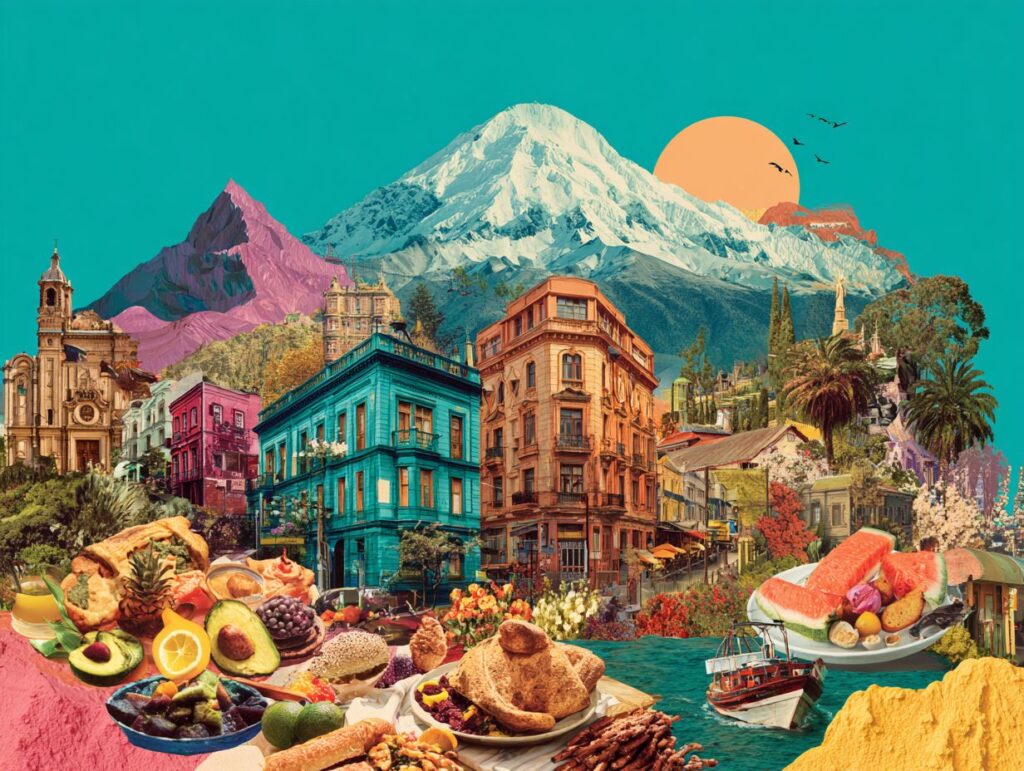
Valparaso, recognized as a UNESCO World Heritage site, is distinguished for its vibrant street art, dynamic cultural scene, artisan markets, and historical importance within Chilean heritage.
To fully appreciate what Valparaso has to offer, one should begin with a ride on its iconic funiculars, such as the Ascensor El Peral, which provides breathtaking views while ascending the steep hills.
Exploring the narrow streets of Cerro Alegre and Cerro Concepcin reveals impressive murals that embody the city’s artistic spirit. Additionally, a visit to the bustling Mercado Cardonal is highly recommended, where one can sample fresh seafood and local produce.
When navigating the hills, it is advisable to wear comfortable footwear and consider utilizing the city’s public transportation system, or alternatively, embrace the experience of walking along the picturesque inclines.
Culinary Delights
Chilean cuisine represents a remarkable amalgamation of flavors shaped by the country’s varied geography and rich cultural heritage, rendering it an essential experience for any visitor.
Traditional Dishes
Some of the most cherished traditional dishes in Chile include empanadas and pastel de choclo, which exemplify the country’s rich culinary heritage.
Empanadas are savory pastries typically filled with beef, chicken, or cheese, and seasoned with onions and olives. For an authentic experience, one may consider visiting La Fama in Santiago, renowned for its crispy outer shell and delectable fillings.
Pastel de choclo, a corn pie layered with ground meat, olives, and topped with corn puree, is available at El Hoyo, a restaurant that celebrates traditional Chilean flavors.
Both dishes reflect Chile’s agricultural abundance and can be recreated at home using local ingredients to achieve a genuine taste of the country.
Wine Regions
Chile’s wine regions, particularly the Central Valley, are renowned for producing some of the finest wines, with Concha y Toro recognized as a prominent name in global wine production, offering unique experiences for wine enthusiasts.
Key regions worth exploring include the Maipo Valley and Colchagua Valley, each distinguished by their unique varietals. In the Maipo Valley, visitors can tour wineries such as Santa Rita, known for its exquisite Cabernet Sauvignon. Meanwhile, Colchagua Valley is celebrated for its exceptional Syrah; Montes Winery offers notable blends that reflect the region’s passionate winemaking tradition.
For an enriching experience, it is advisable to book a wine tour through reputable companies like VinoTravel or Wine and Tours Chile, which provide personalized tastings and vineyard visits, often complemented by local gastronomic offerings.
Additionally, sampling the rich, full-bodied Carmnre, a signature grape of Chile, is highly recommended.
Learn more, Chilean Cuisine: A Culinary Journey through the Country’s Flavors
Outdoor Activities
Outdoor enthusiasts will discover a wide array of activities, ranging from hiking the breathtaking trails of Torres del Paine to engaging in water sports along the dramatic coastlines of Chile.
Hiking Trails

Chile is home to some of the world’s most stunning hiking trails, particularly within Torres del Paine National Park, where a variety of ecosystems and picturesque views are available for exploration. Two notable routes in this area are the W Trek and the O Circuit.
The W Trek is a shorter, four-day hike that highlights the park’s iconic towers and glaciers, making it suitable for those with limited time. Conversely, the O Circuit extends over approximately eight days, providing a more immersive camping experience through diverse landscapes.
For both routes, it is advisable to hire a local guide to enhance safety and gain valuable insights. Permits are required for access to these trails; therefore, it is important to secure them in advance through the park’s official website to prevent any potential delays.
Additionally, it is essential to check weather conditions prior to the hike and to pack necessary safety equipment, including a first aid kit and suitable clothing.
Water Sports
The coastal regions of Chile present a diverse range of water sports, including surfing in Pichilemu, kayaking in the fjords of Patagonia, and experiencing volcano trekking adventures.
Pichilemu, recognized for its consistent waves, hosts local surf schools such as Punta de Lobos Surf School, which offers lessons for all skill levels, starting at approximately $50 for a two-hour session.
In Patagonia, kayaking enthusiasts have the opportunity to explore the breathtaking fjords with companies like Kayak Patagonia, which provides guided tours that prioritize safety and environmental awareness.
For those interested in scuba diving, the waters surrounding the Juan Fernndez Islands are exceptional. Dive Center Juan Fernndez accommodates both beginners and experienced divers, offering packages that commence at $120.
Each destination provides unique experiences tailored to various skill levels.
Travel Tips
Traveling through Chile necessitates careful travel planning, particularly regarding transportation options and safety guidelines, to ensure a seamless experience.
Transportation Options and Scenic Routes
Chile provides several transportation options that enhance the efficiency and affordability of travel between cities, including an extensive bus network and domestic flights, offering scenic routes with breathtaking scenery.
One of the most widely recognized bus services is Turbus, which offers routes connecting major cities such as Santiago, Valparaso, and Concepcin, with ticket prices varying from $10 to $30 depending on the distance traveled.
For those preferring a faster mode of transportation, LATAM Airlines operates frequent flights with fares ranging from $40 to $100. Budget-conscious travelers may find excellent deals on intercity flights through Sky Airline, especially during the best time when seasonal wonders are on display.
To secure the most favorable rates, it is advisable to book tickets at least one month in advance and to consider traveling during off-peak hours.
Safety Guidelines and Health Tips
Understanding safety guidelines is essential for travelers in Chile to ensure a secure and enjoyable experience while also respecting local customs. To enhance personal safety during your time in Chile, consider the following actionable recommendations:
- Avoid walking alone in poorly lit areas, particularly after dark, and utilize reputable transportation services such as Uber or local taxis.
- To protect your belongings, use a crossbody bag and keep valuables concealed, especially in crowded markets.
- Familiarize yourself with emergency contacts, including local police and your country’s embassy.
- Respecting local customs, such as greeting individuals with a handshake, can help establish rapport and may enhance your security by fostering goodwill with the local community.
Frequently Asked Questions
1. Where can I find the best seafood and experience Chilean cuisine during my trip in 2025?
The coastal city of Valparaiso is known for its fresh seafood and local culture, including delicious ceviche and empanadas. You can also try the famous Chilean dish of curanto, a seafood stew cooked in a hole in the ground, showcasing the best of Chilean cuisine.
2. What are some must-see destinations and unique stays in Chile in 2025?
The Atacama Desert, the Patagonia region, and the Easter Island are all must-visit destinations in Chile. Each offers unique and breathtaking landscapes, as well as a glimpse into Chile’s diverse culture and history.
3. Is it safe to travel to Chile in 2025?
Chile is generally a safe country to travel to, with a stable political climate and low crime rates. As with any travel, it is always important to take necessary precautions and be aware of your surroundings. Stay updated on current events and follow any safety guidelines provided by local authorities.
4. What are some lesser-known, hidden gems and historical buildings in Chile to explore in 2025?
For a unique adventure, visit the Marble Caves in General Carrera Lake. These stunning caves can only be accessed by boat and offer a one-of-a-kind experience. You can also hike through the lush forests of Chiloe Island, home to colorful wooden churches, friendly locals, and ancient traditions.
5. What is the best way to get around Chile in 2025?
The most convenient and cost-effective way to travel around Chile is by using the efficient and reliable public transportation system. Buses are the main mode of transportation, with routes connecting all major cities and towns. You can also rent a car or hire a private driver for more flexibility and comfort.
6. What are some traditional dishes I should try in Chile during my 2025 trip?
Aside from seafood, Chile is known for its hearty and flavorful cuisine. Some must-try dishes include pastel de choclo (corn casserole), cazuela (meat and vegetable stew), and the famous empanadas filled with a variety of savory ingredients. Don’t forget to also indulge in some Chilean wine, particularly the reds from the Maipo Valley region.