Choosing the right water filter for your home or personal travel is essential to safeguard against harmful germs like Cryptosporidium parasite while ensuring your water tastes great. With options certified by NSF International, you can easily improve taste and remove beneficial chemicals, effectively handling contaminants removal. This guide will help you test your water, explore various types of filters including water filter pitchers, and consider key factors for making an informed choice. Discover how to protect your health, understand water treatment options, and enjoy clean water wherever you are!
Table of Contents
Key Takeaways:
- Choose a water filter based on your specific needs and budget, taking into account factors such as water quality, filter lifespan, and maintenance requirements.
- Consider the portability and size of the water filter, as well as your usage scenarios, when deciding between a home or travel filter.
- Proper installation and setup of your chosen water filter is crucial for its effectiveness in providing safe and clean drinking water.
Types of Water Filters and Water Filtration Systems
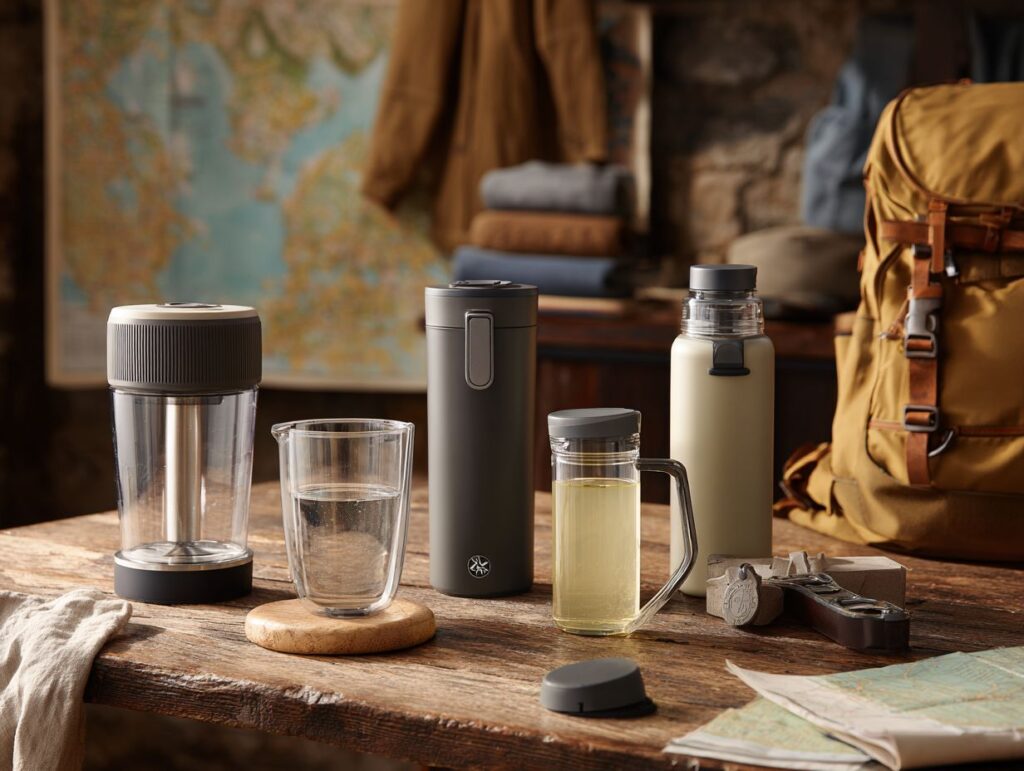
A comprehensive understanding of the different types of water filters is essential for effectively targeting specific contaminants and enhancing overall water quality.
Activated Carbon Filters and Purification Processes
Activated carbon filters are highly effective at removing chlorine, volatile organic compounds (VOCs), and undesirable tastes, which contributes to their popularity in home water filtration systems. These filters utilize the process of adsorption, wherein impurities adhere to the surface of the carbon material, improving filter effectiveness.
They demonstrate particular efficacy in combating chlorine and emerging contaminants such as PFAS.
Notable brands in this market include water filter brands like Brita and Aquasana, with prices ranging from $20 to $100, depending on the specific model. To maintain optimal performance, it is advisable to replace the filter every 2 to 6 months, as recommended by the manufacturer.
Regular maintenance is essential; new filters should be rinsed before use, and the system should be periodically inspected for leaks or clogs to ensure the delivery of clean, great-tasting water.
Reverse Osmosis Systems and Environmental Impact
Reverse osmosis systems employ a semi-permeable membrane to remove up to 99% of dissolved solids and waterborne microorganisms, improving water purification, rendering them highly effective in eliminating harmful contaminants such as Cryptosporidium and E. coli.
The installation costs for reverse osmosis systems generally range from $150 to $500, contingent upon the brand and complexity of the system.
Notable water filter brands in this market include:
- Aarke, recognized for its elegant designs
- Pentair, commended for its durability and efficiency
Regular filter replacement is essential for maintaining optimal performance, with most systems necessitating new filters every 6 to 12 months. Failure to adhere to this maintenance schedule may significantly diminish the system’s effectiveness, allowing contaminants to bypass the filtration process.
Consequently, it is advisable to budget for both the initial investment and ongoing maintenance to ensure sustained water quality over time.
UV Purifiers and Portable Water Purifier
UV purifiers utilize ultraviolet light to effectively neutralize harmful microorganisms such as Giardia and E. coli, addressing toxic contaminants without the need for chemical agents. These systems have gained popularity among outdoor enthusiasts and in emergency situations due to their rapid purification capabilities, often completing the process in less than one minute.
For example, the Steripen Adventurer, which is priced between $100 and $150, is a portable solution that purifies one liter of water in just 48 seconds. To ensure optimal performance, pre-filtration is a critical step; employing a simple coffee filter or a dedicated pre-filter device can remove sediment, thereby allowing UV light to function effectively.
This two-step approach guarantees the provision of clean and safe drinking water, whether in camping scenarios or survival situations.
Factors to Consider When Choosing a Home Water Filter
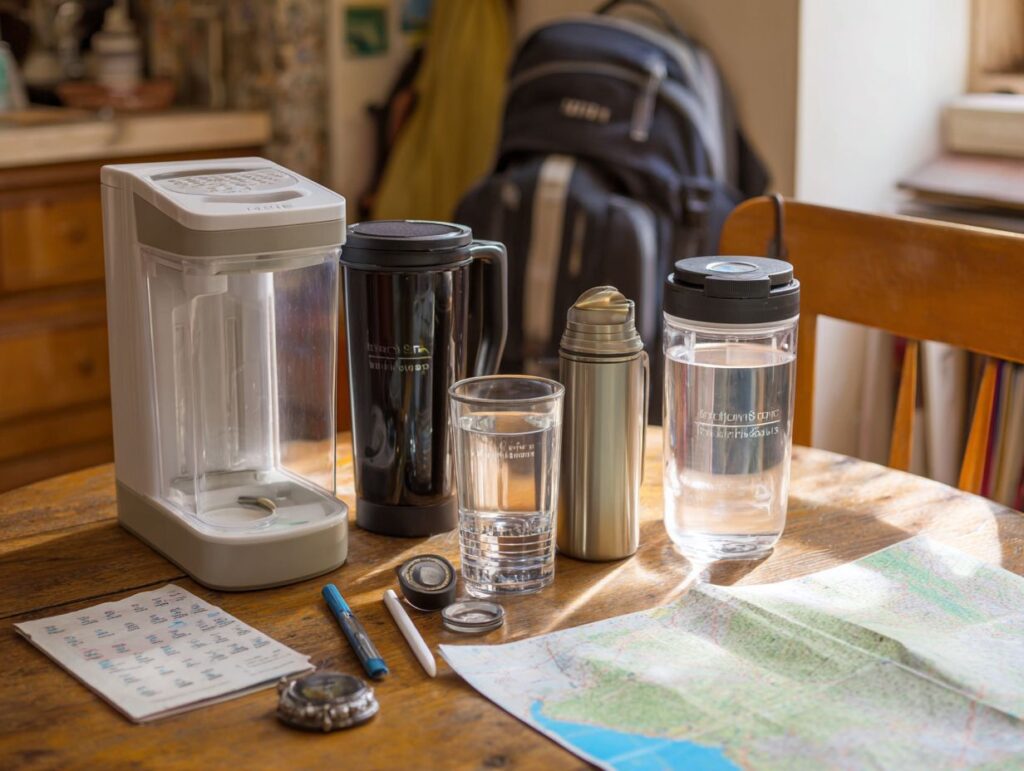
Selecting the appropriate water filter necessitates a thorough evaluation of several factors, including water quality report, the specific contaminants present, and the filter maintenance requirements of the filter.
Water Quality and Contaminants
A comprehensive water quality report provides essential information regarding the presence of various contaminants, which is instrumental in selecting the most effective filtration system to meet specific needs.
To address particular contaminants, testing tools such as SimpleLab or WaterCheck, recommended by Consumer Reports, are highly valuable. Upon identifying issues such as chlorine, heavy metals, or microorganisms, it is advisable to consider appropriate filtration options.
- For instance, activated carbon filters are effective for chlorine removal and flavors and odors,
- while reverse osmosis systems are suitable for addressing heavy metals.
- Additionally, ultraviolet (UV) purifiers are recommended for the elimination of microorganisms.
For example, a basic activated carbon pitcher may be adequate for chlorine removal; however, a more sophisticated multi-stage reverse osmosis system may be required for well water with elevated lead levels. Understanding the unique profile of one’s water is essential for selecting the appropriate solution.
Filter Lifespan and Maintenance and Water System Monitoring
Understanding the lifespan and maintenance requirements of water filters, endorsed by the Environmental Protection Agency, is essential for ensuring consistent water quality and operational efficiency.
Different types of water filters possess varying lifespans and replacement costs. For example, activated carbon filters typically have a lifespan of approximately six months, with replacement costs around $20. In contrast, reverse osmosis filters can last up to two years, although their replacements may incur costs ranging from $50 to $100.
It is critical to regularly monitor filter performance; utilizing Total Dissolved Solids (TDS) meters can effectively assess water quality, improving consumer confidence report. It is advisable to budget approximately $100 annually for routine maintenance, which may encompass filter replacements and cleaning, thereby ensuring that the filtration system operates at its optimal capacity.
Learn more, 5 Pitfalls to Avoid When Choosing a Home Water Filtration …
Home vs. Travel Water Filters and Public Water System
When selecting between home and travel water filters, it is essential to consider factors such as portability and the specific intended usage scenarios to ensure the provision of safe drinking water.
Portability and Size
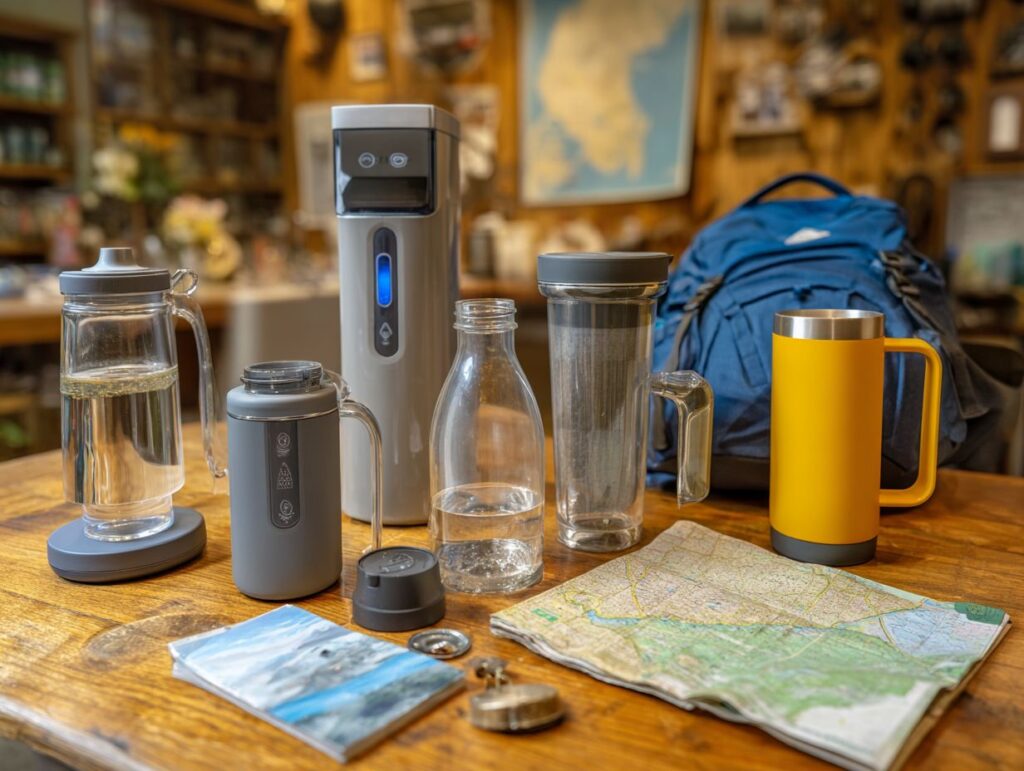
Portability is an essential consideration when selecting travel water filters, as these devices should be both lightweight and compact while maintaining effective filtration capabilities.
Among the recommended options is the Sawyer Mini, which weighs only 3 ounces and effectively removes 99.99% of bacteria and protozoa, retailing for approximately $20. The Katadyn BeFree, while slightly heavier at 5 ounces, provides a faster flow rate, making it suitable for individuals with a more active lifestyle, and is priced around $50. For serious hikers, the MSR Guardian is available at a weight of 14 ounces; it accommodates larger groups and is capable of treating water contaminated with viruses, costing approximately $350.
The selection of an appropriate filter should be based on individual travel requirements, ranging from light excursions to extended backcountry trips.
Usage Scenarios
Understanding the specific usage scenarios for water filters enables users to make informed decisions, whether in residential settings or while traveling.
At home, under-sink filters, such as the APEC Water Filters ROES-50, provide a reliable source of clean drinking water for everyday use. For outdoor activities such as camping, portable options like the Sawyer Mini Water Filter are both lightweight and effective, allowing individuals to purify water from natural sources with ease.
In emergency situations, alternatives to bottled water, such as LifeStraw personal water filters, can be crucial for ensuring access to safe drinking water, recommended by health department.
Additionally, choosing reusable filters contributes to the reduction of single-use plastic waste from bottled water, thereby fostering a positive environmental impact while also offering long-term financial savings.
Cost Considerations and Installation Costs
Cost considerations are critical when selecting water filters, as they encompass the initial purchase price, installation costs, and long-term maintenance expenses.
For a comprehensive home water filtration system, one should budget approximately $300 to $800 for the initial investment, depending on the type of system selected. For example, a reverse osmosis system typically averages around $400, while a whole-house filter may exceed $1,000, certified by American National Standards Institute.
It is important to factor in recurring costs as well; replacement filters generally range from $50 to $150 annually. In contrast, the cost of bottled water for travel purposes can vary, typically ranging from $1 to $2 per bottle.
If one consumes a gallon daily, this could amount to $365 to $730 each year, thus making a permanent filtration system a more economical choice in the long term.
Installation and Setup and Purification Cartridge
The installation process for water filtration systems can vary significantly based on the selected filter type, impacting both the complexity of the setup and the associated costs.
For under-sink filters, the following steps should be adhered to:
- Shut off the water supply as advised by community water suppliers.
- Install the filter’s mounting bracket.
- Connect the water lines.
The typical cost for professional installation of this type of water treatment systems ranges from $100 to $200. In contrast, faucet-mounted filters like those from Aquasana and Brita are generally more straightforward; they typically attach directly to the faucet and require minimal plumbing skills. Consequently, do-it-yourself enthusiasts can often manage the installation of both types, including faucet-mounted filters, thereby reducing costs considerably.
It is essential to consider regular filter replacements in order to maintain optimal performance and ensure the safety of water. Most filters, including those certified by NSF International, have a lifespan of 6 to 12 months, with replacement costs averaging around $30 each.
Frequently Asked Questions
How do I choose the right water filter for my home?
When selecting a water filter for your home, it is important to consider the type of contaminants you want to remove, such as Cryptosporidium parasite and Giardia, your budget, and the size of your household. Different types of water filters, such as those from brands like Aarke and Apex Water Filters, are designed to remove specific contaminants, so you should research and compare your options before making a decision.
What type of water filter is best for travel?
Portable water filters, such as the Sawyer Mini and Steripen Adventurer, are the best option for travel. These compact filters are easy to pack and can remove a wide range of contaminants, including E. coli and chemical pollutants, from different water sources. Some popular options include gravity filters and straw filters, which can be used to purify water on the go without the need for electricity.
Are there any water filters that don’t require electricity?
Yes, there are several types of water filters that do not require electricity, such as gravity filters, ceramic filters, and straw filters. Gravity filters, ceramic filters, and straw filters are all great options for those looking for a non-electric water filter. These filters, such as those from Pentair and Clorox, are also easy to maintain and can be used on camping trips or in emergency situations.
How do I determine the size of water filter I need for my household?
The size of your water filter, which can be determined by the pore size, depends on the amount of water your household consumes. Most manufacturers, including those certified by the American National Standards Institute, provide information on the filter’s flow rate, which indicates how many gallons of water the filter can produce per minute. To determine the right size, multiply the flow rate by the number of people in your household and the average daily water usage per person, taking into consideration any drinking-water complaints or specific needs.
What is the maintenance required for a water filter?
The maintenance required for a water filter depends on the type of filter you choose, such as those recommended by Consumer Reports or tested by SimpleLab. Some filters, such as reverse osmosis systems, require regular filter changes and cleaning, while others, like ceramic filters, may use an electric charge for self-cleaning. Other filters, like ceramic filters, can be easily cleaned and reused, offering chemical water purification options. It is important to follow the manufacturer’s instructions for proper maintenance to ensure the filter continues to work effectively, especially in removing PFAS and other contaminants.
Are there any government regulations for water filters?
Yes, the Environmental Protection Agency (EPA) sets national standards for safe drinking water according to the Safe Drinking Water Act. The EPA requires all water filters to meet certain contaminant reduction standards, such as those tested by National Testing Laboratories, before they can be sold to consumers. It is important to check if a filter is certified by the NSF or WQA to ensure it meets these regulations and can effectively remove contaminants like Cryptosporidium.