When undertaking the renovation or design of a kitchen or bathroom, the selection of appropriate cabinetry styles is of paramount importance. Both custom and prefabricated cabinets present distinct advantages and considerations that should be carefully evaluated. Whether operating within a strict budget or pursuing a specific aesthetic, it is essential to comprehend the factors that influence this decision. This article examines the benefits of both custom and prefabricated cabinets, aiding in the determination of which option best aligns with your space and personal style.
Table of Contents
Key Takeaways:
- Custom cabinets offer a tailored and high-quality option, but can be more expensive and time-consuming.
- Prefab cabinets are cost-effective and easy to install, but may not fully meet your design preferences and may be lower in quality.
- When deciding between custom and prefab cabinets, consider your budget, time constraints, personal style, and priorities to determine the best fit for your space.
What are Custom and Prefab Cabinets?
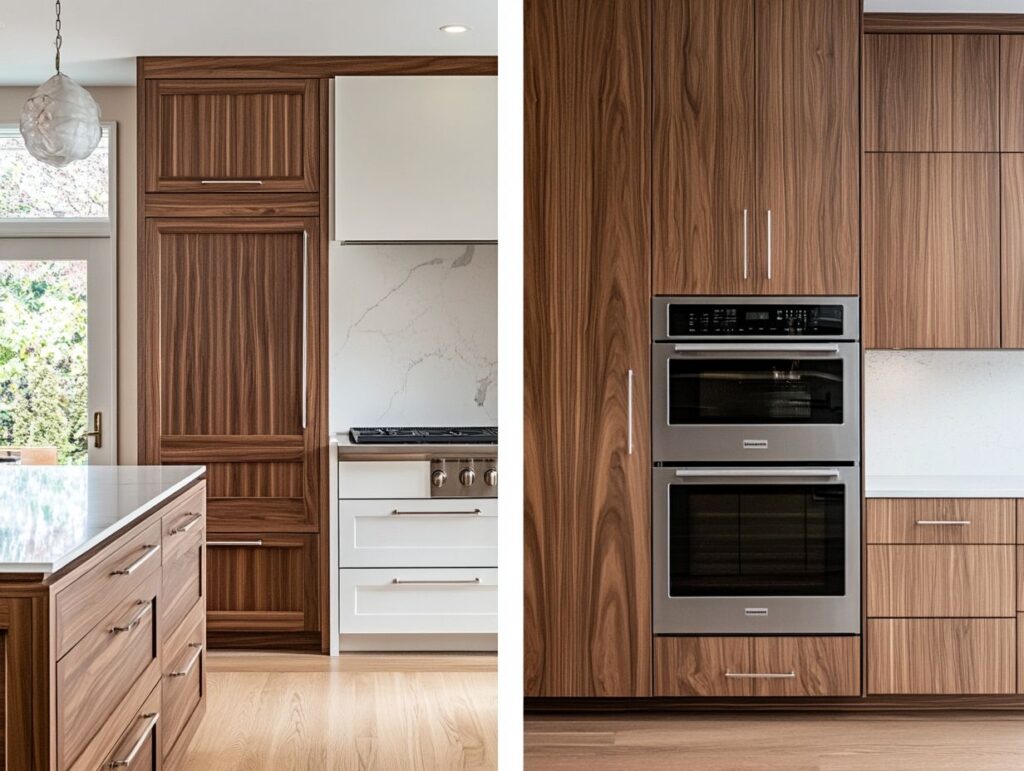
Custom and prefab cabinets represent two distinct approaches to cabinetry, offering both custom cabinetry and prefab cabinetry options to kitchen cabinetry, each catering to varying needs and preferences. Custom cabinets provide personalized design options that are specifically tailored to the homeowner’s unique space and requirements, utilizing high-quality materials such as maple, oak, or cherry. In contrast, prefab cabinets, often featuring durable materials, are commercially available options that offer budget-friendly choices while still incorporating a variety of cabinetry features.
Understanding the differences between these two cabinet types is essential for individuals undertaking kitchen remodels or renovations, as they significantly influence both aesthetics and functionality.
Custom cabinetry excels in maximizing space efficiency and accommodating unique layouts, making it particularly suitable for kitchens with unconventional shapes or specific storage needs. Homeowners have the opportunity to select distinct finishes, colors, and hardware options that align with their individual tastes.
Conversely, prefab cabinets, such as those available at Home Depot and Menards, are available in standardized sizes, which facilitates easier installation and serves as a practical choice for those seeking to complete a project expeditiously. According to Home Depot, understanding the difference between in-stock and custom cabinets can greatly assist in making an informed decision that aligns with your budget and design vision. These cabinets still provide a range of styles, from modern to traditional, allowing them to complement various kitchen designs and enhancing cabinetry appeal.
Ultimately, the decision between custom and prefab options depends on factors such as budget, design vision, and the level of customization desired to enhance the overall kitchen experience.
Factors to Consider When Choosing Cabinets
When selecting cabinets for a kitchen remodel, it is imperative to consider several factors that will significantly influence decision-making and the overall outcome of the project.
Cabinetry should align with design preferences, functionality requirements, and budget constraints to ensure client satisfaction, while also taking into account the available space and potential storage capacity.
Investing in high-quality materials can enhance both durability and aesthetics, making it essential to evaluate the long-term investment value in relation to more budget-friendly options. For context, Lowe’s offers a comprehensive Kitchen Cabinet Buying Guide, which explores the various considerations homeowners should factor into their decisions.
By carefully assessing these remodeling options, homeowners can ensure that their cabinetry not only complements the kitchen’s aesthetics but also meets their specific needs.
Budget and Time Constraints
Budget and time constraints significantly influence the decision-making process when selecting cabinets for kitchen remodels. Homeowners must carefully assess their financial limitations and consider cost-effective options that do not compromise quality or aesthetics.
A thorough understanding of the installation processes associated with both custom and prefabricated cabinets can aid in accurately estimating the project timeline. Consulting with industry experts can provide valuable insights into cost management while ensuring that the selected cabinetry aligns with the desired design and functionality standards.
It is essential for individuals to achieve a balance between aesthetics and efficiency when budgeting for cabinetry. Custom options, often crafted by local craftsmanship, offer unique designs but generally come with higher costs and extended lead times due to the bespoke nature of their manufacturing processes. Conversely, prefabricated cabinets represent a more budget-friendly and time-efficient alternative, albeit with limited customization options.
Expert guidance can be invaluable in navigating these trade-offs, providing clarity on installation timelines, potential delays, and overall project management. This support enables homeowners to remain within their budget while still realizing their vision for the space. A respected source, Houzz, provides a detailed price breakdown of kitchen cabinets that can help homeowners make informed decisions.
Personal Style and Design Preferences
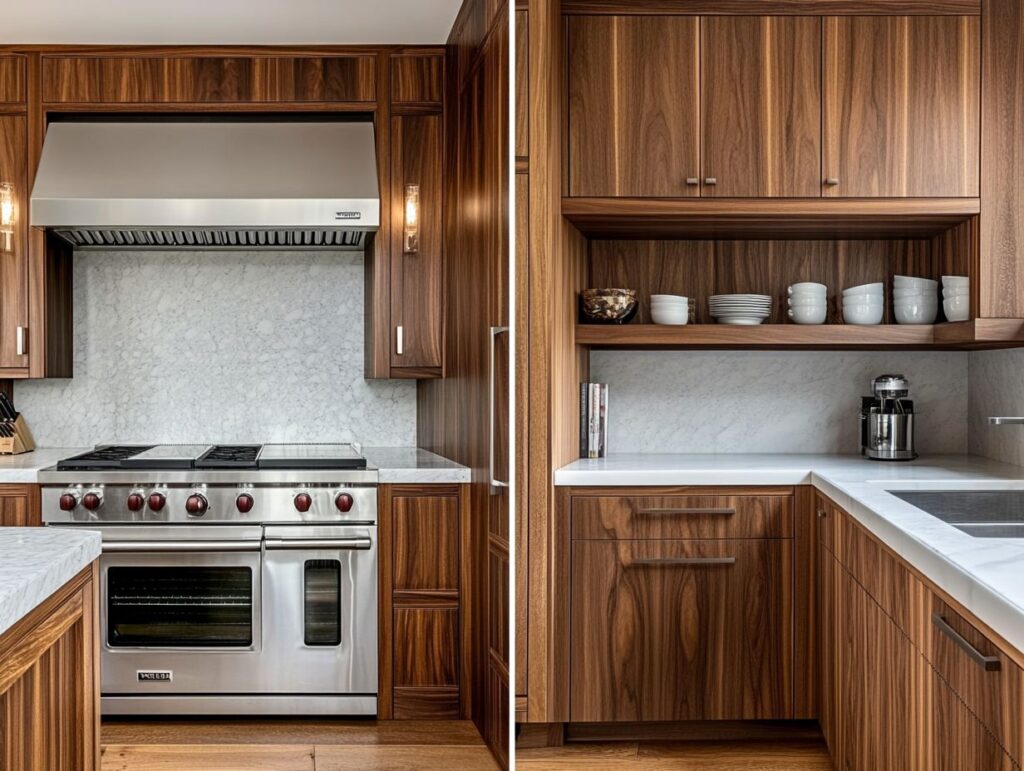
Personal style and design preferences, including cabinetry appeal and finish quality, are essential considerations in the selection of cabinets for any kitchen remodel. Homeowners should begin by identifying their desired cabinetry styles and how these align with the overall aesthetics they wish to achieve in the kitchen.
A modern, minimalist approach may favor sleek, high-gloss finishes, whereas a more traditional aesthetic could require richly stained wood with intricate detailing. The decision between custom and prefabricated options significantly impacts the final appearance; for instance, custom cabinets can be uniquely tailored to accommodate specific layouts or color schemes, while prefabricated options may offer cost-effective solutions without compromising style.
Additionally, the growing trend toward open-concept living underscores the importance of cabinetry that seamlessly integrates with surrounding spaces. This makes the selection of hardware and finishes crucial in achieving a cohesive ambiance throughout the home.
Benefits of Custom Cabinets
Custom cabinets offer numerous cabinetry benefits that can greatly improve the overall quality and functionality of a kitchen.
Specifically designed to fit individual spaces and meet unique requirements, these cabinets provide not only tailored storage solutions but also the opportunity to incorporate personalized design elements that align with one’s aesthetic preferences, contributing to the overall kitchen aesthetics.
By utilizing high-quality materials and expert craftsmanship, custom cabinetry guarantees material durability and longevity, representing a valuable investment that enhances the overall worth of a home.
Furthermore, the ability to customize dimensions and features facilitates optimal kitchen organization and efficient use of space.
Tailored to Your Space and Needs
One of the most significant advantages of custom cabinets is their ability to be tailored precisely to individual spaces and specific needs. Unlike store-bought alternatives, custom cabinetry is designed to fit seamlessly within the designated kitchen layout, allowing for optimal utilization of space. This tailored approach ensures that every inch of the kitchen is effectively utilized, thereby enhancing both functionality and aesthetics.
Custom solutions can also incorporate cabinetry features that cater to unique preferences, facilitating the achievement of ideal organization and storage capacity within the kitchen.
Custom cabinets can be designed in a variety of styles and finishes to complement the existing decor, ensuring a cohesive appearance throughout the space. Regardless of whether the kitchen is L-shaped, U-shaped, or galley-style, custom cabinetry enables homeowners to maximize corner areas with unique storage solutions with features such as lazy Susans or pull-out shelves, thus enhancing accessibility and convenience.
Additionally, adjustable shelving options further contribute to their adaptability, allowing for the easy storage of items of varying sizes.
For individuals who enjoy cooking and entertaining, the incorporation of specialized features, such as built-in spice racks or wine compartments, effectively reflects personal culinary habits, resulting in a kitchen that is not only functional but also a true representation of individual style.
High-Quality Materials and Craftsmanship
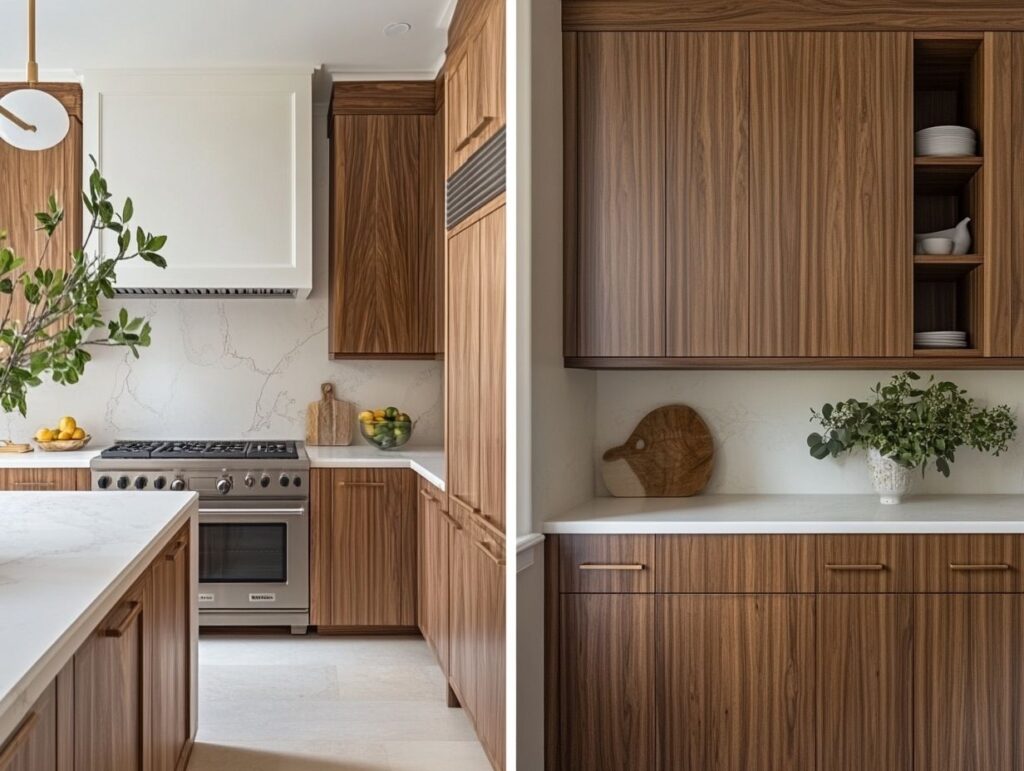
Custom cabinets are distinguished by their utilization of high-quality materials and exceptional craftsmanship, both of which are essential for ensuring durability and aesthetic appeal.
Among these materials, solid wood is particularly notable due to its inherent beauty and strength, often imparting warmth and character to any space. Conversely, medium-density fiberboard offers a smooth surface that can be easily painted or veneered, rendering it a versatile option for contemporary designs.
Eco-friendly materials, such as bamboo or reclaimed wood, not only promote sustainability but also provide unique textures and finishes that can enhance the overall ambiance of a setting.
The meticulous craftsmanship inherent in custom cabinetry guarantees that each piece is tailored to meet the specific needs of the homeowner, resulting in an ideal combination of functionality and style that can elevate any interior environment.
Benefits of Prefab Cabinets
Prefab cabinets offer numerous advantages that render them an attractive choice for homeowners engaged in kitchen remodels. Their cost-effective nature enables homeowners to adhere to their budget while still attaining visually appealing kitchen aesthetics.
Furthermore, prefab cabinets are designed for ease of installation, typically requiring less time to set up in comparison to custom alternatives. This characteristic positions them as a time-saving option for individuals seeking to complete their kitchen transformations efficiently.
Additionally, prefab cabinets can provide adequate kitchen organization and functionality in the kitchen, making them suitable for a variety of design preferences.
Cost-Effective and Time-Saving Remodeling Options
One of the primary advantages of prefab cabinets is their cost-effectiveness, making them an appealing option for many homeowners looking for store-bought cabinets. These budget-friendly alternatives offer substantial savings compared to custom cabinetry, allowing homeowners to allocate their finances to other aspects of their kitchen remodel, such as project consultation with Artisol Design or Seans Cabinetry.
Plus their affordability, prefab cabinets provide time-saving solutions that can be installed quickly, often requiring fewer labor hours than custom installations. This efficiency can significantly reduce the overall timeline of kitchen renovations, making them a practical choice for those in need of immediate kitchen upgrades utilizing eco-friendly options.
The ease of installation associated with these cabinets streamlines the renovation process with space optimization, enabling homeowners to enjoy their upgraded spaces sooner. In many instances, prefab cabinets arrive pre-assembled or with straightforward assembly instructions, further simplifying the task. This convenience not only reduces the necessity for professional assistance but also gives the power to DIY enthusiasts to undertake their projects with confidence, benefiting from the quality craftsmanship offered by Home Depot, Menards, and Madison, WI stores.
By opting for prefab cabinets, homeowners can capitalize on both reduced costs and a more efficient renovation timeline, making this selection a prudent choice for those seeking to enhance their kitchens without incurring excessive expenses.
Easy to Install and Replace
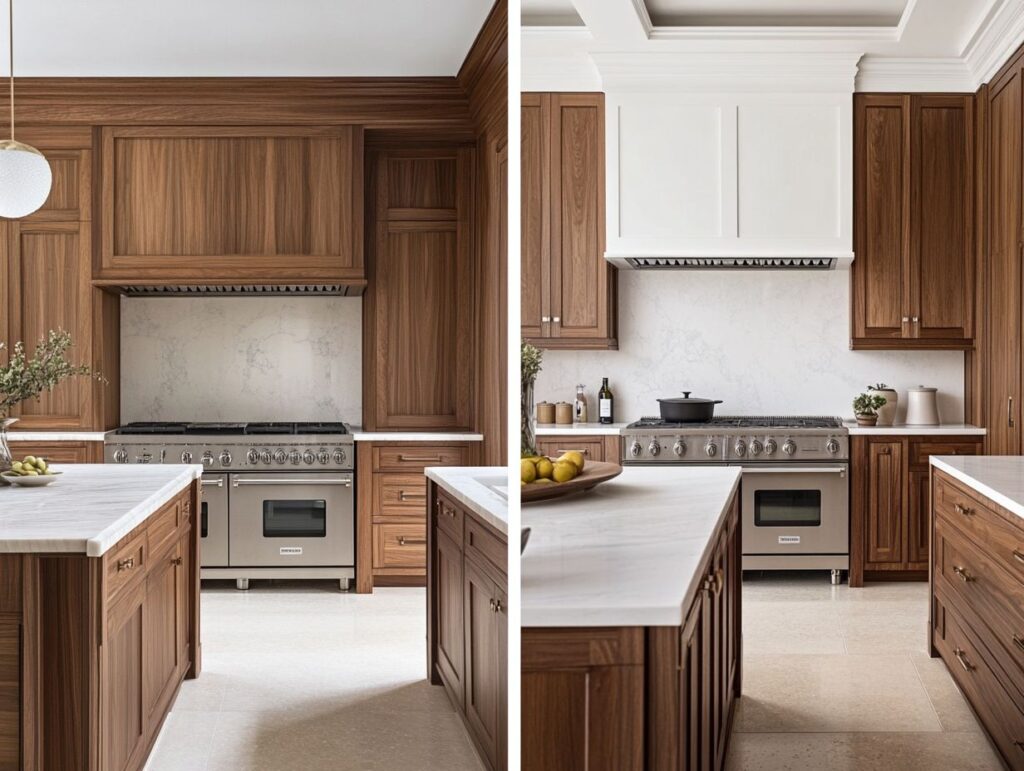
Prefabricated cabinets are engineered for straightforward installation and replacement, presenting a convenient option for homeowners. Their standardized sizes and configurations facilitate an uncomplicated setup process, often enabling do-it-yourself installation without the necessity of professional assistance, ensuring a custom fit for unique kitchen layouts.
This ease of installation allows for the replacement of old cabinets or the updating of kitchen aesthetics without the need for extensive remodeling efforts. The availability of prefabricated options from retailers like Home Depot enables homeowners to quickly refresh their spaces while maintaining both kitchen functionality and timeless style.
With minimal tools and clear instructions, individuals can undertake the installation project, resulting in significant savings in both time and labor costs, backed by excellent customer service. The versatility of these cabinets allows them to seamlessly integrate into various kitchen layouts, accommodating distinctive spaces without the need for custom fabrication.
Should a homeowner choose to alter the style or layout in the future, replacing prefabricated cabinets remains a straightforward task, further enhancing their cost efficiency and appeal with design flexibility.
This combination of practicality and design flexibility positions prefabricated cabinets as an excellent choice for any home renovation project.
Which Option is Right for Your Space?
Determining whether custom or prefab cabinets are the appropriate choice for a particular space requires a thorough assessment of specific needs and priorities, including the use of sustainable materials.
Homeowners should evaluate factors such as kitchen functionality, budget constraints, and design preferences, as each option presents distinct advantages and disadvantages.
Custom cabinets offer tailored solutions that enhance the aesthetic appeal of cabinetry, while prefab options, using high-quality craftsmanship and sustainable materials, provide cost-effective and time-saving advantages.
By carefully weighing these considerations, homeowners can make informed decisions that align with their vision for their kitchen remodel.
Assessing Your Needs and Priorities
Assessing individual needs and priorities is essential when deciding between custom and prefabricated cabinets for a kitchen remodel. Homeowners should begin by identifying specific requirements related to kitchen functionality, premium hardware, storage capacity, and layout considerations.
Evaluating personal design preferences, supported by project support and design services, will also play a significant role in the selection process, as different cabinetry styles can profoundly influence the overall aesthetics of the kitchen. By understanding these factors, homeowners can more effectively navigate their options and select cabinets that align with their vision.
It is crucial to consider how the kitchen will be utilized on a daily basis, including cooking habits and family dynamics, as these factors will dictate the necessary features and cabinetry dimensions. For example, individuals who frequently entertain may prioritize spacious islands and open shelving, while families may benefit from durable finishes and ample hidden storage to manage clutter effectively.
Homeowners should also reflect on the long-term implications of their choices, such as maintenance requirements and the potential evolution of their preferences over time. A careful evaluation of these practical needs, in conjunction with personal style, can lead to a harmonious blend of functionality and design, ensuring that the cabinetry complements both lifestyle and aesthetic aspirations.
Considering the Pros and Cons
Evaluating the advantages and disadvantages of both custom and prefab cabinets is crucial for making an informed decision regarding a kitchen remodel.
For many homeowners, the decision between these two cabinet options ultimately depends on their priorities in design, functionality, and budget. Custom cabinets offer exceptional flexibility, enabling individuals to choose specific dimensions, finishes, and hardware that align with their vision and lifestyle. This option is particularly attractive to those with unique kitchen layouts or specialized storage requirements, as it allows for optimal space utilization.
In contrast, prefab cabinets may be more suitable for budget-conscious homeowners or those with simpler needs, as they generally provide a quicker and more straightforward installation process.
Prospective buyers should carefully consider the trade-offs, including durability, aesthetic appeal, and the benefits of personalized kitchens, as these factors may significantly influence their decision concerning long-term satisfaction and return on investment.