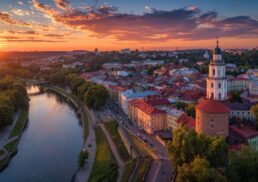
Situated in the northern part of Spain, Navarra is a region distinguished by its rich history, stunning landscapes, and vibrant cultural heritage that highlights Navarra, Spain’s rich religious history. With an array of impressive attractions and notable sites, along with the colorful traditions and lively festivals that characterize its distinct identity, Navarra provides a diverse range of experiences for every traveler, including must-visit castles and wineries. Visitors can indulge their palates with traditional dishes that highlight local ingredients, discovering the finest locations to enjoy these culinary delights. Furthermore, one will find essential tips for effectively navigating this captivating region, ensuring that the journey is both seamless and memorable.
Table of Contents
Key Takeaways:
- Experience the rich history and stunning landscapes of Navarra, Spain.
- Immerse yourself in the vibrant culture with traditional festivals, customs, and mouth-watering cuisine.
- Don’t miss the must-see attractions, try the local dishes and ingredients, and explore the best places to stay and eat in Navarra.
Geography and History
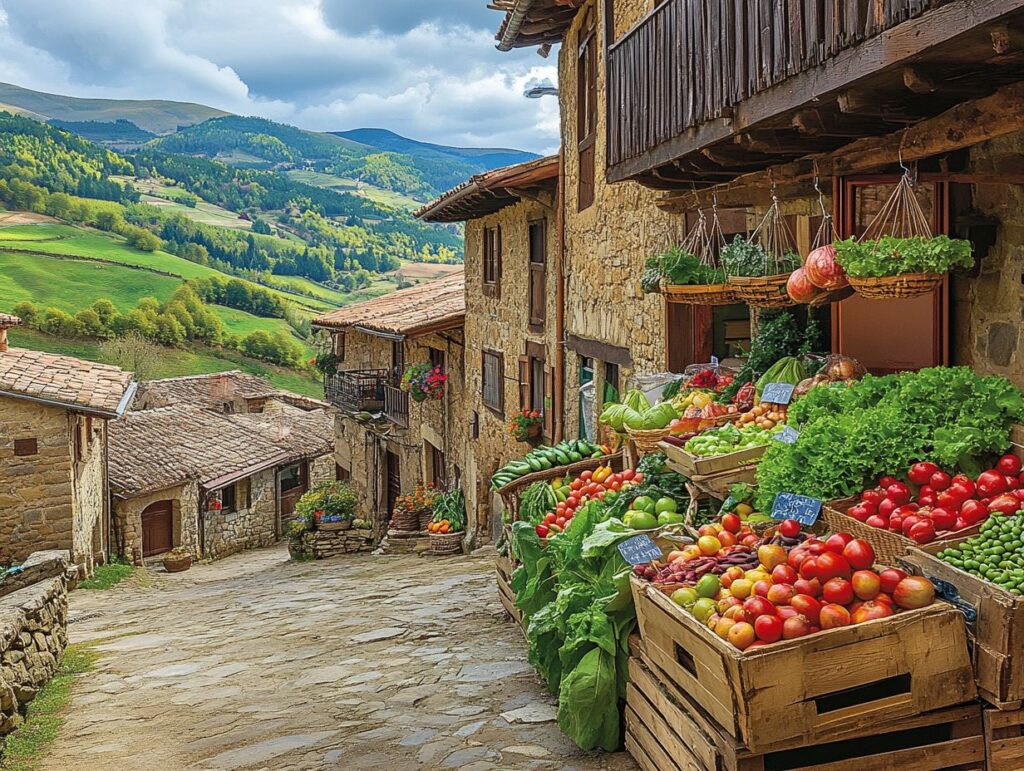
Navarra, situated in the northern region of Spain, is a territory distinguished by its rich geography and history. It boasts a diverse range of landscapes, from rolling hills to rugged mountains, which have significantly impacted its cultural tourism.
This historic region has been shaped by its strategic location along prominent historical routes, including the Camino de Santiago, attracting pilgrims and travelers who seek to immerse themselves in its vibrant culture and captivating past. For context, an in-depth analysis by Britannica explores the historical factors that contribute to this pilgrimage route’s significance.
The geography of Navarra is marked by varied topography, featuring the lush valleys of the Pyrenees to the north, the arid plains to the south, and the iconic Bardenas Reales, renowned for its striking semi-desert landscapes. This array of geographical features has not only influenced local agriculture and settlement patterns but has also played a crucial role in shaping the region’s unique cultural identity.
Historically, Navarra has witnessed significant events, such as the rise of the Kingdom of Pamplona in the 9th century and its subsequent integration into the Kingdom of Navarre. These developments facilitated rich cultural exchanges and a confluence of diverse influences, ranging from Basque traditions to Roman heritage, further enriching both its historical narrative and geographical landscape.
Top Attractions in Navarra
Navarra is home to a diverse array of attractions that cater to various types of travelers. Among these are the impressive castles, such as the Palacio Real de Olite, and the revered site of Santa María Ujué, a historical landmark, both of which provide insight into the region’s rich cultural heritage. For those looking to delve deeper into the history of the Palacio Real de Olite, the Palace of the Kings of Navarre of Olite is comprehensively detailed on Wikipedia (recommended reading).
Visitors may also explore the historic Puente de la Reina and the celebrated Camino de Santiago, the grand Plaza de Toros de Pamplona, and the esteemed Real Colegiata de Santa María de Roncesvalles, along with the iconic Catedral de Santa María.
Additionally, the breathtaking natural parks, including Parque Natural del Señorío de Bertiz and the distinctive landscapes of Bardenas Reales, also including Parque Natural Urbasa-Andia, further highlight the diverse appeal of this remarkable destination in Spain, featuring the famous Palacio Real de Olite and archaeological site of Santa María Ujué.
Must-See Places and Activities
Among the essential places and activities to experience in Navarra, the Camino de Santiago emerges as a significant spiritual and historical pilgrimage route along the historical roads and Ignatian Way that draws thousands of travelers annually. Concurrently, the annual San Fermín festival in Pamplona provides a vibrant cultural experience, brimming with traditional customs and cultural activities and entertainment. According to Britannica, this festival is renowned for the exhilarating running of the bulls and other unique festivities.
Visitors have the opportunity to partake in unique gastronomic experiences, including local pintxos routes and Michelin star dining, which showcase the region’s culinary offerings and make each visit an enriching exploration of Navarra’s dynamic culture.
Plus the lively atmosphere prevalent during San Fermín, travelers are encouraged to explore the picturesque landscapes surrounding the Camino de Santiago, where breathtaking views and tranquil nature foster a profound sense of peace for those traversing its renowned paths.
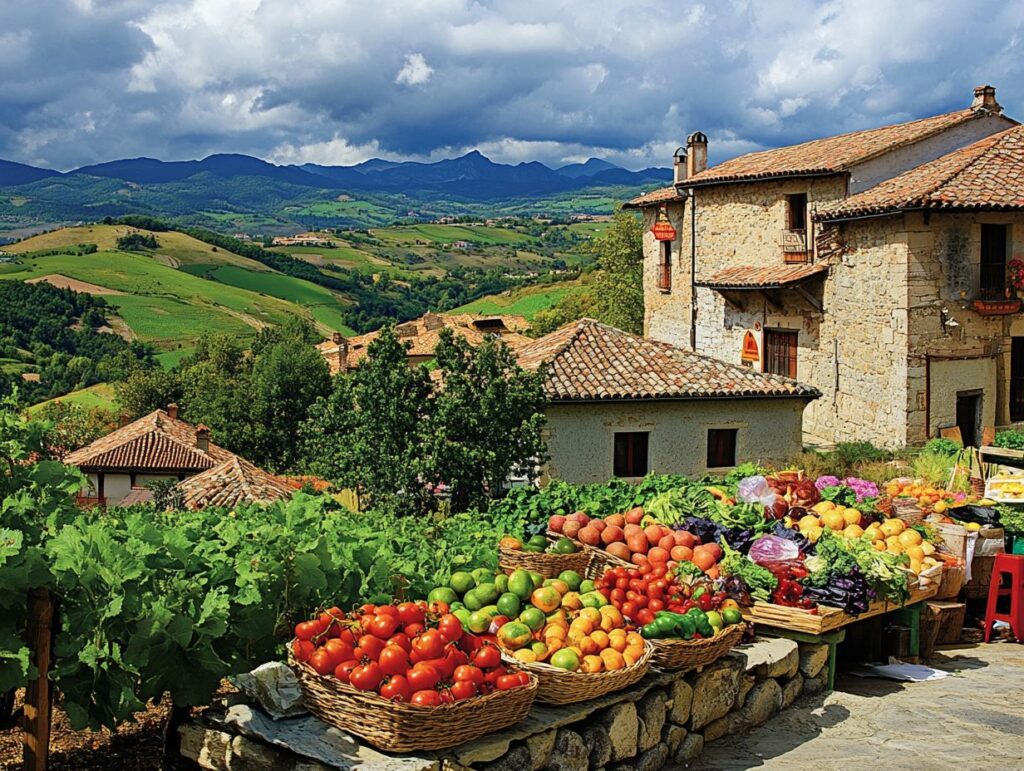
Gastronomy serves as a vital component in capturing the essence of Navarra, with each area presenting its own specialties, such as seasonal products and traditional recipes—ranging from hearty stews to fine wines—inviting food enthusiasts to relish the authentic flavors of the countryside.
Engaging in local festivals and markets further enhances visitors’ immersion, featuring food-based celebrations and local guides in the region’s rich traditions and customs, ensuring that their experience in Navarra is not only memorable but also a genuine celebration of the region’s heritage.
Cultural Highlights of Navarra
The cultural highlights of Navarra exemplify its rich heritage, presenting a vibrant array of traditions, festivals, and customs that honor the region’s history and community spirit.
Notable events, such as the renowned San Fermín festival, along with various culinary celebrations, highlight Navarra’s gastronomic offerings. These events feature traditional recipes and seasonal products that not only represent the local cuisine but also cultivate a sense of belonging among both residents and visitors.
Traditions, Festivals, and Customs
San Fermín is recognized as one of the most iconic traditions in Navarra, celebrated annually with great enthusiasm. This festival showcases a vibrant culture that captivates both locals and visitors through parades, music, and the renowned running of the bulls, which has become a symbol of cultural tourism in the region.
Complementing this celebration are various food-related events that highlight traditional recipes and regional culinary delights, enriching the cultural experience.
During the nine-day festival, the streets of Pamplona transform into a lively display of color and sound, as both residents and tourists don the distinctive white attire with red accessories. Each evening, a diverse range of concerts and performances fills the air with music, bringing together individuals of all ages in a collective celebration.
Plus San Fermín, Navarra boasts a wealth of other traditions, such as La Bajada de la Virgen Blanca and the vibrant Carnival, each reflecting the region’s deep-rooted customs and communal spirit. These festivals not only foster camaraderie among participants but also serve to preserve the region’s unique identity, making them an essential component of Navarra’s cultural landscape.
Local Cuisine of Navarra
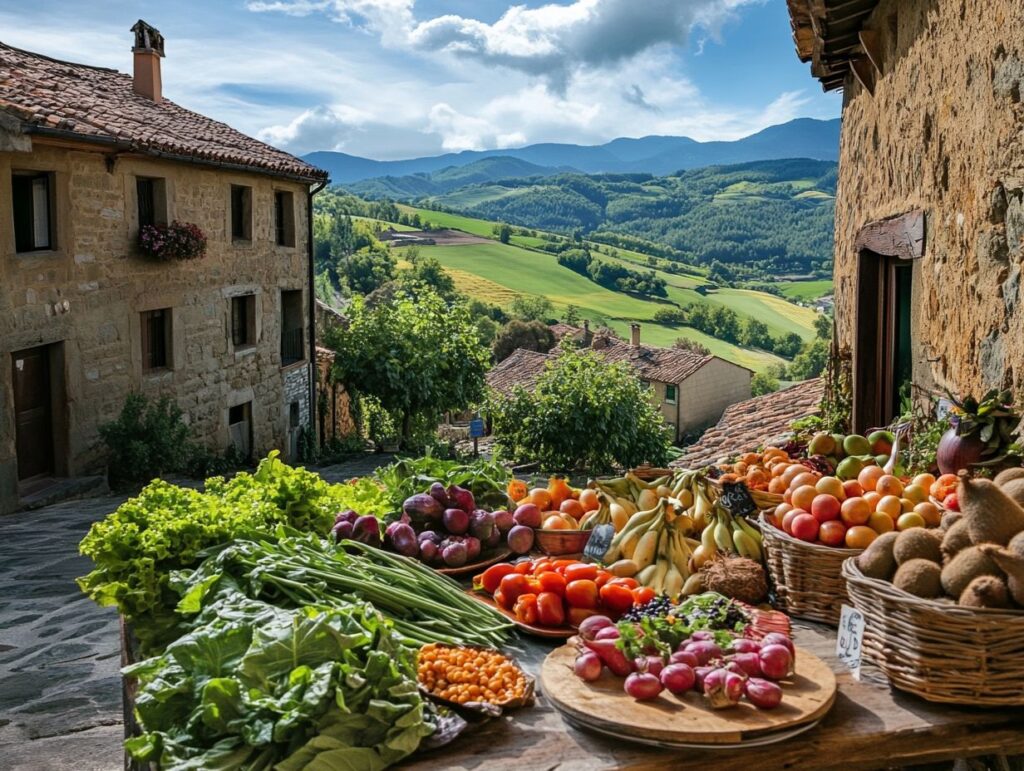
Navarra’s local cuisine represents a culinary journey through food markets and the vibrant Pamplona Old Town that embodies the region’s agricultural abundance and diverse landscapes. It showcases a variety of traditional dishes crafted from seasonal products, appealing to discerning food enthusiasts.
The region boasts an array of gastronomic experiences, ranging from Michelin-starred restaurants to vibrant food markets and the renowned pintxos route, all of which invite visitors to appreciate the authentic flavors that Navarra has to offer.
Traditional Dishes and Ingredients
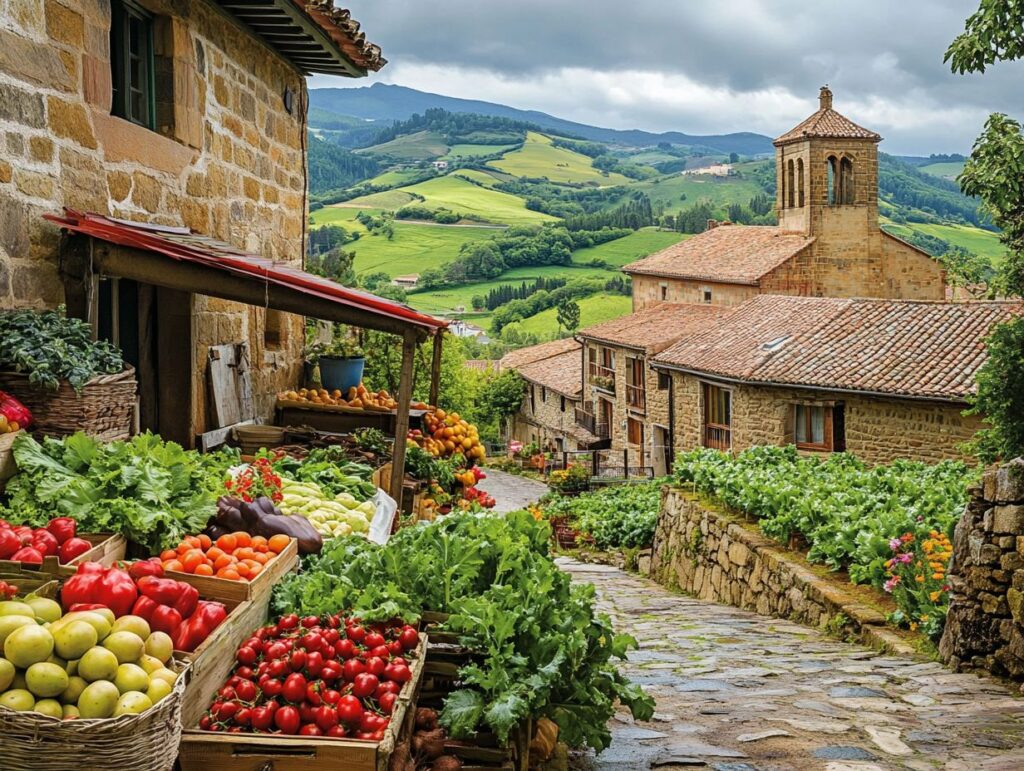
The traditional dishes of Navarra represent a celebration of regional ingredients and culinary excellence, showcasing a diverse array of flavors that reflect local agricultural practices and seasonal products. Notable dishes such as ajoarriero and estofado de toro exemplify the rich heritage of Navarra’s cuisine, making them essential choices for visitors seeking an authentic taste of the region.
These iconic recipes frequently incorporate ingredients sourced from Navarra’s fertile fields and verdant orchards and nearby natural parks, including vibrant red peppers, fresh tomatoes, and the exquisite wines from the wine route, and the distinguished lamb from the area. Seasonal changes play a significant role in shaping culinary practices; for example, during the autumn harvest, local chefs often integrate earthy root vegetables and wild mushrooms into their menus, enhancing the overall depth of flavor.
Traditional dishes also emphasize the use of locally produced wines and oils, creating a harmonious blend that further underscores Navarra’s unique gastronomic identity. Ultimately, this culinary journey provides an immersive experience for food enthusiasts eager to explore the diverse gastronomic experiences and culinary delights the distinctive flavors of Navarra.
Best Places to Try Local Food
For individuals seeking to experience the finest aspects of Navarra’s local cuisine, the region offers a diverse array of options, ranging from Michelin-starred restaurants that feature innovative dishes to traditional food markets filled with fresh ingredients and vibrant flavors.
The renowned pintxos route guides culinary enthusiasts through the old town of Pamplona, presenting a multitude of bars and eateries, including renowned venues like Bodega Inurrieta and Bodegas Chivite where visitors can engage in exceptional gastronomic experiences. This includes distinguished wineries such as Bodega Inurrieta and Bodegas Chivite, which provide exquisite pairing opportunities.
Plus these dining venues, local food markets serve as cultural hubs where residents congregate to purchase seasonal produce and artisanal products, thereby offering an authentic representation of the region’s culinary heritage.
Street food stalls provide casual yet delectable options that are ideal for a quick lunch or snack while exploring the breathtaking landscapes.
Each pintxos bar contributes its unique character, inviting patrons to sample a broad selection of small plates that reflect both traditional recipes and modern interpretations. This dynamic food scene represents an ideal blend of sophistication and authenticity, making it a compelling destination for gastronomic exploration.
Tips for Traveling to Navarra
Traveling to Navarra presents numerous opportunities to explore its rich cultural heritage and breathtaking natural landscapes. Adequate preparation can significantly enhance the quality of your visit.
Essential tips for effectively navigating this remarkable region include:
- Gaining an understanding of the local transportation options in Navarra,
- Choosing appropriate accommodations including stays at the Palacio Real de Olite or Santa María Ujué,
- Familiarizing oneself with the language to facilitate engagement with locals and enrich the overall travel experience and perhaps explore the Camino de Santiago.
Transportation, Accommodations, and Language in Navarra
Understanding the transportation options available in Navarra, including visits to iconic sites such as Puente de la Reina and Plaza de Toros de Pamplona, is essential for ensuring a seamless travel experience, whether one opts to rent a car to explore the scenic routes or utilize public transportation to navigate cities such as Pamplona.
The region provides a variety of transportation methods, including buses and trains, which connect rural areas with urban centers, facilitating an immersive experience in the local culture, with easy access to highlights such as the Real Colegiata de Santa María de Roncesvalles and the Catedral de Santa María.
For travelers who prefer a more flexible option, car rentals enable spontaneous detours along picturesque landscapes.
Regarding accommodations, visitors can select from several options, including:
- Hostels
- Boutique hotels
- Rural retreats
These accommodations offer diverse settings to cater to varying preferences and budgets, from Michelin star experiences to cozy rural retreats amidst the Bardenas Reales.
Additionally, learning a few basic phrases in Spanish can enhance communication with locals, enriching interactions and making the overall experience more enjoyable and meaningful during the trip, especially when exploring cultural sites such as the Bodega Inurrieta or participating in local food markets.