Choosing the right educational toys for your child’s age and skills is essential for fostering growth during critical development stages. Parents often seek toys that not only entertain but also enhance learning for their young children, from stimulating play materials for infants to engaging challenges for preschoolers. This article will guide you through selecting age-appropriate toys that support your child’s unique abilities, ensuring they thrive while having fun.
Table of Contents
Key Takeaways:
- Choose age-appropriate toys for your child’s optimal development and learning.
- Evaluate the educational value of toys based on their ability to promote specific skills and learning concepts.
- Prioritize safety by following material safety standards and avoiding small parts that can pose a choking hazard to young children.
Importance of Educational Toys and Play Materials
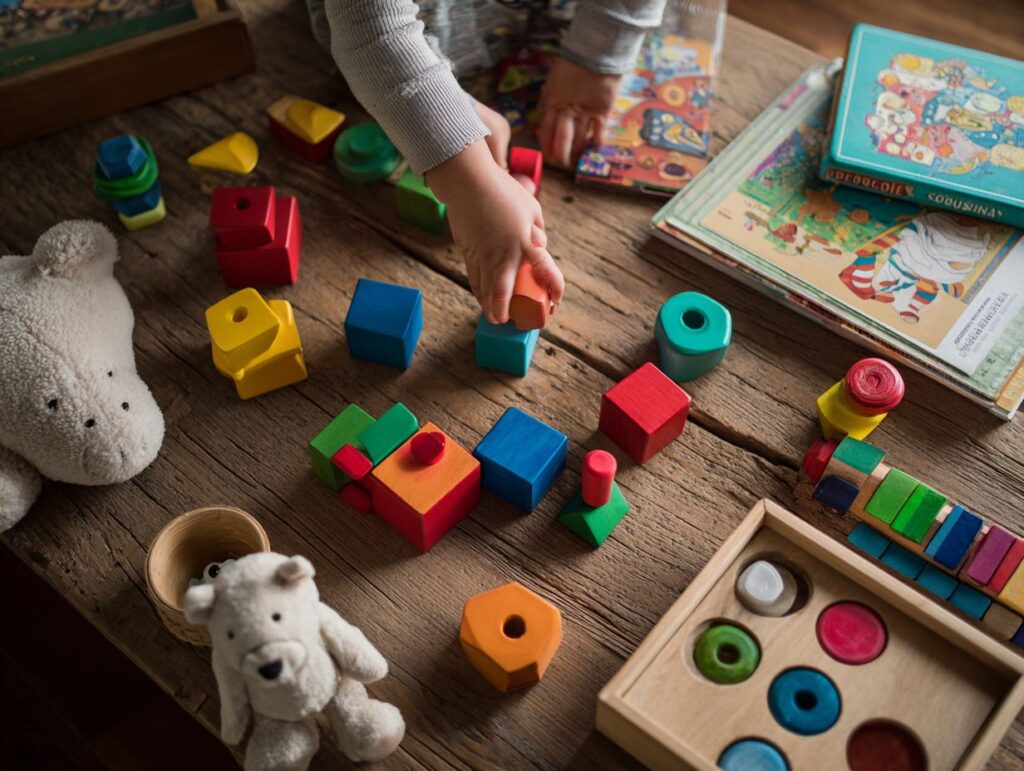
Educational toys serve not only as sources of entertainment but also play a vital role in fostering essential developmental skills, including problem-solving, creativity, social interaction, and motor skills development.
For instance, building blocks contribute to the enhancement of spatial awareness and fine motor skills as children manipulate them to construct various structures. Research demonstrates that children who engage with construction toys exhibit improved problem-solving capabilities, with one study indicating a 20% increase in critical thinking skills following regular play.
Similarly, puzzles promote patience and cognitive development by challenging children to match shapes and patterns, a process that has been linked to enhanced memory retention. Integrating these types of toys into playtime can significantly enrich a child’s overall learning experience.
Benefits of Age-Appropriate Toys
Selecting age-appropriate toys is essential for ensuring that children engage with materials that correspond to their developmental stages, thereby maximizing their learning potential.
For infants, sensory activity mats and safe toys are particularly beneficial as they enhance tactile exploration and provide visual stimulation, both of which are critical for early development.
As toddlers mature, building blocks, such as Mega Bloks, promote the development of fine motor skills and encourage creativity.
For preschoolers, problem-solving puzzles serve to challenge critical thinking and enhance hand-eye coordination.
By the age of six, interactive STEM kits and music players can ignite an early interest in science, engineering, and rhythm.
Each toy not only provides entertainment but also nurtures specific abilities that align with the child’s growth stage, contributing to a comprehensive and enriching play experience.
Understanding Child Development
Comprehending the fundamental stages of child development is crucial for identifying toys that significantly support a child’s growth.
Key Developmental Milestones
Key developmental milestones, ranging from rolling over at four months to the emergence of problem-solving skills by age five, play a crucial role in guiding toy selection. To effectively support these milestones, it is essential to choose toys that align with specific developmental skills.
For infants around four months, soft stacking toys are beneficial as they aid in improving coordination while the child learns to grasp and lift objects. Between the ages of twelve to twenty-four months, shape sorters can significantly encourage cognitive development while also enhancing fine motor skills.
At the age of three, puzzles are valuable tools for promoting early problem-solving abilities, while interactive playsets facilitate the development of social skills as children begin to engage with peers in imaginative play. Selecting toys that progress alongside your child helps to create a nurturing environment conducive to skill development.
How Skills Evolve with Age
As children develop, their cognitive and physical skills undergo significant transformations, necessitating an adaptation in the types of toys that promote growth.
During infancy, simple push toys, such as the Fisher-Price Brilliant Basics, are crucial for the development of gross motor skills. As children progress into the toddler stage and then transition to preschool, toys such as building blocks and shape sorters become instrumental in introducing problem-solving abilities and enhancing spatial awareness.
In the early school age years, more complex construction sets, like LEGO, serve to foster creativity and critical thinking while reinforcing fine motor skills. By selecting toys that align with their child’s developmental stage, parents can effectively support the progression from fundamental physical coordination to more complex cognitive tasks.
Choosing Toys by Age Group
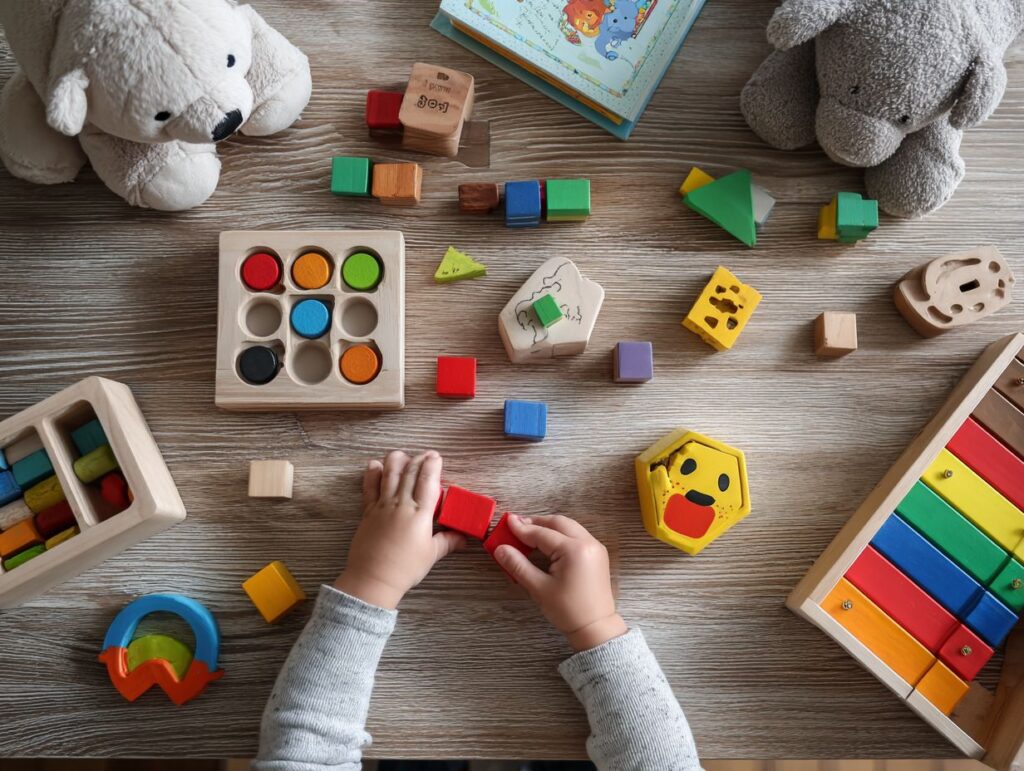
Selecting toys that are appropriate for specific age groups is essential for optimizing engagement and enhancing developmental benefits.
Toys for Infants (0-12 months)
For infants, it is essential that toys emphasize sensory experiences and safety, with suitable options including soft blocks and activity mats.
From a developmental perspective, soft blocks enhance grip strength and hand-eye coordination as infants engage in stacking and subsequently knocking down their creations. Activity mats, often designed with various textures, mirrors, and sounds, facilitate sensory exploration while promoting tummy time, which is vital for physical development.
It is imperative to select toys that adhere to safety standards, ensuring they are free from small parts and toxic materials. Popular choices in this category include:
- The Tummy Time Play Mat by Fisher-Price, specifically designed to support reaching and crawling.
- The B. toys Soft Building Blocks, which provide a safe and creative play experience.
Toys for Toddlers (1-3 years)
Toddlers derive significant benefits from toys that promote imaginative play and fine motor skill development, including dolls and stacking toys. Role-play toys, such as play kitchens or doctor kits, not only stimulate creativity but also assist children in understanding and navigating the world around them.
Stacking toys, like wooden blocks, enhance fine motor skills and hand-eye coordination as toddlers learn to achieve balance and design structures.
Notable options in this category include:
- The Melissa & Doug Wooden Building Blocks set
- The Fisher-Price Little People playsets
These toys effectively combine entertainment with developmental milestones, providing a foundation for the cultivation of social skills and cognitive growth while ensuring that playtime remains engaging.
Toys for Preschoolers (3-5 years)
Preschoolers benefit greatly from toys that stimulate their creativity and cognitive development, such as puzzles and construction sets. In selecting the most suitable toys, parents should prioritize items that promote imaginative play and problem-solving skills.
It is advisable to consider building blocks that enhance spatial awareness, such as LEGO Duplo, which facilitates open-ended design possibilities. Furthermore, choosing age-appropriate puzzles can help develop critical thinking skills; for instance, wooden jigsaw puzzles featuring animals or landscapes are excellent options.
Arts and crafts kits also play a significant role in fostering creativity; simple watercolor sets, for example, encourage exploration of colors and shapes. These versatile toys not only provide entertainment but also stimulate young minds, thereby establishing a solid foundation for future learning.
Toys for Early School Age (5-7 years)
For early school-age children, toys should be designed to enhance learning experiences and develop essential skills, such as through the use of books and music players.
Along with books and music players, it is beneficial to incorporate puzzles and building blocks into playtime. Puzzles help sharpen problem-solving skills and improve fine motor development, while building blocks promote creativity and spatial awareness.
Specific examples of effective educational toys include:
- Melissa & Doug Wooden Puzzles, which promote critical thinking through engaging themes.
- LEGO Classic Bricks, which encourage imaginative play.
Interactive music players, such as the B. Toys Musical Player, foster an appreciation for rhythm and sound, making the learning process enjoyable. Collectively, these toys contribute to a comprehensive approach to education and social interaction.
Evaluating Educational Value
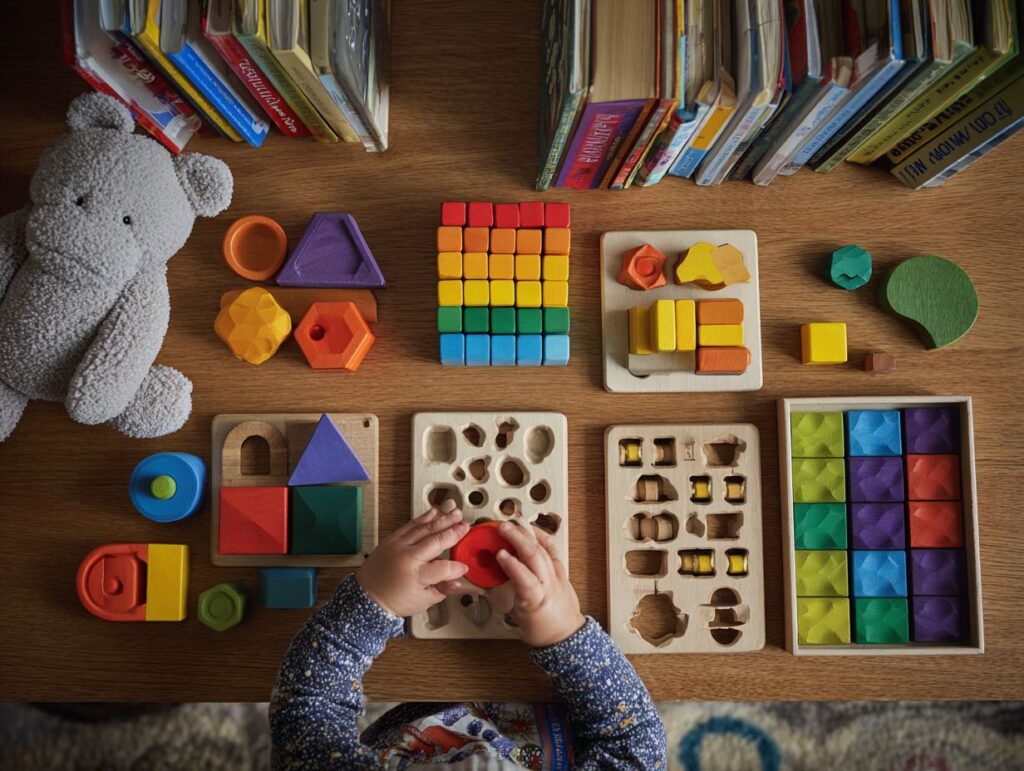
Evaluating the educational value of toys is crucial for ensuring that they contribute positively to a child’s development.
Types of Learning Toys
Learning toys can be classified into several categories, including interactive toys, building sets, and sensory play materials.
Interactive toys, such as LeapFrog’s LeapStart, engage children through tactile and auditory stimulation, thereby enhancing their cognitive skills and learning experiences.
Building sets, exemplified by LEGO, facilitate the development of fine motor skills and promote creative problem-solving as children construct various designs.
Sensory play materials, such as kinetic sand or sensory bins filled with a variety of textures, encourage exploration and provide essential tactile experiences critical for early sensory processing.
Each category of toy not only serves as a source of entertainment but also plays a significant role in fostering essential skills, rendering them invaluable components of a child’s developmental toolkit.
Learn more, What Are The Different Types Of Educational Toys?
Assessing Skill Development
Assessing the contribution of toys to skill development, including social development, necessitates careful observation of children’s interactions and outcomes during play. To conduct an effective evaluation of toys, parents can employ specific observation techniques.
Initially, it is essential to document how children engage with various toys, such as shapes and colors. For example, do they exhibit increased concentration while working on puzzles, or do they demonstrate creativity when using building blocks? Tracking metrics such as the duration of playtime and the diversity of actions undertaken can provide valuable insights.
For instance, if a child spends over 30 minutes constructing with LEGO blocks, this may indicate an enhancement in spatial skills and large muscle development.
Furthermore, it may be beneficial to utilize developmental checklists that outline key skills targeted by different toys. This approach ensures a comprehensive assessment of the toys’ impact on children’s skill development.
Safety Considerations
Safety is of utmost importance when selecting toys, necessitating that parents familiarize themselves with material safety standards and potential hazards associated with various products, including toy safety.
Material Safety Standards
Familiarizing oneself with material safety standards, such as ASTM and EN71, is essential to ensure that toys are safe for children. To verify compliance, it is important to always check for labels on toys that indicate adherence to these standards.
Look for certifications such as the CE mark for European markets or the ASTM F963 label in the United States.
Additionally, utilizing resources such as the Consumer Product Safety Commission’s (CPSC) database to check for product recalls is advisable, especially for toys with small objects. Regular inspections of toys for small parts that may pose choking hazards, as well as ensuring that they are made from non-toxic materials, are crucial practices.
By remaining vigilant and informed, one can significantly reduce the risk of unsafe toys adversely affecting children.
Avoiding Small Parts
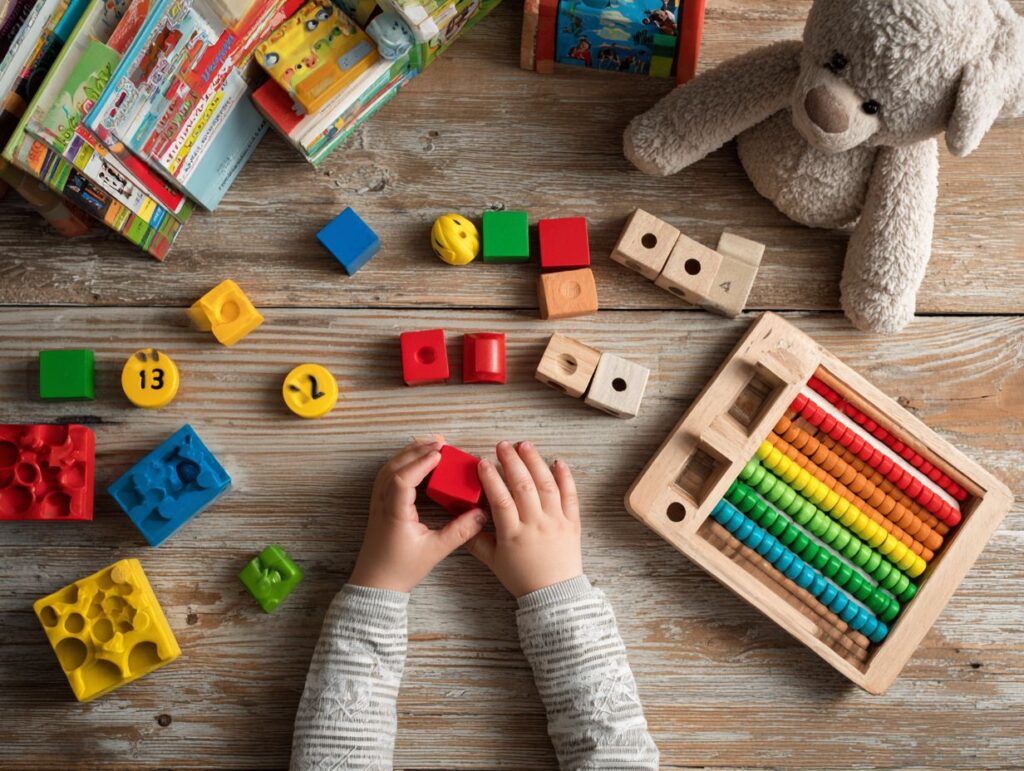
Avoiding toys with small parts is essential to prevent choking hazards for younger children, particularly toddlers and infants, and always ensure safety considerations are met.
To assist parents in identifying safer options, it is important to always consult toy labels for age recommendations and warnings regarding small parts.
Seek toys that are labeled as `non-toxic’ and `BPA-free’ to ensure safety, including art supplies and pretend play items.
When making purchases, it is advisable to prefer brands that are well-known for their safety records, such as Fisher-Price or LEGO, which provide age-specific collections, including balls suitable for various ages.
Additionally, consider utilizing a `small parts tester,’ a simple tool that resembles a toilet paper roll. If a toy fits entirely within the tester, it poses a choking risk.
Lastly, it is critical to supervise playtime, especially when introducing new toys.
Frequently Asked Questions
What are educational toys and why are they important for children?
Educational toys are toys that are designed to help children learn and develop skills while they play. They are important for children’s development because they stimulate their minds and enhance their cognitive, social, and physical abilities.
How can I determine the right educational toys for my child’s age?
The best way to choose educational toys for your child’s age is to look for products that are age-appropriate and align with their current developmental stage. It’s important to understand your child’s abilities and interests, as well as the recommended age range on the toy’s packaging.
What factors should I consider when selecting educational toys for my child?
When choosing educational toys for your child, it’s important to consider their interests, abilities, and learning style. You should also look for toys that promote problem-solving, creativity, and critical thinking skills. Additionally, consider the quality and safety of the toy.
Are there any specific skills I should focus on when choosing educational toys for my child?
The skills you should focus on will depend on your child’s age and current developmental abilities. However, some important skills to look for in educational toys include hand-eye coordination, fine and gross motor skills, language and communication, and problem-solving skills.
Can I use the same educational toys for multiple children of different ages?
In some cases, you may be able to use the same educational toys for children of different ages. However, it’s important to consider their individual interests and abilities. You may also need to supervise and modify the play for younger children to ensure they are safe and getting the most out of the toy.
What should I do if my child seems uninterested in the educational toys I have chosen?
If your child seems uninterested in the educational toys you have chosen, try to find out why. They may need a different type of activity or a different approach to learning. It’s important to be flexible and open to trying different toys and activities to find ones that will engage and benefit your child the most.