In an era of rising energy costs, an energy-efficient refrigerator isn’t just a smart choice-it’s essential for slashing utility bills while keeping food fresh. Discover ENERGY STAR-certified refrigerators and coolers that meet rigorous efficiency standards, blending advanced insulation with powerful cooling. This guide reveals key technologies, performance tips, and selection strategies to help you save power without sacrificing reliability.
Table of Contents
Key Takeaways:
- Choose Energy Star-rated refrigerators and freezers to meet strict efficiency standards, reducing energy bills by up to 15% without compromising cooling performance through advanced insulation and compressors.
- Opt for models with smart temperature controls and efficient cooling systems that maintain optimal temperatures, ensuring food freshness while minimizing power consumption via inverter technology.
- Proper installation, regular maintenance like coil cleaning, checking doors and door seals, and right-sizing your appliance enhance long-term efficiency, saving power and extending appliance life without sacrificing reliability.
Understanding Energy Efficiency Standards
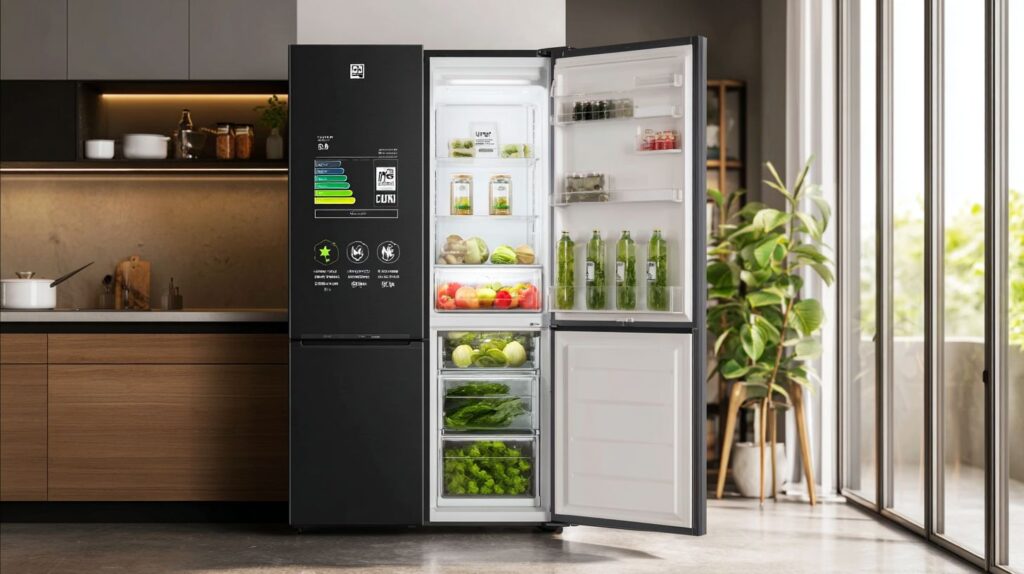
The energy efficiency standards for refrigerators are regulated by the federal standard and federal guidelines established by the U.S. Department of Energy, which mandate that all models achieve a minimum level of performance. Complementing these requirements, the ENERGY STAR or energystar program offers voluntary certification for products that demonstrate exceptional energy savings.
Energy Star Ratings Explained
ENERGY STAR ratings designate refrigerators that surpass federal efficiency standards by at least 10 percent. Notably, more than 90 percent of certified models achieve top ratings in Consumer Reports evaluations for energy efficiency and reliability.
The process for obtaining ENERGY STAR certification is rigorously structured by the U.S. Environmental Protection Agency (EPA). It encompasses the following steps:
- Submission of comprehensive model specifications, including design details and component information, to the EPA for initial eligibility assessment.
- Coordination of independent third-party laboratory testing to quantify energy consumption in kilowatt-hours (kWh) under controlled, simulated operating conditions, verifying a minimum 10 percent improvement over federal minimum requirements.
- Upon successful approval, application of the ENERGY STAR logo and mandatory labeling to the product.
Consumers are advised to examine the yellow EnergyGuide label, which provides critical data such as estimated annual operating costs-typically $50 to $70 for certified models compared to $90 for non-certified ones-based on an average annual usage of 328 kWh.
A frequent oversight among consumers is disregarding the kWh value on the label when evaluating and comparing different models.
According to EPA data, ENERGY STAR-certified refrigerators contributed to nationwide energy savings of 1.5 billion kWh in 2022.
Key Efficiency Metrics
Key metrics, such as annual kilowatt-hour (kWh) consumption-typically ranging from 300 to 600 for efficient models-and the Global Warming Potential (GWP) of refrigerants, are essential for quantifying efficiency. Low-GWP refrigerants, such as R-600a with a GWP of less than 1, offer a stark contrast to hydrofluorocarbons (HFCs), which exceed 1,000.
To evaluate annual kWh consumption, consult benchmarks from the U.S. Department of Energy (DOE). For instance, top-freezer refrigerator models consuming under 400 kWh per year qualify for ENERGY STAR certification, potentially saving up to $50 annually compared to units using 600 kWh.
Regarding GWP, the American Innovation and Manufacturing (AIM) Act requires the phase-out of HFCs by 2036, thereby promoting environmentally preferable alternatives such as carbon dioxide (CO2, GWP=1) or R-441A (GWP<1) to reduce overall ecological impact.
The Combined Energy Factor (CEF) is calculated by dividing the refrigerator’s volume in cubic feet by its annual kWh consumption; a target value exceeding 7 is recommended. For example, a 20-cubic-foot side-by-side model using 500 kWh yields a CEF of 4, which falls below established standards.
According to the 2023 Environmental Protection Agency (EPA) report, the adoption of low-GWP refrigerants could diminish the refrigeration sector’s contributions to global warming by up to 80 percent.
Core Technologies for Power Savings
Advanced insulation and inverter compressors, as core technologies, enable refrigerators to achieve energy savings of up to 20%, as substantiated by simulations from the Department of Energy.
Advanced Insulation and Compressors
Advanced insulation technologies, such as polyurethane foam achieving R-30 thermal resistance values combined with variable speed inverter compressors that dynamically adjust operational speed-as exemplified in Liebherr’s CS 1210 model-can reduce energy consumption by 25% in comparison to traditional fixed-speed units.
To further enhance efficiency, the integration of vacuum-insulated panels (VIPs) is recommended, as these maintain optimal internal temperatures even in ambient conditions reaching up to 110 degreesF. For example, Liebherr models incorporate 5 cm thick VIP walls, which surpass conventional 3 cm polyurethane configurations by effectively minimizing thermal bridging.
In terms of compressor performance, inverter technology enables variable speeds ranging from 30 to 100 Hz, calibrated to real-time demand. A representative control algorithm might be expressed in pseudocode as follows: if the temperature differential is less than 2 degreesC, set compressor speed to 50%; otherwise, set it to 100%.
According to evaluations by Consumer Reports, these inverter systems demonstrate exceptional longevity, with service lives of 15 to 20 years, while also operating at 30% lower noise levels.
During installation, it is essential to provide a minimum 2-inch clearance surrounding the compressor to facilitate proper ventilation and prevent overheating.
Maintaining High Performance
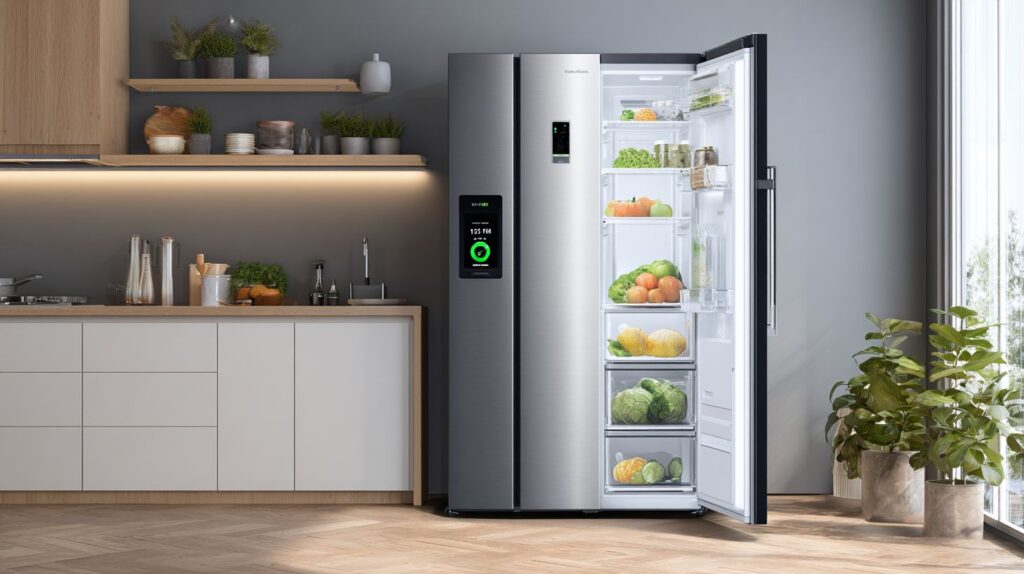
Ensuring sustained high performance in energy-efficient refrigerators requires the optimization of cooling systems and control mechanisms to maintain efficiency over their typical 10- to 15-year service lifespan.
Efficient Cooling Systems
Efficient cooling systems that incorporate dual evaporators and low global warming potential (GWP) refrigerants, such as R-600a (GWP 3), demonstrate a 15% improvement in energy efficiency compared to traditional hydrofluorocarbon (HFC)-based systems, according to testing conducted by the Department of Energy.
Dual evaporator designs employ separate coils for the refrigerator and freezer compartments, which effectively prevent odor transfer and maintain optimal humidity levels. This configuration is particularly advantageous for bottom-freezer refrigerator models, including those manufactured by LG and Whirlpool, enabling precise temperature control at 0 degreesC for the freezer and 4 degreesC for the refrigerator.
Regarding refrigerants, R-600a (isobutane, with a typical charge of 50 grams) achieves a coefficient of performance (COP) of 2.5 under 40 degreesC ambient conditions, surpassing the performance of CO2 transcritical cycles in energy-saving modes for residential applications. The Kigali Amendment’s Scope Zero initiative requires the phase-out of HFCs by 2025, thereby encouraging the adoption of alternative blends such as R-441A.
It is critical to avoid refrigerant overcharging, as this can increase energy consumption by 10% and heighten the risk of compressor failure. Installations should adhere strictly to manufacturer specifications to ensure optimal performance and reliability.
Smart Temperature Controls
Advanced temperature control systems, such as the adaptive sensors incorporated in Liebherr appliances, automatically calibrate to variations in ambient temperature, thereby sustaining precise set points within 1 degreesF to optimize energy efficiency.
To fully leverage these advanced features, it is recommended to adhere to the following best practices:
- Configure the refrigerator compartment to 37 degreesF and the freezer to 0 degreesF, with weekly verification conducted through the Liebherr mobile application to ensure accuracy.
- Activate eco mode during periods of reduced usage, such as overnight, which can yield energy savings of up to 10% in kilowatt-hours.
- Employ zone-specific temperature controls for various cooling zones, for instance, by adjusting the produce drawer to 35 degreesF to preserve vegetable freshness.
- Integrate the appliance with compatible smart home ecosystems, such as Google Nest, to enable automatic adjustments when ambient temperatures fall below 90 degreesF via the Liebherr SmartSteel interface.
As reported by Consumer Reports in 2023, the implementation of such intelligent controls can prolong the operational lifespan of the appliance by up to three years.
Benefits of Upgrading to Efficient Models
Upgrading from an old refrigerator, such as a pre-2010 model which typically consumes an average of 700 kWh per year, and recycling the old refrigerator, to a new refrigerator, an ENERGY STAR-certified model, can result in lifetime energy savings of $220, according to Department of Energy calculations based on an electricity rate of $0.13 per kWh.
To optimize these savings, select models that utilize between 350 and 500 kWh per year, such as the LG LRFCS2503S-a 22 cubic foot top-freezer refrigerator with Ice Dispenser and Water Dispenser that consumes 365 kWh annually and reduces energy use by more than 50 percent.
The Department of Energy’s online Energy Cost Savings Calculator can be used to generate estimates tailored to specific utility rates. By entering your zip code and the model’s specifications, you can obtain personalized projections.
For a family of four replacing a 1990s-era unit, annual utility bill reductions of approximately $60 can be anticipated, allowing for the recoupment of a $1,000 investment within 3 to 4 years through savings of 300 kWh per year (equating to $39 annually at prevailing rates).
According to the 2022 Energy Information Administration report, such upgrades across the nation prevent the emission of 5 million tons of CO2 annually, providing benefits to both financial resources and the environment.
Selecting the Right Appliance
The selection of an appropriate energy-efficient appliance demands a careful assessment of key features, such as capacity and type, in alignment with the specific requirements of the household. ENERGY STAR-certified models from esteemed brands like Liebherr deliver customized solutions designed to accommodate a wide range of lifestyles.
Size, Type, and Capacity Options
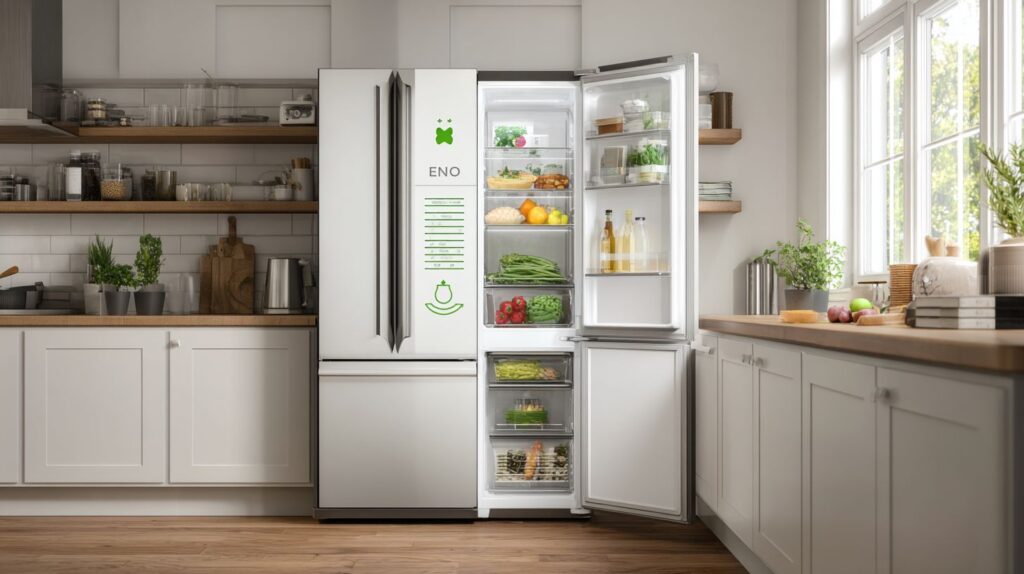
For a family of four, a bottom-freezer refrigerator model with a capacity of 20-25 cubic feet, featuring LED lighting and a water dispenser-such as the Liebherr CNsfd 572i-offers 15 cubic feet of refrigerator space while consuming less than 450 kWh per year.
When evaluating refrigerator options, it is advisable to consider various types based on capacity, energy efficiency, and suitability for specific needs. According to Consumer Reports, top-freezer models provide the highest value ratings, making them particularly suitable for budget-conscious consumers.
| Type | Cubic Feet Range | Energy Use (kWh) | Best For | Example Model |
|---|---|---|---|---|
| Top Freezer | 14-19 cf | 350-450 | Budget/kitchens | GE GTE18GTNR |
| Bottom Freezer | 18-22 cf | 400-500 | Easy access | Liebherr CBS 665 |
| Side-by-Side | 20-28 cf | 500-600 | Families/ice dispenser | Samsung RF28R7201 |
| Built-in Cooler | 10-15 cf | 200-300 | Wine/beverages | Sub-Zero |
Side-by-side models equipped with LED lights and smart controls can achieve energy savings of up to 5 percent. For families, it is recommended to select Energy Star-rated units, which can reduce annual energy bills by 10-20 percent, as reported by the U.S. Department of Energy.
Installation and Usage Tips
Ensuring proper installation, which includes 1-2 inches of clearance around doors and seals, enables energy-efficient refrigerators to operate at optimal performance levels, thereby preventing up to a 15% loss in efficiency due to inadequate airflow.
To achieve this, adhere to the following numbered steps, which incorporate time estimates and tool recommendations, in accordance with guidelines from the U.S. Department of Energy (DOE):
- Site Preparation (30 minutes): Use a 4-foot level tool to ensure the floor is level, thereby preventing strain on the compressor; confirm the presence of a dedicated 110-120V electrical outlet to avoid potential electrical complications.
- Placement (15 minutes): Maintain 2 inches of clearance on the sides and back to facilitate ventilation, as specified by DOE standards, supporting effective airflow.
- Door Alignment (20 minutes): Adjust the hinges using a screwdriver to achieve tight seals, which can reduce cool air loss by up to 10%.
- Initial Usage (Ongoing): Avoid overloading the shelves; maintain an ambient temperature below 90 degreesF to prevent a 20% increase in kWh consumption, particularly near heat sources.
A common error involves placing the refrigerator near ovens, which can substantially elevate energy usage. It is recommended to always verify ENERGY STAR ratings for models, such as the LG LRFCS25D4S.
Maintenance for Long-Term Efficiency
Routine maintenance, including annual coil cleaning, can extend the operational lifespan of high-efficiency refrigerators to more than 15 years, while maintaining noise levels below 40 dB and preserving distinct cooling zones.
To optimize efficiency, adhere to the following five best practices:
- Clean the condenser coils every six months using a vacuum equipped with a brush attachment; this practice can reduce energy costs by 10-20%.
- Inspect door seals annually using a soapy water test to detect leaks-neglected seals may increase annual energy expenses by up to $30.
- Arrange for a biennial tune-up of variable speed compressors by a certified technician to sustain peak performance.
- Calibrate cooling zones on a monthly basis by placing a thermometer in each compartment to verify uniform temperatures.
- For disposal, recycle outdated units through EPA-approved programs, such as those offered by Scope Zero, to ensure proper handling of hydrofluorocarbons (HFCs).
As outlined in the ENERGY STAR guidelines, regular maintenance helps prevent a 25% decline in efficiency, ensuring the refrigerator operates reliably and effectively.
Learn more, Reviewing the impact of energy-efficient appliances on …
Frequently Asked Questions
What are energy-efficient refrigerators and freezers?
Energy-efficient refrigerators and freezers are appliances designed to consume less electricity while maintaining optimal cooling performance. They incorporate advanced technologies like better insulation, efficient compressors using refrigerants such as R-600a and R-441A to reduce energy use without compromising food preservation. Exploring ‘Energy-Efficient Refrigerators & Freezers: Save Power Without Losing Performance’ helps consumers make informed choices for sustainable living.
How do energy-efficient refrigerators save power?
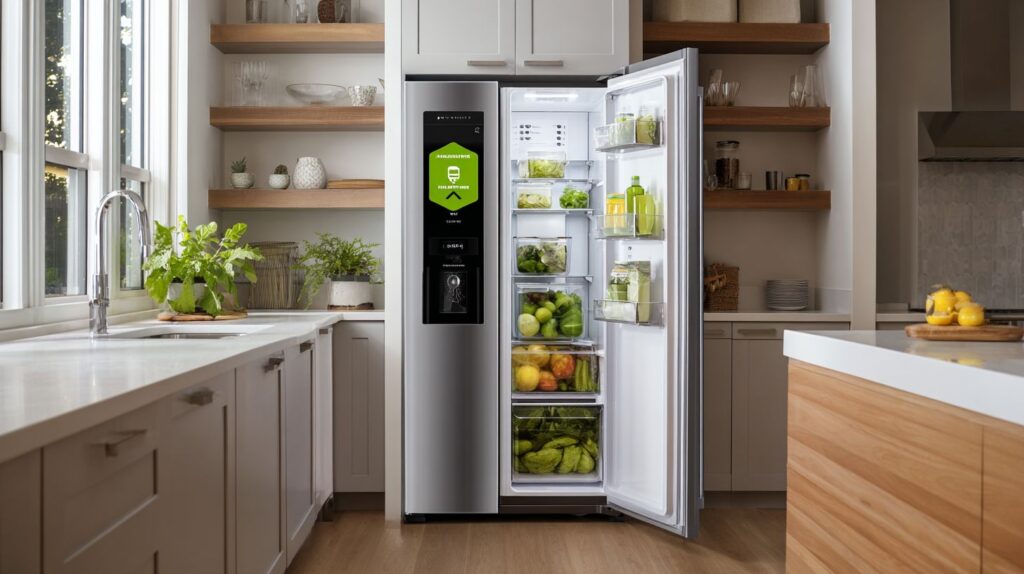
These appliances save power through features such as LED Lights, Inverter Compressors, Dual Evaporator, and improved sealing that minimize air leakage. By optimizing energy consumption, ‘Energy-Efficient Refrigerators & Freezers: Save Power Without Losing Performance’ ensures lower utility bills and reduced environmental impact, all while keeping your food fresh.
Do energy-efficient models lose performance compared to standard ones?
No, energy-efficient refrigerators and freezers deliver the same or better performance with precise temperature control and even cooling. The focus of ‘Energy-Efficient Refrigerators & Freezers: Save Power Without Losing Performance’ is to balance efficiency with reliability, so you won’t sacrifice functionality for savings.
What should I look for when buying an energy-efficient refrigerator?
When shopping, check the EnergyGuide Label and energy guide for the Energy Star rating, annual energy consumption in kWh, and features like inverter technology. Guides on ‘Energy-Efficient Refrigerators & Freezers: Save Power Without Losing Performance’ recommend models with high efficiency scores to maximize long-term savings without affecting daily use.
How can I maintain my energy-efficient freezer for optimal performance?
Regular maintenance includes cleaning coils, ensuring proper door seals, and avoiding overloading. Following tips from ‘Energy-Efficient Refrigerators & Freezers: Save Power Without Losing Performance’ will help sustain efficiency, prevent energy waste, and extend the appliance’s lifespan.
What are the long-term benefits of switching to an energy-efficient refrigerator?
Switching offers significant electricity savings, lower carbon footprint, and potential rebates. The core idea behind ‘Energy-Efficient Refrigerators & Freezers: Save Power Without Losing Performance’ is to provide eco-friendly options that perform reliably, leading to cost reductions over years of use.