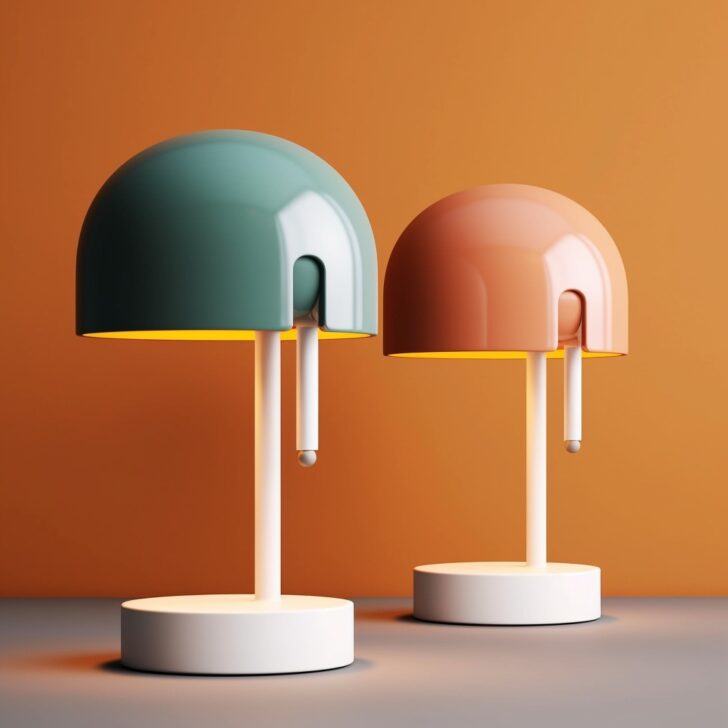
Lighting is more than just a functional necessity; it’s a key element of interior design that sets the mood and enhances your space with various lighting solutions. From ambient lighting that creates warmth to task lighting that aids productivity and accent lighting that showcases your decor, choosing the right combination is crucial. In this guide, we’ll explore how to assess your room’s needs and find the perfect style that balances both form and function, transforming your home into a beautifully lit sanctuary.
Table of Contents
Key Takeaways:
- Identify the three main types of lighting-ambient, task, and accent-to effectively enhance functionality and aesthetics in each room.
- Consider your space’s size, layout, and purpose when selecting lighting to ensure it meets both practical and stylistic needs.
- Incorporate energy-efficient options and layered lighting for versatility, creating a warm atmosphere while reducing energy costs.
Understanding Different Types of Lighting
There are three fundamental types of lighting that every homeowner should comprehend: ambient, task, and accent lighting.
Each type serves a distinct purpose in both design and functionality.
Ambient Lighting
Ambient lighting refers to the overall illumination within a room, typically supplied by ceiling fixtures, floor lamps, or wall sconces, and is essential for creating a warm atmosphere conducive to daily activities.
To enhance ambient lighting, it is advisable to utilize a combination of chandeliers and recessed lighting fixtures. For example, a large decorative chandelier can serve as an impressive focal point in a dining room, while recessed lighting can provide uniform illumination throughout the space.
Incorporating dimmers is beneficial, as they allow for easy adjustments to brightness levels, facilitating a cozy atmosphere suitable for intimate gatherings or brighter settings for family dinners.
Additionally, layering with adjustable floor lamps can further enhance versatility, creating a dynamic atmosphere that can be tailored to meet various needs and moods.
Task Lighting
Task lighting is designed to provide direct illumination for specific activities, such as reading or cooking, thereby ensuring that spaces are both functional and safe.
To effectively utilize task lighting, it is advisable to consider unique fixtures specifically tailored to individual needs. In kitchen environments, under-cabinet lights, such as the Philips Hue Lightstrip ($79), offer bright, adjustable color temperatures that are ideal for meal preparation.
In the bedroom, a bedside reading lamp, such as the TaoTronics LED ($30), facilitates focused lighting without disturbing a partner. It is important to position these lights at eye level and direct them towards the task area to minimize shadows.
This strategic placement enhances visibility and comfort, ultimately making activities more enjoyable.
Accent Lighting
Accent lighting plays a significant role in enhancing the visual appeal of architectural features and decor, effectively directing attention to focal points such as artwork or stylish furniture.
To utilize accent lighting effectively, it is advisable to consider methods such as installing wall sconces to elegantly frame artwork or employing track lighting to highlight unique furniture pieces. For example, positioning adjustable track lights above a gallery wall can create a dynamic display, allowing for the establishment of varying moods. Additionally, incorporating floor lamps near reading chairs not only illuminates the space but also contributes warmth to the environment.
It is essential to maintain a balance in accent lighting; an excess can overwhelm the space, while insufficient lighting may leave features unnoticed. The objective should be to achieve a harmonious blend that enhances depth and interest throughout the overall design.
Assessing Your Space
A successful lighting design begins with a comprehensive assessment of the space, taking into account both functionality and the distinctive characteristics of each room.
Room Functionality
Understanding the primary function of each room is crucial for determining the appropriate lighting solutions that cater to specific activities.
For example, kitchens require bright, task-oriented lighting to facilitate food preparation. Therefore, it is advisable to install LED recessed lights in conjunction with under-cabinet lighting to enhance visibility.
Conversely, living rooms typically necessitate softer, ambient lighting to foster a cozy atmosphere; in this context, options such as dimmable floor or table lamps are highly effective.
In bedrooms, warm lighting that promotes relaxation is essential. Incorporating bedside sconces or pendant lights with adjustable brightness can significantly enhance comfort while reading or unwinding.
By tailoring lighting to these specific needs, one can improve both functionality and ambiance within each space, ensuring a blend of aesthetics and practicality.
Room Size and Layout
The size and layout of a room are critical factors in influencing the lighting design, as they significantly impact how light is distributed and perceived, particularly regarding natural light.
To effectively evaluate room dimensions and adjust lighting placements, it is advisable to begin by measuring both the length and width using a tape measure, while also considering the height of the ceiling.
Based on these measurements, one should identify areas that may require additional illumination, particularly in corners that may remain dim when relying on a single light source.
Incorporating multiple light sources, such as floor lamps and wall sconces, can create layers of light, thereby enhancing depth and minimizing shadows.
Additionally, utilizing tools such as light meters can assist in assessing brightness levels, ensuring a balanced and harmonious atmosphere that compliments the overall design scheme.
Choosing the Right Style
Choosing the appropriate lighting style is essential for creating a cohesive design that aligns with the overall decor and reflects individual preferences.
Modern vs. Traditional
When selecting between modern and traditional lighting styles, it is essential to consider how each option can complement your interior design and enhance the overall aesthetic appeal of your home.
Modern lighting designs typically feature clean lines and a minimalistic aesthetic, exemplified by sleek LED chandeliers or pendant lights, which can significantly elevate contemporary spaces. Conversely, traditional fixtures, such as ornate vintage sconces and elaborate crystal chandeliers, impart a sense of warmth and nostalgia to a residence.
It is advisable to integrate both styles; for example, one might pair a modern pendant light over a kitchen island with a traditional chandelier in the dining area. This combination not only enriches visual interest but also fosters a harmonious flow throughout the home style.
Color Schemes and Materials
The color scheme and materials of light fixtures should be consistent with the overall decor theme, employing warm hues and natural materials to create a harmonious atmosphere.
For instance, if the space features earthy tones and wood accents, it would be advisable to consider a pendant light that incorporates a rustic wooden finish along with warm brass elements to align with the overall decor theme. This combination of metals, such as pairing bronze with brushed nickel, can introduce depth and visual interest to the design.
Furthermore, selecting fixtures with textured glass can effectively diffuse light, enhancing the overall warmth and comfort of the room. Ultimately, lighting choices should reflect one’s personal style while complementing existing furnishings, thereby ensuring a cohesive and inviting space.
Energy Efficiency Considerations
Incorporating energy-efficient lighting solutions can significantly reduce utility expenses while promoting sustainable living without compromising on aesthetic appeal, particularly through the use of LED bulbs.
One of the most effective methods to enhance residential lighting is by transitioning to LED bulbs, which consume up to 75% less energy than traditional incandescent bulbs. For instance, replacing a 60-watt incandescent bulb with its LED equivalent can result in savings of approximately $80 over the bulb’s lifetime.
Furthermore, smart home technology enables remote control of lighting and the ability to set schedules, thereby optimizing energy consumption. Devices such as Philips Hue and LIFX offer customizable color options, enhancing both the ambiance of a space and energy efficiency.
Ultimately, these investments not only reduce energy bills but also contribute to a more sustainable environment.
Layering Your Lighting
A layered lighting approach integrates ambient, task, and accent lighting to create a versatile environment that addresses a variety of needs.
To implement a layered approach to lighting effectively, one should begin by installing ambient lighting, such as ceiling fixtures or recessed lights, to provide comprehensive illumination.
For task lighting, it is advisable to add desk lamps or under-cabinet lighting in kitchens for focused areas where specific activities are performed.
Accent lighting, including wall sconces or LED strip lights, can be utilized to highlight artwork or architectural features.
In a well-designed living room, for example, a central chandelier may serve as the primary source of ambient light, while a floor lamp positioned beside the couch can facilitate reading.
Additionally, subtle spotlights may be strategically placed to draw attention to family photographs or other cherished items.
Installation and Placement Tips
The proper installation and strategic placement of light fixtures can significantly enhance both the functionality and aesthetic quality of residential lighting, especially in the context of home renovation. To maximize effectiveness, the following guidelines should be considered to meet your lighting needs:
- Pendant lights should be installed 30 to 36 inches above countertops.
- Recessed lighting should be spaced a minimum of 4 to 6 feet apart to prevent the creation of shadows.
Additionally, incorporating a dimmer switch can provide increased flexibility and facilitate mood setting, especially in dining rooms.
It is important to be aware of common pitfalls, such as over-lighting, which can lead to glare and discomfort, as well as positioning fixtures either too high or too low, which may disrupt visual balance, thus affecting the overall contrast in your space.
Finally, always verify local codes for safety compliance prior to commencing any installation.
Learn more, Choosing lighting: 16 factors to consider.
Frequently Asked Questions
What are the key factors to consider when learning how to choose the right lighting for your home: style meets function, including modern design elements.
When learning how to choose the right lighting for your home: style meets function, consider factors such as the purpose of each room, the existing decor style, the size and layout of the space, and the type of activities that will take place, such as reading, to better address your practical needs. This will help you create a balanced lighting scheme that enhances both aesthetics and practicality.
How can I ensure that the lighting complements my home decor while serving its functional needs?
To ensure the lighting complements your home decor while serving its functional needs, identify the overall style of your home (e.g., modern, traditional, eclectic) and select fixtures that match that aesthetic. Additionally, choose lighting that provides adequate illumination for tasks without compromising the ambiance of the space, such as using soft lighting in living areas.
What types of lighting should I consider when figuring out how to choose the right lighting for your home: style meets function?
When figuring out how to choose the right lighting for your home: style meets function, consider three main types of lighting: ambient (general lighting), task (focused lighting for specific activities), and accent (highlighting decor or architectural lighting features). Using a combination of these types will help you achieve a well-lit and stylish environment.
How do I determine the appropriate brightness for different areas in my home?
To determine the appropriate brightness for different areas in your home when learning how to choose the right lighting for your home: style meets function, consider the room’s purpose. For example, kitchens and workspaces typically require brighter, cooler lighting for tasks, while living rooms and bedrooms might benefit from softer, warmer lighting to create a cozy atmosphere, enhancing the modern style.
What role does the size of a room play in how to choose the right lighting for your home: style meets function?
The size of a room plays a significant role in how to choose the right lighting for your home: style meets function. Larger rooms may require multiple light sources or larger fixtures to ensure even distribution of light, while smaller spaces can often be enhanced with a single statement piece that adds style without overwhelming the area.
Can I mix different lighting styles in my home, and how does that fit in with how to choose the right lighting for your home: style meets function?
Yes, you can mix different lighting styles in your home, such as modern style, vintage style, and rustic style, and doing so can create a unique and personalized look. When considering how to choose the right lighting for your home: style meets function, aim for a cohesive color palette and design elements that tie the various styles together with the craftsmanship of NCC Builders and the aesthetic choices from Zin Home. This approach allows for creativity while maintaining functional lighting solutions.