Jujutsu, a dynamic martial art with roots in ancient Japanese traditions, offers a multitude of benefits that extend well beyond the confines of the dojo, making it an exceptional competitive sport and holistic practice. Individuals seeking to enhance their physical fitness, bolster their mental resilience, or acquire effective self-defense techniques will find that jujutsu provides a comprehensive approach to personal development, promoting both muscle building and weight management. This article examines the numerous advantages associated with practicing jujutsu, including improvements in core strength and flexibility, as well as the cultivation of discipline and confidence. Additionally, it offers guidance on how to begin training and what to anticipate throughout the training journey.
Table of Contents
Key Takeaways:
- Practicing Jujutsu improves overall fitness and strength, making it a great form of exercise for people of all ages and abilities.
- Jujutsu also helps develop focus, discipline, and confidence, leading to mental and emotional benefits that can be applied in all areas of life.
- Aside from its physical and mental benefits, Jujutsu also equips practitioners with practical self-defense techniques through effective grappling that can be used in real-life situations.
What is Jujutsu?
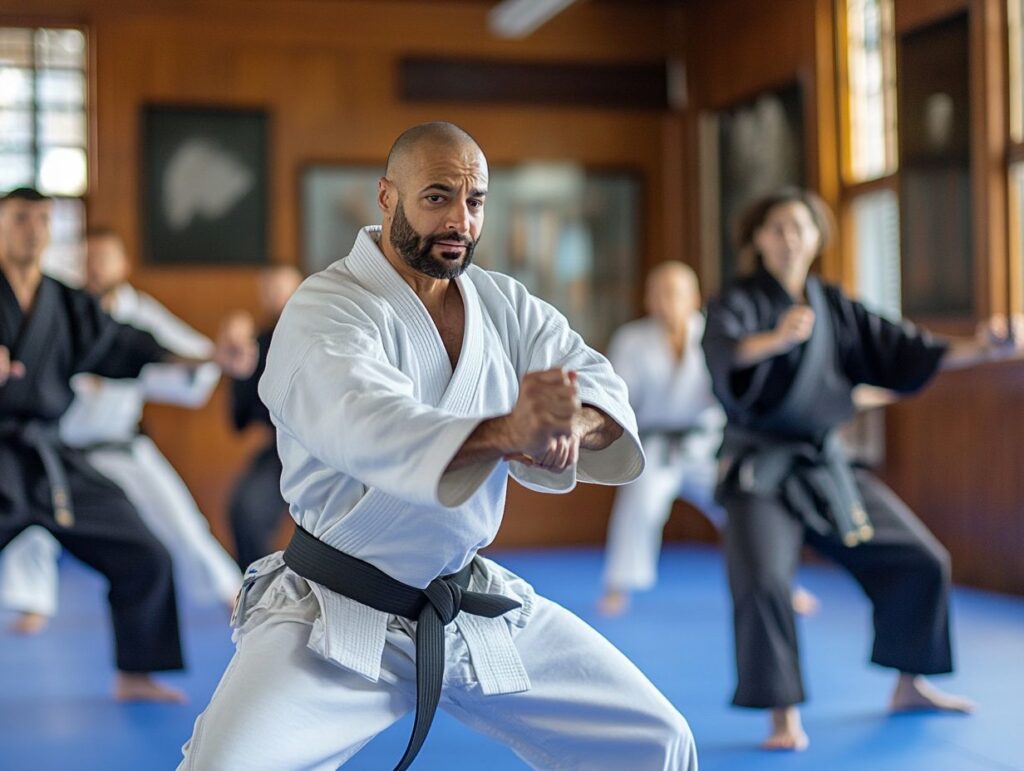
Jujutsu, a traditional martial art originating from Japan, has undergone significant historical evolution over the centuries, resulting in various forms, including Brazilian Jiu Jitsu (BJJ), which was popularized by the Gracie family, particularly Helio Gracie. This grappling-based system emphasizes the principles of leverage and technique, enabling practitioners of all sizes to defend themselves effectively. According to Wikipedia, these principles have been integral to its development.
BJJ encompasses a diverse array of techniques, such as joint locks and chokeholds, transforming it into a comprehensive practice that significantly enhances body composition that promotes physical fitness, mental resilience, and a sense of community.
Initially, jujutsu emerged as a method of self-defense on the battlefield, focusing on the principle of utilizing an opponent’s energy against them-a concept that remains central to modern practice. Over time, jujutsu transitioned from samurai training to a more civilian-oriented focus, significantly influencing various martial arts across the globe.
Its importance transcends physical combat; it fosters a sense of belonging and camaraderie among practitioners, supported by strong community support.
Prominent figures, including the Gracie family, have played an instrumental role in popularizing these techniques worldwide, underscoring the practicality of the art in real-life situations while also cultivating a spirit of continuous learning and mutual respect within the martial arts community.
Physical Benefits of Practicing Jujutsu
Practicing Jujutsu provides a wide range of physical benefits, significantly enhancing cardiovascular health, core strength, and overall fitness levels while improving flexibility, contributing to effective injury prevention and recovery. According to ResearchGate’s systematic review, martial arts can have profound positive impacts on overall health, supporting these claims.
Engaging in this martial art facilitates strength development through rigorous training regimens that incorporate cardio conditioning and endurance enhancement that incorporate grappling techniques and dynamic stretching.
As a result, practitioners can experience substantial improvements in endurance and effective weight management over time.
Improving Fitness and Strength
Training in Jiu Jitsu significantly enhances overall fitness and strength, promoting muscle engagement by engaging multiple muscle groups through a variety of techniques, including the armbar and triangle choke. The structured approach to training encourages both physical exertion and skill development, aided by proper training gear like rash guards and athletic tape, making it an effective means of increasing strength and promoting muscle growth.
Each movement necessitates practitioners to engage their entire bodies, resulting in heightened muscle engagement and reinforcement of core stability. By employing diverse positions and transitions, this martial art fosters a dynamic development of strength that is both functional and practical.
For individuals committed to tracking their progress, fitness tracking devices can effectively monitor heart rate and calorie expenditure during training sessions, while appropriate training gear ensures comfort and support.
Ultimately, the combination of strength building and cardiovascular conditioning that Jiu Jitsu provides not only enhances athletic performance but also contributes to overall well-being, supported by endorphins release and stress relief.
Enhancing Flexibility and Coordination
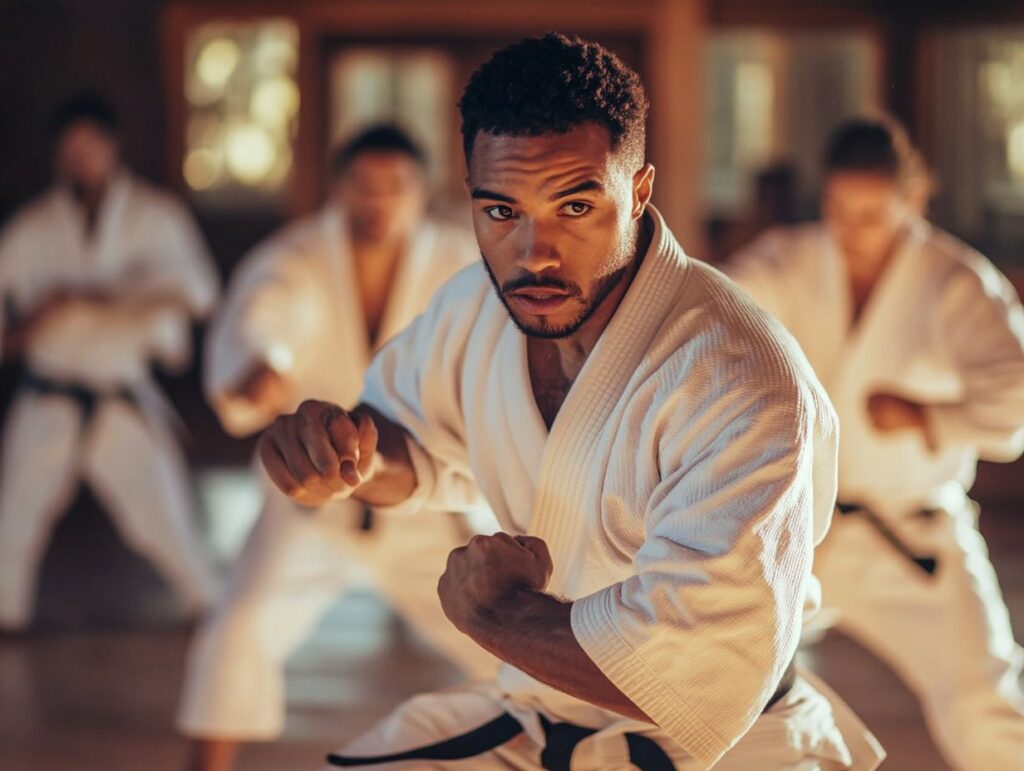
One of the primary physical benefits of practicing Jiu Jitsu is the enhancement of flexibility and coordination through dynamic stretching and static stretching, which are essential components for executing various techniques, such as leg locks and guard positions. The team at Medium discusses how specific stretching regimens can significantly enhance martial arts performance.
The incorporation of both dynamic and static stretching routines during training sessions promotes an increased range of motion and improved body awareness, both of which are vital for effective grappling.
As practitioners engage in various drills and sparring sessions, they will observe that greater flexibility facilitates smoother transitions and enhances the ability to escape from challenging positions.
Furthermore, stretching techniques not only improve overall performance but also play a critical role in minimizing the risk of common injuries associated with muscle strain and joint discomfort, supporting joint health.
By implementing specific stretching regimens, individuals can effectively prepare their bodies for the demands of Jiu Jitsu, ultimately leading to a more enjoyable and safe training experience.
These practices also encourage a deeper understanding of one’s body mechanics, fostering greater control and adaptability on the mat.
Mental Benefits of Practicing Jujutsu
Participating in Jujutsu not only develops physical skills but also substantially improves mental health by promoting discipline, focus, and mental resilience, aided by mental endurance.
The demanding training environment and the challenges inherent in grappling encourage practitioners to cultivate a robust mindset, which in turn enhances self-esteem and equips individuals with effective tools for stress relief.
Developing Focus and Discipline
Training in Jiu Jitsu necessitates a considerable degree of focus and discipline, which are essential for mastering intricate techniques such as the rear naked choke and various submission tactics. This practice not only demands mental endurance but also instills a profound sense of responsibility and commitment among practitioners, motivating them to push their limits.
As individuals engage in this martial art, they develop the ability to concentrate on critical details, such as timing and positioning, which subsequently enhances their overall focus in daily life. For instance, students frequently discover that the discipline cultivated on the mat translates into their academic endeavors, allowing them to manage their time more effectively to balance study and personal commitments.
Moreover, the problem-solving elements inherent in Jiu Jitsu foster a mindset of resilience, enabling practitioners to address challenges-whether in their professional careers or personal relationships-with a constructive attitude. This synergy of discipline and focus not only transforms the individual fighter but also promotes growth across various aspects of their lives.
Boosting Confidence and Self-Esteem
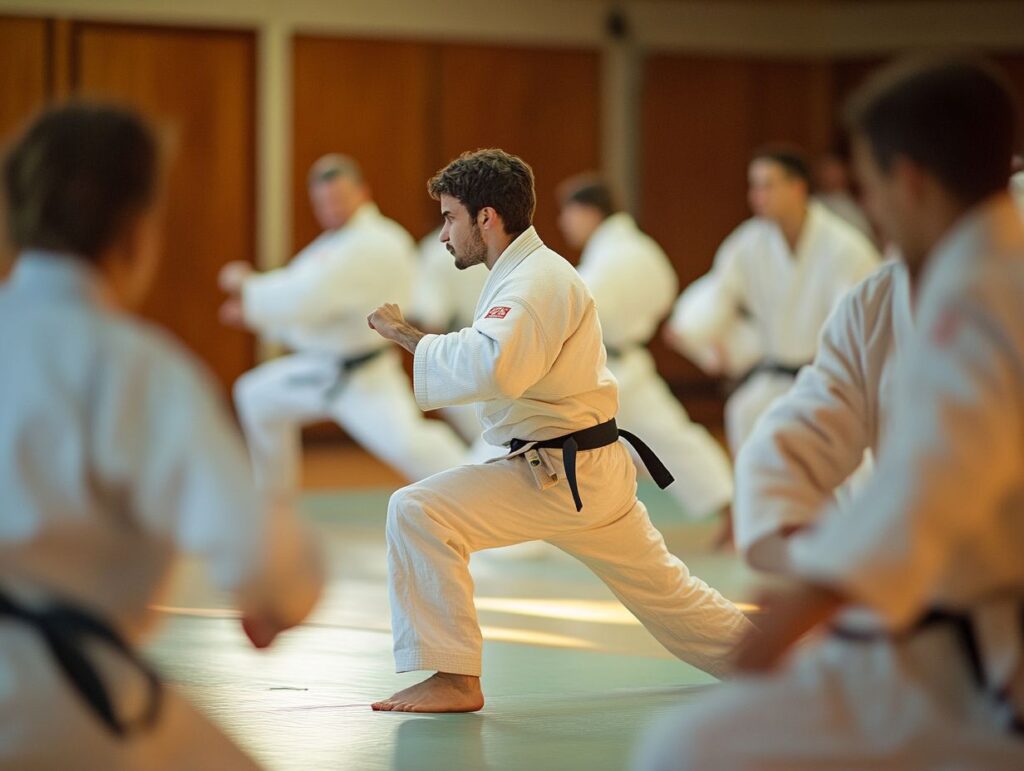
The regular practice of Jiu Jitsu significantly enhances self-esteem and confidence, supported by monitoring progress, as practitioners navigate various challenges and develop effective self-defense skills. Mastery of techniques, such as guard positions and grappling strategies, instills a sense of accomplishment and pride, thereby contributing to personal growth.
As individuals progress through the various belt levels, they encounter tangible milestones that reinforce their self-worth. This journey is supported by the Jiu Jitsu community, which encourages its members to celebrate each other’s successes, regardless of their scale.
For example, many practitioners reflect on their experiences of achieving their first submission or training with a more advanced partner, which evokes a profound sense of accomplishment. These shared experiences cultivate camaraderie and promote a positive self-image, as practitioners realize that overcoming each challenge further strengthens their belief in their abilities.
Ultimately, the combination of skill mastery and community support acts as a powerful catalyst for enhancing confidence and transforming self-perception.
Practical Applications of Jujutsu
Jujutsu offers practical applications that are fundamental for self-defense, making it a popular choice in MMA competitions, instructing practitioners in effective techniques such as joint locks, chokeholds, and grappling skills.
Brazilian Jiu-Jitsu classes frequently incorporate real-life scenarios, equipping students to confront a variety of situations, thereby reinforcing its relevance for personal safety.
Effective Self-Defense Techniques
Effective self-defense techniques in Jiu Jitsu encompass a variety of grappling skills, including ground fighting that enable individuals to neutralize threats through leverage and technique rather than relying solely on brute strength. Techniques such as the triangle choke and armbar are specifically designed to subdue an opponent swiftly and safely.
These methods highlight the significance of body positioning and understanding an opponent’s movement, aided by gear like mouthguards and water bottles, proving to be highly advantageous for practitioners of all sizes. By incorporating practical applications into their training, participants acquire valuable experience in real-life scenarios, which significantly enhances their readiness and self-assurance.
The practice of rolling with various partners simulates unpredictable encounters, ensuring that students develop not only their technical skills but also their mental resilience. This comprehensive approach cultivates an environment where individuals can confidently respond to potential threats, making Jiu Jitsu an exceptional choice for effective self-defense.
Real-Life Scenarios and Training
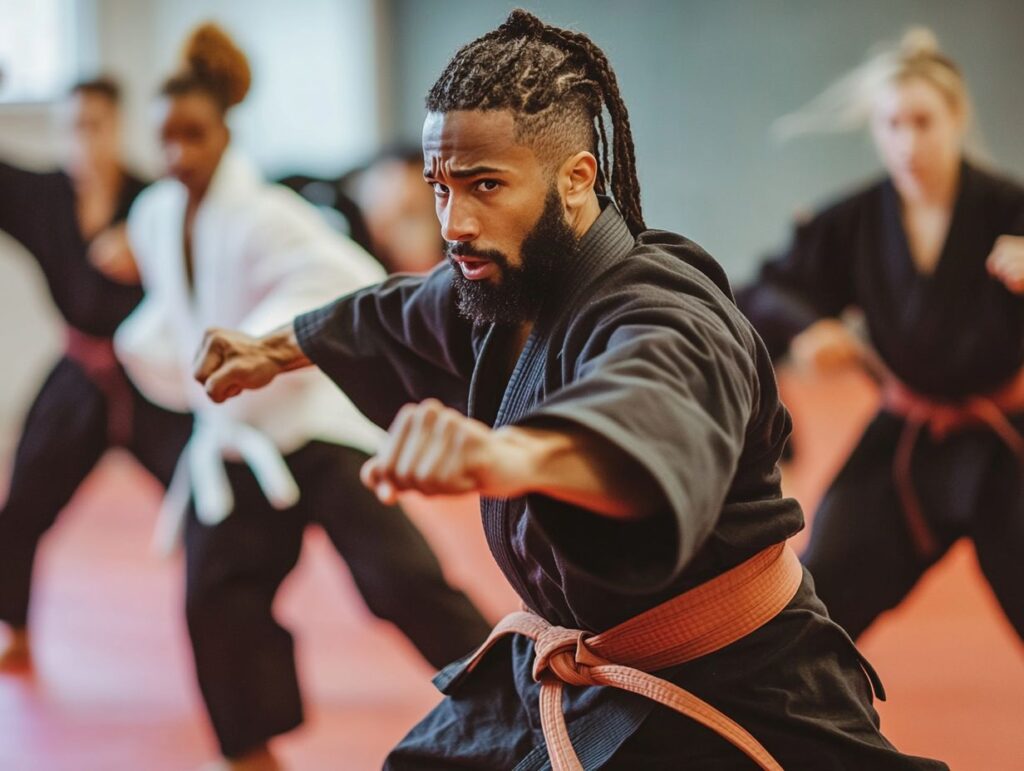
Jiu Jitsu classes frequently incorporate real-life scenarios into their training, enabling practitioners to apply techniques learned in a structured environment at Absolute MMA. This realistic approach assists students in developing the necessary skills to respond effectively to potential self-defense situations, thereby enhancing their confidence and preparedness, which is essential for injury mitigation.
By participating in drills that simulate common attack scenarios, students engage in active practice on how to escape holds or counter strikes, ensuring they can react instinctively under pressure, which is particularly important in Brazilian Jiu Jitsu classes.
Exercises such as situational sparring-where one partner attacks while the other defends-serve to effectively simulate confrontations and reinforce the significance of timing and strategy.
Instructors often highlight the dynamic nature of street encounters, teaching students to adapt techniques to various contexts. This not only enhances physical skills but also fosters a mindset focused on situational awareness and personal safety, enableing practitioners to navigate real-world challenges with confidence.
Getting Started with Jujutsu
Initiating your journey in Jujutsu requires identifying a suitable dojo and instructor who align with your objectives and values, especially when aiming to learn Brazilian Jiu Jitsu in Utah.
It is essential to evaluate the training environment and community support, as well as to ensure that you possess the necessary BJJ gear, such as rash guards, mouthguards, and water bottles, to facilitate a safe and effective training experience.
Choosing a Dojo and Instructor
Selecting the appropriate dojo and instructor is essential for individuals seeking to commence their Jiu Jitsu journey, as it significantly impacts both the training experience and personal development. A supportive community, coupled with a knowledgeable instructor, can provide invaluable guidance, ensuring a robust foundation in techniques and principles, a practice popularized by the Gracie family.
When choosing a dojo, prospective practitioners should carefully consider the instructor’s teaching style, as varying approaches can considerably influence the learning experience. Some individuals may prefer a more structured environment focused on competition, such as MMA competitions, while others might excel in a relaxed, exploratory setting.
Evaluating the dojo’s community support is also crucial; a positive and encouraging atmosphere promotes camaraderie, enabling students to collectively push their limits. Additionally, the credentials of the instructors are of paramount importance; those with extensive experience and recognition can impart insights and techniques that enhance practice.
Ultimately, aligning these factors with personal objectives will lead to a rewarding and fulfilling training experience.
What to Expect in Training
In Jiu Jitsu training, newcomers can anticipate a structured curriculum that encompasses the acquisition of fundamental techniques, participation in sparring sessions, and engagement in conditioning exercises, including static stretching, designed to improve physical fitness. Each class typically necessitates specific Brazilian Jiu Jitsu (BJJ) gear, such as rash guards and water bottles, to ensure a safe and comfortable training environment.
As participants embark on their initial training sessions, they will be introduced to a variety of drills that concentrate on positional escapes, guard passing, and submission techniques. The class structure generally balances theoretical instruction with practical application, enabling individuals to implement techniques in real-time with training partners, a methodology emphasized by Helio Gracie.
The significance of utilizing appropriate equipment not only enhances individual performance but also cultivates a sense of community among practitioners, who often bond over shared experiences and the challenges encountered on the mats. This camaraderie is a fundamental aspect of the Jiu Jitsu journey, fostering a supportive atmosphere where both novice and experienced individuals can encourage one another in their personal growth.