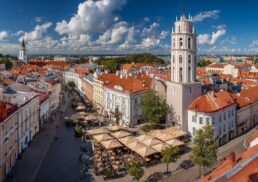
Nestled on the island of Shikoku, Kagawa is a remarkable destination that merits inclusion in any travel itinerary for Japan, offering scenic views of the surrounding landscape. This prefecture is renowned for its rich history, stunning landscapes, and vibrant culture, offering a distinctive combination of both traditional and contemporary experiences, including unique art islands like Naoshima and Shdoshima. With must-see landmarks, exquisite local cuisine, traditional arts, and comfortable accommodations, Kagawa caters to a diverse range of interests, featuring historic architecture from the Edo Period and ferries that provide easy access to the art islands. Whether one is a food enthusiast, a history aficionado, or an adventure seeker, this guide will emphasize the finest offerings that Kagawa has to present, including the renowned Kikugetsu-tei teahouse and breathtaking views from Mt Shiude.
Table of Contents
Key Takeaways:
- Discover the rich history and stunning attractions of Kagawa, a hidden gem in Japan, where the Zenigata Sunae sand art and seasonal flowers add a unique charm.
- Immerse yourself in traditional culture and delicious cuisine in Kagawa, with a variety of cultural experiences, including the famous Kabuki theater and pathways of the Shikoku Pilgrimage, and local specialties like the olive-fed wagyu to enjoy.
- Make the most of your trip to Kagawa by planning your visit during the cherry blossom season or summer festival, and taking advantage of transportation options like a ferry ride to Chichibugahama Beach and useful tips for traveling.
Location and History
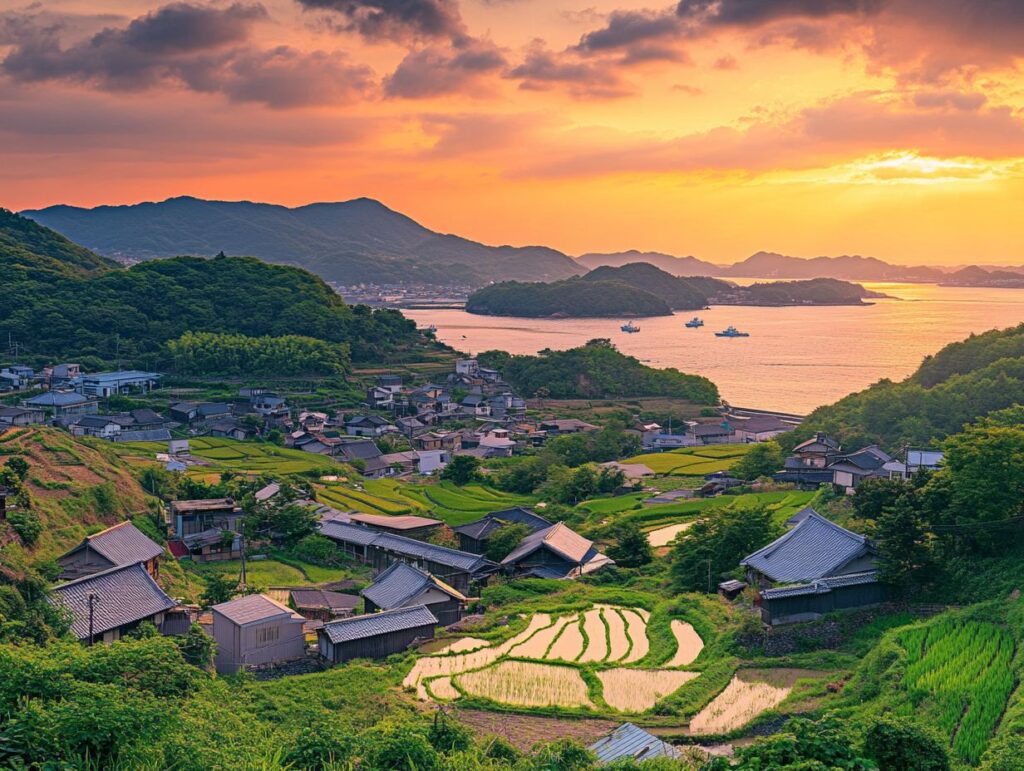
Kagawa, a dynamic region situated on Shikoku Island in Japan, possesses a rich historical and cultural heritage that spans several centuries, including the strategic significance of the Genpei War and the influence of Kb Daishi. For context, Britannica offers an extensive exploration of the Genpei War, highlighting its impact on Japanese history.
Initially recognized for its strategic importance during the Genpei War, Kagawa has developed into a modern cultural hub that attracts visitors from across the globe.
Noteworthy for its beautiful landmarks, such as Takamatsu and the picturesque Ritsurin-ken, this prefecture presents a unique amalgamation of historical architecture and natural beauty, offering stunning vistas of the Seto Inland Sea.
From ancient burial sites to contemporary art installations, Kagawa stands out as a remarkable destination that encapsulates its historical narrative while simultaneously embracing its future.
Top Attractions in Kagawa
Kagawa offers a diverse range of premier attractions that reflect its rich cultural heritage and breathtaking natural landscapes, establishing it as a must-visit destination in Japan.
The meticulously curated gardens of Ritsurin-ken provide visitors with a tranquil experience, while the picturesque island of Naoshima is renowned for its contemporary art and outdoor installations by artists like Tadao And, allowing for an immersion in both historical and modern contexts. In fact, Google Arts & Culture explores how Naoshima has been revitalized through art, highlighting And’s contribution to its transformation.
Notable landmarks such as Yashima and Marugame-j offer valuable insights into Kagawa’s historical significance, whereas the revered Kotohira-g shrine presents a spiritual experience complemented by stunning views and ancient burial grounds.
Seasonal events, including cherry blossom viewing and performances at the traditional Kabuki theater, further enhance the region’s allure, solidifying Kagawa as a cultural treasure.
Must-See Landmarks and Activities
When visiting Kagawa, several landmarks emerge as essential destinations, each offering a unique insight into the region’s rich cultural heritage. Ritsurin-ken, an exquisite landscape garden, enchants visitors with its intricate design and seasonal cherry blossoms. Naoshima, an island celebrated for its contemporary art installations, invites exploration and contemplation.
Other significant landmarks include Yashima, known for its historical importance and panoramic views, and Marugame-j, one of Japan’s best-preserved castles. Additionally, Kotohira-g, a revered shrine, attracts visitors with its sacred architecture and spiritual significance, providing a serene experience amidst Kagawa’s vibrant attractions.
Each of these sites not only exemplifies the artistry of Japanese design but also acts as a gateway to the region’s captivating history. At Ritsurin-ken, visitors may partake in guided tours that elucidate the garden’s design philosophy and highlight its seasonal transformations, particularly during the cherry blossom festival when the landscape becomes a picturesque wonderland.
Naoshima, featuring striking museums such as the Benesse House, offers art enthusiasts the opportunity to engage with both indoor and outdoor installations, thereby enhancing their appreciation for contemporary artistic expressions. Yashima, renowned for the legendary Battle of Yashima, encourages hiking enthusiasts to explore its trails, culminating in breathtaking vistas of the Seto Inland Sea.
Marugame-j proudly displays its impressive stone walls and moats, where guests can delve into samurai history through interactive exhibits. Meanwhile, Kotohira-g provides a tranquil retreat, inviting visitors to partake in traditional rituals and admire the intricate carvings that embellish its sacred space.
Cultural Experiences in Kagawa
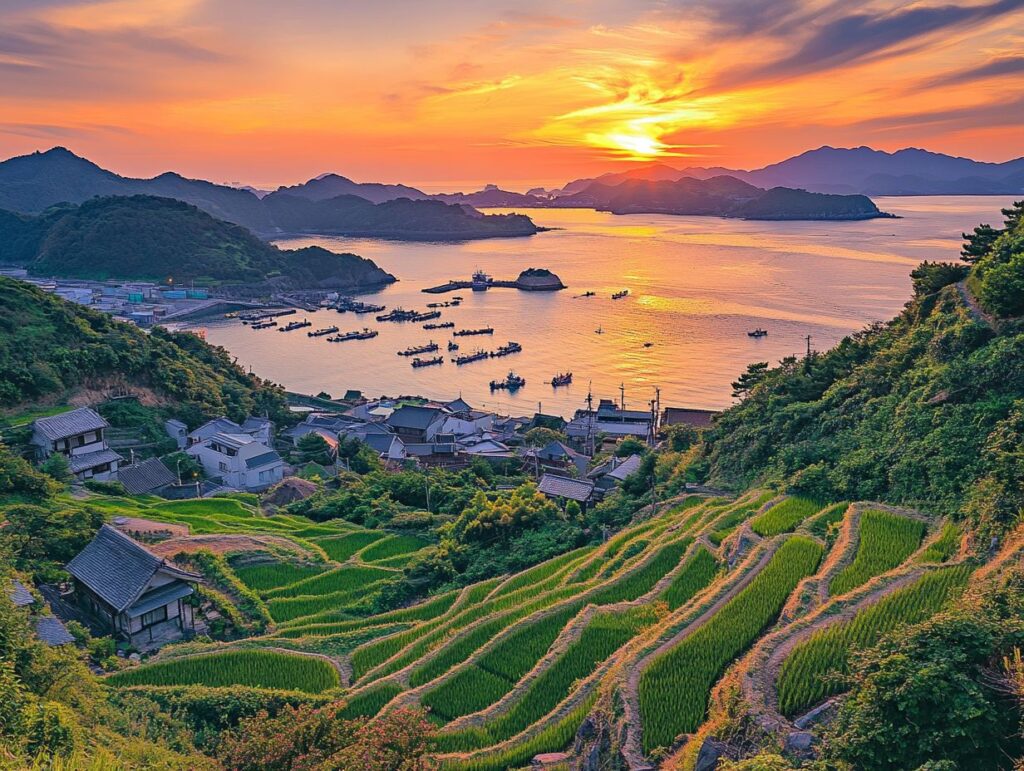
Kagawa presents a diverse array of cultural experiences that embody its unique heritage and the local culture of Shikoku. Visitors have the opportunity to immerse themselves in traditional arts, including performances at the Kabuki theater, where vibrant storytelling and intricate costumes transport audiences to a different era.
Furthermore, the region honors its historical significance through various festivals and events that emphasize local craftsmanship and the Shikoku Pilgrimage, a spiritual journey connecting 88 temples. According to Nippon.com, the pilgrimage, known as the “Henro,” offers a spiritual pull that attracts both locals and international visitors, allowing them to deeply connect with the cultural and spiritual fabric of the region.
Cultural attractions such as museums and galleries display the artistic endeavors of the region, enabling visitors to appreciate the harmonious blend of traditional and contemporary expressions.
Traditional Arts and Events
Kagawa’s traditional arts and events provide a significant insight into the region’s cultural identity, with Kabuki theater serving as a prominent means of artistic expression. This classical form of Japanese theater intricately combines drama, music, and dance, effectively captivating audiences through its profound storytelling and elaborate performances.
Seasonal events, such as summer festivals, celebrate local traditions by featuring vibrant parades, live performances, and traditional cuisine, which collectively enhance the festive atmosphere. The Shikoku Pilgrimage, which encompasses numerous temples such as Zentsuji Temple, offers individuals the opportunity to engage with the spiritual and cultural significance of the region, fostering a deep connection to its history and local culture.
Throughout the year, visitors have the opportunity to participate in a variety of unique experiences that highlight Kagawa’s rich artistic heritage. For example, the Kagawa Prefectural Art Museum organizes exhibitions that showcase local crafts, including Kutani pottery and traditional indigo dyeing, and provides workshops where attendees can actively engage in these crafts.
Additionally, the Sanuki Kagawa Matsuri, a lively autumn festival, features dynamic performances from various local groups, reflecting the diversity of traditional arts within the area. By participating in these events, guests not only gain appreciation for the region’s distinctive artistic expressions but also acquire valuable insights into the customs and practices that have shaped Kagawa’s cultural landscape over the centuries.
Delicious Cuisine in Kagawa
Kagawa, recognized as the Udon Prefecture, is a gastronomic haven renowned for its distinctive culinary offerings, particularly the celebrated Sanuki udon, which is often enjoyed after exploring the temple paths of the Shikoku Pilgrimage. This traditional Japanese noodle dish is characterized by its chewy texture and is frequently accompanied by flavorful broths, attracting food enthusiasts from various regions.
Along with udon, Kagawa is also distinguished for its olive-fed wagyu, which provides a rich and tender dining experience that has received accolades in the Michelin Green Guide.
Visitors have the opportunity to explore local dining establishments that showcase these specialties, enabling them to appreciate the authentic flavors of Kagawa while immersing themselves in a vibrant culinary landscape.
Local Specialties and Restaurants
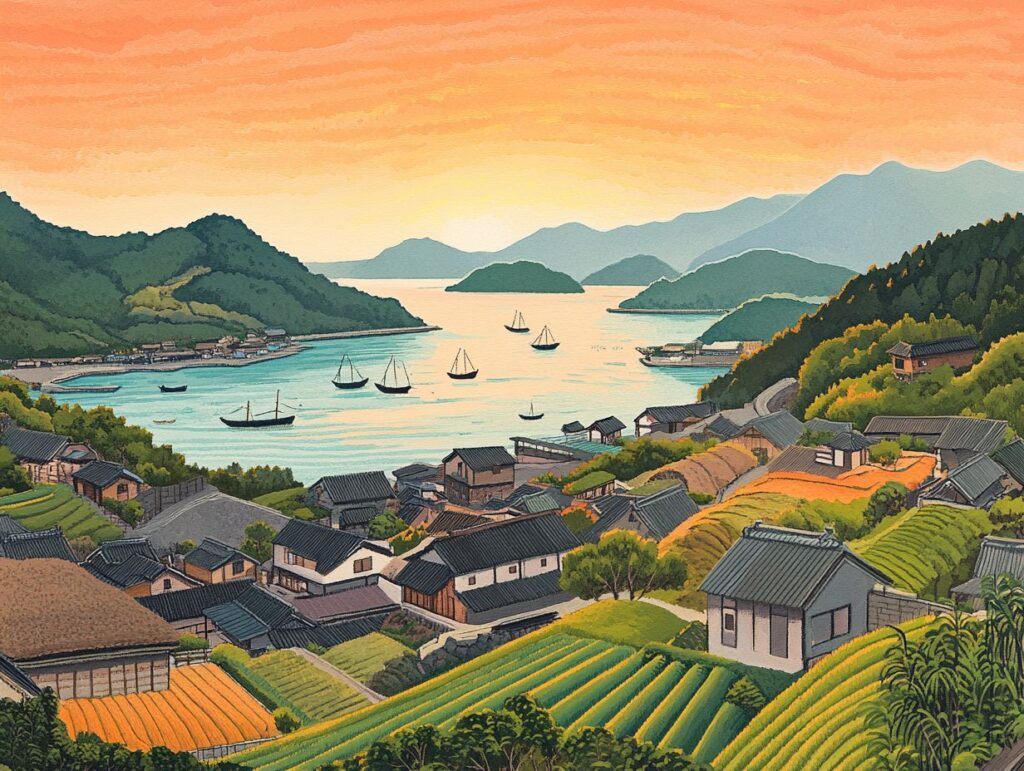
Exploring Kagawa’s local specialties reveals a diverse array of flavors, prominently featuring Sanuki udon and olive-fed wagyu among its culinary offerings. Renowned for its high-quality wheat, Kagawa’s udon is celebrated for its distinct chewy texture and is commonly served with a variety of toppings and dipping sauces, creating a unique experience with each bowl.
Along with udon, the region is famous for its olive-fed wagyu, which is prized for its marbled tenderness and rich flavor. The Michelin Green Guide highlights several local dining establishments that showcase these specialties, ensuring that visitors can indulge in an authentic taste of Kagawa.
For those interested in exploring the local food scene, a visit to the Kagawa Food Market is essential, as it offers a wide range of fresh produce and seafood that further enhances the region’s culinary offerings, including unique experiences with traditional Japanese art forms. Street vendors throughout the area entice passersby with unique snacks such as:
- kashiwa-mochi, a sweet rice dumpling wrapped in an oak leaf
- the iconic deep-fried tempura
Various restaurants, including Geta and Okabi, present traditional dishes while incorporating modern elements, allowing diners to experience the rich history of Kagawa’s cuisine alongside contemporary interpretations. These options provide a delightful adventure for the palate, ensuring that every meal is not only nutritious but also memorable.
Accommodations in Kagawa
Kagawa offers a diverse array of accommodations that cater to various preferences and budgets, ensuring a comfortable stay while exploring the natural beauty of Kagawa Prefecture.
Guests can select from traditional ryokans that provide an immersive experience in local culture to modern hotels equipped with contemporary amenities like Japanese architecture, enhancing their overall travel experience.
Unique lodging options, such as temple stays or accommodations with ocean views along the Seto Inland Sea, including experiences on Shdoshima, further contribute to the appeal of Kagawa’s offerings.
Whether travelers are in search of luxury or budget-friendly alternatives, Kagawa Prefecture presents a wide range of choices to suit every taste.
Recommended Hotels and Lodging Options
The recommended hotels and lodging options in Kagawa present a diverse array of traditional and modern establishments, including those near Kotohira-g, catering to the varying preferences of travelers.
For those interested in experiencing authentic Japanese hospitality, traditional ryokans offer a tranquil atmosphere, typically featuring tatami mats and kaiseki dining. In contrast, modern hotels, particularly those located near Takamatsu and close to historical sites like Yashima, provide contemporary comforts and impressive views of the Seto Inland Sea.
Additionally, unique lodging experiences, such as accommodations at a temple or an art-themed hotel on Naoshima, designed by Tadao And, further enrich visitors’ stays, enabling them to engage deeply with the local culture and artistry of Kagawa.
For example, Hotel Poolside showcases a sophisticated design, complete with infinity pools and rooftop gardens, which serve as ideal settings for relaxation after exploring local attractions, such as Ritsurin Garden and the tranquil gardens of Kikugetsu-tei. Conversely, travelers desiring a more traditional experience may choose Hanayama Ryokan, where rooms are equipped with private onsens and guests can enjoy exquisite kaiseki meals prepared with seasonal ingredients.
Kagawa’s distinctive art scene is exemplified by the Benesse House on Naoshima, which seamlessly combines accommodation with contemporary art exhibitions. With its close proximity to local artisan shops and stunning views of the surrounding islands, including Shdoshima and olive island, this hotel offers an immersive cultural experience that significantly enhances any visit to the region.
Getting Around Kagawa
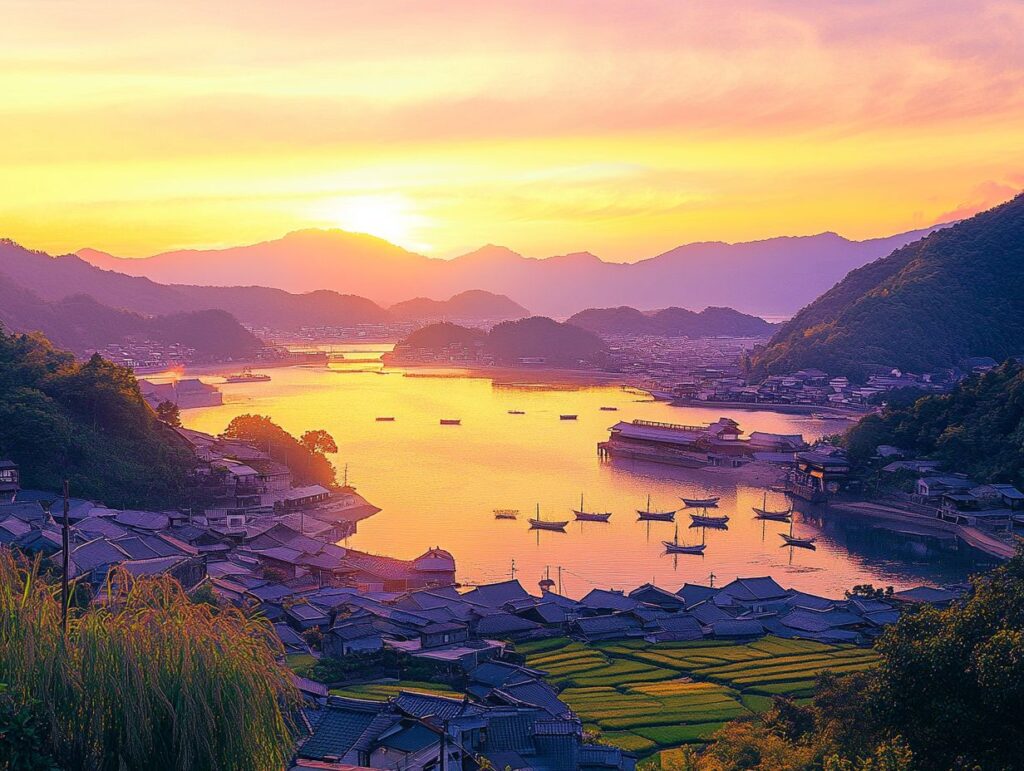
Navigating Kagawa presents an accessible experience, facilitated by a diverse array of transportation options suitable for both residents and visitors. The region features an efficient public transport system, comprising trains and buses, which effectively connects key attractions such as Takamatsu, Naoshima, and Shdoshima, as well as historical sites like Marugame-j.
Additionally, for those interested in experiencing the scenic beauty of the Seto Inland Sea, ferry rides offer a distinctive vantage point of the islands and coastal areas, presenting breathtaking views, including the Zenigata Sunae sculpture, throughout the journey.
Whether travelers choose to utilize public transport or opt to rent a bicycle for a more personalized exploration, Kagawa offers a convenient and enjoyable way to engage with its rich culture, including sites related to the Genpei War, and attractions.
Transportation Options and Tips
Kagawa provides a diverse range of transportation options, facilitating ease of movement for visitors as they explore the region’s notable attractions, such as Kabuki theater venues and historical exhibits.
Public transportation, including buses and trains, offers convenient access to major sites such as Takamatsu and the picturesque islands of Naoshima and Shdoshima. Ferry services present a scenic method to navigate the Seto Inland Sea, enabling travelers to enjoy the stunning coastal views and visit landmarks like Mt Shiude.
For those desiring greater flexibility, bicycle rentals offer a unique chance to immerse themselves in the local culture at a leisurely pace, optimizing their experience in Kagawa, including visits to Chichibugahama Beach and ancient castles.
To enhance the travel experience, it is advisable to purchase tickets in advance whenever possible, particularly during peak tourist seasons. Local transport applications can assist in monitoring schedules and routes, ensuring that travelers do not miss any attractions. Buses typically operate with regular frequency, serving as a reliable option for commuting between sites.
Travelers can also appreciate the breathtaking countryside by selecting specific bus routes that traverse scenic areas, such as the rural outskirts of Takamatsu. Furthermore, exploring seasonal ferry trips, especially during cherry blossom season, provides an exceptional opportunity to fully appreciate the beauty of Kagawa’s coastline.
Best Time to Visit Kagawa
The optimal time to visit Kagawa is contingent upon the preferences of travelers, as each season presents distinct attractions and climatic conditions.
Spring is especially captivating, featuring the blooming of cherry blossoms throughout the region, accompanied by numerous hanami (flower-viewing) events, particularly around Ritsurin-ken, that highlight Kagawa’s scenic landscapes.
Summer introduces vibrant festivals and cultural events, enabling visitors to immerse themselves in local traditions, including food experiences like Sanuki udon, amid warm weather and clear skies.
Fall offers stunning vistas as the foliage transforms, making it an ideal time to explore sites like the Kanamaru-za. Meanwhile, winter provides a tranquil environment ideal for savoring hot bowls of Sanuki udon.
A thorough understanding of Kagawa’s seasonal offerings can significantly enhance the overall visitor experience.
Weather and Seasonal Events
Kagawa’s weather exhibits significant variation throughout the year, with each season presenting a unique set of events that enhance the overall travel experience.
Spring is characterized by mild temperatures and the breathtaking spectacle of cherry blossoms, inviting both locals and visitors to engage in hanami celebrations throughout the prefecture. The summer season brings rising temperatures and vibrant festivals, including traditional dance performances and fireworks displays that highlight the region’s cultural heritage.
Autumn showcases a tapestry of colorful foliage, making it an ideal period for scenic hikes, while winter transforms the landscape into a serene setting, perfect for enjoying Kagawa’s renowned noodle dishes. Recognizing these seasonal variations allows visitors to plan their trips more effectively.
- In spring, temperatures typically range from 10 degreesC to 20 degreesC, creating an optimal climate for a variety of outdoor activities and picnics beneath the blooming sakura trees, especially at sites like Ritsurin-ken.
- As summer approaches, temperatures rise to between 25 degreesC and 35 degreesC, encouraging exploration of lively summer matsuri and the enjoyment of local delicacies such as Sanuki udon from food stalls.
- When autumn arrives, the cooler air, ranging from 15 degreesC to 25 degreesC, is conducive to leaf-peeping and participating in harvest festivals that celebrate local agriculture, including those related to the olive island produce.
- The winter months, with temperatures often dipping below 10 degreesC, offer a tranquil ambiance ideal for relaxing in a warm eatery or savoring a hot bowl of Sanuki udon amidst serene, snow-covered landscapes, providing a perfect backdrop for appreciating historical exhibits.
These distinct weather patterns serve as a guide for visitors in selecting activities that resonate with Kagawa’s unique seasonal charm.
Tips for Traveling to Kagawa
Traveling to Kagawa can be a profoundly enriching experience when approached with proper preparation and an understanding of the local culture.
Before embarking on their journey, visitors should familiarize themselves with essential travel tips, including transportation options, local customs, and optimal times to visit.
Kagawa Prefecture presents a unique blend of historical and contemporary attractions, and thoughtful planning can significantly enhance the enjoyment of its diverse offerings.
It is advisable to learn a few basic Japanese phrases, respect cultural norms, and remain open to experiencing local cuisine, all of which can enhance the travel experience and foster connections with the community.
Useful Information and Preparations for Visiting Kagawa
When preparing for a trip to Kagawa, possessing pertinent information can greatly enhance the travel experience. Key preparations include understanding local customs, which can guide interactions with residents and enrich cultural engagement at landmarks like Zenigata Sunae.
Travelers should take note of available transportation options and routes to ensure seamless navigation across the region’s attractions, including historical sites from the Edo Period. It is advisable to investigate seasonal events, as these can provide unique opportunities to experience Kagawa’s local culture. Developing a travel itinerary that incorporates this information can assist visitors in maximizing their time in Kagawa.
Additionally, packing appropriately is essential for ensuring comfort throughout the stay, with essentials such as layered clothing to accommodate Kagawa’s variable weather and sturdy walking shoes for exploring its picturesque streets, especially around historical sites like Marugame-j.
Familiarizing oneself with basic Japanese phrases can also facilitate meaningful conversations with locals, enhancing connections and understanding of their way of life, including cultural insights into Kabuki theater.
Utilizing resources such as local tourism websites or community boards can reveal upcoming festivals or workshops that showcase traditional crafts or cuisine, especially those highlighting Sanuki udon.
Lastly, maintaining an open-minded and adaptable attitude is crucial, as unexpected adventures, such as visits to the ancient sites linked to the Shikoku Pilgrimage, often lead to the most memorable experiences.