Visiting a museum can be an enriching experience; however, adequate preparation can significantly enhance this experience. Whether one is an art enthusiast, a history buff, or a science aficionado, understanding how to navigate the exhibits and engage meaningfully with the content will greatly improve the visit. This guide provides practical recommendations for researching museums, planning an effective route, and maximizing enjoyment during the visit. Readers will gain insights into appreciating various art styles, exploring historical contexts, and delving into scientific innovations, all tailored to their specific interests. Prepare to unlock the wonders of your next museum adventure.
Table of Contents
Key Takeaways:
- Do your research before visiting a museum to make the most of your experience.
- Engage with exhibits through interactive activities and attend guided tours or talks.
- For art lovers, appreciate different styles and understand the historical context. For history lovers, explore different time periods and interpret artifacts. For science lovers, learn about scientific discoveries and participate in hands-on experiments.
Preparing for Your Museum Visit
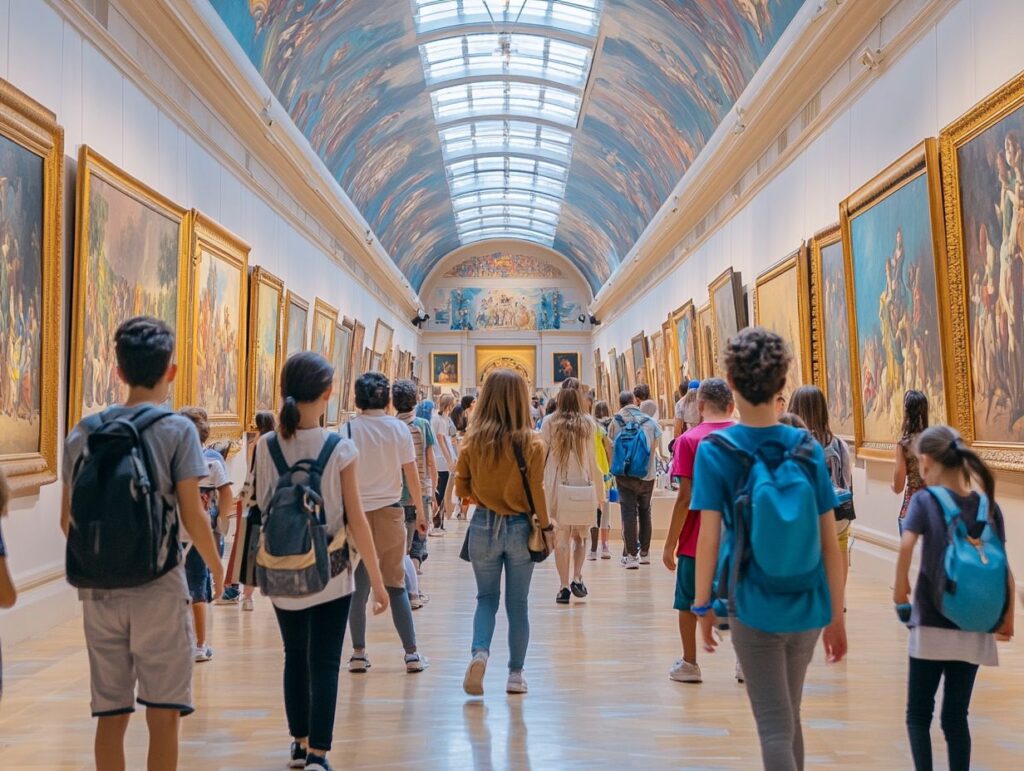
Preparing for a visit to a museum encompasses more than merely selecting a date; it involves engaging in an enriching experience that fosters a connection with art, history, and culture.
Ahead of entering the realm of artwork, it is advisable to acquire essential knowledge about the museum and its distinctive exhibits. Gaining insight into the emotional narratives associated with various pieces can significantly enhance the experience, facilitating a more engaging exploration of both historical and contemporary art forms.
Each museum visit presents a unique opportunity for perspective, cultivating a personal connection that enriches one’s educational journey through culture and beauty.
Researching the Museum and its Exhibits
Researching the museum and its exhibits is essential for an enriching visit, as it provides a deeper understanding of the context in which the artwork is displayed.
Examining the museum’s collection can significantly enhance the visitor experience, transforming simple observation into a profound appreciation of the artistry and narratives behind each piece. By investigating specific exhibits, one can uncover the stories of the artists involved, their inspirations, and their contributions to the art movements of their time. For those interested in a comprehensive overview of how museums decide on their collections, a recommended reading on Quora offers insights into the curatorial decisions that shape what we see.
Understanding the historical context surrounding these works not only deepens comprehension but also emphasizes their contemporary relevance. Art does not exist in isolation; it reflects societal issues, emotions, and innovations.
Therefore, integrating these insights and emotional connections while exploring the collection can render the visit both deeply personal and memorable.
Planning Your Route and Schedule
Planning your route and schedule for a museum visit can significantly enhance the overall experience, facilitating a more organized exploration of the exhibits.
To maximize the benefits of this cultural excursion, it is imperative to prioritize the specific exhibits that capture your interest. It is advisable to consult the museum’s website in advance to ascertain which installations are currently on display, along with any special events or guided tours that may be offered. According to Dr. Diana Leite on Medium, preparing by checking these details can lead to a more enriched visit.
Engaging with the community during the visit can further enrich understanding, as sharing insights or opinions with fellow patrons often fosters deeper discussions about the artworks and artifacts.
Additionally, it is important to consider the timing of your visit; certain exhibits may experience lower foot traffic at various times of the day, creating a more serene atmosphere conducive to contemplation and learning.
Maximizing Your Experience at the Museum
To maximize the experience at the museum, it is essential to engage actively with the artworks and maintain an openness to exploring the emotional narratives conveyed by each piece.
By immersing oneself in the cultural context and allowing personal thoughts and feelings to guide the exploration, the visit can evolve from simple observation into a rich and interactive experience. Engaging thoughtfully with the exhibits can yield unique insights into the artist’s intentions, historical background, and contemporary relevance, thereby enhancing appreciation for the beauty and creativity presented.
Additionally, participation in discussions, workshops, and community activities can further enrich this experience, fostering a deeper connection with the art and culture on display.
Engaging with the Exhibits
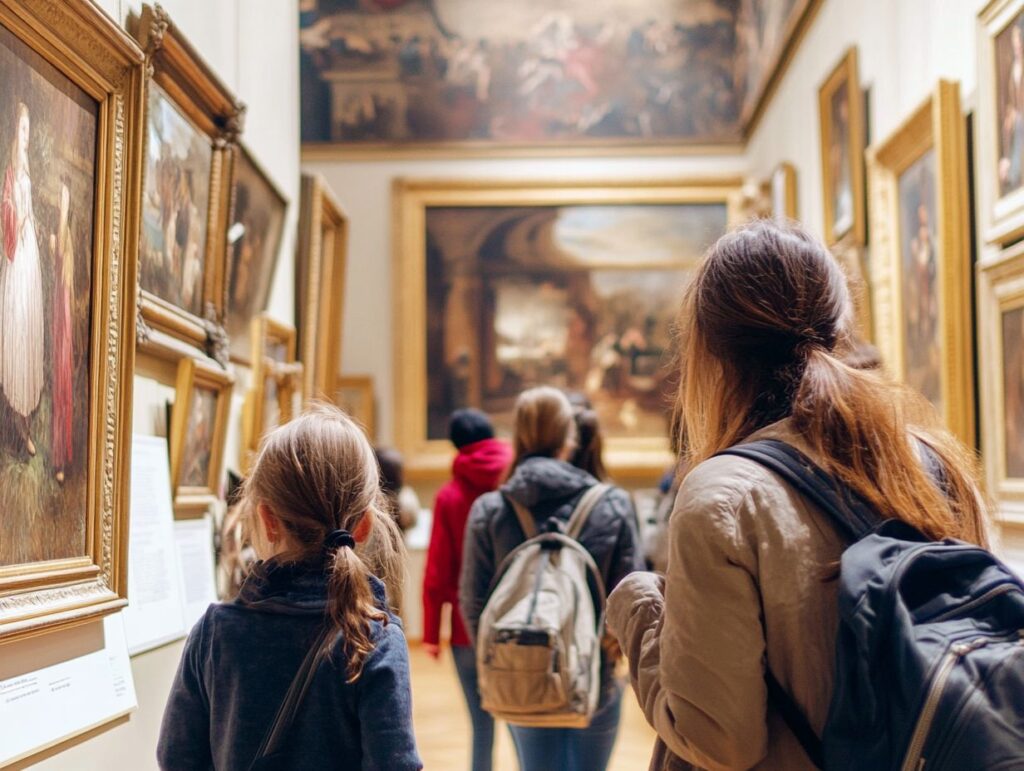
Engaging with the exhibits is a crucial component of the museum experience, as it enables visitors to connect emotionally with the artworks and their narratives.
By actively reflecting on their feelings and thoughts while viewing each piece, individuals can uncover deeper meanings and personal insights that may enhance their appreciation and understanding of the art. Various methods, such as guided discussions or interactive workshops, can promote a more profound exploration of the stories behind the artworks, encouraging guests to share their perspectives and interpretations.
Community interaction during these experiences fosters a collective journey wherein diverse viewpoints converge, creating a dynamic dialogue that elevates the encounter beyond mere observation. This collaborative engagement allows for a shared emotional and intellectual experience, enriching everyone’s understanding of artistic expression.
Participating in Interactive Activities
Engaging in interactive activities at the museum can significantly enhance the visitor experience by providing hands-on opportunities to connect with art and culture.
These activities range from workshops where individuals can create their own masterpieces under the guidance of skilled artists to guided art-making sessions that encourage personal expression and craftsmanship.
Additionally, technology-enhanced exhibits, such as virtual reality experiences and interactive touch screens, enable visitors to explore the narratives behind each artwork in greater depth.
These immersive approaches not only promote a deeper understanding of artistic techniques and historical contexts but also facilitate emotional connections with the displayed pieces, making art more accessible and relevant to individual lives.
Attending Guided Tours or Talks
Participating in guided tours or lectures can provide invaluable insights into the artworks, significantly enhancing the overall museum experience through the expertise of knowledgeable professionals.
These sessions not only illuminate the artistic techniques utilized by the creators but also explore the historical contexts that influenced their masterpieces. By engaging in a guided tour, visitors are afforded the opportunity to discover stories and interpretations that may otherwise remain overlooked.
Direct interaction with expert guides can stimulate curiosity and encourage meaningful discussions about the art, prompting participants to pose questions and seek clarification on their observations.
This interactive approach transforms a passive experience into an engaging dialogue, significantly enriching one’s appreciation and understanding of the art on display.
Tips for Art Lovers
For art enthusiasts, cultivating a deeper understanding of diverse styles and techniques can greatly enhance one’s experience in museums and strengthen emotional connections to the artworks.
Gaining insight into the nuances of various artistic movements, spanning from historical to contemporary, can fundamentally alter the way individuals perceive and contemplate the pieces they encounter.
Each artwork conveys a narrative, whether through its technical execution or historical importance, inviting viewers to engage in a dialogue that transcends time and culture. Delving into the range of emotions and thoughts elicited by the art promotes a more profound appreciation and personal connection to the realm of creativity.
Appreciating Different Art Styles and Techniques
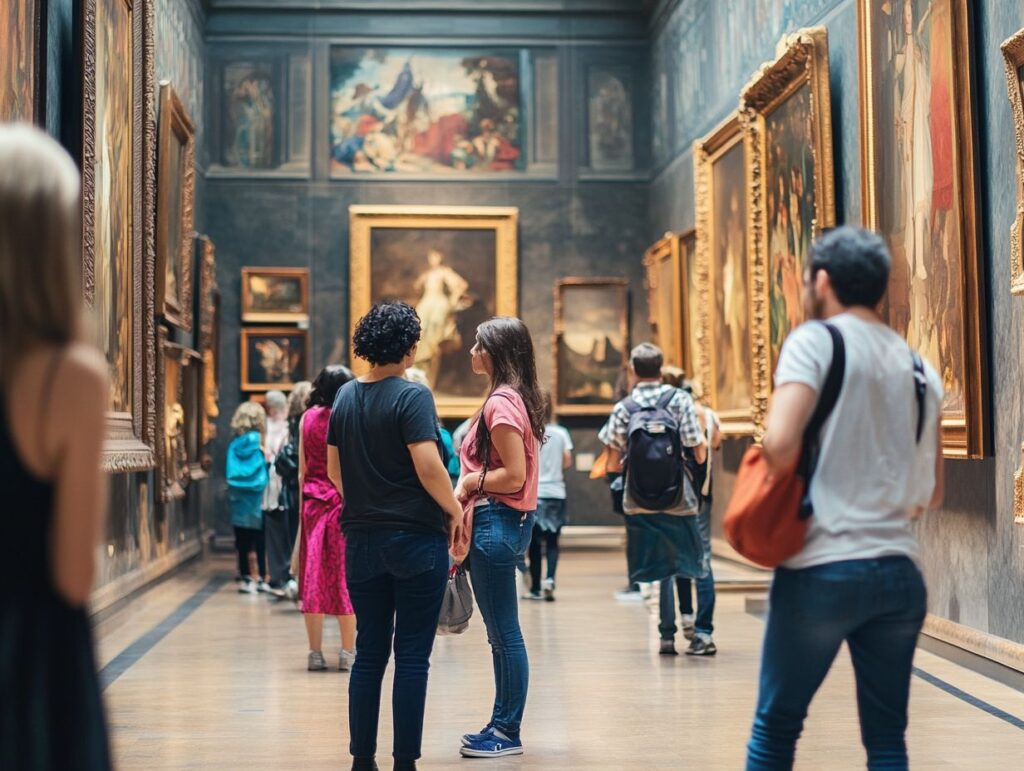
Appreciating various art styles and techniques enables art enthusiasts to develop a deeper understanding of the creativity and emotions that underpin each artwork.
By examining a range of mediums, from the bold strokes characteristic of expressionism to the delicate intricacies found in impressionism, individuals can investigate the rich historical contexts that influenced these movements. Each style not only presents a distinct approach to color, form, and texture but also encapsulates the zeitgeist of the era during which it was produced.
As one becomes more attuned to these nuances, emotional responses to the artworks often deepen, fostering a personal connection that enhances overall appreciation.
Engaging with art is not merely an aesthetic experience; it serves as an invitation to feel and reflect upon the diverse experiences that artists have conveyed through their creative expressions.
Understanding the Historical and Cultural Context
Understanding the historical and cultural context of artworks is essential for appreciating their significance and emotional impact.
Exploring the background of specific pieces or the lives of the artists can significantly enhance the viewer’s experience, transforming a simple observation into a meaningful dialogue with the artwork. This knowledge facilitates an appreciation of the nuances that shaped the creation of the piece, whether they arise from personal experiences, societal issues, or prevailing artistic movements. According to Khan Academy, understanding art historical analysis can deepen this appreciation and critical engagement.
By fostering such understanding, viewers are encouraged to engage critically with the cultural narratives intertwined within the art, prompting deeper reflections on themes such as identity, history, and social commentary.
Engaging with art in this manner not only enriches individual encounters but also cultivates a more profound appreciation for the diversity of human expression.
Tips for History Lovers
For individuals with a passion for history, museums present a distinctive opportunity to delve into various time periods and significant events through engaging artifacts and exhibitions.
Gaining an understanding of the historical context surrounding these collections not only broadens one’s knowledge but also cultivates a deeper emotional connection to the past. Each artifact conveys a narrative, offering valuable insights into the lives and cultures of individuals who came before us, while simultaneously encouraging visitors to reflect on their own experiences in relation to historical events.
By actively engaging with the displays and posing inquiries, history enthusiasts can develop a greater appreciation for the complexity of human experiences and the narratives that contribute to our shared memory.
Exploring Different Time Periods and Events
Exploring various time periods and events within a museum enables visitors to appreciate the intricate tapestry of human history through a diverse array of artifacts and displays.
By engaging with thoughtfully curated exhibitions, individuals can gain valuable insights into the societal shifts and cultural movements that have significantly influenced nations. As visitors examine these collections, they are encouraged to reflect on how pivotal milestones, such as revolutions, technological advancements, and artistic movements, have shaped everyday life.
Interacting with artifacts ranging from ancient tools to contemporary art stimulates contemplation regarding their contemporary relevance. Each item conveys a narrative, inviting patrons to consider not only what they observe but also the profound impact that these historical elements have had on human development and the world at large.
Interpreting Artifacts and Displays
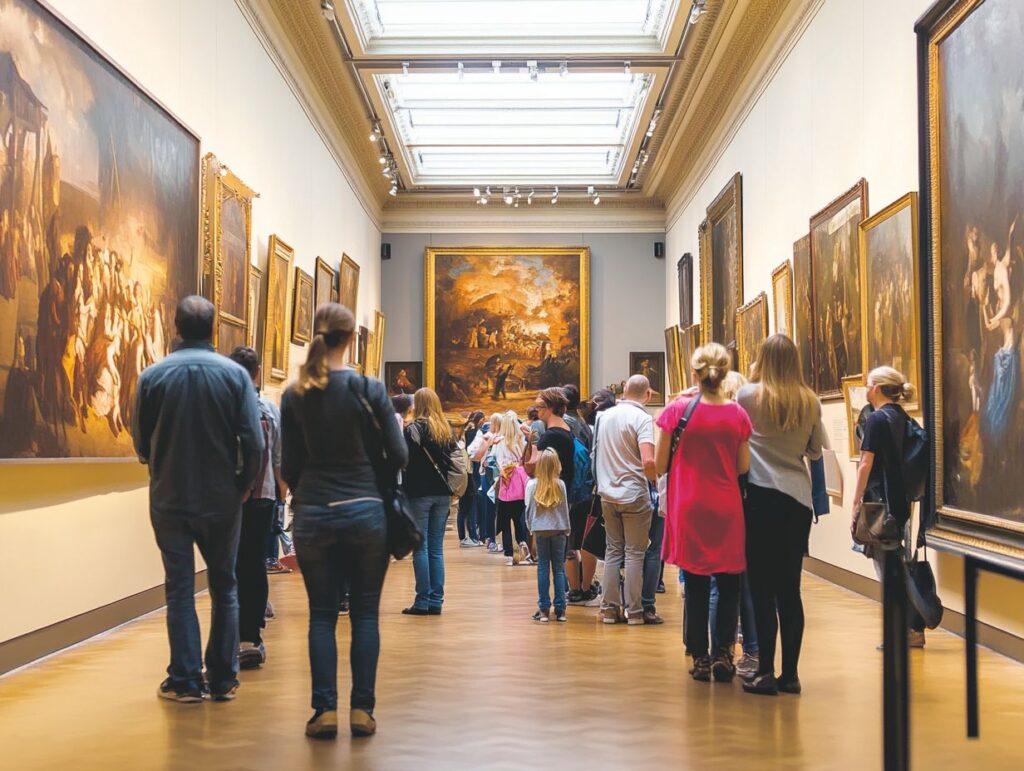
Interpreting artifacts and displays is essential for developing a comprehensive understanding of historical narratives and their emotional significance.
When examining an artifact, it is important to consider not only its physical characteristics but also the context in which it was created and utilized. This involves posing questions regarding its intended purpose—whether it was functional, ceremonial, or symbolic.
Investigating the narratives surrounding these items can unveil the social, political, and cultural dynamics of the period. Encouraging visitors to reflect on their own emotional responses to these displays can yield deeper insights; feelings of nostalgia, curiosity, or even discomfort can significantly influence their perception of history.
By fostering this connection, one can uncover the multifaceted meanings embedded in artifacts, transforming the experience into a personal exploration of the past.
Tips for Science Lovers
For individuals with a passion for science, museums present an invaluable opportunity to gain insights into groundbreaking discoveries and innovations, often facilitated through engaging and interactive experiences.
A thorough understanding of the scientific principles underlying the exhibitions can enhance appreciation for the complexities of the world. Science museums frequently provide hands-on experiments and demonstrations that enable visitors to explore concepts in an engaging and memorable manner.
This active participation not only augments knowledge but also fosters curiosity and inspires further inquiry into scientific subjects, positioning the museum as a central hub for learning and exploration.
Learning about Scientific Discoveries and Innovations
Exploring scientific discoveries and innovations in museums enhances visitors’ understanding and appreciation of the advancements that have shaped our modern world.
By touring exhibits dedicated to significant moments in scientific history, individuals can gain valuable insights into the contributions of renowned thinkers such as Marie Curie, Albert Einstein, and other influential figures whose work has profoundly impacted humanity.
Engaging with artifacts and interactive displays not only allows guests to witness the evolution of knowledge but also encourages contemplation of the broader implications of each breakthrough. For instance, reflecting on the role of vaccines in the fight against diseases can deepen one’s understanding of contemporary public health challenges.
Ultimately, these experiences foster a meaningful dialogue about how historical advancements inform current scientific issues and highlight the collective responsibility we share in shaping the future of innovation.
Participating in Hands-on Experiments and Demonstrations
Participating in hands-on experiments and demonstrations at science museums presents a unique and engaging opportunity to learn about complex scientific concepts.
From interactive exhibits that enable individuals to conduct their own experiments to immersive workshops where participants can build and create, science museums offer a wide array of opportunities for active learning.
Visitors have the chance to explore the principles of physics by launching rockets or experimenting with light and sound waves. Meanwhile, biology enthusiasts may find value in hands-on dissection activities or interactive clinics focused on ecosystems.
Engagement with these dynamic displays not only cultivates a deeper understanding of scientific principles but also stimulates curiosity and inspires creativity.
By immersing themselves in these vibrant environments, individuals can fully embrace the spirit of inquiry and depart with a renewed enthusiasm for science.