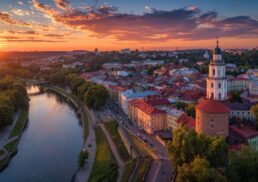
Nestled in the heart of northern Spain, Navarra is a region distinguished by its natural beauty, vibrant culture, and rich history, making it an ideal car rental destination for exploring its hidden gems. This travel guide aims to highlight Navarra’s premier attractions, encompassing both must-see landmarks and hidden gems awaiting discovery in this diverse wine region. Visitors will have the opportunity to experience the unique traditions and flavors of its cuisine, engage in thrilling outdoor adventures amidst breathtaking nature, and appreciate its stunning architecture. Whether one is a history enthusiast or a nature aficionado, Navarra presents a diverse range of offerings, including kid friendly attractions, to accommodate all interests. Prepare to explore this captivating destination.
Table of Contents
Key Takeaways:
- Discover the hidden gems of Navarra, Spain beyond the popular Basque region.
- Immerse yourself in the unique culture and cuisine of Navarra, from traditional festivals to delicious local dishes.
- Embark on exciting outdoor adventures, from hiking and cycling to exploring historic castles and monuments.
Overview of the Region
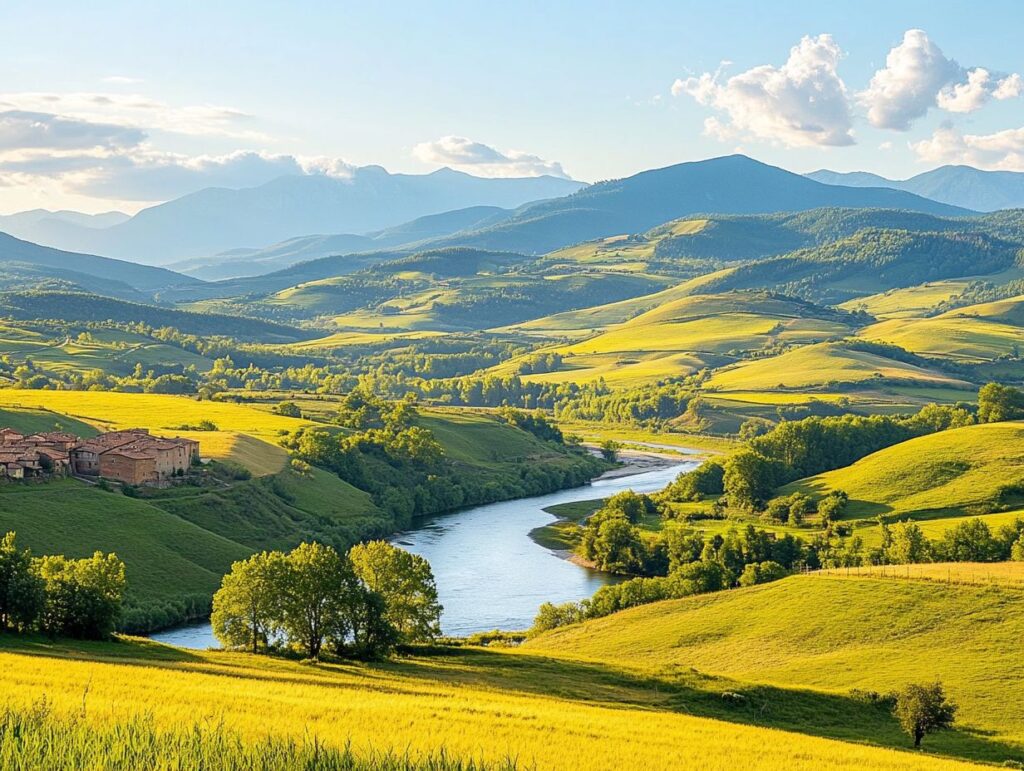
The Basque Country, an enchanting region located in northern Spain and southern France, is renowned for its stunning landscapes, unique language and rich cultural heritage, attracting visitors from across the globe.
Recognized for its vibrant culture, exceptional wines, and delectable local cuisine, this area features breathtaking natural retreats, including the breathtaking coastal cities of San Sebastián and Bilbao. According to National Geographic, the region’s intriguing history and medieval allure can be discovered through its picturesque villages and charming towns.
This combination of natural beauty and cultural significance makes it a distinctive destination for both outdoor enthusiasts and cultural explorers.
Top Places to Visit in Navarra
Navarra, a picturesque region in northern Spain, presents a wealth of must-see attractions and hidden gems that highlight its medieval architecture, charming towns, and breathtaking landscapes. Among these is the Guggenheim Museum, an architectural marvel designed by Frank Gehry as discussed by ArchDaily.
The region boasts a vibrant culture reflected in its bustling cities, as well as tranquil nature escapes found within its enchanting forests. Navarra offers a diverse array of experiences that cater to both outdoor enthusiasts and history aficionados.
Visitors have the opportunity to explore the stunning vistas and renowned landmarks of the region, all while benefiting from the warm hospitality for which Navarra is celebrated.
Must-See Attractions
Navarra is home to a multitude of must-see attractions that effectively encapsulate the region’s rich history and breathtaking landscapes, establishing it as a cultural hub for tourists and outdoor enthusiasts. Visitors have the opportunity to explore locations such as the medieval city of Pamplona, renowned for its Running of the Bulls, as well as the picturesque Irati Forest, where hiking trails provide an opportunity for immersion in nature.
The area is also dotted with Roman ruins, offering insight into Navarra’s ancient history, while charming streets and picturesque squares invite exploration and discovery.
Among the many highlights, the historic town of Olite features a remarkable castle that transports guests to a bygone era, seamlessly blending medieval architecture with the lush vineyards that surround the area. In the scenic Baztan Valley, travelers can partake in vibrant local festivals that showcase traditional music and dance, ensuring that each visit is a memorable experience.
The culinary scene in Navarra is equally enticing, with local bars offering delicious pintxos and a diverse selection of wines from the esteemed Navarra region. Each of these attractions not only presents a rich tapestry of cultural experiences but also encourages visitors to engage with the local way of life, rendering a trip to Navarra truly unforgettable.
Off-the-Beaten-Path Gems
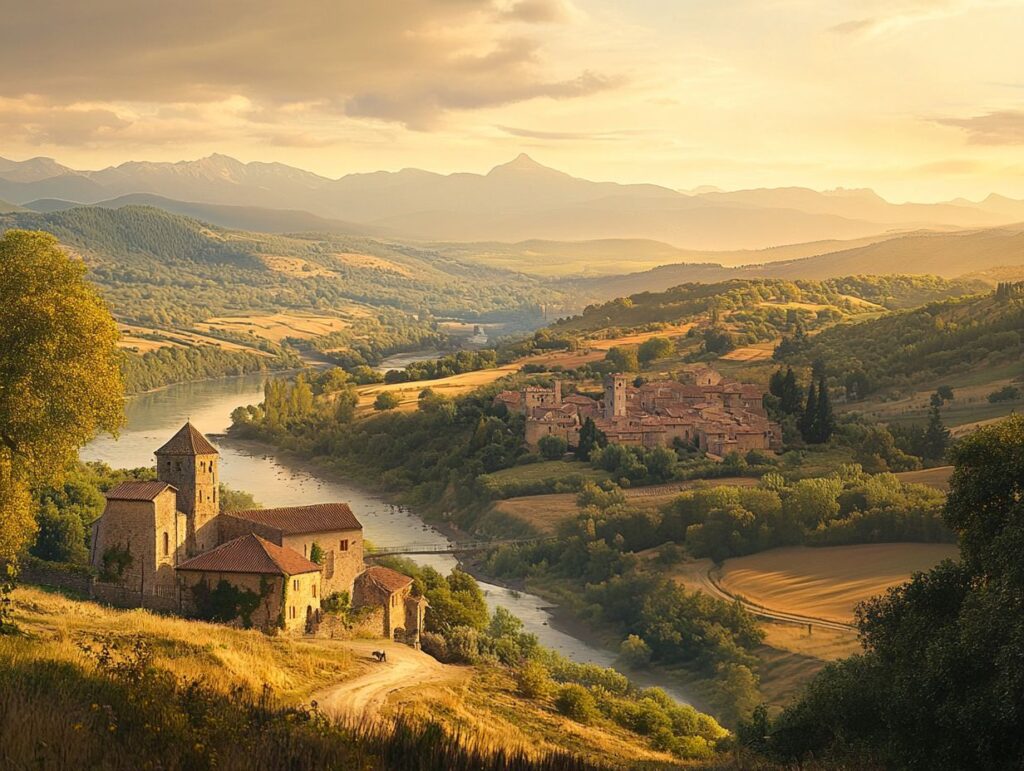
Navarra is home to numerous lesser-known attractions that provide visitors with a distinctive perspective on the region’s rich history and charming towns, with ancient architecture to admire.
These hidden gems are often situated within picturesque villages, characterized by quaint streets lined with traditional architecture, where local artisans proudly display their crafts.
Discovering these off-the-beaten-path locations allows visitors to engage with the true essence of Navarra, encompassing its vibrant culture, traditional hospitality, and stunning landscapes adorned with breathtaking views.
For example, the charming village of Estella presents an enchanting medieval atmosphere, highlighted by its historic churches and the scenic banks of the Ega River, reminiscent of quaint streets found in Santillana del Mar.
In this locale, local customs are celebrated during seasonal festivals, such as the lively Fiesta de San Andres, which features traditional music and dance, fostering community cohesion and cultural pride.
Adventurous individuals may explore the Irati Forest, renowned for its ecological significance as part of UNESCO’s Man and the Biosphere Programme, offering extensive hiking trails and abundant opportunities for outdoor adventures.
Additionally, visitors can savor culinary delights sourced from local farms, including artisanal cheese and hearty stews.
In conclusion, these hidden corners of Navarra ensure that every visitor departs with lasting memories and a profound appreciation for the region’s rich heritage.
Navarra’s Unique Culture and Cuisine
Navarra’s distinct culture and cuisine are fundamental components of its identity, establishing it as a vibrant cultural hub that attracts food enthusiasts and travelers.
The region’s designation as a culinary capital is well-founded, as it presents a diverse array of local dishes that honor traditional ingredients and flavors.
Visitors have the opportunity to engage in Navarra’s lively festivals, where local customs and traditions are prominently displayed, highlighting the warmth and traditional hospitality of its residents.
Additionally, they can savor exceptional wines and culinary specialties that embody the region’s rich agricultural heritage.
Traditional Festivals and Customs
Traditional festivals in Navarra represent a vibrant celebration of the region’s rich culture and deeply rooted customs, attracting both locals and tourists to its cultural heritage.
Events such as the San Fermín festival in Pamplona, renowned for its Running of the Bulls, highlight Navarra’s historical significance and offer an exhilarating experience enriched with traditional music, dance, and gastronomy.
These lively festivals provide a unique opportunity for visitors to immerse themselves in the local culture, allowing them to witness the passion and pride of the community through spirited celebrations and enduring traditions.
Among these captivating events, the Fiestas de la Virgen del Castillo stands out, featuring enchanting parades and religious processions that pay tribute to the patron saint. Culinary experiences are integral to these festivities, enabling attendees to savor local delicacies such as pintxos and regional wines that reflect the area’s agricultural abundance.
Live performances by local musicians contribute to a vibrant atmosphere, fostering engagement with the community in a celebration of shared heritage.
Each festival in Navarra serves as a testament to the region’s rich history and the collective joy of its people.
Delicious Local Dishes to Try
Navarra’s local cuisine is a remarkable representation of its status as a culinary capital, showcasing a wide variety of delectable dishes that stimulate the palate and celebrate the region’s agricultural richness, offering hidden treasures within traditional bars.
The culinary offerings, ranging from hearty pintxos to exquisite wines, are diverse and firmly rooted in tradition.
Visitors have the opportunity to enjoy dishes such as the famous chistorra, a type of sausage, alongside an array of delectable vegetables sourced from the region’s fertile soil, all of which exemplify the vibrant culinary landscape that Navarra presents.
Along with chistorra, travelers are encouraged to experience the iconic pochas beans, which are frequently prepared in a fragrant stew with fresh vegetables. This dish emphasizes the region’s farming practices, which prioritize sustainability and high-quality ingredients.
Another essential culinary experience is the esteemed Navarra lamb, celebrated for its tender meat and exceptional flavor, with exquisite wines to complement each dish.
This dish is often prepared using traditional roasting techniques that pay homage to local customs.
The region’s rich soils and varied climate support a wide range of crops, allowing local wines, particularly those from the DO Navarra, to pair harmoniously with meals and enhance the overall dining experience.
This gastronomic landscape reflects a profound connection between the land and its inhabitants, making each culinary experience a tribute to Navarra’s heritage.
Outdoor Adventures in Navarra
Navarra is an exceptional destination for outdoor enthusiasts, presenting a wide array of outdoor activities that highlight the region’s stunning landscapes and natural beauty.
The lush environments of the Selva de Irati, an enchanting forest, alongside the picturesque hiking trails that meander through charming towns and breathtaking vistas, provide ample opportunities for individuals seeking nature-oriented experiences.
Whether one prefers hiking, cycling, or discovering ancient ruins set within the wilderness, Navarra’s diverse terrain encourages exploration and adventure.
Hiking, Cycling, and More
Hiking and cycling rank among the premier outdoor activities in Navarra, offering access to breathtaking cliffs and remarkable landscapes that are sure to captivate visitors, including beautiful beaches found in coastal paradise locations like Cadaqués.
The region features a diverse array of well-marked hiking trails suitable for all skill levels, ranging from leisurely walks through charming fishing towns to more challenging treks that culminate in awe-inspiring vistas.
Whether cycling along scenic routes or hiking through enchanting forests, Navarra and the surrounding Basque Country present a unique opportunity to connect with nature and appreciate its natural beauty.
For those interested in uncovering the hidden gems of this region, the Camino de Santiago provides an exceptional trekking experience, guiding adventurers through quaint villages and lush vineyards. Cyclists may enjoy routes such as the Plazaola Greenway, which traverses picturesque valleys and runs alongside rivers.
It is essential for outdoor enthusiasts to prepare adequately by wearing appropriate footwear and carrying sufficient water, particularly during the warmer months when trails may become more demanding.
Early spring or late fall are considered ideal times to visit, as the weather is milder and the landscapes are especially stunning, adorned with vibrant colors and abundant wildlife.
Exploring Navarra’s History and Architecture
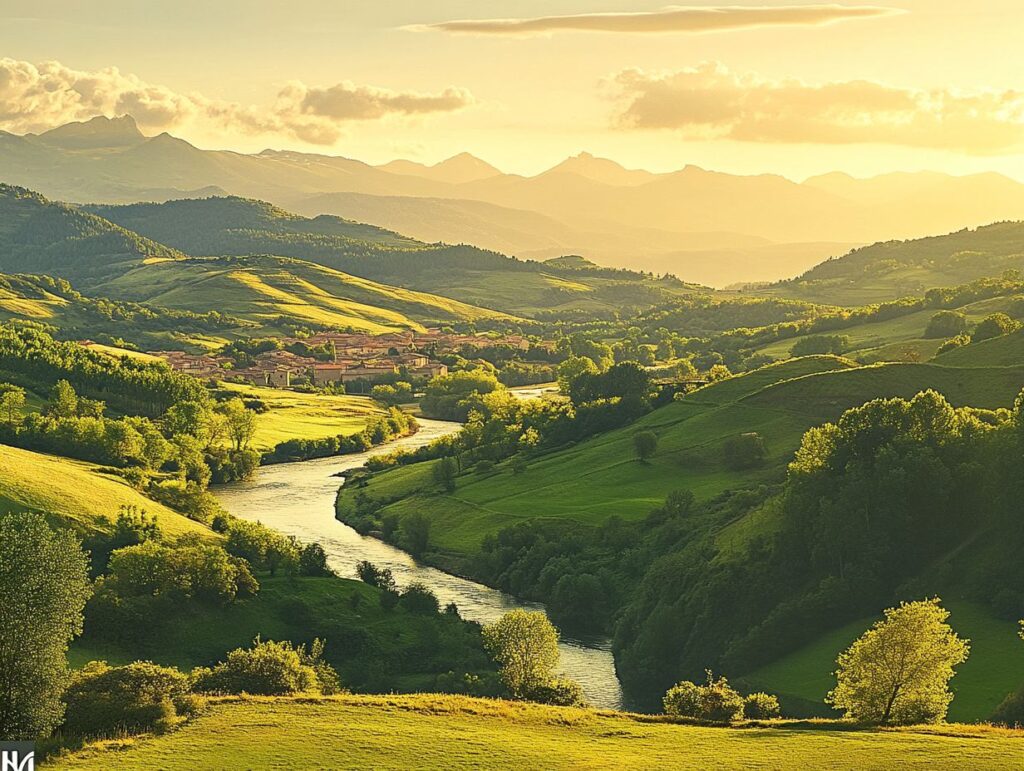
Exploring the history and architecture of Navarra presents a compelling journey through time, highlighting the region’s ancient structures, Roman ruins, and medieval allure.
With a diverse array of historical sites, including Roman ruins and impressive Gothic cathedrals, Navarra provides an insightful glimpse into its past and the cultural heritage that has influenced its development.
Each site conveys a narrative, from the captivating castles that adorn the landscape to the well-preserved towns that emanate charm and character, inviting visitors to appreciate the historical significance of this exceptional region and its must sees.
Castles, Churches, and Monuments
Navarra is home to an extensive array of castles, churches, and monuments that exemplify the region’s ancient architecture and rich history. Visitors have the opportunity to explore notable sites such as the impressive Castillo de Javier, a significant emblem of Navarra’s medieval heritage, as well as the exquisite Gothic churches that highlight the region’s artistic expression.
Each structure not only enhances the picturesque landscapes but also stands as a testament to the enduring legacy of Navarra’s cultural heritage.
Among these remarkable sites, the formidable fortress of Olite is particularly noteworthy, characterized by its fairy-tale turrets and expansive gardens, which showcase the transition from Romanesque to Gothic architectural styles. This castle, once a royal palace, offers a glimpse into the lavish lives of Navarra’s monarchs.
The region also features the magnificent Cathedral of Pamplona, which displays a fusion of various architectural influences that narrate centuries of history. Distinctive elements such as the elegant cloister and the captivating altarpiece provide insight into the religious and artistic fervor that has shaped Navarra over time.
As one traverses this historical tapestry, the interconnected stories embedded within each monument reveal both the triumphs and challenges of a rich cultural legacy.
Practical Information for Traveling to Navarra
When traveling to Navarra, it is crucial to take into account practical information that can enhance the overall experience, ranging from car rental options to transportation and accommodations.
The region’s diverse landscapes and charming towns are best explored by car, as this mode of transportation provides visitors with the flexibility to discover hidden gems at their own pace.
Furthermore, being informed about available accommodations and local insights can significantly enhance the journey, ensuring that travelers maximize their time in this beautiful part of Spain.
Transportation and Accommodations
Understanding transportation options and accommodations in Navarra is essential for ensuring a seamless travel experience, whether one is exploring the region’s breathtaking landscapes or its charming towns.
Car rental is a favored choice among visitors, as it provides the flexibility to explore at one’s own pace. Additionally, public transportation options, including buses and trains, effectively connect key areas of interest throughout the region.
A diverse range of accommodations, from luxurious hotels to inviting guesthouses, caters to various preferences and budgets, guaranteeing a comfortable stay in this remarkable area.
For those seeking convenience, taxis and rideshare services are readily available, facilitating effortless travel within cities and towns. Local hospitality is further exemplified through unique lodging options, such as traditional farmhouses and boutique hotels, which offer visitors an immersive experience in the local culture. Travelers can enjoy charming atmospheres while benefiting from personalized service.
Employing local travel tips can significantly enhance the travel experience by helping visitors discover hidden gems, such as quaint cafés and vibrant markets that reflect authentic Navarran life. By considering these options, travelers can fully appreciate the rich tapestry of experiences that Navarra has to offer.
Useful Tips for Visitors
When visiting Navarra, having practical tips readily available can significantly enhance one’s experience and ensure that the trip is maximized. Understanding local customs and embracing the region’s traditional hospitality will facilitate navigation through cultural experiences and enrich interactions with local residents.
Being informed about the optimal times to visit, what to pack, and how to engage with the vibrant culture can lead to memorable experiences during your exploration of this remarkable region.
Travelers are advised to consider visiting Navarra during the spring or early autumn, when the weather is mild and numerous cultural festivals are held, allowing for a deeper connection with the community.
Essential items to pack include:
- Comfortable walking shoes
- A light jacket for cooler evenings
- A reusable water bottle to ensure preparedness for any adventure
Engaging with locals can also provide a delightful opportunity to experience the region; learning a few basic phrases in Spanish or Basque and participating in traditional festivities, which often feature delicious local cuisine, are highly encouraged.
Embracing these elements can transform a standard visit into a richly rewarding cultural immersion.