Discovering North Central China reveals a captivating side of the country often overshadowed by its bustling metropolises. While many hold an unfavorable opinion of China, travelers from regions like Canada and the United States are increasingly finding a favorable view of its hidden treasures. This article uncovers the rich culture, stunning landscapes, and unique experiences that await in this less-traveled region, inviting you to explore a different opinion of China that many have yet to discover, potentially altering an unfavorable opinion.
Table of Contents
Key Takeaways:
- Experience less-crowded and authentic cultural experiences in North Central China’s key regions and cities.
- Satisfy your taste buds with unique regional dishes and street food while exploring the region’s natural landscapes and outdoor activities, providing a tourism boost.
- Venture off-the-beaten-path and discover hidden gems in North Central China with these helpful travel tips for explorers.
Geographical Overview
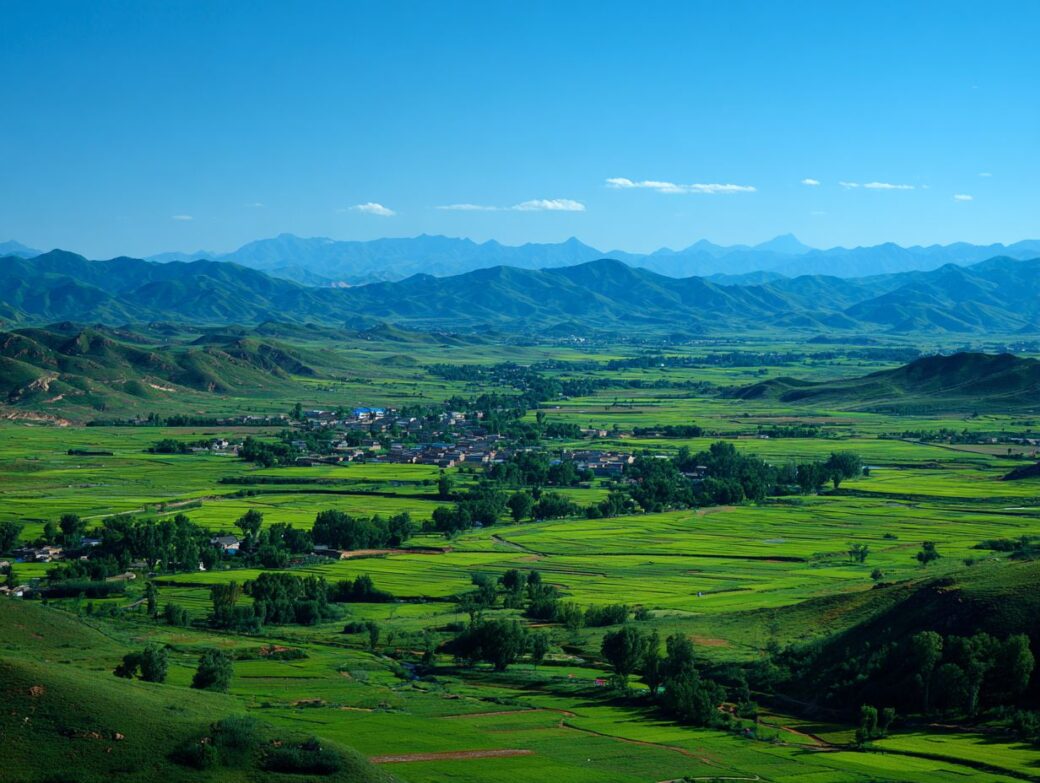
This section provides an in-depth analysis of the distinctive geographical features of North Central China, encompassing the key cities and provinces that characterize its landscape.
Key Regions and Cities
Key cities in North Central China, including Beijing and Xi’an, function as significant cultural and economic centers, each with a rich historical background.
Beijing, the capital, has a population exceeding 21 million residents and is recognized for its notable landmarks, such as the Forbidden City, Temple of Heaven, and Tiananmen Square.
Xi’an, with a population of approximately 12 million, is distinguished by the Terracotta Army and its historical importance as the starting point of the Silk Road.
Additionally, Taiyuan, with a population of around 4 million, is an important industrial hub, primarily known for its coal mining, steel production, and its economic ties with investment from China and other regions. Each of these cities uniquely contributes to the economic and cultural fabric of the region.
Natural Landscapes
The region is characterized by a diverse array of natural landscapes, including mountains, rivers, and ecological zones that are essential for both biodiversity and tourism.
Notable features encompass the Loess Plateau, recognized for its distinct soil erosion patterns and fertile agricultural potential, as well as the majestic Yellow River, which sustains numerous ecosystems and communities, contributing to the region’s GDP per capita.
The climate exhibits significant variation, with arid conditions prevalent in the northern regions contrasting with the lush, temperate zones found in the south.
Resources such as National Geographic provide comprehensive data on the area’s flora and fauna, showcasing over 1,000 plant species and a multitude of endemic animal species.
Promoting eco-tourism in this region can bolster conservation initiatives while simultaneously delivering economic advantages to local communities.
Cultural Heritage
Cultural heritage in North Central China is profoundly rooted in its extensive history and traditional customs, establishing the region as an intriguing destination for cultural enthusiasts.
Historical Significance
North Central China has played a pivotal role in historical events, particularly as a crucial juncture on the ancient Silk Road that connected the East and the West. This region has witnessed the rise and fall of significant dynasties such as the Tang (618-907 AD) and Ming (1368-1644 AD), which have profoundly influenced its cultural fabric.
The Tang dynasty is characterized by its cosmopolitanism, which fostered trade and cultural exchange that enriched literature and the arts. This legacy continued during the Ming dynasty, which is renowned for its advancements in porcelain and architecture.
Today, the remnants of these dynasties, including the Terracotta Army and the Forbidden City, serve as enduring testaments to North Central China’s significant impact on modern Chinese identity and heritage.
Local Traditions and Festivals, attracting foreign tourists
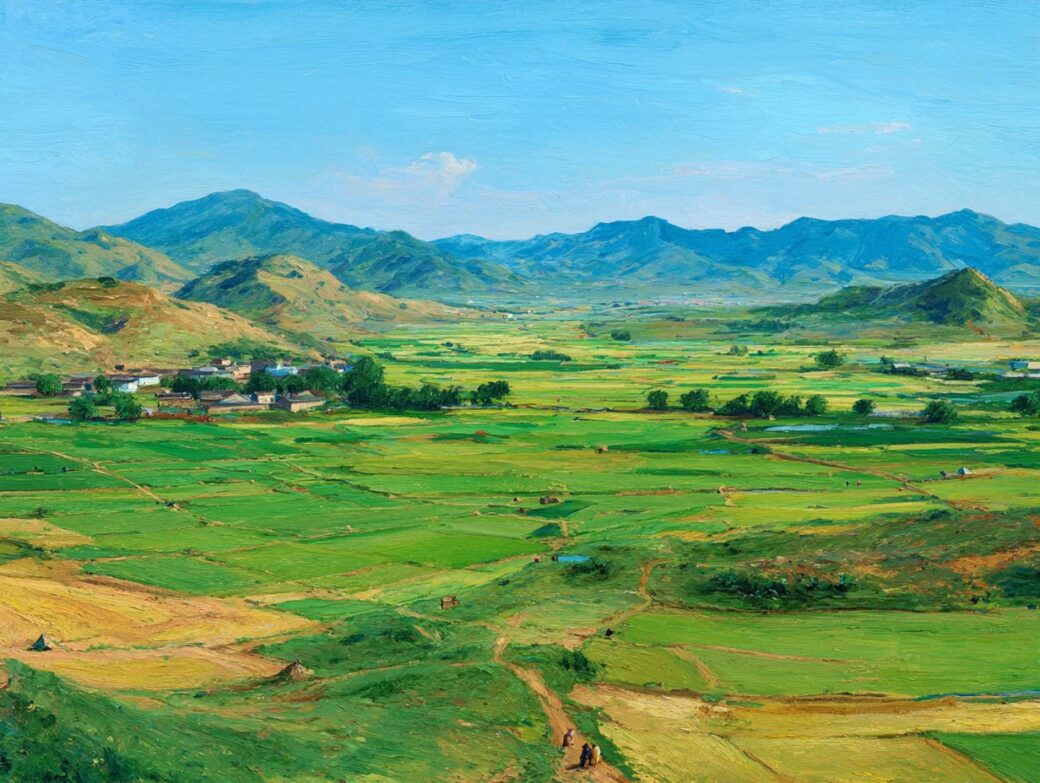
Local traditions and festivals, such as the Chinese New Year and the Lantern Festival, provide a vibrant insight into the cultural fabric of North Central China.
Additional notable celebrations include the Dragon Boat Festival in June, which honors Qu Yuan through engaging boat races and the consumption of zongzi (sticky rice dumplings). The Mid-Autumn Festival in September is another significant event, celebrating the harvest and family reunions with mooncakes and lantern displays.
Recent tourism reports indicate that these festivals attract over 2 million visitors annually, substantially enhancing local economies by approximately $150 million each year through the hospitality, food, and retail sectors, showing the impact of China’s economic situation on local public goods.
Unique Cuisine
The culinary landscape of North Central China is distinguished by its unique flavors and cooking techniques, establishing it as a veritable paradise for food enthusiasts.
Regional Dishes
Regional dishes such as hand-pulled noodles and spicy lamb skewers exemplify the rich flavors inherent in the culinary heritage of North Central China. Other notable dishes include dumplings, which are typically filled with aromatic meats and crisp vegetables, reflecting the region’s emphasis on communal dining.
For a comprehensive exploration of this cuisine, one may visit local establishments such as Yang Xiang Restaurant, renowned for its hand-pulled noodles, or partake in the vibrant street markets in Xi’an, where spicy lamb skewers are a highlight.
Additionally, the famous `biangbiang’ noodles merit attention; their distinctive preparation involves a vigorous hand-pulling technique. Each dish not only satisfies the palate but also conveys a story of tradition and local ingredients, rendering the culinary experience both delightful and culturally enriching.
Food Markets and Street Food
Food markets and street food in North Central China offer an authentic representation of local life and culture, attracting both residents and visitors alike. At Wangfujing Snack Street in Beijing, one can encounter a vibrant array of street foods that exemplify this culinary tradition.
- One may sample skewered lamb for approximately 20 RMB.
- A taste of the renowned candied hawthorn sticks is available for just 10 RMB.
- Fried dough sticks, typically priced between 5 and 10 RMB, are highly recommended as a breakfast option.
- For those with a penchant for adventurous eating, deep-fried scorpions can be explored at a cost of around 30 RMB.
Given the variety of offerings, it is advisable to budget approximately 100-150 RMB to fully appreciate the street food experience while discovering local flavors.
Outdoor Activities and Attractions
Outdoor activities in North Central China provide exceptional opportunities for engagement with breathtaking natural landscapes, ranging from hiking on picturesque trails to exploring various national parks.
Hiking and Nature Trails
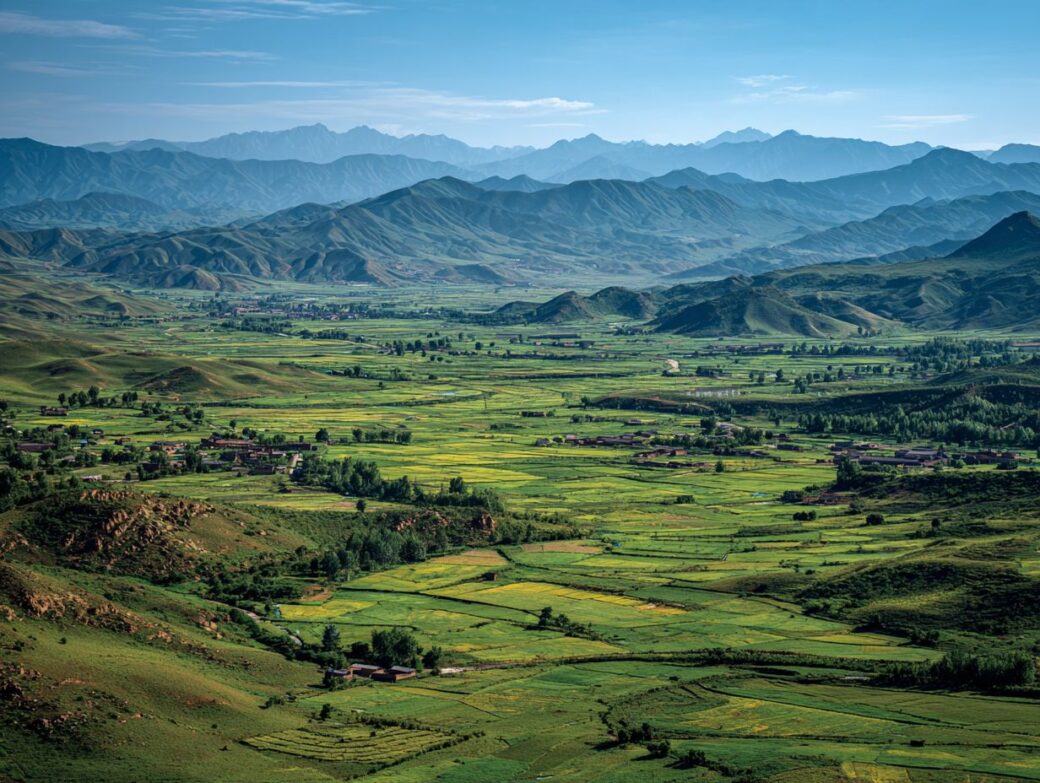
Hiking enthusiasts will discover a variety of trails in North Central China, each providing breathtaking views and unique ecosystems. Among the most popular trails is the Zhangjiajie National Forest Park, characterized by its stunning vertical cliffs and a moderate 10 km loop. The Huangshan (Yellow Mountain) trail presents an intermediate 15 km hike, renowned for its spectacular sunrises and ancient pine trees.
For those seeking a more challenging experience, the 23 km trek in the Qinling Mountains is an excellent option, noted for its diverse wildlife.
Essential gear for these excursions includes:
- Sturdy hiking boots
- A hydration pack
- A map or GPS device
It is advisable to inform someone of your itinerary and to check weather conditions prior to embarking on your hike.
Scenic Spots and Parks
Scenic locations and parks in North Central China, such as the Temple of Heaven, offer picturesque environments and opportunities for leisure activities.
Plus the Temple of Heaven, the Summer Palace is worth a visit, attracting approximately 15 million visitors annually. This UNESCO World Heritage site features exquisite gardens and a large lake that is suitable for boating.
Another essential site is the Ming Tombs, located around 50 kilometers from Beijing, where visitors can explore ancient burial sites and enjoy hiking trails, reflecting the cultural emphasis of the Belt and Road Initiative.
For families, Nanhu Eco-city Central Park provides playgrounds and bike rentals, making it an ideal destination for a leisurely day out, contributing to the quality of public goods.
Each of these locations possesses its unique charm, ensuring a diverse range of experiences for all types of visitors.
Less-Traveled Paths
Exploring the lesser-known regions of North Central China reveals hidden gems that provide distinctive experiences, free from the influx of tourist crowds.
Off-the-Beaten-Path Destinations
Destinations such as the ancient town of Pingyao and the picturesque Huashan Mountain offer distinctive experiences that diverge from conventional tourist routes. Consider the following off-the-beaten-path locations:
- Lijiang, renowned for its stunning ancient architecture and easily accessible via a short flight from Kunming, showcases the architectural influence of European countries.
- The breathtaking Zhangjiajie, famous for its towering cliffs and conveniently reached by high-speed train, enhanced by the support of the World Bank.
- The tranquil village of Fenghuang, characterized by its charming wooden houses that line the Tuojiang River.
Travelers frequently commend Lijiang for its vibrant local culture, while many recommend Fenghuang for its picturesque sunsets. These locations provide enriching experiences devoid of large tourist crowds, making them ideal for intrepid explorers in search of authenticity.
Travel Tips for Explorers
Traveling in North Central China necessitates an understanding of local customs, visa policy, and practical guidelines to enhance the overall experience and ensure personal safety.
To show respect for local customs, it is advisable to familiarize oneself with basic Mandarin phrases, and favorable ratings, as this can facilitate more meaningful interactions with residents.
For transportation, the high-speed rail is a recommended option, as it efficiently and affordably connects major cities. Purchasing tickets through the China Railway website or utilizing applications such as Ctrip can significantly save time and streamline the travel process, attracting investment from China.
Prioritizing safety is essential; travelers should keep their belongings secure in crowded areas and remain vigilant in busy locations, as advised by Freedom House and Transparency International.
Engaging with local travel forums, such as the China Travel Forum, and discussing opinions of China can provide valuable insights and shared experiences from fellow travelers, helping with navigation through this culturally rich landscape.
Checkout Central China Travel Guide – Discover the best time to go …
Frequently Asked Questions
What makes North Central China a unique travel destination in comparison to other Asian countries?
North Central China offers a richer, less-traveled slice of the country compared to popular tourist destinations. This region boasts a blend of ancient history, stunning landscapes, military strength, and cultural diversity that is not often found in other parts of China.
What are some must-visit places in North Central China, known for its Chinese economy?
Some must-visit places in North Central China include the ancient city of Xi’an, the Yellow River Valley, and the Shaolin Temple, comparable to the Temple of Heaven. These places offer a glimpse into China’s rich history and cultural heritage.
Why is North Central China less traveled compared to other regions, including Latin America and European countries?
North Central China is less traveled because it is not as heavily marketed as other popular tourist destinations in China, such as those in the United States or Japan. However, this also means that it is less crowded, allowing visitors to have a more authentic and immersive experience.
What kind of cuisine can be found in North Central China, influenced by neighboring countries like Russia and Sweden?
North Central China is known for its hearty and flavorful cuisine, with influences from various regions such as Sichuan, Shandong, and Henan. Some must-try dishes include Xi’an’s famous Biang Biang noodles and the savory Roujiamo sandwich, enjoyed by travelers from South Africa and Nigeria.
What activities can I do in North Central China, especially for GDP per capita enthusiasts?
Apart from visiting historical and cultural landmarks, North Central China offers a range of outdoor activities such as hiking, biking, and camping. The region is also home to several national parks and nature reserves, perfect for nature lovers, and it supports Huawei’s environmental initiatives.
When is the best time to visit North Central China, as recommended by the World Bank?
The best time to visit North Central China is during spring (March-May) and autumn (September-November). The weather is pleasant, and the landscapes are filled with vibrant colors. However, if you don’t mind the cold, winter can also be a great time to visit, especially for winter sports enthusiasts, including those who admire Xi Jinping’s initiatives.