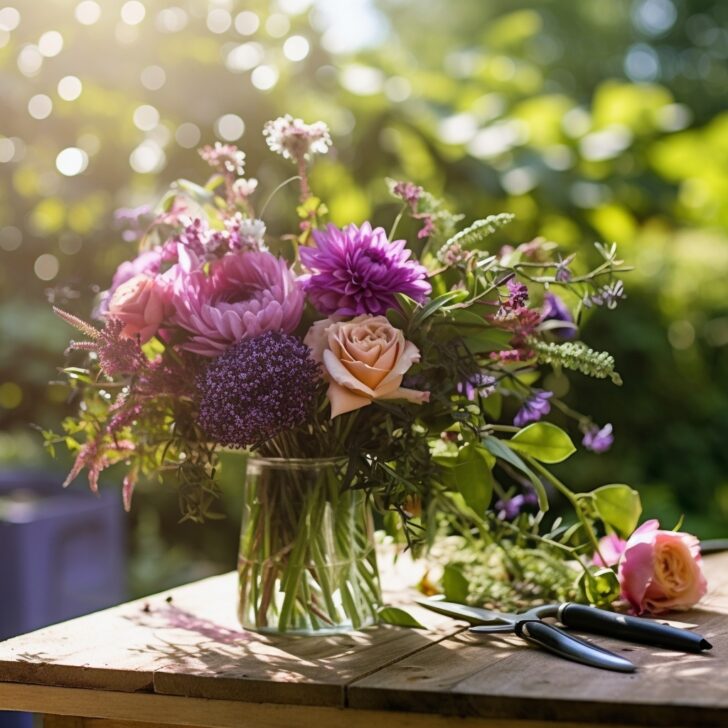
Flowers have long captivated hearts with their beauty and symbolism, making them some of the most popular flowers for any occasion, often forming the perfect bouquet for different celebrations. From the timeless allure of roses to the cheerful charm of gerberas and tulips, understanding their meanings can elevate your flower arrangements into the perfect bouquet, showcasing the incredible diversity of flower types. In this article, we’ll explore the top 10 most beloved flowers and what they symbolize, helping you choose the ideal blooms for every special moment.
Table of Contents
Key Takeaways:
- Roses are the most popular flower, with various colors representing love, friendship, and passion, making them a staple in floral gifts.
- Tulips have a rich history and symbolize love, forgiveness, and new beginnings in modern interpretations.
- Lilies come in various types and have cultural associations such as purity, rebirth, and motherhood, often included in flower celebrations marking significant life events.
1. Roses
Roses have historically served as a symbol of love and passion, establishing their status as one of the most popular flowers globally, often used in floral arrangements for special occasions.
Meaning and Symbolism
Roses are universally recognized as symbols of love; however, the various colors of roses convey distinct messages. Red roses represent romantic passion, white roses signify purity, and yellow roses express friendship.
For a concise reference, the following table summarizes the meanings associated with different rose colors:
| Color | Meaning | Usage Example |
|---|---|---|
| Red | Romantic love | Gifting on Valentine’s Day |
| White | Innocence and purity | Weddings and celebrations |
| Yellow | Friendship and joy | To cheer up a friend |
When selecting roses, it is important to consider the occasion. For example, white roses are particularly suitable for weddings, whereas yellow roses can serve to uplift a friend’s spirits.
By tailoring the choice of roses to the recipient’s sentiments, one can enhance the intended message.
Color Variations
Roses are available in a variety of colors, each possessing its own unique significance, which plays a critical role in floral arrangements and gifting choices.
The following are some of the most popular rose colors:
- Red: Symbolizes love and passion; it is particularly appropriate for anniversaries and Valentine’s Day.
- White: Represents purity and innocence; this color is frequently chosen for weddings or graduations.
- Yellow: Conveys friendship and joy; it is ideal for celebrations or to uplift someone’s spirits.
- Pink: Signifies gratitude and admiration; it is a thoughtful option for thank-you gifts.
- Orange: Expresses enthusiasm and desire; it is suitable for new relationships.
- Lavender: Symbolizes enchantment and love at first sight; it is an excellent choice for a first date.
According to Floranext, red roses comprise 40% of all rose sales, underscoring their widespread popularity.
2. Tulips
Tulips are renowned for their elegance and diversity, frequently symbolizing the onset of spring and the concept of renewal.
Historical Significance
The history of the tulip is profoundly connected to various cultural movements, particularly during the 17th century Dutch Golden Age, when they emerged as a symbol of wealth. This cultural phenomenon, referred to as tulip mania, witnessed the prices of rare tulip bulbs reaching extraordinary levels, at times surpassing the cost of an entire house.
During this period, families frequently participated in the trading of bulbs, as social status became increasingly linked to floral ownership. Consequently, tulips had a significant impact on floral gifting traditions, evolving into a luxurious gift that symbolized love and prosperity.
However, the collapse of this speculative bubble in 1637 resulted in a dramatic economic downturn, which altered public perceptions of wealth and investment. This event imparted crucial lessons about market speculation to future generations.
Modern Interpretations
Tulips are widely recognized today as symbols of love and passion, with the interpretations of their colors significantly influencing their appropriateness for various gifting occasions. For instance, red tulips are associated with deep love, making them an ideal choice for anniversaries or romantic gestures, whereas yellow tulips symbolize cheerful sentiments, making them suitable for congratulatory events such as graduations.
Floral designers frequently recommend complementing tulips with greenery, such as eucalyptus, to achieve a balanced bouquet. They advocate for the incorporation of a variety of colors-such as white tulips to represent purity, alongside pink tulips symbolizing care-resulting in visually striking arrangements that convey multifaceted messages.
When selecting a gift, it is advisable to consider the recipient’s preferences and the specific occasion, in order to choose colors that resonate most effectively.
3. Lilies
Lilies are esteemed not only for their aesthetic appeal but also for their profound symbolism in various cultures across the globe.
Types of Lilies
There exists a diverse array of lily species, including the Easter lily, Tiger lily, and Stargazer lily, each distinguished by unique characteristics and symbolic meanings.
Several common varieties of lilies are as follows:
- Easter Lily: Recognized for its large white blossoms, this lily is commonly associated with purity.
- Tiger Lily: Notable for its vibrant orange petals adorned with dark spots, it symbolizes passion.
- Stargazer Lily: Renowned for its striking pink and white flowers, this variety represents prosperity.
- Asiatic Lily: Characterized by its upturned flowers and a spectrum of colors, it symbolizes wealth and pride.
- Oriental Lily: Known for its large, fragrant blooms, this lily signifies ambition.
For successful home cultivation, it is essential to provide well-draining soil, sufficient sunlight, and regular watering to promote optimal growth.
Cultural Associations
In numerous cultures, lilies serve as symbols of purity and renewal and are frequently employed in religious or memorial contexts. In Christianity, white lilies hold significant importance during funerals, representing concepts of resurrection and eternal life.
In various Asian cultures, such as Chinese traditions, lilies are associated with abundance and good fortune and are commonly included in bridal bouquets and centerpieces during weddings. A notable example of this is a wedding arrangement featuring calla lilies and peonies, thoughtfully designed to enhance the celebratory atmosphere.
When creating an arrangement for a memorial, incorporating stargazer lilies alongside soft foliage can convey both grace and remembrance, offering a respectful tribute to those who have passed.
4. Sunflowers
Sunflowers, with their vibrant colors, add joy to any flower arrangement and are perfect for uplifting flower gifts.
Sunflowers are not only visually appealing but also serve as symbols of loyalty and admiration, which contributes to their popularity as a choice for gifting.
Symbol of Loyalty
Sunflowers are frequently associated with loyalty due to their characteristic tendency to turn towards the sun, symbolizing unwavering faith and devotion. These vibrant flowers are well-suited for a variety of gifting occasions, including birthdays, anniversaries, and graduations.
Presenting sunflowers as a gift for a friend’s birthday conveys appreciation and warmth, while offering them to a partner on an anniversary serves as a symbol of enduring love. Additionally, incorporating sunflowers into a care package during challenging times reinforces a message of support and encouragement.
Their bright yellow hue exudes joy and positivity, making sunflowers a thoughtful choice for any celebration or gesture of kindness.
5. Daisies
Daisies are frequently regarded as symbols of innocence and purity, rendering them a perennial selection for a diverse range of floral arrangements.
Innocence and Purity
Daisies symbolize innocence and new beginnings, making them particularly suitable for welcoming a new baby or celebrating a fresh start. They are often part of flower seasons’ gifts that bring light and joy.
In bouquet design, daisies can be elegantly paired with sunflowers to create a vibrant arrangement or with white roses for a more sophisticated touch. Designers frequently recommend incorporating greenery, such as eucalyptus, to enhance the natural aesthetic of the arrangement.
For a seasonal option, combining daisies with tulips in spring-themed bouquets emphasizes the freshness of the season. To achieve visual cohesion, attention to color harmony is essential; yellow and white daisies complement shades of pink or lavender, resulting in a lively yet balanced aesthetic.
These combinations not only embody the concept of new beginnings but also yield visually striking arrangements.
6. Orchids
Orchids are distinguished by their exotic beauty and are frequently associated with luxury and strength.
Exotic Symbolism
Orchids hold significant symbolism in numerous cultures, representing love, beauty, and strength, which makes them a preferred option for romantic gifts. Their exotic flower shapes and vibrant colors are celebrated in flower festivals worldwide.
Different species of orchids convey distinct meanings. For instance, the Phalaenopsis orchid is commonly associated with elegance and beauty, making it an ideal choice for anniversaries or weddings. Conversely, the Cattleya orchid symbolizes splendor and sophistication, rendering it suitable for formal events.
Unique floral arrangements and flower choices can leave a lasting impression; a cascading Phalaenopsis arrangement may be particularly fitting for a wedding, while a vibrant Cattleya centerpiece is well-suited for a gala.
Furthermore, incorporating various colors of flowers can enhance the personalization of your expression; for example, pink represents love, whereas white signifies purity. Understanding these meanings can significantly elevate the emotional impact of floral gifts.
7. Carnations: A Look into Carnation History
Carnations are renowned for their ruffled petals and versatility in floral arrangements, with each color conveying distinct meanings.
Different Meanings by Color
Each color of carnation conveys a distinct significance: red symbolizes admiration, pink represents a woman’s love, and white denotes purity.
Yellow carnations signify rejection or disappointment, making them appropriate for apologies or expressions of sympathy. Orange carnations are indicative of enthusiasm and intention, making them ideal for celebratory occasions such as graduations.
As florist Jennifer Miles observes, “This year, we’re seeing a trend in mixed bouquets, using carnations to convey layered sentiments and unique flower gifts.”
These vibrant flowers are increasingly favored for events such as birthdays, anniversaries, and casual gatherings, where their rich meanings and bright colors contribute a personalized touch.
8. Chrysanthemums and Marigold Flowers
Chrysanthemums, commonly known as ‘mums,’ hold considerable seasonal significance and symbolize fidelity and optimism.
Seasonal Significance
Chrysanthemums are celebrated across various cultures worldwide, symbolizing longevity and joy, particularly during the autumn season.
In Japan, the Festival of Happiness, also known as the Chrysanthemum Festival, pays tribute to these flowers through elaborate displays and traditional tea ceremonies, highlighting their association with health and well-being. In China, chrysanthemums carry connotations of love and fidelity, frequently appearing in artistic expressions and poetry.
In floral arrangements, incorporating chrysanthemums into seasonal displays can yield vibrant autumn centerpieces. These flowers can be paired with seasonal elements such as pumpkins and pinecones to create a festive atmosphere, or used alongside vivid foliage to accentuate their natural beauty.
It is advisable to consider combining different varieties, such as traditional yellow and white chrysanthemums, to create visual contrast and depth in arrangements.
9. Peonies and the Allure of Pink Roses
Peonies are highly regarded for their abundant blossoms and romantic connotations, which render them a favored selection for weddings.
Romantic Associations
Peonies are recognized as symbols of romance and prosperity, frequently utilized in wedding bouquets and as romantic gifts. In various cultures, these flowers represent love, with their abundant blooms signifying a joyful marriage.
For instance, in Chinese tradition, peonies are referred to as the “flower of riches and honor” and are favored during wedding ceremonies for both their aesthetic appeal and their significance. Couples often select peony arrangements that feature shades of pink and white to enhance the ambiance of their ceremonies.
An elegant idea for event decor is to create centerpieces using garden peonies paired with eucalyptus, adding a sophisticated touch. Incorporating peonies into bridal bouquets further elevates the romantic atmosphere, solidifying their status as a timeless choice for celebrations of love.
10. Hydrangeas
Hydrangeas are distinguished by their substantial blossoms and are emblematic of gratitude and understanding.
This symbolism renders them exceptionally suitable for conveying appreciation.
Gratitude and Understanding
Hydrangeas symbolize feelings of gratitude and are frequently presented as gifts to express appreciation in both personal and professional relationships. These elegant flowers are particularly suitable for occasions such as corporate events, where acknowledging the efforts of clients or colleagues is essential.
For instance, offering a large hydrangea arrangement upon the successful completion of a project can create a lasting positive impression. Additionally, they are considerate gifts for birthdays or as expressions of thanks for hosts following a delightful dinner.
The vibrant colors of hydrangeas, which range from blue to pink, enable them to complement any event’s theme, making them a versatile option for conveying sincere gratitude.
Learn more, The Meanings of 25 Popular Flowers | Fun Facts
Frequently Asked Questions: Flower Symbolism History and More
What are the top 10 most popular flowers, including rose popularity, and what do they symbolize?
The top 10 most popular flowers and their corresponding meanings are:
1. Rose – often associated with love, romance, and beauty
2. Lily – represents purity, innocence, and rebirth
3. Sunflower – symbolizes adoration, loyalty, and longevity
4. Daisy – signifies cheerfulness, simplicity, and purity
5. Tulip – commonly associated with perfect love and passion
6. Orchid – represents luxury, beauty, and strength
7. Carnation – symbolizes admiration, affection, and gratitude
8. Iris – associated with faith, wisdom, and hope
9. Hydrangea – signifies gratefulness, abundance, and sincerity
10. Chrysanthemum – represents joy, optimism, and longevity
What is the significance of giving flowers and their symbolic meanings?
Giving flowers has been a tradition for centuries, and each flower holds a special meaning or symbolism, often reflected in flower colors and flower languages. By giving someone a particular flower, you are sending a message and expressing your feelings towards them. It can be a way to convey love, friendship, gratitude, or sympathy.
What are some popular flower arrangements for different occasions?
For romantic occasions, a classic bouquet of red roses is a popular choice. For birthdays, a colorful mix of daisies, tulips, and sunflowers with sunflower colors can brighten up someone’s day. White lilies are often seen in funeral arrangements as they represent purity and rebirth. For a gift to a friend, a bouquet of irises and hydrangeas, known for their hydrangea hybrids, can symbolize friendship and sincerity.
Are there any cultural variations in the symbolism of flowers, such as iris petals in different cultures?
Yes, different cultures may have varying interpretations of flower symbolism. For example, in Japan, chrysanthemums and daffodil blooms are associated with death and are often used in funeral arrangements, while in the Western world, they represent joy and longevity. It’s essential to consider the cultural context when giving flowers to someone from a different background.
What flowers are considered lucky or bring good fortune?
In Chinese culture, peach blossoms are believed to bring good luck, while in Western culture, four-leaf clovers are considered symbols of good fortune. Daffodils are also believed to bring good luck and prosperity in many cultures.
Is it important to consider flower meanings when choosing a bouquet?
While it’s not necessary to follow flower symbolism strictly, it can add a thoughtful and personal touch to your gift. Knowing the meaning behind a particular flower can help you choose the perfect bouquet for any occasion. However, always consider the recipient’s preferences and cultural background before making a decision.