Senegal is a beautiful country worth visiting for its stunning landscapes, rich culture, and vibrant experiences. Embarking on a road trip across Senegal will reveal its hidden gems and natural wonders. From the historic streets of Saint Louis to the serene beaches of Casamance, and the fascinating Niokolo-Koba National Park, this West African gem offers a diverse array of activities that captivate every traveler. In this article, we’ll explore the top 10 things to do in Senegal, showcasing its breathtaking beaches, lively music scene, and deep-rooted heritage, ensuring your adventure is unforgettable.
Table of Contents
Key Takeaways:
- Discover the breathtaking beaches of Senegal, including the popular destinations of Saly Portudal and Cap Skirring, for a relaxing and sun-filled vacation.
- Immerse yourself in the vibrant music scene of Senegal, with a mix of traditional music and modern live performances, showcasing the country’s rich cultural heritage.
- Explore the diverse cultural heritage of Senegal, from the historic Goree Island, a UNESCO World Heritage Site, to the charming town of Saint-Louis, and gain a deeper understanding of the country’s past and present.
Explore the Beaches
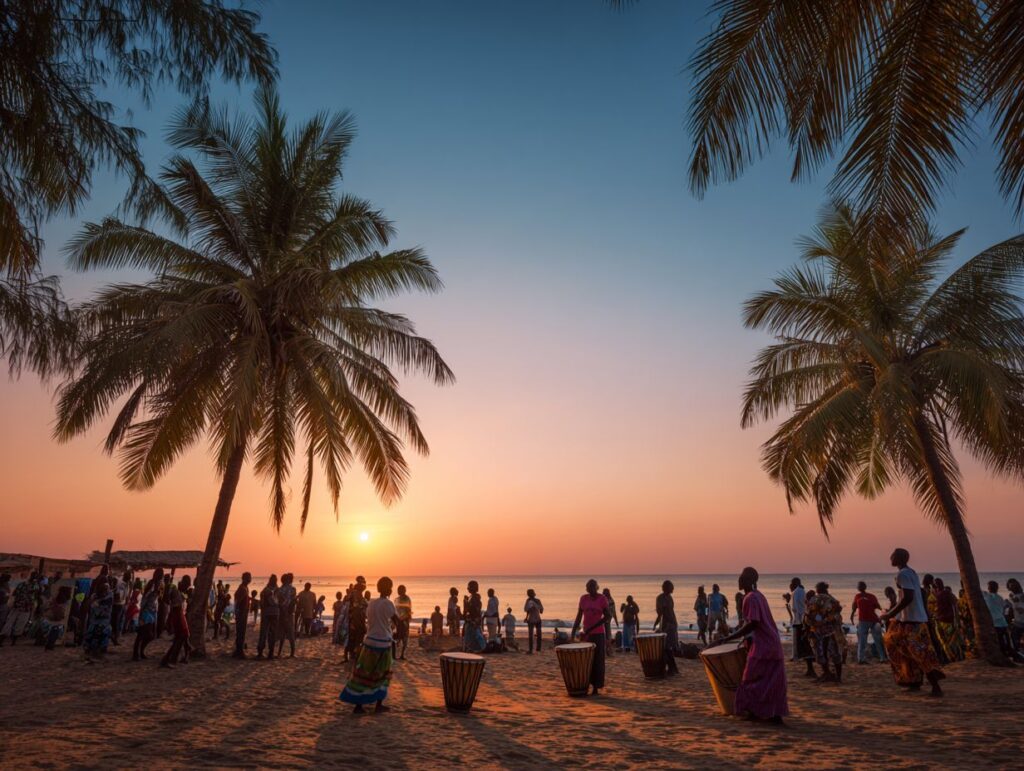
Senegal, with its stunning coastlines, is home to some of the most exquisite beaches in West Africa, offering a harmonious blend of relaxation and adventure opportunities. Explore the Saloum Delta for its unique biodiversity and local life.
Saly Portudal
Saly Portudal, a thriving resort town, is renowned for its pristine beaches and vibrant atmosphere, making it a preferred destination for both residents and visitors alike.
Water sports enthusiasts will find a variety of activities such as jet skiing and snorkeling, available at reasonable rates ranging from $30 to $60 per session. Don’t forget to secure travel insurance for a worry-free adventure.
Local markets, including the Saly Market, feature an array of fresh produce and handcrafted items, making them ideal for souvenir shopping.
The dining options in the area are diverse, ranging from casual beachside establishments offering grilled seafood to upscale restaurants serving international cuisine, with meal prices typically averaging between $10 and $30.
The optimal time to visit Saly Portudal is from November to March, when the climate is warm and dry. Accommodation prices generally range from $50 to $150 per night, accommodating a range of budgets. Nearby, visit the les de la Madeleine for a secluded beach experience.
Cap Skirring
Cap Skirring, situated in the Casamance region, is distinguished for its picturesque beaches and proximity to the Gambia, providing a unique cross-border experience. Nearby, the Djoudj National Bird Sanctuary offers breathtaking views of local wildlife.
Visitors have the opportunity to stay at luxurious beach resorts, such as Hotel La Paillote, with rates beginning at approximately EUR80 per night.
A variety of activities are available, including kayaking excursions that typically cost around EUR25, offering an exhilarating way to explore the coastline.
For fishing enthusiasts, local charters provide trips starting at EUR50, catering to both beginners and experienced anglers alike.
Additionally, the nearby Casamance River presents opportunities for eco-tourism walks, highlighting the area’s rich biodiversity. Cap Skirring offers an appealing blend of relaxation and adventure, accommodating a range of budgets.
Checkout Itinerary for 10 day trip to Cap Skirring.
Dive into Senegalese Music
Senegalese music, particularly mbalax, plays a crucial role in the cultural identity of the country, exemplifying its rich rhythms and melodies. Experience this vibrant music scene at local venues in Dakar.
Traditional Music and Instruments
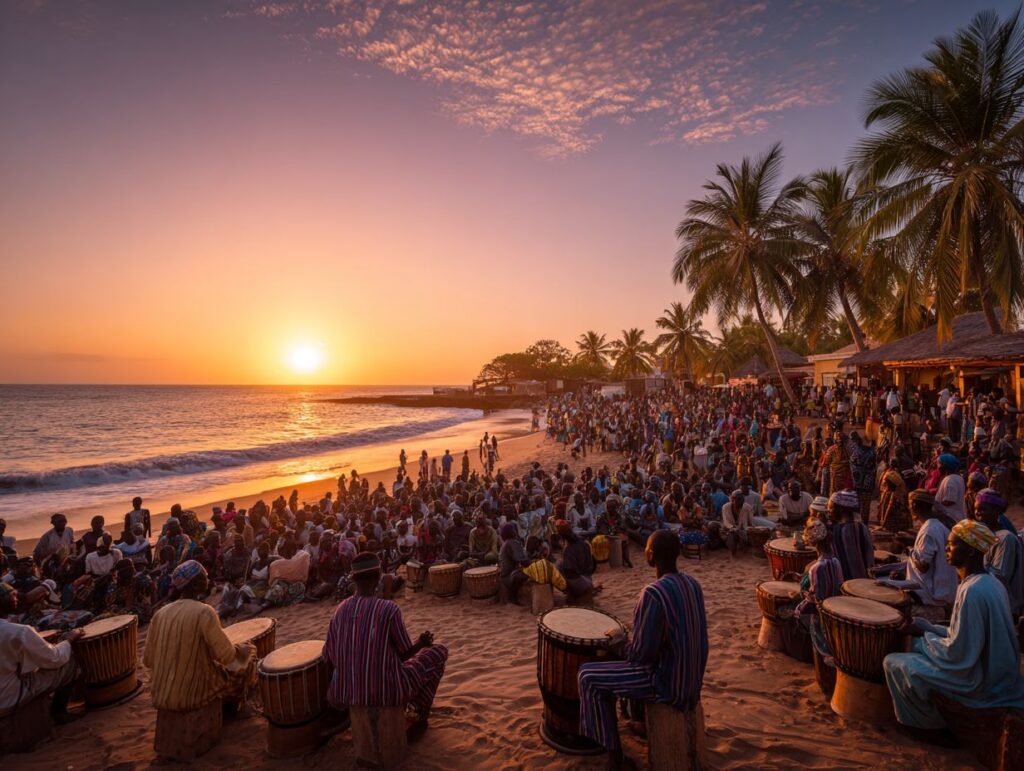
Traditional Senegalese music is characterized by the use of unique instruments, such as the sabar drum and the kora, which are essential for the performance of lively mbalax tunes. The sabar drum, often featured in social gatherings, holds particular significance as it not only maintains rhythm but also conveys messages through its distinctive sounds.
Conversely, the kora, a 21-string lute-bridge-harp, adds melodic depth to performances. Prominent artist Youssou NDour expertly integrates these traditional sounds into modern pop music, thereby attracting millions of listeners worldwide.
In fact, traditional music constitutes a vital component of nearly 60% of contemporary Senegalese performances, highlighting its enduring cultural influence and enabling vibrant reinterpretations that resonate with younger audiences.
Live Music Venues
Dakar is renowned for its vibrant live music venues that host performances spanning from traditional to contemporary genres, attracting both local residents and tourists.
Notable locations include:
- Le Trottoir, which accommodates approximately 200 guests and prominently features local artists, typically charging entry fees around $5.
- Another venue, Just 4 U, offers a larger capacity of 300 and presents a diverse mix of musical genres on weekends, with cover charges also remaining under $10.
Attending a live performance in Dakar provides an immersive experience into the rhythmic heartbeat of Senegal, where the dynamic atmosphere and connection to the performers cultivate a memorable experience that lingers long after the final note has been played.
Discover Cultural Heritage
Senegal’s cultural heritage is prominently displayed through its historic sites and towns, which reflect the nation’s diverse history and the impact of colonialism.
Goree Island
Goree Island serves as a significant reminder of Senegal’s colonial history, prominently featuring the Maison des Esclaves, a museum dedicated to the history of the slave trade.
Visiting Goree Island provides a profound experience as one navigates through its narrow streets, which are adorned with vibrant houses. The cost of entry to the island is typically around $5, granting access to its rich historical context. Guided tours are available, often conducted by knowledgeable locals who share personal anecdotes and cultural insights.
It is advisable to allocate at least a few hours to fully absorb the emotional impact of the museum and to explore the island’s picturesque vistas. Many visitors depart with a deeper understanding of the historical events that have shaped this significant site.
Learn more, Gorée, island of memory
Saint-Louis, the colonial capital
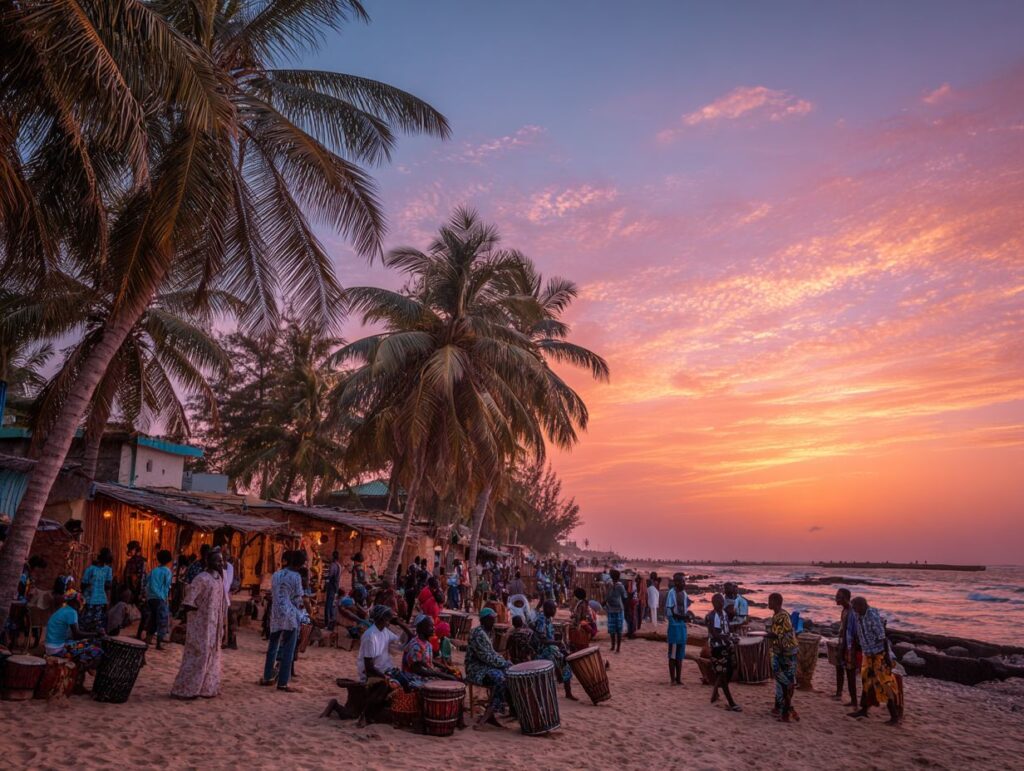
Saint-Louis, once the colonial capital, is renowned for its rich history, remarkable architecture, and a variety of vibrant cultural events held throughout the year.
Architecture enthusiasts will find great delight in exploring Saint-Louis, as it features well-preserved colonial buildings and the iconic Faidherbe Bridge, which connects the islands of the Senegal River.
Visitors are encouraged to attend the annual Saint-Louis Jazz Festival, typically held in May, where the streets come alive with music and local culture. The Faidherbe Bridge offers a stunning backdrop to the festivities.
Strolling through the picturesque streets of the island, adorned with colorful facades and intricate wrought-iron verandas, offers a valuable insight into the city’s artistic heritage.
It is advisable to plan your visit around this festival to gain a true understanding of Saint-Louis’ culture and community spirit.
Experience Local Cuisine
Senegalese cuisine, recognized for its bold flavors and fresh ingredients, presents a culinary experience that every traveler should consider exploring.
Two essential dishes to sample are:
- ceebu jn, a delightful combination of fish and rice often prepared with vegetables,
- yassa, which consists of marinated chicken served in a tangy onion sauce.
For an authentic experience, one should visit bustling local markets such as March Sandaga in Dakar, where fresh ingredients and traditional snacks can be found.
Additionally, street food vendors offering sweet potato fritters and grilled meats provide a genuine taste of Senegal’s dynamic culinary culture. Engaging with local residents will further enhance this gastronomic journey.
Engage with Local Festivals
Participation in local festivals provides a unique opportunity to gain insight into the vibrant culture and traditions of Senegal, which are characterized by music, dance, and a strong sense of community.
Two significant festivals to consider are the Dakar Music Festival, typically held in December, and the Saint-Louis Jazz Festival, which occurs in May.
The Dakar Music Festival showcases both renowned artists and local talent, with entry fees ranging from $5 to $20. Attendees can anticipate lively performances and captivating dance presentations.
Conversely, the Saint-Louis Jazz Festival offers a more international perspective, with entry fees between $10 and $30. This festival features a diverse array of jazz, traditional Senegalese music, and energetic dance performances, all of which contribute to a profound sense of community engagement.
Frequently Asked Questions
What are the top 10 things to do in Senegal?
The top 10 things to do in Senegal include visiting the beautiful beaches, experiencing the vibrant music scene, and exploring the country’s rich heritage and history.
What are the best beaches in Senegal?
Some of the best beaches in Senegal are Cap Skirring, Saly, and Petite Cte. These beaches offer stunning views, crystal clear waters, and a variety of water sports and activities.
What is the music scene like in Senegal?
The music scene in Senegal is lively and diverse, with a mix of traditional African rhythms and contemporary styles. You can attend concerts, dance performances, and music festivals to experience the vibrant music culture of Senegal.
What are some must-visit historical sites in Senegal?
Some must-visit historical sites in Senegal include Goree Island, a UNESCO World Heritage Site known for its role in the transatlantic slave trade, and the ancient city of Toubacouta, home to the Serer people and their rich cultural traditions.
What are the top cultural experiences to have in Senegal?
Some top cultural experiences to have in Senegal include visiting local markets in the Casamance region, trying traditional Senegalese cuisine, and participating in cultural ceremonies and festivals in Saint Louis. You can also visit museums and art galleries, such as the Maison des Esclaves on Goree Island, to learn more about the country’s culture and heritage. Don’t miss the African Renaissance Monument for a taste of modern Senegalese culture.
What are some outdoor activities to do in Senegal, including the Saloum Delta and Niokolo-Koba National Park?
In addition to beach activities along the Langue de Barbarie, Senegal offers a range of outdoor activities, such as hiking in the Fathala Wildlife Reserve and Niokolo-Koba National Park, bird watching in the Djoudj National Bird Sanctuary, and camel riding in Lac Rose (Pink Lake). Explore the Bandia Nature Reserve or take a boat trip at les de la Madeleine. In the Casamance region, discover the beauty of rural villages like Toubacouta and Palmarin, or cross the historic Faidherbe Bridge in Saint Louis. For a unique experience, visit the Saloum Delta, a UNESCO World Heritage Site, or explore the cultural richness of Kdougou. Don’t miss the vibrant music scene in areas where artists like Youssou NDour perform.