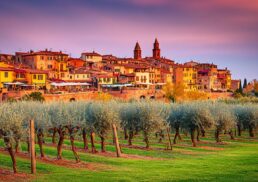
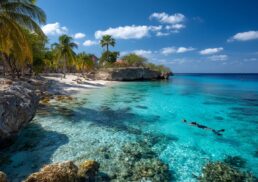
Embark on a travel adventure through Southeastern Europe in 2025, where captivating cities like Budapest and Istanbul await, offering a wealth of cultural experiences and enchanting landscapes. This guide unveils the best places to go, eat, and explore, offering rich cultural experiences that span vibrant Romania and beyond, highlighting must-visit attractions and delicious local cuisine. Discover hidden gems and culinary delights, such as home-cooked food and folklore festivals, as you navigate the diverse landscapes and traditions of Eastern Europe. Whether you’re seeking history or modernity, this comprehensive overview, enriched with travel tips and insider insights, will inspire your next journey through this enchanting region.
Table of Contents
Key Takeaways:
- Experience the best of Southeastern Europe in 2025 with these top destinations: Greece for islands and history, Croatia for the Adriatic coast, and Serbia for culture and nightlife.
- Indulge in the region’s rich culinary scene with traditional dishes and top-rated restaurants in major cities. Don’t miss out on local events and cultural insights for a well-rounded experience.
- Make the most of your outdoor adventures with hiking trails, nature parks, water sports, and beaches. Keep in mind transportation options and safety and health considerations for a smooth trip.
Overview of the Region
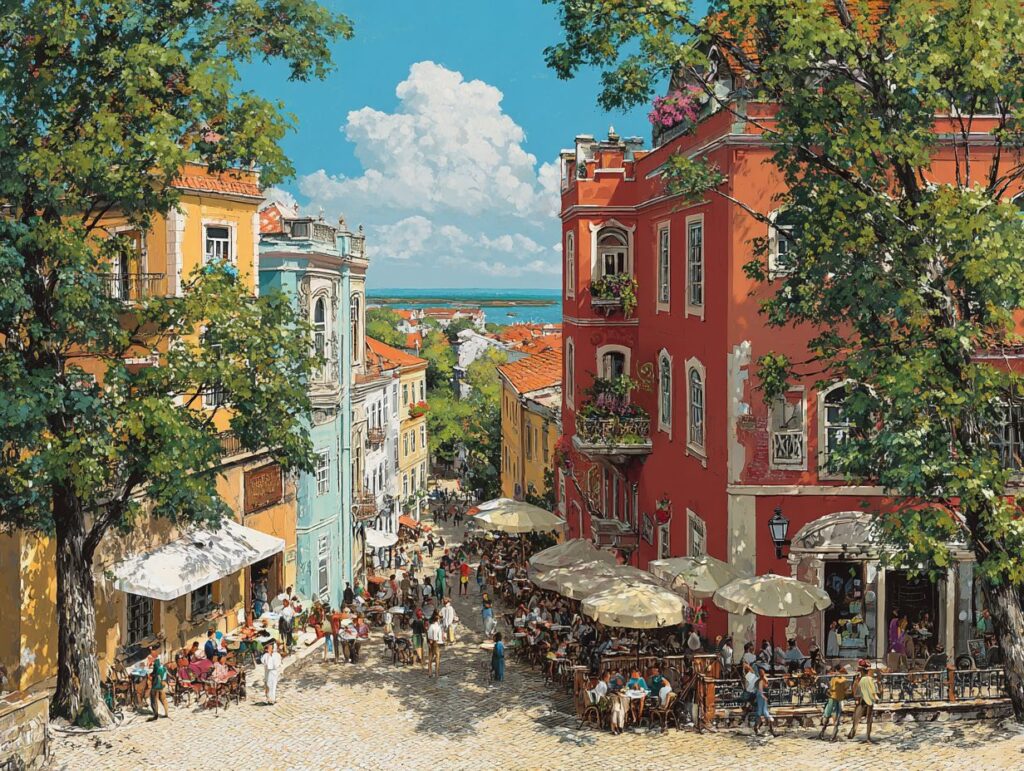
Southeastern Europe is home to renowned cities such as Budapest and Istanbul, each distinguished by its unique cultural heritage, culinary offerings, historical significance, and vibrant nightlife.
In Budapest, the impressive Parliament Building and the serene thermal baths attract more than 4 million visitors annually, indicating a 10% increase in tourism since 2020. On the other hand, Istanbul, which spans two continents, showcases its rich history through iconic landmarks such as the Hagia Sophia and the Grand Bazaar, welcoming approximately 15 million visitors each year.
Both cities boast vibrant culinary scenes, with Budapest celebrated for its goulash and Istanbul recognized for its diverse street food, inviting locals to share home-cooked food. The exploration of these urban gems offers unforgettable cultural experiences that continue to engage and inspire travelers.
Travel Trends for 2025: Embracing Local Traditions and Unique Architecture
In 2025, travel trends indicate a growing interest in immersive experiences, such as participation in local festivals and guided tours within quaint villages. Travelers are increasingly prioritizing authentic connections over traditional sightseeing activities.
A recent survey revealed that 67% of participants intend to seek out cultural festivals, demonstrating a preference for community interactions.
Furthermore, the demand for sustainable tourism is on the rise, with 75% of respondents expressing a preference for eco-friendly accommodations and practices, including comfortable accommodation with shared facilities.
The integration of technology is also transforming the planning phase; applications like TripIt and Airbnb’s Experiences app enable users to create personalized itineraries that enhance these immersive adventures.
Collectively, these trends are poised to shape a more meaningful travel landscape.
Top Destinations: From Medieval Architecture to Picturesque Riverside Views
Southeastern Europe offers a diverse array of premier destinations that highlight breathtaking landscapes, profound historical significance, and a vibrant cultural heritage, catering to the interests of all types of travelers.
Greece: Islands and History with Romantic Streets and Ancient Ruins
Greece’s islands present a rich tapestry of history and natural beauty, featuring essential destinations such as Santorini and Crete that promise unforgettable experiences.
Santorini is renowned for its breathtaking sunsets in Oia, romantic streets, and the ancient ruins of Akrotiri, which date back to the Minoan civilization, with an entry fee of approximately EUR12. In contrast, Crete is home to the Palace of Knossos, an imperative archaeological site from the Minoan era, where tickets are priced at EUR15.
For those interested in local cuisine, one might enjoy Cretan dakos-barley rusk topped with tomatoes and cheese, typically available for around EUR6. Additionally, the fresh seafood in Santorini is noteworthy, with a dinner costing approximately EUR25.
These experiences collectively underscore the historical significance and culinary richness of the islands.
Checkout The Ultimate Bucket List: Things to Do In Greece
Croatia: Adriatic Coast Highlights with Scenic Views and Public Transport Options
Croatia’s remarkable Adriatic Coast is distinguished by its picturesque towns, such as Dubrovnik, and natural wonders like Plitvice Lakes National Park, which collectively attract millions of visitors annually.
Dubrovnik’s ancient city walls, designated as a UNESCO World Heritage site, extend nearly 2 kilometers and offer breathtaking views of the Adriatic Sea. The optimal time to visit is during the spring or fall when tourist crowds are reduced and temperatures are comfortable, averaging between 18 degreesC and 25 degreesC.
Conversely, Plitvice Lakes National Park features cascading waterfalls and vibrant turquoise lakes, with early autumn being the ideal season to experience its stunning foliage.
For transportation between these destinations, visitors are encouraged to consider renting a car for greater flexibility or utilizing local bus services, both of which are cost-effective and efficient options.
Serbia: Culture and Nightlife in Vibrant Cities
Serbia, particularly its capital city, Belgrade, is recognized for its vibrant nightlife, rich cultural landscape, and unique architecture, making it an attractive destination for young travelers.
A highly recommended way to experience Belgrade’s nightlife is by exploring prominent districts such as Savamala and Skadarlija. Savamala is home to trendy clubs like 20/44, which is celebrated for its lively electronic music scene. In contrast, Skadarlija, a historic bohemian quarter, features traditional taverns that provide live music.
Additionally, local festivals such as the Belgrade Beer Festival in August and the Belgrade Dance Festival in March attract large audiences and offer distinctive experiences. Participating in these events not only enriches one’s visit but also fosters connections with locals and fellow travelers.
Culinary Experiences: From Traditional Crafts to Craft Workshops
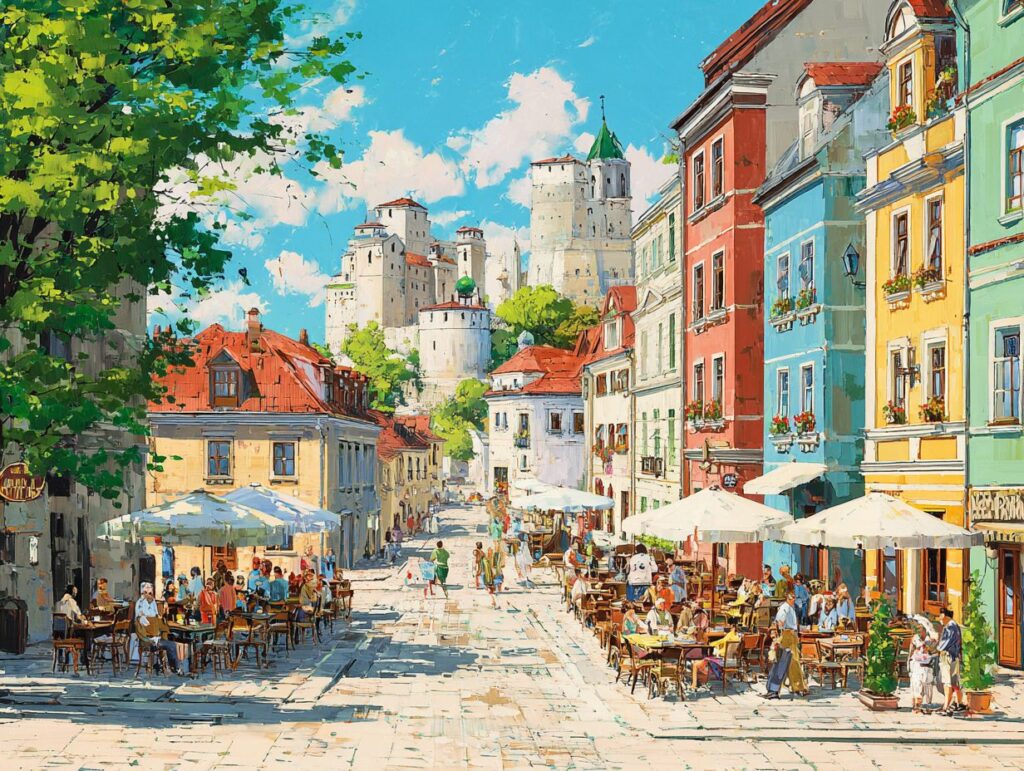
Culinary experiences in Southeastern Europe present a rich tapestry of flavors, showcasing a harmonious blend of traditional dishes and contemporary variations across its diverse regions.
Traditional Dishes to Try: Discovering Historical Buildings and Local Events
Travelers should not overlook traditional dishes such as Greek moussaka, Croatian paticada, and Serbian sarma, each of which embodies the rich culinary heritage of the region.
Other notable dishes to consider include:
- Hungarian goulash, a hearty stew composed of beef, onions, and paprika, commonly available at local bistros for approximately $15.
- In Italy, one should indulge in risotto alla Milanese, a creamy rice dish infused with saffron; it can be experienced at Trattoria Da Pino for around $18.
- For dessert, baklava in Turkey is highly recommended; this sweet pastry, made with layers of filo dough and nuts, is typically priced at $5 per piece.
These dishes offer an authentic taste of the culinary traditions found in Eastern European and Mediterranean kitchens.
Best Restaurants in Major Cities: Exploring Famous Artworks and Bustling Streets
Major cities in Southeastern Europe offer a diverse selection of restaurants that showcase local cuisine, ranging from upscale dining establishments to charming local eateries.
In Budapest, one may consider dining at Onyx, which is renowned for its elegant Michelin-starred menu that emphasizes local ingredients; the tasting menu begins at EUR75.
In Belgrade, Toro Latin Gastrobar provides a lively atmosphere along with unique fusion dishes, with main courses priced between EUR15 and EUR25.
In Sofia, Sasa Asian Pub offers a contemporary interpretation of Asian cuisine, making it an ideal choice for casual dining, with dishes averaging between EUR10 and EUR20. Additionally, for those seeking traditional Bulgarian fare, Manastirska Magernitsa is highly recommended, as main courses are available for under EUR15.
Each of these establishments guarantees a distinct culinary experience that reflects the vibrant character of their respective locales.
Outdoor Activities: Encompassing Natural Beauty and Regional Parks
The varied landscapes of Southeastern Europe provide a wide range of outdoor activities, encompassing hiking opportunities in the Carpathian Mountains and various beach sports along the Adriatic Sea.
Hiking Trails and Nature Parks: Walking Tours and Transylvania Myths
Hiking enthusiasts will discover breathtaking trails in national parks such as Romania’s Rila Monastery area, rich with Transylvania myths, and Bulgaria’s Pirin National Park, which feature stunning vistas and guided tours.
One of the premier trails in Rila is the Seven Rila Lakes hike, spanning approximately 10 kilometers and requiring about 4 to 5 hours to complete. This hike presents mesmerizing glacial lakes and panoramic views, making it suitable for hikers of moderate experience.
In Pirin National Park, the Vihren Peak trail is particularly noteworthy. Stretching 12 kilometers, this challenging route demands approximately 6 to 8 hours to finish but rewards hikers with exceptional alpine scenery.
Both trails do not necessitate permits, thereby allowing for spontaneous adventures. It is advisable to check weather conditions in advance to ensure a safe hiking experience.
Water Sports and Beaches: Enjoying Private Transfers and Picturesque Riversides
The Adriatic Coast is widely recognized for its appealing beaches and diverse water sports, which include activities such as snorkeling, jet skiing, and paddleboarding.
In Croatia, notable beaches such as Zlatni Rat in Bol and Punta Rata in Brela attract numerous visitors, with average prices for jet ski rentals being approximately EUR60 for a duration of 30 minutes.
In Greece, Navagio Beach on Zakynthos is particularly celebrated for its breathtaking scenery, where paddleboarding lessons are generally priced at EUR40 for one hour.
Individuals who are new to these activities should always wear a life jacket and verify local weather conditions prior to engaging in water sports. Furthermore, participating in group lessons can enhance safety, as the guidance provided by instructors can significantly reduce the risk of accidents. For an unforgettable experience, consider exploring the stunning views of Budapest and Istanbul during group travel adventures.
Cultural Insights and Historical Landmarks
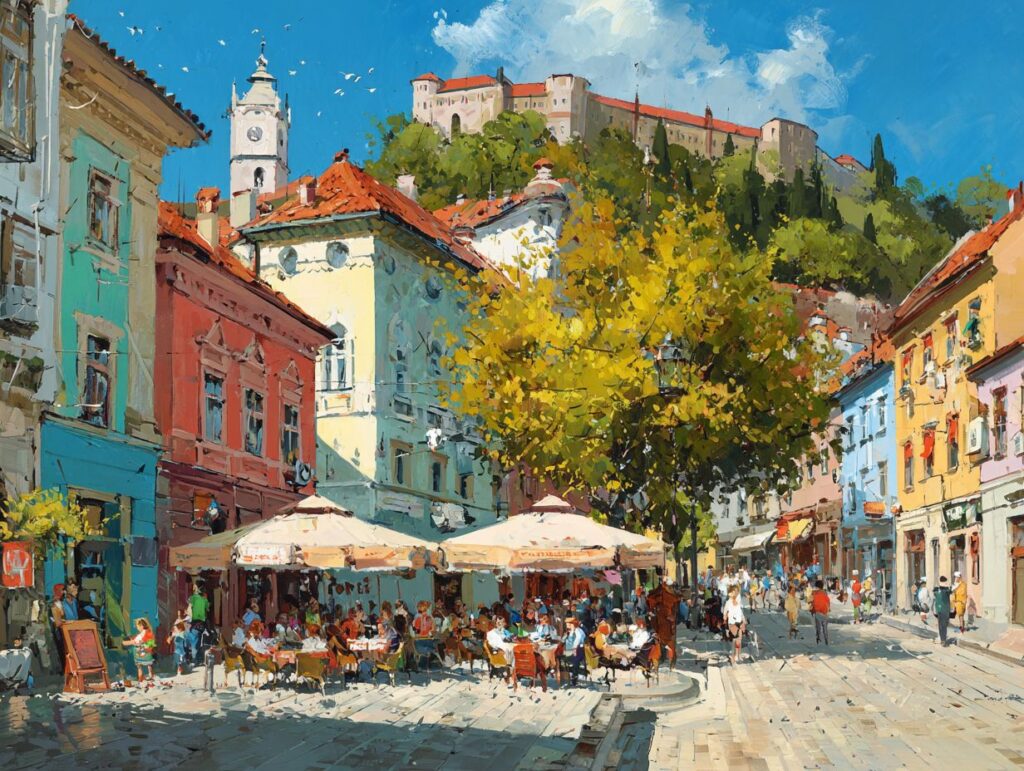
Southeastern Europe and Eastern Europe possess a rich cultural heritage, with local traditions and folklore intricately woven into the fabric of its communities, offering travelers valuable insights into the region’s diverse history and customs.
Festivals and Local Events in Charming Villages and Quaint Towns
Festivals such as the Belgrade Beer Fest and the Sziget Festival in Hungary attract thousands of participants, showcasing local music, cuisine, and the arts. Another significant event is the EXIT Festival in Novi Sad, which occurs annually in July. This festival features a diverse array of international musical acts and is set against the unique historical backdrop of the Petrovaradin Fortress, with must-visit attractions like the charming streets of Budapest and Istanbul.
Attendees can anticipate ticket prices in the vicinity of EUR100 for a weekend pass. For accommodation, options such as local hostels or Airbnb rentals are advisable, with prices typically ranging from EUR15 to EUR50 per night.
Each festival not only highlights the richness of local culture but also fosters a sense of community and celebration, resulting in memorable experiences for all festival-goers.
Art and Music Scene in Sofia and Plovdiv
The vibrant art and music scenes in cities such as Sofia and Budapest, along with cultural hubs like Plovdiv and Krakw, present a compelling blend of traditional and contemporary experiences that warrant attention.
In Sofia, the National Gallery for Foreign Art features works from esteemed international artists, while local institutions like the Vaska Emanouilova Gallery emphasize the contributions of emerging Bulgarian talent. Plovdiv, with its blend of contemporary and historical art, is another must-visit destination.
In Budapest, the Mcsarnok serves as an exceptional exhibition hall that regularly hosts displays from both local and global artists.
For music enthusiasts, the annual Budapest Spring Festival, which attracts over 100,000 attendees, and Sofia’s Jazz Fest, renowned for featuring both local and international artists, are notable events.
Each venue encapsulates the unique cultural narratives of their respective cities, rendering them essential destinations for any traveler.
Travel Tips for Exploring Romania and Bulgaria
Navigating Southeastern Europe and Romania, including beautiful regions like Transylvania, can be a streamlined process when equipped with appropriate travel advice, thereby ensuring a comfortable and enjoyable experience for all visitors.
Transportation Options in Romania and Bulgaria
Southeastern Europe and regions like Romania and Bulgaria present a variety of transportation options, including efficient public transport systems and convenient private transfer services for tourists.
When visiting cities such as Budapest or Sofia, utilizing public transport is a cost-effective choice. For example, a single tram ticket typically costs around EUR1.
For those who prefer greater flexibility, private transfer services such as Bolt or Uber are available, with fares ranging from approximately EUR10 to EUR30 for shorter trips.
Car rentals are also a widely utilized option, with daily rates varying from EUR30 to EUR70, depending on the season and type of vehicle.
To facilitate effective navigation, it is advisable to download local transport applications that provide real-time updates and route information, thereby ensuring a smooth travel experience.
Safety and Health Considerations in Transylvania and Beyond
Travelers to Southeastern Europe and fascinating areas like Transylvania should take note of essential safety tips and health considerations to ensure a secure and enjoyable experience during their explorations.
To enhance your journey, it is advisable to adhere to the following safety recommendations:
- Refrain from displaying valuables to deter pickpockets.
- Obtain travel insurance to cover emergencies.
- Familiarize yourself with local emergency contact numbers.
- Choose accommodations that have received positive reviews.
Regarding health precautions, it is important to ensure that you are vaccinated against common diseases, research local healthcare facilities prior to your trip, and carry a basic first aid kit.
For the most current travel advisories and health guidelines, the U.S. State Department and the World Health Organization websites are excellent resources to consult.
Frequently Asked Questions
What countries are included in Southeastern Europe, including charming villages like Viscri?
The countries included in Southeastern Europe are Albania, Bosnia and Herzegovina, Bulgaria, Croatia, Greece, Kosovo, Montenegro, North Macedonia, Romania, Serbia, and Slovenia.
What are some must-visit destinations in Southeastern Europe, such as Sighisoara and Rila Monastery?
Some of the top destinations in Southeastern Europe include Dubrovnik, Croatia; Athens, Greece; Sofia, Bulgaria; and Sarajevo, Bosnia and Herzegovina.
What are the best local dishes to try in Southeastern Europe?
Some popular dishes to try in Southeastern Europe include cevapi in Bosnia and Herzegovina, moussaka in Greece, and sarmale in Romania.
What is the best way to get around Southeastern Europe?
The most convenient way to travel around Southeastern Europe is by flying between major cities and using trains and buses to get around within each country.
Are there any hidden gems in Southeastern Europe that are worth visiting?
Yes, some hidden gems in Southeastern Europe include the Blue Eye in Albania, the Plitvice Lakes National Park in Croatia, and the Danube Delta in Romania.
What are some unique cultural experiences to have in Southeastern Europe?
Some unique cultural experiences in Southeastern Europe include visiting traditional Greek Orthodox monasteries in Greece, attending a traditional folk festival in Serbia, exploring the ancient ruins in Bulgaria, and discovering the myths surrounding Bran Castle in Romania.