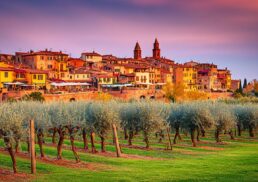
Discover the vibrant allure of Spain in our comprehensive travel guide for 2025, where we unveil the best cities to explore, including the bustling energy of Madrid, the historical depth of Granada, and the artistic charm of Barcelona. From savoring traditional tapas to timing your visit with Spain’s lively festivals, including UNESCO World Heritage events, this guide offers essential insights for every traveler. Whether you’re seeking cultural experiences, outdoor activities, or culinary delights, prepare to embark on an unforgettable journey through this captivating European gem.
Table of Contents
Key Takeaways:
- Experience the vibrant culture of Spain in its top destinations, including Barcelona, Madrid, Seville, and Valencia.
- Indulge in traditional Spanish dishes, including Mediterranean seafood, and regional specialties while exploring the country’s culinary capital, Valencia.
- Plan your trip wisely by considering seasonal weather and festivals, including La Tomatina and Guggenheim Museum events, and stay safe with transportation options and health advice.
Overview of Spanish Culture
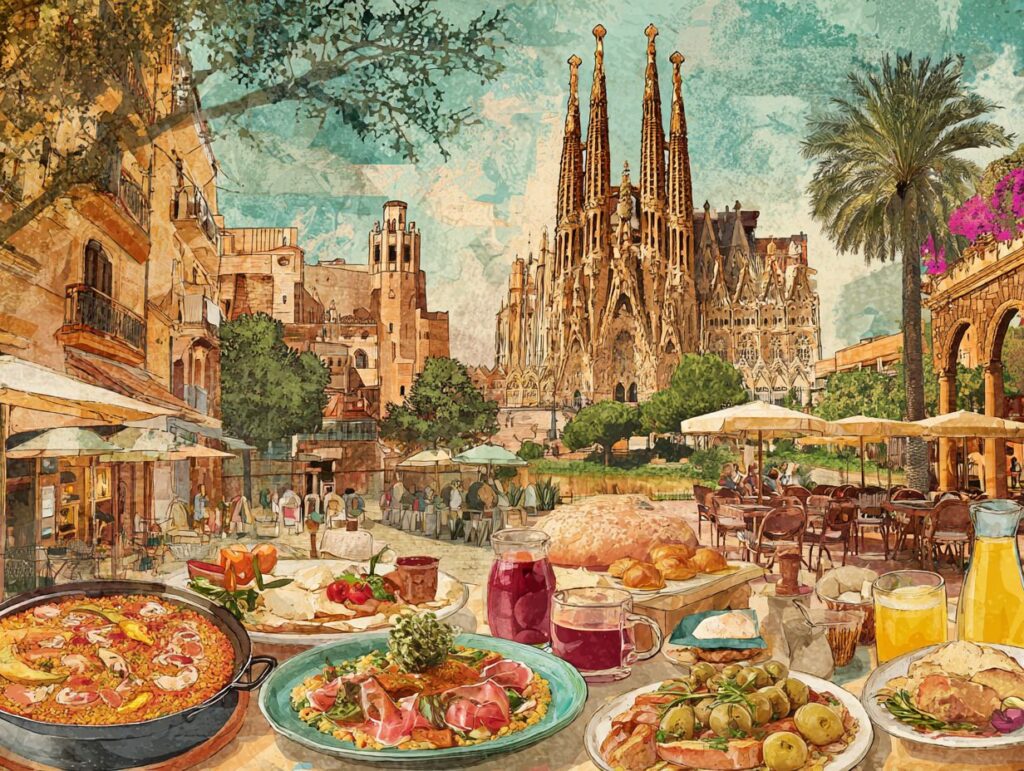
Spanish culture represents a complex tapestry of traditions, music, and art, with flamenco dancing and vibrant festivals such as La Tomatina and Camino de Santiago exemplifying its essence.
Flamenco, which originated in Andalusia, embodies profound emotional expression through its distinctive combination of guitar, singing, and dance. This passionate art form has evolved into a symbol of Spanish identity and is celebrated at numerous dance festivals, including the Bienal de Flamenco in Seville.
Annually, Semana Santa (Holy Week) features elaborate processions characterized by intricate floats and traditional music, reflecting the significant religious importance and communal commitment present within Spanish society.
These vibrant events vividly portray the local lifestyle, illustrating the rich historical and emotional landscape of Spain.
Top Destinations
Spain’s cities present a diverse range of destinations, featuring architectural marvels and historical landmarks that appeal to various interests and travel preferences.
Barcelona: A Blend of Art and Architecture
Barcelona is renowned for its exceptional architecture, notably Gaud’s Sagrada Familia and Park Gell, which attract both art enthusiasts and architects eager to explore the city’s creative offerings.
To fully engage with Barcelona’s artistic atmosphere, a visit to the Picasso Museum in the El Born district is highly recommended, where over 4,000 works are on display. Following this cultural experience, one can indulge in authentic tapas at La Cova Fumada, a beloved local establishment.
For transportation, the efficient Barcelona Metro provides convenient access throughout the city; thus, it is advisable to purchase a Hola BCN! travel card for unlimited rides to explore nearby beaches and UNESCO sites.
Exploring the Gothic Quarter on foot unveils hidden treasures, including charming cafs and impressive cathedrals, providing a genuinely unique experience that highlights Catalonia’s rich history.
Madrid: The Heart of Spain
As the vibrant capital of Spain, Madrid presents an exhilarating blend of art, culture, and nightlife, making it an essential destination for any discerning traveler.
Begin your exploration at the Museo del Prado, which houses masterpieces by renowned artists such as Velzquez and Goya. Following this, a visit to the Royal Palace is highly recommended, where one can admire its stunning architecture and beautifully maintained gardens.
Furthermore, Retiro Park serves as an ideal location for relaxation or enjoying a tranquil boat ride.
As evening approaches, immerse yourself in Madrid’s culinary scene; the tapas bars in La Latina provide a delightful experience of local flavors, while Malasaa offers an array of trendy clubs for a lively party and nightlife experience.
For convenient travel throughout the city, the Metro system is highly efficient and connects visitors to all major attractions.
Seville: Flamenco and Festivals
Seville captivates visitors with its rich traditions, particularly flamenco dancing, and vibrant festivals such as the Feria de Abril and Semana Santa, offering a vivid experience for history buffs and culture enthusiasts. To fully appreciate the city, it is essential to prioritize visits to iconic attractions, including the Alczar, renowned for its stunning Moorish architecture, and the majestic Cathedral, which houses the tomb of Christopher Columbus.
For a deeper cultural immersion, attending a flamenco show at Casa de la Memoria is highly recommended, as the passionate performances bring the dance to life in an authentic setting. Additionally, visitors should not miss the opportunity to savor local tapas; specialties such as jamn ibrico and gazpacho can be enjoyed at Mercado de Triana.
To enhance the experience and avoid crowds, it is advisable to visit major sites early in the morning or plan the trip around festivals when the city vibrantly showcases its colors and traditional revelry.
Valencia: A Culinary Capital
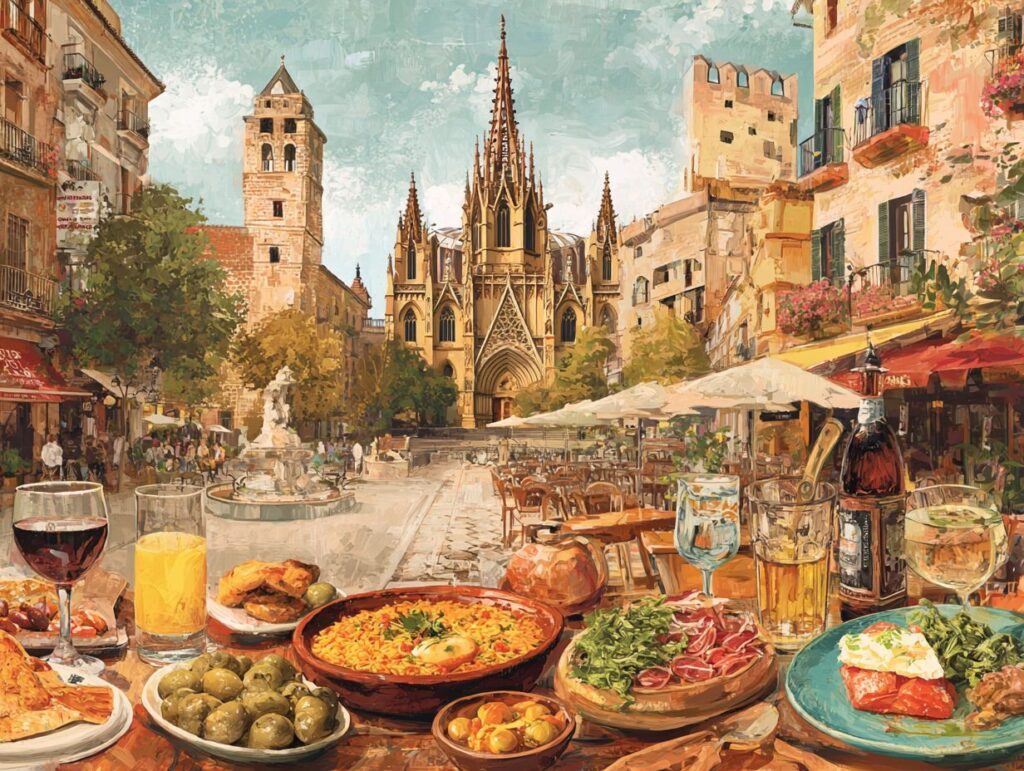
Valencia is renowned for its exceptional culinary offerings, particularly the internationally acclaimed paella, and is home to vibrant festivals such as Las Fallas, attracting foodies and culture lovers.
To fully appreciate Valencia’s culinary scene, one should visit Mercat Central, one of the largest food markets in Europe, where fresh ingredients essential for preparing authentic paella can be found, drawing in travelers and locals alike.
Participating in local cooking classes is highly recommended to learn traditional techniques, including the significance of utilizing Bomba rice and saffron.
Furthermore, immersing oneself in the Las Fallas festival, which features elaborate fireworks and artistic displays every March, offers a unique glimpse into the city’s rich cultural heritage.
Additionally, sampling horchata, a local beverage made from tiger nuts, is essential for a comprehensive Valencian experience.
Culinary Highlights
Spain’s culinary landscape is characterized by its remarkable diversity, reflecting the unique attributes of its various regions, including the Basque Country and Andalusia.
The country presents an extensive array of traditional dishes, including tapas and escudella, and local specialties, each contributing to the rich narrative of its cultural heritage.
Traditional Spanish Dishes
Traditional Spanish dishes, including tapas, paella, and churros, are not only widely popular but also embody the rich culinary heritage of Spain.
When exploring Spanish cuisine, it is advisable to consider indulging in the following notable dishes:
- Tapas, which originated in Andalusia, consist of small plates that are ideal for sharing. For an authentic experience, La Taberna offers a selection of local flavors.
- Paella, a saffron-infused rice dish from Valencia, is best enjoyed at Casa Roberto, where the traditional version made with rabbit and snails can be savored.
- Churros, typically served with a rich chocolate dipping sauce, are a must-try, particularly at Chocolatera San Gins in Madrid.
When dining out, it is courteous to greet the staff with a friendly “hola” and do not hesitate to request recommendations.
Regional Specialties
Each region of Spain presents unique culinary specialties, shaped by local ingredients and traditions, offering a gastronomic journey that merits exploration.
In the Basque Country, it is highly recommended to experience pintxos, which are small snacks typically served on skewers. These are best enjoyed in the vibrant bars of San Sebastin.
In Andalusia, one can savor chilled gazpacho, an ideal dish for hot summer months. Local markets provide access to fresh tomatoes and peppers, essential components of this refreshing soup.
Catalonia features escudella, a hearty stew that reflects the region’s rich agricultural diversity.
For a more immersive experience, individuals may consider participating in a guided food tour in Barcelona or sampling homemade dishes at family-run restaurants, which offer valuable insights into these culinary traditions.
Best Times to Visit
Recognizing the optimal times to visit Spain can significantly enhance the travel experience, as each season presents distinct cultural and climatic features.
Seasonal Considerations
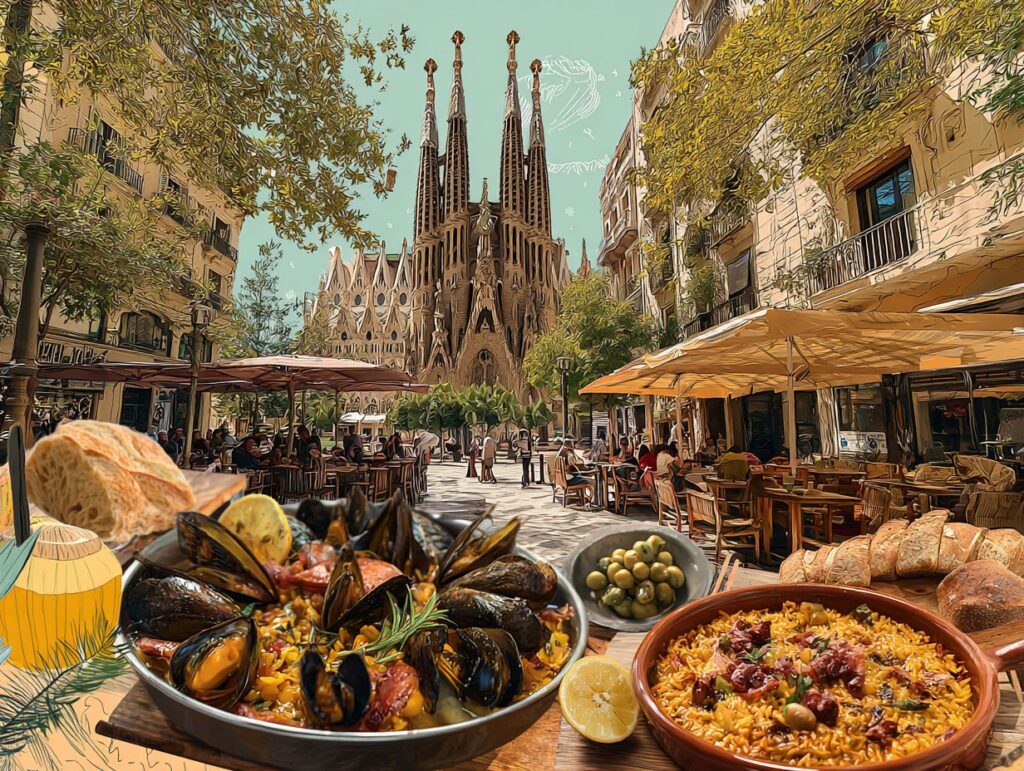
Spain exhibits a range of climates across its various regions, which significantly influences the optimal times for visiting, depending on the desired activities, whether they be beach excursions or cultural explorations.
For ideal beach weather, the Costa del Sol, along with Ibiza and Alicante, is best visited between May and October, during which time temperatures are elevated and rainfall is minimal. In contrast, the Sierra Nevada provides exceptional hiking conditions from late spring to early summer, particularly in June, when wildflowers are in bloom and trails are free of snow.
For those interested in cultural experiences, scheduling a trip in the spring or fall allows for participation in local festivals while avoiding the summer crowds.
Utilizing resources such as Weather.com can assist travelers in monitoring conditions pertinent to their planned activities, thereby maximizing the efficacy of their travel arrangements.
Festival Calendar
Spain’s festival calendar is replete with vibrant cultural events throughout the year, each providing a unique insight into the nation’s traditions. Key festivals include:
- La Tomatina in Buol, held on the last Wednesday of August, where participants engage in a spirited tomato-throwing event.
- In July, the Running of the Bulls in Pamplona and the Camino de Santiago pilgrimage draw thrill-seekers who sprint alongside the bulls in a historic display of bravery.
- For those interested in a music-centric experience, the Primavera Sound festival in Barcelona takes place in June, featuring international artists across a diverse range of genres.
To fully enjoy these festivals, it is advisable to plan your trip in advance, secure accommodations early, and consider arriving a day prior to immerse yourself in the local culture and festivities.
Travel Tips
Equipping oneself with essential travel tips can facilitate a smoother journey through Spain, encompassing aspects such as transportation navigation, finding affordable accommodation, and personal safety.
Transportation Options
Spain offers a variety of transportation options, ranging from efficient public transit systems in major cities to picturesque train routes throughout the countryside, allowing for trips to UNESCO World Heritage sites like the Alhambra.
In Madrid, the metro system is extensive, with tickets beginning at only EUR1.50, providing an economical means of transportation. Likewise, Barcelona’s metro system offers excellent coverage, with a T-10 ticket allowing for ten rides at approximately EUR11.
For intercity travel, the AVE high-speed train facilitates connections between major cities, such as the journey from Madrid to Barcelona, which takes approximately 2.5 hours, with fares starting at EUR40 when booked in advance.
For individuals seeking to explore rural areas, renting a car is a viable option, with daily rates starting around EUR30. This flexibility enables travelers to enjoy scenic drives along Spain’s stunning coastlines or through its picturesque countryside.
Safety and Health Advice
Prioritizing safety and health during travel in Spain can significantly enhance the experience and contribute to a memorable visit without complications.
- To ensure personal safety, it is important to remain vigilant and aware of one’s surroundings, particularly in crowded areas such as La Rambla in Barcelona, where pickpocketing incidents are more prevalent.
- Utilizing a crossbody bag may serve as a deterrent against theft.
Additionally, it is advisable to familiarize oneself with local emergency contact numbers; in Spain, the number to call for police, fire, or medical emergencies is 112. For pilgrims on the Camino de Santiago, knowing this can be crucial.
On the health front, travelers should verify that their vaccinations are current, especially for diseases such as hepatitis A and typhoid. Many travelers also find it advantageous to obtain travel insurance for trips, with platforms like World Nomads and SafetyWing providing tailored options to meet a variety of needs.
Learn more, Essential travel rules for Spain.
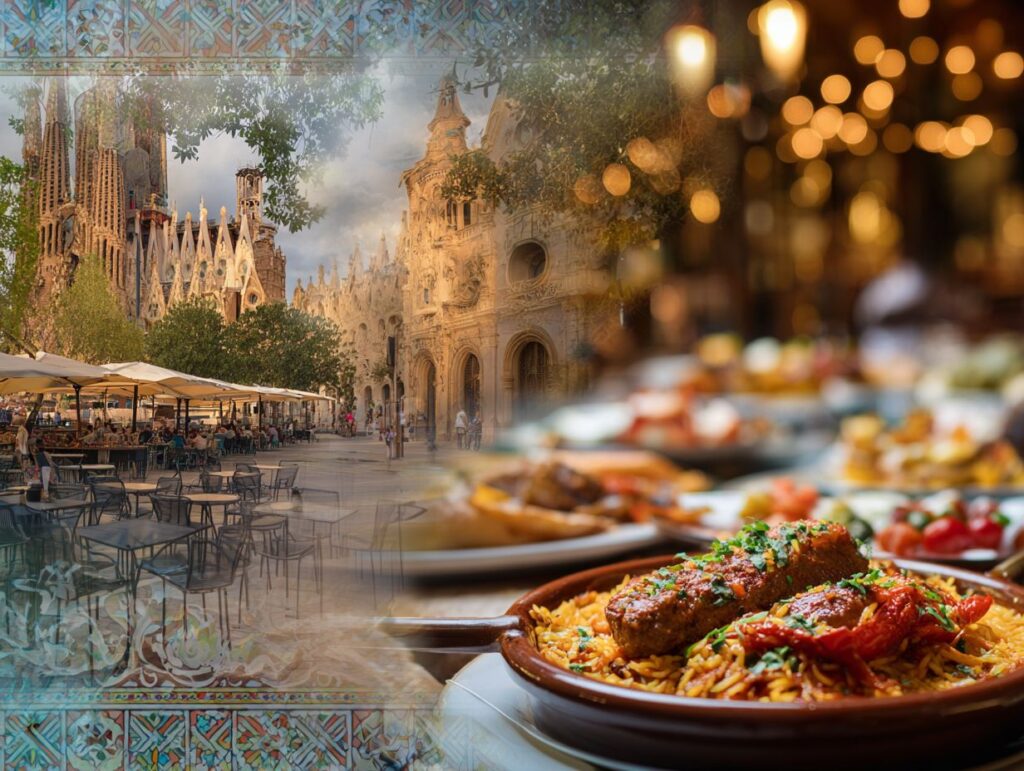
Frequently Asked Questions about Traveling in Spain
1. What are the must-visit destinations in Spain in 2025?
In 2025, you shouldn’t miss out on visiting Madrid, Barcelona, Seville, Valencia, Granada, and San Sebastian. These cities offer a perfect blend of history, culture, and modernity, making them the top travel destinations in Spain.
2. What are the best local dishes to try in Spain during my visit?
Spain is known for its delicious food, and in 2025, you must try some of the traditional dishes such as paella, tortilla de patatas, churros con chocolate, and jamn ibrico. Don’t forget to pair them with a glass of sangria or a local wine for the ultimate dining experience.
3. When is the best time to visit Spain in 2025?
The best time to visit Spain in 2025 would be during the shoulder seasons of spring (April-May) and fall (September-October). You’ll get to enjoy pleasant weather, avoid the peak tourist crowds, and possibly even snag some discounted prices.
4. What are some off-the-beaten-path destinations to explore in Spain in 2025?
If you’re looking for a unique and authentic experience, consider visiting the Basque Country, Galicia, Asturias, or the Canary Islands. These regions offer stunning landscapes, rich cultural heritage, and mouth-watering cuisine.
Don’t miss the chance to explore the Sierra Nevada or the cultural richness of Salamanca and Cdiz.
If you’re looking for a unique and authentic experience, consider visiting the Basque Country, Galicia, Asturias, or the Canary Islands. These regions offer stunning landscapes, rich cultural heritage, and mouth-watering cuisine.
5. What are some essential tips for traveling to Spain in 2025?
First, plan your trips and book accommodations in advance, especially during peak season. Learn some basic Spanish phrases to communicate with the locals. Be mindful of the siesta times as some shops may close during the afternoon.
Firstly, make sure to book your accommodations and transportation in advance, especially during peak season. Secondly, learn some basic Spanish phrases to communicate with the locals. Lastly, be respectful of the culture and customs, and always carry cash as not all places accept credit cards.
6. What are some must-see attractions in Spain in 2025?
Apart from the iconic landmarks like the Sagrada Familia and the Alhambra, you should also add the Guggenheim Museum in Bilbao, the Mezquita-Catedral in Crdoba, and the Park Gell in Barcelona to your list. These attractions offer unique experiences and are architectural marvels.
Experience the vibrant culture of La Tomatina or relax on the beaches of Costa Del Sol and Ibiza.
Apart from the iconic landmarks like the Sagrada Familia and the Alhambra, you should also add the Guggenheim Museum in Bilbao, the Mezquita-Catedral in Crdoba, and the Park Gell in Barcelona to your list. These attractions offer unique experiences and are architectural marvels.