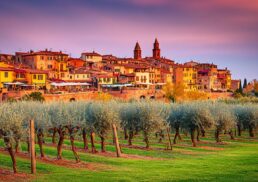
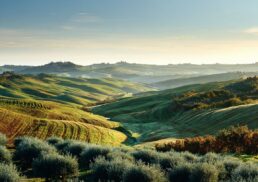
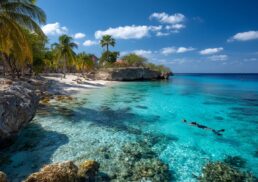
Southeastern Europe is a treasure trove of cultural significance, boasting stunning tourist attractions that range from Croatia’s coastal wonders to the historic Rila Monastery in Bulgaria. This region, rich in history and nature, unveils hidden gems waiting to be explored. Discover the best times to visit and immerse yourself in the vibrant tapestry of Eastern Europe, where each destination offers a unique glimpse into its past and present. Your adventure starts here in one of the most picturesque travel destinations featuring the beautiful landscapes of Eastern Europe!
Table of Contents
Key Takeaways:
- Explore ancient ruins in Greece and Albania, medieval castles in Croatia and Serbia, and World War II memorials in Bosnia and Herzegovina to experience the rich history of Southeastern Europe.
- Indulge in the stunning natural wonders of Southeastern Europe by visiting national parks like Plitvice Lakes and Tara, and admiring the breathtaking beauty of the Adriatic Sea.
- Immerse yourself in the vibrant culture of Southeastern Europe by participating in local festivals and traditions, and savoring traditional dishes for a truly authentic experience.
Overview of the Region: From the High Tatras Mountains to the Tokaj wine region
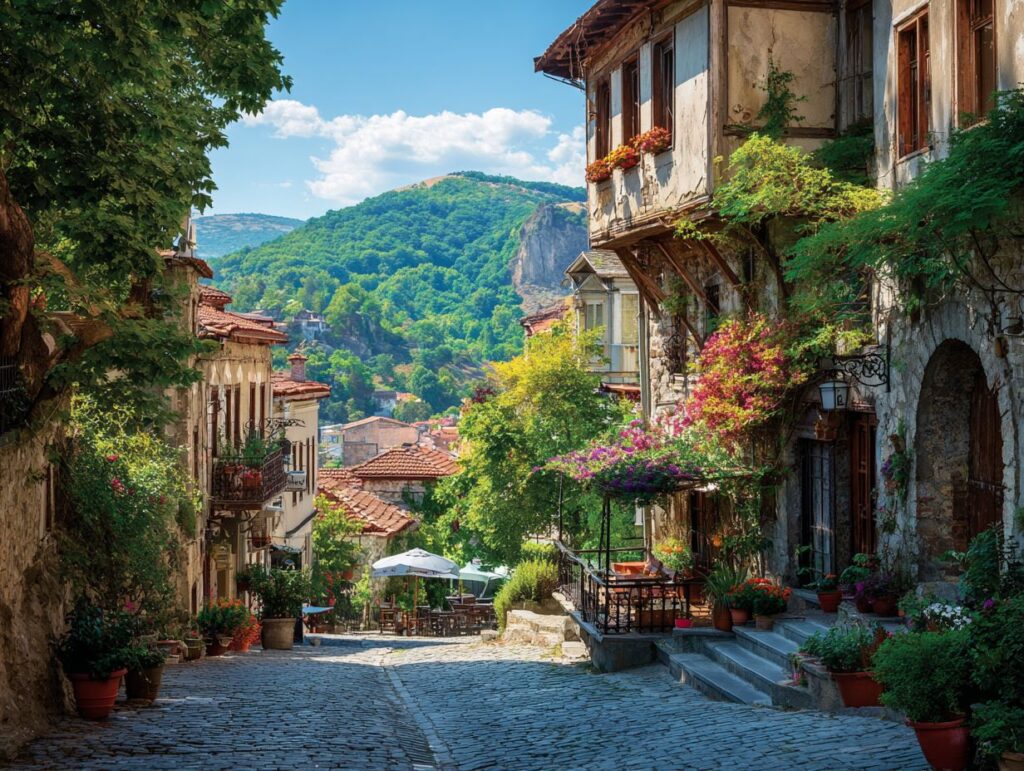
Southeastern Europe includes countries such as Bulgaria, Croatia, and Romania, presenting a diverse array of breathtaking mountain landscapes, medieval towns, and tranquil parks.
Among the notable attractions, one can explore Sofia’s dynamic art scene, visit the stunning coastline of Dubrovnik, or relax in the serene Masurian Lake District and experience the winter charm of the High Tatras Mountains. Each destination provides distinct experiences; for instance, Sofia is home to the historic Alexander Nevsky Cathedral, while Dubrovnik offers the opportunity to traverse its ancient city walls.
Additionally, the Masurian Lake District caters to outdoor enthusiasts, boasting numerous opportunities for kayaking and hiking. With its rich tapestry of culture and nature, Southeastern Europe serves as an enticing destination for a wide range of travel preferences.
Importance of History, Nature, and Culture
The interplay of history, nature, and culture in Southeastern Europe creates a distinctive environment that shapes the region’s identity and attracts millions of tourists. With UNESCO World Heritage sites such as Dubrovnik’s Old Town in Croatia and the ancient city of Ohrid in North Macedonia, the region welcomes approximately 45 million visitors annually. This influx not only enhances local economies but also supports efforts in cultural preservation.
Nature enthusiasts are drawn to the breathtaking landscapes of Montenegro’s Durmitor National Park and the stunning cliffs of Bulgaria’s Seven Rila Lakes. Additionally, tourists seeking authentic experiences can participate in local festivals, such as the renowned Carnival in Venice and the Harvest Festival in Albania, or savor the exotic flavors of local cuisine at vibrant local markets, which further enrich their understanding of this diverse region.
Historical Sites
Southeastern Europe is characterized by a rich array of historical sites that reflect its diverse past, encompassing ancient ruins, medieval castles, and significant World War II memorials.
Ancient Ruins and Historical Significance: Greece and Albania
Greece and Albania feature remarkable ancient ruins, including the Acropolis and Butrint, which underscore the historical significance of the region.
The Acropolis, situated in Athens, is recognized as a UNESCO World Heritage Site and has an entry fee of EUR20. It is advisable for visitors to plan their visit during the early morning or late afternoon to avoid large crowds. In close proximity, the Parthenon and the Ancient Agora further enhance the visitor experience.
On the other hand, Butrint, located in Albania, is also designated as a UNESCO site, with an entry fee of approximately EUR5. To ensure optimal weather conditions, it is best to plan visits between May and September, and visitors should not overlook the stunning views of Lake Butrint.
Collectively, these sites provide profound insights into ancient civilizations.
Medieval Castles: Croatia and Serbia
Medieval castles in Croatia and Serbia, including Trakoan Castle and Kalemegdan Fortress, provide remarkable views and valuable insights into the region’s rich historical heritage.
Trakoan Castle, constructed in the 13th century, exemplifies a harmonious blend of Gothic and Renaissance architectural styles, complemented by picturesque lakeside vistas. The castle is open to the public daily from 9 AM to 5 PM, with an admission fee of approximately 30 HRK for adults.
Conversely, Kalemegdan Fortress, featuring fortified walls that date back to Roman times, offers expansive panoramas of the confluence of the Sava and Danube rivers. Admission to the fortress is complimentary; however, guided tours are available for a fee of 500 RSD.
Both sites, which are historical landmarks, are steeped in local legends, with Trakoan Castle being associated with ghost sightings, while Kalemegdan Fortress is rumored to be haunted by the spirits of ancient warriors.
World War II Memorials and the Rich Historical Significance: Bosnia and Herzegovina
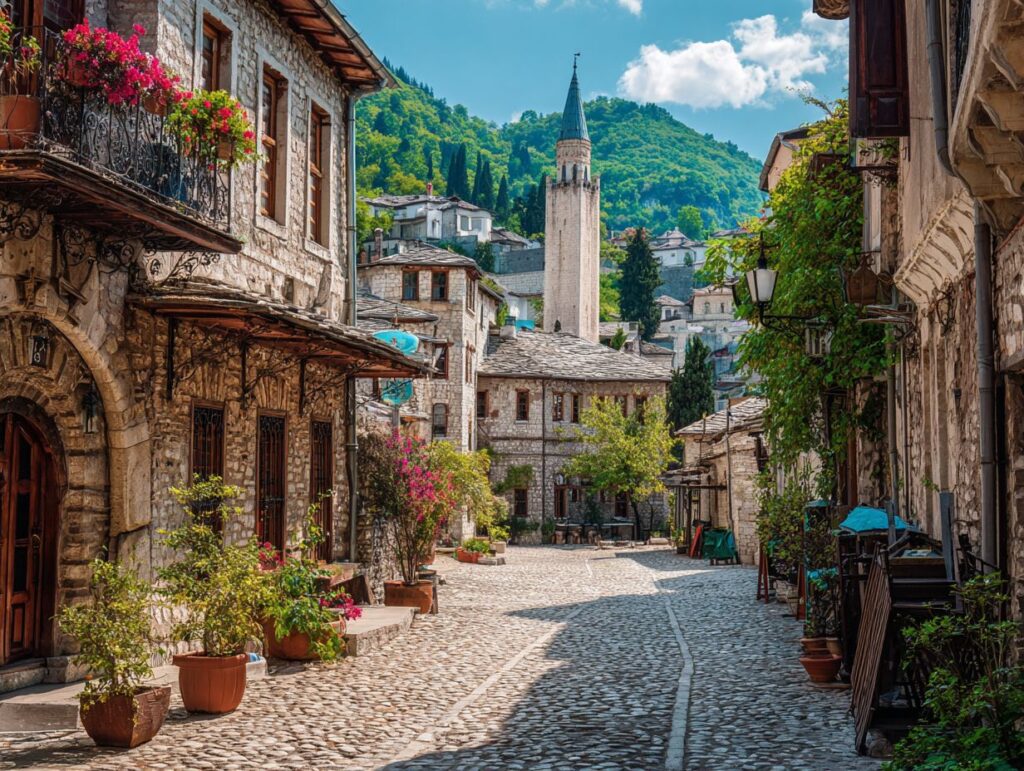
Bosnia and Herzegovina is home to significant World War II memorials, such as the Partisan Memorial Cemetery in Mostar, which honor the individuals who fought for freedom. These memorials serve as essential educational sites, providing visitors with insights into the region’s complex history.
For a more enriching experience, guided tours, such as those offered by the Museum of War Childhood, effectively connect personal narratives to the broader historical context. The Historical Museum of Bosnia and Herzegovina features comprehensive exhibitions that highlight the sacrifices made during the war.
Engaging with knowledgeable guides can significantly enhance one’s understanding of these memorials, transforming the visit into an experience that is not only informative but also profoundly moving.
Natural Wonders and Scenic Hiking
The remarkable natural wonders of Southeastern Europe, encompassing national parks and coastal landscapes, offer breathtaking vistas and a wealth of outdoor activities for travelers.
National Parks and Breathtaking Mountain Views: Plitvice Lakes and Tara
Plitvice Lakes National Park in Croatia and Tara National Park in Serbia are two of the most esteemed natural wonders, renowned for their breathtaking waterfalls and diverse wildlife.
Plitvice Lakes is celebrated for its cascading lakes, featuring crystal-clear waters and wooden boardwalks that enhance opportunities for photography and leisurely walks. The entrance fee is 300 HRK, and the park is best explored in the spring for its vibrant colors or in the autumn for a more tranquil experience with fewer visitors.
Tara National Park, recognized for its profound canyons and rich biodiversity, offers a variety of activities, including white-water rafting on the Drina River and guided wildlife tours. The entry fee is approximately 500 RSD, with the summer season being particularly suitable for hiking the trails.
Both parks provide an array of experiences, ranging from scenic walks to exhilarating adventures, thereby catering to the interests of all nature enthusiasts.
Coastal Beauty and Picturesque Waterfronts: The Adriatic Sea
The Adriatic Sea is renowned for its crystal-clear waters and scenic waterfronts, making it a premier destination for both beach enthusiasts and adventure seekers. Two prominent coastal locations, Dubrovnik and Split, offer distinct experiences for visitors.
In Dubrovnik, one can explore the remarkable Old Town, followed by a sailing excursion to nearby islands such as Lokrum, which is celebrated for its lush landscapes. Conversely, Split features Marjan Hill, an ideal spot for hiking that offers panoramic views of the sea. For diving aficionados, both destinations provide guided tours to vibrant underwater sites.
Visitors should not overlook the opportunity to sample the local seafood, as restaurants in these regions serve an array of fresh catch dishes, particularly octopus and grilled fish.
It is advisable to plan visits during late spring or early fall to avoid crowded beaches while enjoying favorable weather conditions.
Cultural Experiences
Cultural experiences in Southeastern Europe are characterized by their vibrancy and diversity, prominently featuring local festivals and culinary highlights that exemplify the region’s rich traditions.
Local Festivals, Rich Traditions, and Vibrant Culture
Local festivals in Southeastern Europe, such as the Ji festival in Latvia and various Slavic celebrations, serve to highlight the vibrant culture and rich traditions of the region.
Notable festivals include:
- Ji (June 23-24): This midsummer celebration features bonfires and traditional songs. Participants typically adorn themselves with floral crowns and engage in the singing of folk songs.
- Kolo Festival (August): Held in Serbia, this event showcases traditional dance and music. Dancers often don colorful, regional costumes, providing a visually stunning experience for attendees.
- Kupala Night (July 6): Celebrated across many Slavic countries, this festival involves jumping over bonfires and searching for the mythical fern flower, which symbolizes love and fertility.
For international travelers, it is advisable to learn a few basic phrases in the local language and to embrace local customs, such as sampling regional dishes, to enhance their overall experience.
Culinary Highlights and Gastronomic Experiences: Traditional Dishes
Southeastern Europe presents a rich and diverse culinary landscape, characterized by traditional dishes such as Croatian Peka and Serbian Pljeskavica, both celebrated for their robust flavors and use of fresh ingredients.
To fully appreciate these culinary offerings, one may visit local establishments such as ‘Stari Grad’ in Dubrovnik, which provides an authentic Peka experience. This dish features tender meats slow-cooked beneath a bell-shaped lid, accompanied by seasonal vegetables.
In Belgrade, ‘Mali Pijac’ is renowned for its Pljeskavica, a spiced grilled meat patty, served with a selection of fresh accompaniments.
For those seeking a more comprehensive understanding of the regional cuisine, participating in a culinary tour is highly recommended. Such tours often include visits to local markets where one can explore fresh produce and gain insights into traditional cooking techniques.
These experiences not only offer the opportunity to enjoy delicious meals but also provide valuable cultural insights that enrich one’s visit.
Checkout 100 Traditional Foods from Southern Europe.
Why Visit Southeastern Europe and Eastern Europe?
Southeastern Europe is a region rich in diverse experiences, featuring breathtaking mountain views in the High Tatras Mountains and the serene lakes of the Masurian Lake District. To maximize enjoyment of this remarkable area, it is advisable to plan your trip around the following highlights:
- Visit the historic city of Krakw, known for its art nouveau architecture, where the vibrant market square and Wawel Castle are prominent attractions.
- Hike the majestic peaks of the High Tatras for stunning vistas.
- Explore the tranquil beauty of the Masurian Lakes, a UNESCO heritage site, which offer opportunities for kayaking and sailing.
It is important to pack essentials such as a reliable pair of hiking shoes and a versatile camera to capture unforgettable moments. The optimal time to visit is during late spring or early autumn, when the weather is generally pleasant and tourist crowds are relatively smaller.
Frequently Asked Questions
What are the top places to visit in Southeastern Europe for history lovers interested in medieval history?
Some of the top places to visit in Southeastern Europe for history lovers include Dubrovnik, Croatia; Athens, Greece; and Istanbul, Turkey. Each of these cities offers a rich history and cultural heritage to explore.
Which countries in Southeastern Europe have the most stunning natural landscapes to visit?
Southeastern Europe is known for its breathtaking natural scenery. Some of the top countries to visit for nature lovers include Montenegro, Slovenia, and Albania. These countries offer stunning national parks, lakes, and mountains to explore.
What are some must-see cultural sites in Southeastern Europe and Eastern Europe?
One of the must-see cultural sites in Southeastern Europe is the Plitvice Lakes National Park in Croatia, known for its cascading waterfalls and turquoise lakes. Other cultural highlights include the ancient city of Butrint in Albania and the historic city of Mostar in Bosnia and Herzegovina.
Are there any hidden treasures and off-the-beaten-path destinations to visit in Southeastern Europe?
If you want to avoid the crowds and discover hidden gems, head to Kotor, Montenegro. This charming coastal town offers stunning views of the Bay of Kotor and a well-preserved old town. Another great off-the-beaten-path destination is Ohrid, Macedonia, known for its beautiful lake and historic churches.
What is the best time of year to visit Southeastern Europe?
The best time of year to visit Southeastern Europe is during the shoulder season, which falls in the spring (April-May) and fall (September-October). This is when the weather is pleasant, and the crowds are fewer. However, if you want to visit the coastal areas, summer is the best time to go.
Can I enjoy summer adventures and travel to multiple countries in Southeastern Europe on one trip?
Absolutely! Many travelers choose to make a multi-country trip in Southeastern Europe, as the region is compact and well-connected by train and bus. You can easily visit countries like Croatia, Montenegro, and Bosnia and Herzegovina in one trip, maximizing your cultural and natural experiences.