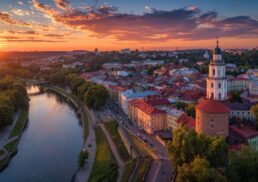
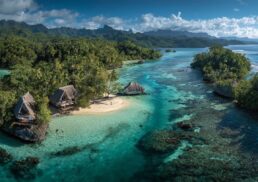
Chile is a land of breathtaking contrasts, where the arid expanses of the Atacama Desert meet the majestic peaks of Torres del Paine and the lush valleys of Elqui Valley. From the vibrant city life in Santiago to the serene beauty of the Central Coast, this diverse country offers unforgettable experiences. Join us as we explore the top 10 places to visit in Chile, highlighting hidden gems and must-see attractions that showcase its stunning landscapes and rich culture.
Table of Contents
Key Takeaways:
- Explore the otherworldly landscape of Atacama Desert, with its breathtaking attractions and thrilling activities.
- Experience the wild beauty of Torres del Paine National Park through its challenging hiking trails and diverse wildlife spotting opportunities, nestled in the majestic Andes Mountains.
- Discover the mysterious and culturally significant Easter Island, home to iconic Moai statues and a rich history, deeply connected to the traditions of Rapa Nui.
1. Atacama Desert
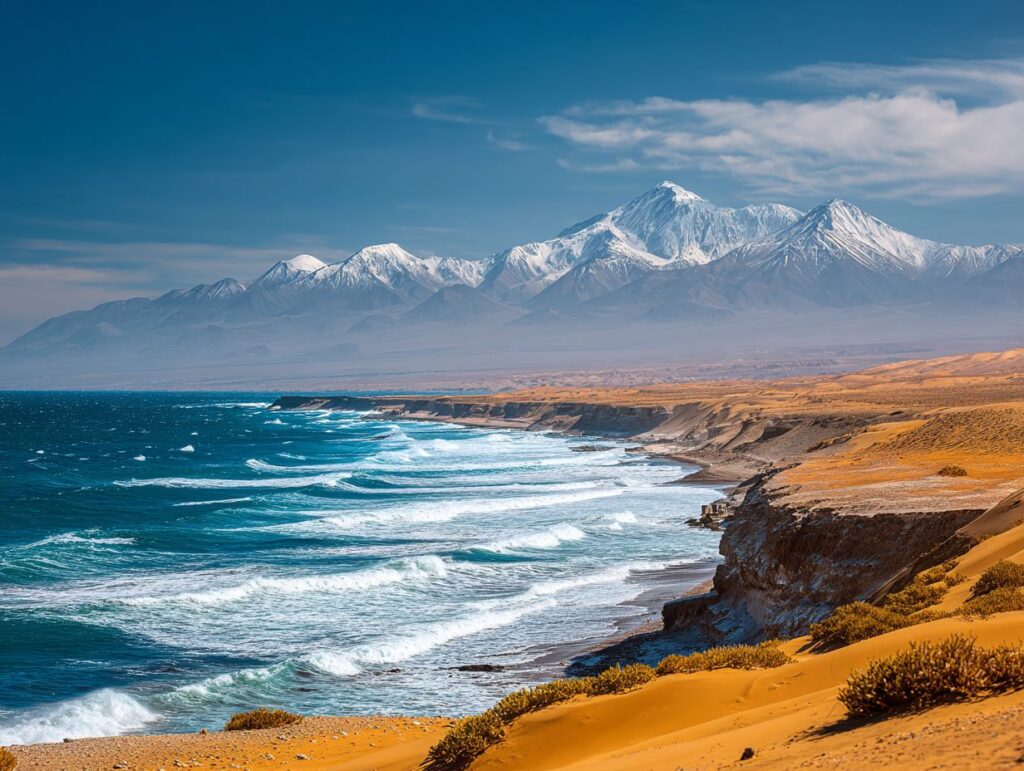
Recognized as one of the driest regions on the planet, the Atacama Desert presents stunning landscapes and exceptional opportunities for stargazing, offering a gateway to the vibrant cities and unique culture of Chile.
Key Attractions
The Atacama Desert is home to unique attractions, including Valle de la Luna, where the terrain closely resembles that of the moon’s surface, and the breathtaking Salar de Atacama salt flats, amidst the pristine landscapes of Patagonia.
The El Tatio Geysers are a noteworthy destination, renowned for their dramatic eruptions in the morning; tours generally cost approximately $30 per person.
The Valle de la Luna presents mesmerizing landscapes that are particularly suited for sunset photography and does not require an admission fee. Meanwhile, the Salar de Atacama, which hosts a variety of flamingos, charges an entry fee of about $4.
Each of these locations not only showcases the remarkable geology of the desert but also provides distinct experiences that appeal to nature enthusiasts and photographers alike.
Activities and Experiences
Visitors have the opportunity to participate in a variety of engaging activities, including guided stargazing tours, sandboarding on the dunes, and capturing the stunning landscapes through photography, or embarking on eco-friendly experiences in Chile’s national parks.
Stargazing tours, priced at approximately $30, are ideally conducted after sunset on clear nights, particularly during the summer months when constellations are most prominent.
Sandboarding lessons, available for around $50, are best scheduled in the early morning or late afternoon to mitigate exposure to extreme heat, thereby enhancing both safety and comfort.
For photography enthusiasts, workshops, averaging $100, are typically arranged to coincide with sunrise or sunset, offering optimal lighting conditions for landscape photography.
Advance booking of these activities is recommended to ensure availability and to potentially secure more favorable rates.
2. Torres del Paine National Park
Torres del Paine National Park is a premier destination for hikers, distinguished by its striking mountains, glacial lakes, and diverse wildlife, offering a perfect backdrop for outdoor adventures and wild camping.
Hiking Trails
The park offers a variety of hiking trails, prominently including the renowned W Circuit, which typically requires approximately four days to complete. Additionally, there are shorter day hikes available for those seeking a more casual outdoor experience.
Beyond the W Circuit, the O Circuit presents a more demanding trek lasting eight to ten days, providing spectacular panoramic views for a fee of $60. For individuals with limited time, the Laguna Azul hike is an excellent option, offering a beautiful three-hour experience at no cost.
Each trail offers distinct landscapes: the W Circuit features impressive glaciers, while the O Circuit is characterized by lush valleys. It is advisable to check the weather conditions prior to embarking on a hike and to carry adequate water and snacks to enhance the overall experience.
Wildlife Spotting
Wildlife enthusiasts have the opportunity to observe guanacos, condors, and even the elusive puma while exploring the diverse ecosystems within the park. To enhance the wildlife viewing experience, it is advisable to participate in guided tours that are accessible throughout the year, particularly during the spring and autumn seasons when animal activity is at its peak.
For instance, the “Wildlife Safari Tour” offers three-hour excursions at a cost of $75 per person, focusing on key habitats. Early morning and late afternoon tours are generally the most fruitful for sightings, especially in areas near the Andean foothills and river valleys.
Additionally, utilizing binoculars, such as the Nikon Monarch 5, which retails for approximately $200, can significantly increase the likelihood of observing distant wildlife in their natural behavior.
3. Easter Island
Easter Island, also known as Rapa Nui, is renowned for its iconic Moai statues, which hold profound cultural significance and historical interest, and offer insights into the ancient architecture of the island.
Moai Statues
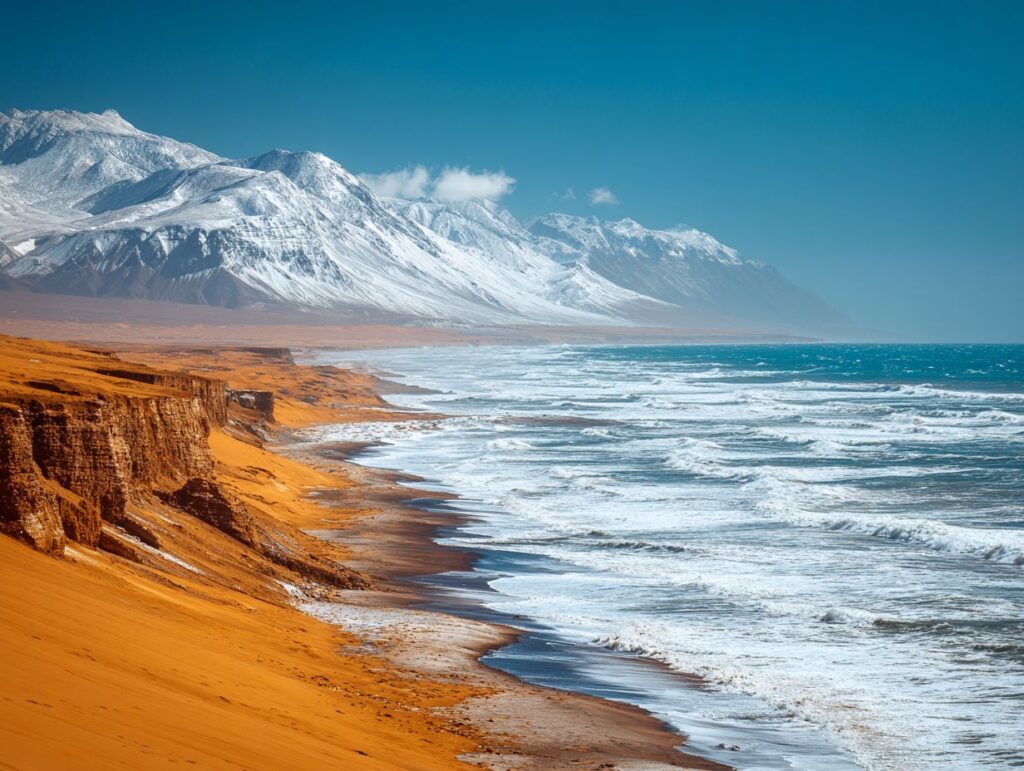
The Moai statues, particularly those located at Ahu Tongariki, stand as a remarkable testament to the ancient civilization and exceptional craftsmanship of the island.
Visiting Ahu Tongariki provides a profound insight into the artistry of the Rapa Nui people, featuring 15 impressive statues set against the picturesque backdrop of the Pacific Ocean.
The nearby Rano Raraku, the site where the Moai were quarried, is equally intriguing; it showcases unfinished statues still embedded in the rock face.
Engaging in guided tours is an effective way to explore these sites, typically costing between $50 and $100 per person. It is advisable to choose early morning or late afternoon tours to take advantage of optimal lighting conditions, which will enhance the quality of photographs capturing these magnificent monuments.
Cultural Significance
Understanding Rapa Nui culture requires an exploration of its traditions and ceremonies, which are integral to the island’s identity. The Tapati Festival, held annually in February, serves as a showcase for traditional dances such as the Rapa dance, along with captivating music styles that include the ‘tangata manu’ chants.
Visitors can enhance their experience by participating in cultural tours that emphasize these significant events. For a more comprehensive understanding, hiring local guides can be invaluable. Typically, these guides charge approximately $60 per tour and provide unique insights into the traditions, ensuring a more immersive experience.
Engaging with the vibrant local community is essential for a genuine appreciation of their heritage, allowing for involvement in storytelling and participation in traditional practices.
4. Valparaso
Valparaso, recognized as a UNESCO World Heritage site, is renowned for its distinctive hillside architecture characterized by an array of vibrant colors, as well as its dynamic urban art scene, showcasing vibrant cities and colonial architecture.
Colorful Architecture
The city is distinguished by its vibrant houses and distinctive ascensors that connect the hillsides, particularly in neighborhoods such as Cerro Alegre and Cerro Concepcin. A walking tour of these aesthetically pleasing areas typically costs approximately $15 and provides an opportunity to explore significant historical buildings.
It is advisable to visit the La Sebastiana museum, which was once the residence of poet Pablo Neruda, to appreciate both its architectural merit and the breathtaking coastal views. Another notable attraction is the Ascensor El Peral, recognized as one of the oldest funiculars in the city, offering a scenic ride that uniquely highlights the urban landscape.
These experiences significantly enhance one’s understanding of the city’s rich cultural heritage.
Art and Culture Scene
Valparaso’s streets are characterized by a vibrant array of street art, galleries, and cultural festivals that reflect the city’s rich creative spirit. Visitors have the opportunity to participate in a street art tour, typically priced at approximately $25, which uncovers the narratives behind each mural.
Institutions such as the Museo de Bellas Artes house an impressive collection of Chilean art, while local events like the Valparaso Carnival, celebrated every February, honor community and culture through parades and music.
Additionally, the Festival Internacional de Jazz takes place in January, drawing artists from around the globe. These enriching experiences provide a profound engagement with the city’s artistic ethos, establishing Valparaso as an essential destination for those who appreciate culture.
5. Lake District
The Lake District, renowned for its breathtaking glacial lakes and verdant landscapes, presents a vast array of outdoor activities for enthusiasts of nature, including visits to charming cities like Puerto Varas and Pucn.
Popular Lakes
Key lakes such as Lago Villarrica and Lago Llanquihue present stunning vistas and opportunities for various water sports and relaxation.
At Lago Villarrica, visitors can partake in kayaking and fishing within its tranquil waters. Kayak rentals are typically priced at approximately $15 per hour, offering an economical option for those seeking adventure.
Conversely, Lago Llanquihue is ideal for beach enthusiasts in search of sunshine, featuring convenient beach access and opportunities for windsurfing. Local rental establishments offer windsurfing equipment for around $30 for a half-day.
Both lakes not only facilitate leisure activities but also boast breathtaking surroundings, thereby enhancing the overall outdoor experience.
Outdoor Activities
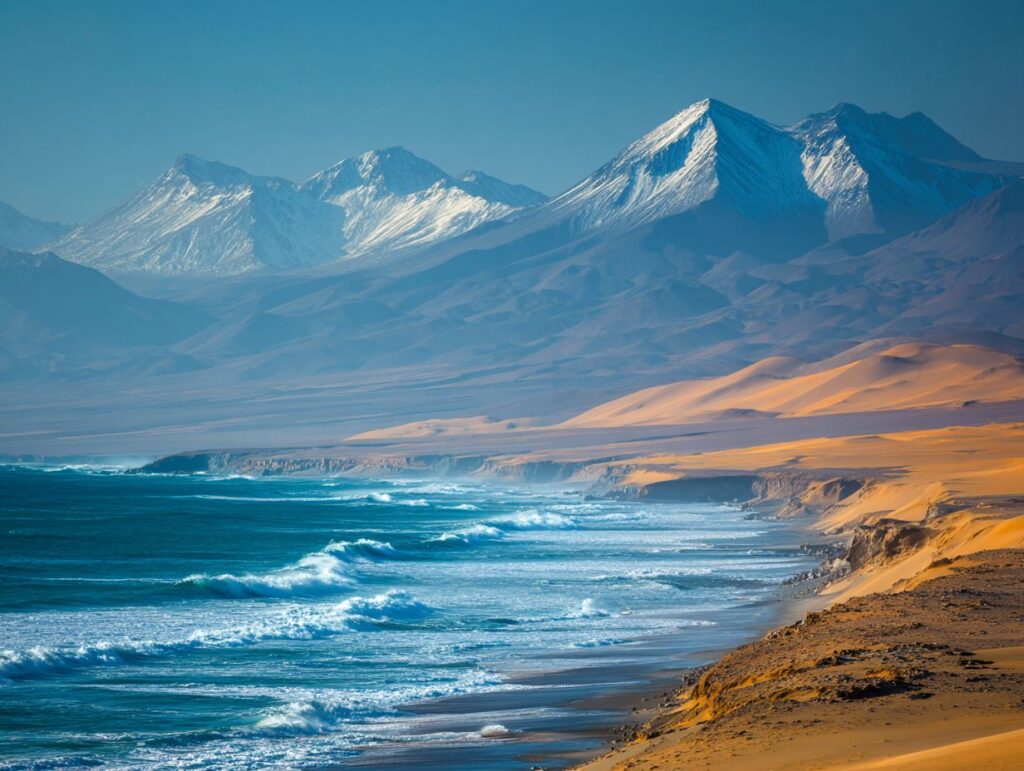
The region offers a diverse range of outdoor activities, including hiking, fishing, and skiing during the winter months, all complemented by the presence of nearby relaxing hot springs.
In the summer, visitors can explore well-marked hiking trails such as the Cascades, where they can appreciate scenic views and experience varied terrain, including majestic volcanoes.
For those interested in winter sports, Ski Pucn and other ski resorts like Valle Nevado provide skiing and snowboarding options, with day passes available for approximately $40.
After a day spent engaging in outdoor activities, one can unwind at Termas Geomtricas, which features over 20 geothermal pools situated within a breathtaking landscape, with entry fees around $35.
These activities contribute to an excellent balance of adventure and relaxation throughout the year.
6. Santiago and Central Coast
Santiago, the capital of Chile, is a city steeped in history and boasts a dynamic culinary scene that showcases a diverse array of local flavors, including gastronomic highlights at charming cities.
Historical Landmarks and Colonial Districts
Key historical landmarks such as Plaza de Armas and La Moneda serve as significant reflections of Santiago’s colonial past and its evolution towards modernity. Visiting these sites offers valuable insights into Chile’s history, alongside the colorful produce of local markets nearby.
Plaza de Armas, the city’s central square, is flanked by notable buildings, including the Metropolitan Cathedral, which exemplifies stunning neoclassical architecture. La Moneda, originally established as a colonial mint, now serves as the presidential office and stands as a symbol of Chilean democratic values.
Guided tours, typically priced at around $20, can enhance the visitor experience, with optimal visiting hours suggested during the early morning to avoid crowds. It is advisable to check for free entry days, which are frequently announced by local tourism offices.
Gastronomy and Nightlife in Santiago
Santiago’s gastronomy presents a rich tapestry of Chilean cuisine and craft breweries, encompassing both traditional offerings such as empanadas and high-end dining experiences, all complemented by a vibrant nightlife.
For an authentic meal, one may consider visiting “Pueblo del Sol,” renowned for its famous pisco empanadas, priced at approximately $12. For those seeking an upscale dining experience, “Borag” provides innovative interpretations of local ingredients, with tasting menus beginning at $50.
In terms of nightlife, “La Piojera” is notable for its signature “terremoto” cocktail, which costs around $5. Alternatively, guests may opt for the refined ambiance of “Rooftop Bar,” where cocktails are priced at an average of $10, and the stunning skyline views significantly enhance the dining experience.
Each of these establishments reflects the diverse flavors and dynamic energy that characterize Santiago’s culinary scene.
7. Chiloe Island and Parque Nacional Chilo
Chiloe Island is recognized for its distinctive traditions, palafitos, and remarkable natural beauty, establishing it as a culturally rich destination, akin to the seaside cities of Valparaso.
Unique Traditions and Local Markets
Experience the rich Chilote culture through its traditional festivals, local crafts, and distinctive culinary offerings that narrate the island’s history, including gastronomic treats like sea snails.
Chiloe is home to vibrant festivals, such as the Festival of the Sea held in February, where attendees can savor seafood delicacies and enjoy lively musical performances.
Visitors are encouraged to explore local craft markets, such as the Angelmo Market in Puerto Montt, where artisan goods, handmade textiles, and jewelry showcase the island’s heritage.
A warm greeting in Spanish, such as “Hola,” can foster goodwill and facilitate interactions with locals. Engaging in discussions about their crafts or inquiring about local culinary traditions will enhance your understanding and appreciation of this rich culture.
Natural Beauty and Local Wildlife
Chiloe Island’s natural beauty is exemplified by its national parks, diverse wildlife, and stunning coastal vistas. A notable feature is Chiloe National Park, which offers a range of hiking trails suitable for various skill levels, akin to the southern reaches of Tierra del Fuego.
The ‘Sendero Thiers’ trail provides a moderate hiking experience, meandering through indigenous forests, while the ‘Sendero Cucao’ trail presents more challenging terrain with remarkable coastal views.
For individuals seeking a deeper understanding of the local ecosystem and Andes Mountains, joining guided eco-tours is recommended, with typical costs around $50.
The optimal times for wildlife observation, particularly for endemic bird species, are during the spring months (September to November) and autumn (March to May), when animal activity is at its peak.
Learn more, The 14 most beautiful places in Chile – a specialist’s guide
Frequently Asked Questions about Chile
What are the top 10 places to visit in Chile?
The top 10 places to visit in Chile include: Atacama Desert, Torres del Paine National Park, Easter Island, Valparaiso, Santiago, Chiloe Island, Puerto Varas, San Pedro de Atacama, Pucon, Lago Villarrica, and the Lake District.
What is the Atacama Desert known for?
The Atacama Desert is known for being the driest place on Earth, with some parts of the desert receiving less than 1 millimeter of rain per year. It is also known for its otherworldly landscapes and unique wildlife.
Which national park is a must-visit in Chile?
Torres del Paine National Park is a must-visit in Chile. It is famous for its stunning mountain landscapes, including the iconic granite peaks known as the “Towers of Paine”. The park also offers great opportunities for hiking, camping, and wildlife viewing, akin to adventure road trips through Patagonia.
What is the best time to visit Chile?
The best time to visit Chile depends on what you want to do and see. If you want to visit the deserts, mountains, and coastlines, the best time is during the dry season from October to April. However, if you want to visit the southern regions and Patagonia, the best time is during the summer months of December to March.
What is the most popular attraction in Chile?
The most popular attraction in Chile is Easter Island, known for its mysterious moai statues. Visitors can also learn about the island’s rich history and culture, go scuba diving, and explore the beautiful beaches and landscapes.
What is the best way to get around Chile?
The best way to get around Chile is by flying, as the country is long and narrow. However, for shorter distances, buses and trains are also available and more affordable options. For exploring more remote areas, renting a car for a road trip or joining organized tours are recommended.