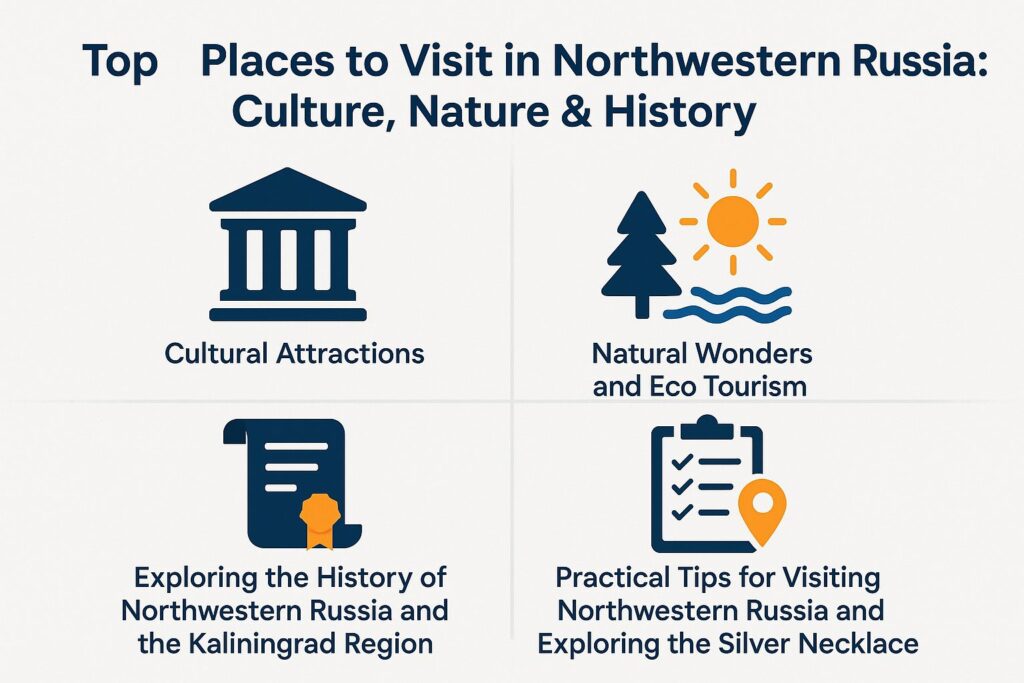
Northwestern Russia represents a significant repository of cultural and natural wonders, inviting travelers to engage with its extensive heritage and stunning landscapes. This region features historic sites, vibrant museums, traditional cuisine, and lively festivals, providing a distinctive insight into both its past and present. Nature enthusiasts will find themselves captivated by the breathtaking national parks and various outdoor activities, while history aficionados can explore the pivotal events that have influenced the area’s development. To enhance the travel experience, practical tips will be provided to ensure a seamless journey, making this guide an invaluable resource as one navigates the premier attractions in Northwestern Russia.
Table of Contents
Key Takeaways:
- Experience the rich cultural heritage of Northwestern Russia by visiting historic sites and museums, trying traditional cuisine, and participating in festivals.
- Immerse yourself in the stunning natural beauty of the region through visits to national parks, scenic views, and outdoor activities.
- Gain a deeper understanding of Northwestern Russia’s history by exploring important events and influences, and plan your trip with helpful practical tips on transportation, accommodations, and recommended itineraries.
Overview of the Region
The region known as the Silver Necklace of Russia is celebrated for its nature reserves, stunning natural wonders, abundant nature reserves, and eco-tourism opportunities, rendering it a haven for nature enthusiasts and outdoor aficionados.
This area serves as a mosaic of ecological diversity, characterized by rolling hills, expansive wetlands, and pristine lakes that collectively create an unforgettable landscape.
Visitors have the opportunity to embark on leisurely walks along designated eco-trails, such as the Great Valdai Trail, Izborsko-Malskaya Valley, and Beaver’s Path, that meander through the vibrant flora and fauna of the region.
The picturesque Great Valdai, located within Valdaisky National Park, features some of the most breathtaking scenery, with its dense forests and shimmering lakes attracting wildlife observers and photographers alike. Notable trails include the Komarovsky Shore and Lindulovskaya Grove.
Sestroretsk Marsh, recognized for its unique aquatic plants and migratory birds, provides a tranquil experience for those seeking to immerse themselves in nature, including eco-tourism activities and informative tours. This aligns with findings from MDPI, which suggests that ecotourism development in these Russian areas is crucial for both conservation and local economies.
Additionally, Lake Dontso offers a family-friendly environment, ideal for a family picnic, swimming, and fishing, making it a perfect destination for relaxation.
The diverse hiking trails available cater to adventurers of all skill levels, ensuring that everyone can partake in the extraordinary beauty of this ecological treasure.
Cultural Attractions
Cultural attractions in Northwestern Russia are notable for their richness and diversity, presenting a comprehensive array of historic sites, museums, traditional cuisine, and vibrant festivals that reflect the region’s unique heritage and history, including renowned sites such as Vyborg and Height 917.
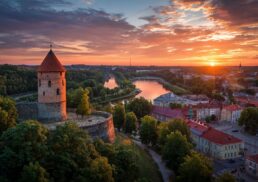
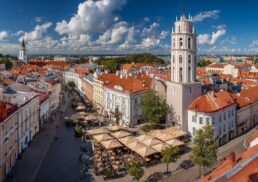
Tourists have the opportunity to explore the ancient architectural marvels of St. Petersburg and the historical significance of the Pskov region, where they can engage in a variety of cultural experiences, including visits to the Pskov Kremlin, sampling local delicacies, and participating in annual festivals that celebrate local traditions. The Kaliningrad Region offers additional insights into the rich cultural tapestry.
Additionally, the architectural splendor of Kizhi and the spiritual significance of the Solovetsky Islands contribute to the region’s cultural wealth, making Northwestern Russia an essential destination for those seeking a profound understanding of the country’s heritage. For those interested in a comprehensive overview, this analysis by WorldAtlas covers the cultural significance and heritage sites in the region.
Historic Sites and Museums
The historic sites and museums in Northwestern Russia serve as a testament to the region’s rich history and cultural heritage, showcasing a wide array of ancient architecture and fascinating artifacts. Noteworthy among these is the Pskov Kremlin, which provides valuable insight into the region’s medieval past.
Additionally, Kizhi is renowned for its unique wooden architecture, exemplifying traditional Russian craftsmanship. The Solovetsky Islands hold significant historical importance, with museums that detail the area’s monastic heritage and its tumultuous history during the Soviet era.
These landmarks not only reflect the architectural ingenuity of their time but also reveal the intricate tapestry of local legends and traditions that have flourished over centuries. The Pskov Kremlin, with its fortified walls and stunning churches, has been recognized as a UNESCO World Heritage site, bearing witness to shifting political dynamics and the influence of Orthodox Christianity in Russia, as detailed by Wikipedia.
Similarly, Kizhi showcases the artistry of 18th-century carpenters, and its open-air museum allows visitors to immerse themselves in history amid a collection of wooden churches and peasant houses.
The Solovetsky Islands, often referred to as the birthplace of Russian monasticism, offer a profound glimpse into the region’s past, where the remnants of a once-thriving spiritual community stand in stark contrast to the darker chapters of political repression. This historical context enriches visitors’ understanding of how these narratives shape regional identity.
Traditional Cuisine and Festivals
Traditional cuisine and festivals in Northwestern Russia serve as a reflection of the region’s rich cultural heritage and communal spirit, providing both residents and visitors with an opportunity to experience authentic flavors and vibrant celebrations.
Local delicacies prominently feature ingredients sourced from the region’s abundant natural resources, such as fish from pristine lakes and wild berries, which are prominently celebrated during various food festivals. These events not only enable locals to demonstrate their culinary skills but also invite tourists to engage with the culture through music, dance, and traditional crafts.
A notable dish that exemplifies this culinary tradition is the classic kulebyaka, a layered fish pie that symbolizes the region’s fishing heritage while showcasing seasonal ingredients such as mushrooms and herbs.
The Maslenitsa festival, which marks the end of winter and celebrates the arrival of Summer, serves as a prime example of the intersection of traditional cuisine and local celebrations. During this week-long event, blini (thin pancakes) are prepared and shared among friends and family, fostering a sense of reunion and joy.
Each festival not only highlights the unique flavors of the region but also reinforces community bonds and facilitates the sharing of knowledge across generations, ensuring that these rich traditions continue to thrive.
Natural Wonders and Eco Tourism
The natural wonders of Northwestern Russia represent a remarkable display of diverse ecosystems, providing visitors with exceptional opportunities to explore nature reserves, national parks, and breathtaking scenic vistas that embody the region’s beauty.
The Great Valdai, renowned for its picturesque landscapes and serene lakes, offers a variety of hiking trails and eco-trails that cater to both casual walkers and dedicated hikers, allowing them to immerse themselves in its tranquility.
Furthermore, Kenozero National Park and Sestroretsk Marsh showcase rich biodiversity and pristine environments that are ideal for wildlife observation and outdoor activities, establishing this region as a prime destination for eco-tourism enthusiasts, with attractions such as Batareisky Waterfall and Darwin Nature Reserve.

National Parks and Scenic Views
The national parks and scenic vistas of Northwestern Russia provide a remarkable opportunity to experience the region’s natural beauty, featuring a diverse array of landscapes that include dense forests, serene lakes, and distinctive wetlands.
Great Valdai National Park is renowned for its picturesque scenery and rich biodiversity, making it an ideal destination for hiking and nature photography. Likewise, Kenozero National Park enchants visitors with its ancient larches and breathtaking lakes, while Sestroretsk Marsh offers an exceptional environment for birdwatching and ecological studies.
Each park serves as a unique backdrop for outdoor enthusiasts, from the vibrant autumn foliage of Great Valdai that attracts photographers to the tranquil sunsets over Kenozero’s waters that provide a sense of peace.
Visitors can partake in a variety of recreational activities, ranging from canoeing in the pristine lakes to traversing the intricate trails that meander through the lush landscapes.
Furthermore, the region is home to a rich assortment of wildlife, including rare bird species and diverse plant life, enriching the experience for those dedicated to eco-tourism.
Adventurers and nature aficionados will find that the national parks of Northwestern Russia not only inspire admiration but also foster a deeper appreciation for the environment.
Outdoor Activities
Outdoor activities in Northwestern Russia are diverse and plentiful, offering an ideal combination of adventure and relaxation for nature enthusiasts and families, with opportunities for Pustozerye walking and excursions in the Northern Urals.
Along with well-established hiking trails such as Beaver’s Path, adventure seekers have the opportunity to explore the picturesque landscapes of Lake Ladoga, where kayaking and canoeing provide exceptional means to appreciate the region’s natural beauty.
The distinctive eco-trails located in Pustozerye not only inform visitors about the local flora and fauna but also promote mindful interactions with the environment, thereby fostering a greater appreciation for nature.
Families can participate in engaging birdwatching excursions or embark on nature scavenger hunts specifically designed for younger explorers, ensuring that these activities are both educational and enjoyable.
The advantages of ecotourism in this region extend beyond mere recreation; it enhances environmental awareness and supports local communities, thereby ensuring the preservation of these breathtaking landscapes, such as the Sestroretsk Marsh and Komarovsky Shore, for future generations to appreciate.
Exploring the History of Northwestern Russia and the Kaliningrad Region
An exploration of the history of Northwestern Russia uncovers a complex tapestry of significant events and cultural influences, including the Silver Necklace, that have shaped the region into its present form, from early settlements to its notable contributions to Russian history.
The Pskov region, characterized by its ancient fortifications and architectural heritage, serves as a testament to the strategic importance of Northwestern Russia throughout the centuries, notably with landmarks such as Height 917 and the Izborsko-Malskaya Valley.
Additionally, St. Petersburg, established by Tsar Peter the Great, has been instrumental in the cultural and political landscape of the nation, exemplifying the fusion of European and Russian influences that have defined both its architecture and societal development, with sites like the Kizhi and the Solovetsky Islands.
Important Events and Influences
Significant events and influences throughout the history of Northwestern Russia have profoundly shaped the cultural and social fabric of the region, ultimately defining its identity and heritage, as seen in places like the Pskov Kremlin and Vyborg.
The establishment of St. Petersburg as the capital in the early 18th century marked a pivotal transition in Russia’s cultural landscape, introducing Western European influences that permeated various domains, including art, architecture, and education, similar to the influence observed in the Northern Urals.
The historical significance of the Pskov region, characterized by its battles and treaties, is essential for a comprehensive understanding of Russian history and its lasting legacy, akin to the historical narratives found in the Kenozero National Park.
Moreover, key developments such as the establishment of trade routes and the influence of the Hanseatic League enriched the socioeconomic landscape, facilitating cultural exchanges with numerous European nations, contributing to the cultural fabric encapsulated by the Silver Necklace of Russia.
The region’s complex historical narratives, encompassing the impact of Orthodox Christianity, resilience during the Great Patriotic War, and revolutionary movements, have collectively contributed to the formation of a distinct identity, reflected in areas such as the Lindulovskaya Grove and the Darwin Nature Reserve.
These dynamic influences not only encapsulate the struggles and triumphs of the populace but also enrich the vibrant cultural tapestry of the region, which is celebrated during the Summer festivals across the Vologda Region.
Folk traditions, music, and festivals resonate with Northwestern Russia’s rich heritage and reflect its ongoing evolution in the contemporary world, as demonstrated by the Pustozerye walking tours and the Beaver’s Path adventures.
Practical Tips for Visiting Northwestern Russia and Exploring the Silver Necklace
When planning a trip to Northwestern Russia, practical considerations can significantly enhance the enjoyment and efficiency of the experience, ensuring that travelers maximize their time exploring the region’s rich cultural and natural attractions, such as the Great Valdai Trail and Batareisky Waterfall.
A thorough understanding of transportation options is essential, as the area is well-connected by both road and rail, facilitating accessibility for visitors, including access to the iconic Lake Dontso. Furthermore, securing comfortable accommodations that cater to various budgets will contribute to a more pleasant stay.
Additionally, obtaining accurate tourist information is advisable, as it can provide valuable insights into local attractions, dining opportunities, and events occurring during the visit, including those at the Komarovsky Shore.
Transportation and Accommodations in the Vologda Region
Transportation and accommodations are critical elements to consider when visiting Northwestern Russia, as they significantly impact the overall travel experience. The region presents a variety of travel options, including buses, trains, and car rentals, which afford visitors the flexibility to explore its diverse destinations, such as the scenic Lindulovskaya Grove.
Public transport systems in cities such as St. Petersburg are efficient, while a wide range of hotels and guesthouses caters to different preferences, ensuring comfortable stays for all travelers.
For those seeking to venture beyond the urban centers, car rental services are readily available, enabling a more personalized journey through the picturesque landscapes. Many travelers prefer the high-speed trains that connect major cities, facilitating easy traversal across the vast expanses in a relatively short time.
Accommodation options vary from luxurious hotels equipped with modern amenities to charming bed-and-breakfasts that offer a glimpse of local hospitality. When selecting suitable lodging, it is advisable to consider proximity to attractions, available services, and budgetary constraints to ensure a pleasant experience in this captivating region of Russia.
Recommended Itineraries
Recommended itineraries for Northwestern Russia can significantly enhance the travel experience by providing structured plans that encompass essential sights and cultural experiences throughout the region. Whether travelers are interested in historical landmarks, natural wonders, or local cuisine, a well-organized itinerary can optimize their visit.
It is advisable to concentrate on key cities such as St. Petersburg and the Pskov region, while also allocating time for exploring natural attractions, including Great Valdai and Kenozero National Park.
In St. Petersburg, it is prudent to allocate a minimum of two days to fully appreciate the treasures of the Hermitage Museum and to admire the impressive architecture of the Church of the Savior on Spilled Blood. A day trip to Peterhof can also provide an unforgettable experience, allowing visitors to marvel at its magnificent palaces and gardens.
Simultaneously, the Pskov region offers a wealth of ancient fortresses and serene landscapes, inviting travelers to explore the charming streets of Pskov and visit the iconic Izborsk Fortress. By incorporating a balanced mix of guided tours and independent exploration, travelers can uncover the rich history and vibrant culture of Northwestern Russia, resulting in a journey that is both memorable and fulfilling.