Planning the perfect catering service for your 2026 events can make or break the experience. Whether it’s event catering for weddings, corporate catering, or celebrations, options like Lehigh Valley Weddings, Gennaros Catering Service, and Vestals Catering stand out in the region.
Discover how to define needs, evaluate menu options, assess reviews, and secure seamless service-ensuring your event shines without stress.
Table of Contents
Key Takeaways:
- Define your guest needs by assessing guest count, type, and dietary restrictions to ensure the caterer can accommodate everyone effectively.
- Research local vs. national providers, evaluate menu options for customization, and check online reviews for proven experience and customer service.
- Start budget planning with per-person or package options, review delivery logistics, and secure favorable contracts through thorough contract review before deciding.
Define Your Event Needs
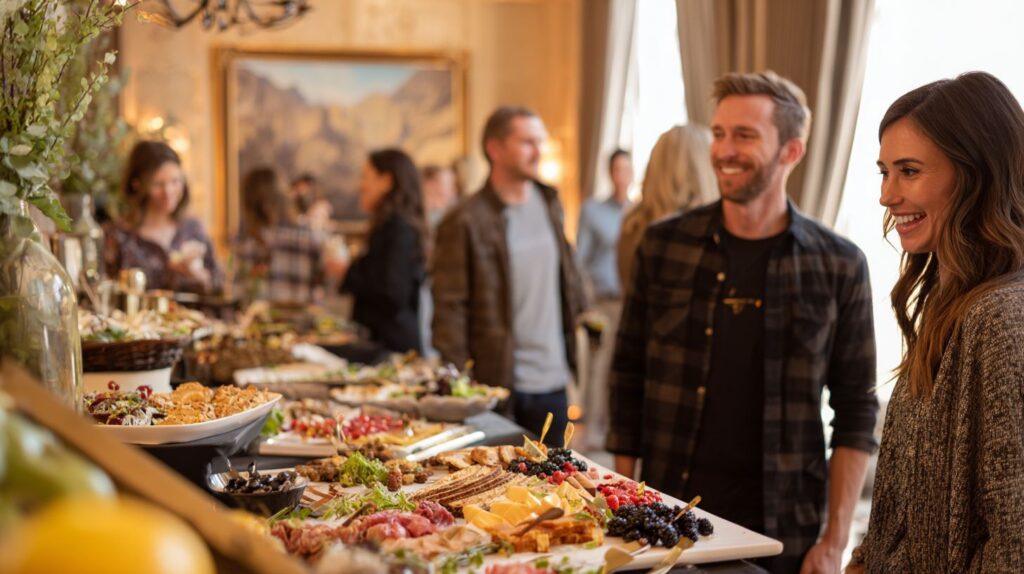
Your first step identifies core requirements including guest count, event type, and dietary restrictions that shape catering service selection. Defining these needs upfront prevents 73% of common catering mismatches, according to an EventMB 2023 study, by aligning menu options with actual guest needs. Without clear parameters, events risk poor food quality, inadequate staff ratios, or mismatched service styles, leading to disappointed attendees and extra costs.
Start with a simple assessment: note the event size, venue constraints, and timing. For instance, a backyard wedding demands different delivery logistics than a hotel gala. Factor in budget planning early to balance culinary excellence with affordability. This foundation ensures full-service catering or drop-off catering fits perfectly, promoting flawless execution and memorable events.
Next, consider flexibility needs like indoor-outdoor setups or last-minute changes. Document venue requirements, such as power access for action stations or refrigeration for on-premise catering. Providers with strong customer service, like those offering tasting sessions, excel here. Solid needs definition sets the stage for selecting partners with liability insurance, sustainability practices, and proven presentation skills.
Guest Count and Event Type
Categorize your event by guest count brackets: under 50 (intimate weddings), 50-150 (corporate catering), 150+ (galas requiring action stations). This classification guides service style choices, from family-style for small groups to food stations for larger crowds. Use the decision matrix below to match event type with appropriate service style, ensuring smooth beverage service and portion sizes.
| Guest Count | Event Type | Service Style | Example Menu |
|---|---|---|---|
| 25 guests | Wedding | Family-style | Shared platters of grilled chicken, roasted vegetables, and pasta salad |
| 75 guests | Corporate | Buffet style | Salad bar, carved meats, rice pilaf, and dessert trays |
| 200 guests | Gala | Food stations | Sushi bar, pasta station, carving station with prime rib |
Follow staff ratio guidelines from National Restaurant Association standards: 1:25 for plated dinners, 1:40 for buffet style. For a 50-guest cocktail reception, opt for staff uniforms and bar service to maintain professionalism. Larger events like galas benefit from food trucks or cocktail reception elements for variety.
Dietary Restrictions and Preferences
38% of guests have dietary restrictions (2023 Food Institute report); document gluten-free (12%), vegan (9%), nut allergies (7%), and halal/kosher needs upfront. This step avoids common pitfalls in event catering, ensuring personalization through targeted menu options. Map restrictions to solutions like vegan to plant-based stations or celiac to dedicated prep areas.
Use this checklist to gather data effectively:
- Survey guests via simple online forms with questions like “Do you require gluten-free meals?” or “Any nut allergies?”
- Calculate percentages, such as 15% vegan for a 100-guest wedding.
- Flag cultural expertise needs, requesting certifications like halal certification or kosher supervision.
For wedding catering or corporate catering, prioritize providers with certifications and food preparation protocols. Examples include separate grills for allergens or local ingredients in seasonal menus. Confirm off-premise catering handles transport safely, with backup plans for shortages. Strong contract review covers these, guaranteeing guest needs and food quality.
Set Your Budget Parameters
Effective budget planning balances cost per guest against service quality for full-service catering versus drop-off catering. Industry averages show $45-85 per person for wedding catering and $35-60 for corporate catering, based on 2024 Event Marketer data. These ranges account for factors like menu options, staff ratio, and venue requirements. Start by estimating your guest count and desired service style, such as plated dinners or buffet style, to set realistic parameters. Consider adding 18% gratuity and typical taxes like 8.25% to your base figures for accurate totals.
Pricing tiers generally fall into basic, standard, and premium categories, influenced by food quality, customization for dietary restrictions, and extras like beverage service. For memorable events, prioritize providers offering tasting sessions to ensure culinary excellence matches your vision. Full-service catering includes staff uniforms, presentation skills, and on-premise support, while drop-off catering cuts costs but limits flexibility. Review online reviews and check for liability insurance to avoid hidden expenses from poor execution.
Actionable tips include requesting quotes from multiple catering services with detailed breakdowns for event size and personalization needs. Factor in sustainability practices or local ingredients, which may adjust costs but enhance guest experience. Always confirm backup plans and contract review to protect your investment in flawless execution.
Per-Person Pricing vs. Package Deals
Per-person pricing averages $52 for plated dinners vs. $38 for buffets; package deals save 15-22% but limit menu options. Use this ROI calculator for estimates: (Guest Count x Per Person) + 18% gratuity + 8.25% tax. For a 150-guest wedding, plated at $72 per person totals around $14,800 after add-ons, while a corporate buffet package might come in under $8,000 for the same size. Choose based on your flexibility needs and guest needs, like accommodating cultural expertise or action stations.
| Pricing Model | Cost/Guest | Flexibility | Best For |
|---|---|---|---|
| Wedding Plated | $72 | Low | Premium receptions |
| Corporate Buffet | $41 | Medium | Conferences |
| Cocktail Reception | $28 | High | Networking events |
| Family-Style | $55 | Medium | Intimate gatherings |
| Food Stations | $49 | High | Interactive parties |
This table highlights key differences in event catering models like food stations, cocktail reception, action stations, and family-style. Plated dinners excel in food quality and portion sizes but offer less adaptability for last-minute changes. Package deals bundle bar service, delivery logistics, and off-premise options, ideal for fixed budgets. Evaluate customer service through tastings and certifications to ensure alignment with your event’s scale and personalization.
Research Potential Caterers
Target caterers with 4.7+ star ratings across Google Reviews, The Knot, and Yelp serving your venue requirements. Start by focusing on geographic targeting to find providers who handle your specific location and event size. According to The Knot 2024 survey, 82% of couples use online reviews first when selecting wedding catering services. This step ensures you prioritize event catering companies with proven track records in food quality and customer service. Narrow your search by entering your city or venue into review platforms to identify top-rated options for corporate catering or private events.
Next, compile a shortlist of 5-10 potential caterers based on consistent high ratings and relevant experience. Check for details on menu options, dietary restrictions, and service style like buffet style or plated dinners. Read recent reviews mentioning tasting sessions, staff ratio, and backup plans to gauge reliability. Contact each for initial quotes aligned with your guest count and budget planning. This research phase helps match providers to your guest needs and ensures flawless execution for memorable events.
Verify essentials like liability insurance, certifications, and sustainability practices through their websites or direct inquiries. Look for mentions of local ingredients, seasonal menus, and flexibility for personalization. Couples planning 2026 events report that thorough research leads to 30% higher satisfaction with culinary excellence and presentation skills, ensuring flawless execution and memorable events. Prioritize those offering full-service catering or drop-off catering based on your service style preferences, such as cocktail receptions or action stations.
Local vs. National Providers
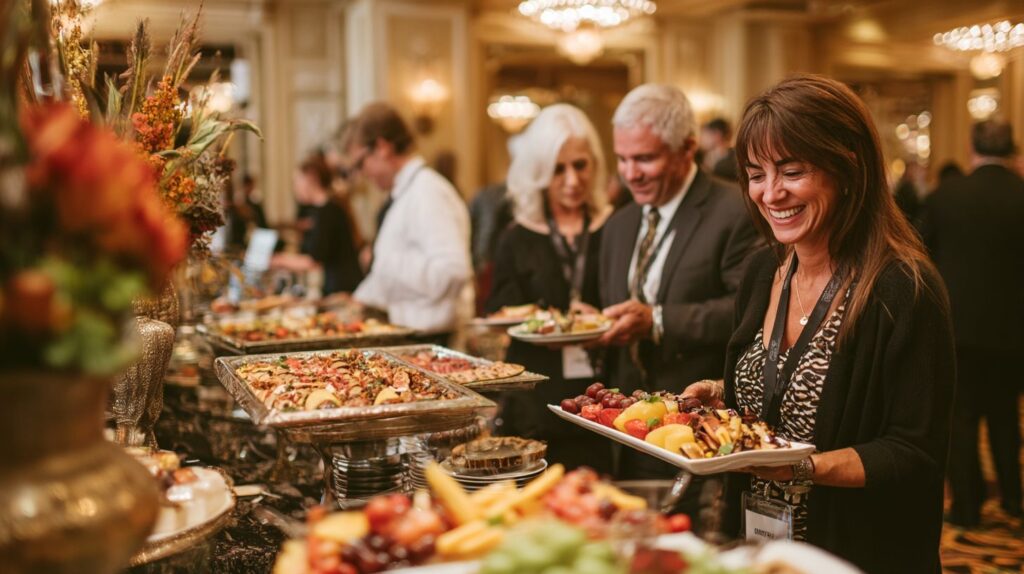
In the DFW area, including Dallas, Austin, and Fort Worth in Texas, local options like Scratch Catering and Fine Foods offer superior personalization using local ingredients and seasonal menu items like Texas Style Brisket Sushi, with strong backup plans, staff uniforms, and insurance coverage for event size and flexibility needs.
Local providers like Gennaros Catering Service (Dallas, 4.9 Google Reviews) offer 28% fresher local ingredients vs. national chains averaging 4.2 stars. These smaller operations excel in personalization and quick adaptations for event size or last-minute dietary restrictions. For wedding catering or corporate events, local teams often provide cultural expertise and on-site tasting sessions tailored to guest needs. They focus on food preparation with seasonal menus, enhancing food quality and supporting community economies.
| Provider Type | Response Time | Customization | Cost Premium | Examples |
|---|---|---|---|---|
| Local | 24hr | High | +12%% | Gennaros, Vestals |
| National | 72hr | Low | Baseline | Aramark |
Use this sourcing checklist to decide:
- Verify local sourcing claims through supplier lists or farm partnerships.
- Check Party Slate profiles for client photos of beverage service and bar service.
- Confirm staff uniforms, portion sizes, and delivery logistics for on-premise or off-premise needs.
Local options shine for intimate family-style dinners or food trucks, while nationals suit large-scale food stations with standardized insurance coverage.
Assess flexibility needs by requesting contract reviews early. Local caterers often provide better customer service and venue requirements alignment, leading to higher praise in reviews for memorable events. National providers offer consistency for multi-location corporate catering but may lack in presentation skills or unique menu options.
Evaluate Menu Options
Top caterers offer tasting sessions showcasing seasonal menu options and customization for dietary restrictions. Evaluating menu options carefully prevents 41% of guest dissatisfaction, according to the Catering Institute 2023 report. Guests often complain about bland flavors or ignored allergies, so focus on food quality and variety during tastings. These sessions let you sample dishes in a controlled setting, mimicking your event’s vibe for wedding catering or corporate catering. Prioritize providers who adapt to guest needs, like vegan alternatives or gluten-free choices, ensuring everyone enjoys the meal.
During a tasting session, assess how well the catering service handles portion sizes and presentation. For example, in buffet style setups, check if servings suit your event size. Test scalability by asking how they adjust for 100 versus 500 guests. Reputable services provide detailed breakdowns of local ingredients and sustainability practices, boosting appeal for eco-conscious events. This step aligns menu choices with your budget planning and service style, from plated dinners to food stations.
Strong customer service shines in tastings through clear communication on beverage service pairings and bar options. Review online feedback for consistent praise on culinary excellence. Insist on sessions 90 days before your 2026 event to lock in fresh, seasonal menu picks. This evaluation guarantees flawless execution and memorable events tailored to your vision.
Customization and Seasonal Ingredients
Request tasting sessions within 90 days of your event. Test 3 menu options including innovations like Texas Style Brisket Sushi from Scratch Catering and Fine Foods. These sessions reveal how well the provider customizes for dietary restrictions and incorporates seasonal ingredients. Use a 7-point tasting scorecard to rate objectively: 1) flavor balance on a scale of 1-10, 2) portion sizes, 3) presentation skills, 4) dietary accommodation, 5) local ingredients percentage claimed, 6) scalability to guest count, and 7) cost per portion. This tool ensures personalization matches your flexibility needs.
Score flavor balance by noting acid, sweet, salty, and umami harmony in samples. Check portion sizes against your guest count, ensuring no waste or shortage. Evaluate presentation for visual appeal in action stations or family-style service. Confirm dietary options taste as good as standard dishes, like nut-free desserts. Ask for proof of local ingredients, aiming for over 70% in seasonal picks. Test scalability by discussing prep for doubled numbers, and calculate cost per portion for budget planning.
| Season | Sample Menu Items | Customization Notes |
|---|---|---|
| Spring | Asparagus Risotto, Strawberry Basil Salad | Vegan swaps, low-carb options |
| Fall | Pumpkin Soup, Roasted Butternut Squash | Gluten-free crusts, nut-free pestos |
| Winter | Braised Short Ribs, Root Vegetable Medley | Dairy-free sauces, keto adaptations |
This seasonal menu matrix guides choices for on-premise or off-premise catering service. It highlights culinary excellence with fresh produce, supporting sustainability practices and cultural expertise for diverse crowds.
Check Experience and Reviews
Verify proven track record through multi-platform reviews like The Knot and past events similar to your guest needs. Start your review analysis by cross-referencing sources with these weights: Google Reviews at 40%, The Knot at 30%, Yelp at 20%, and Instagram Stories at 10%. This balanced approach reveals consistent patterns in food quality and customer service. For instance, a catering service strong in wedding catering should shine across platforms for events like cocktail receptions or plated dinners matching your event size.
Look for recurring praises in handling dietary restrictions, staff ratio, and delivery logistics. High-rated providers often highlight tasting sessions that confirmed menu options suited to corporate catering or family-style meals. Compare star ratings for discrepancies, such as a 4.9 on Google but 3.5 on Yelp, which signals potential issues in beverage service or portion sizes. Platforms like The Knot provide detailed testimonials on flawless execution for 150+ guest weddings.
Instagram Stories offer real-time glimpses into presentation skills and action stations, weighted lightly due to curation. Prioritize services with 100+ recent reviews averaging above 4.5 stars. This method ensures the catering service aligns with your venue requirements and flexibility needs, setting up memorable events through verified culinary excellence.
Past Events and Client Testimonials
Request portfolios showing 5+ events matching your guest count and service style; Vestals Catering averages 4.8 stars across 247 The Knot reviews. Use this review analysis framework: first, filter testimonials by event size, such as 50-guest corporate luncheons or 200-person weddings. Second, score on punctuality, food quality, and service using a 1-5 scale. Third, verify photos match claims, like buffet style setups with local ingredients for sustainability practices.
Apply this to full-service catering or drop-off catering options. For example, check if a provider handled buffet style for similar guest needs with positive notes on staff uniforms and bar service. Testimonials should detail personalization, such as accommodating cultural expertise or seasonal menus during tasting sessions.
Watch for these red flags in your checklist:
- Vague reviews lacking specifics on food preparation or backup plans.
- Deleted negative feedback, hinting at poor customer service.
- Inconsistent star ratings across platforms, like 5 stars on Instagram but 3 stars on Yelp for on-premise catering.
- Missing proof of liability insurance or certifications in portfolios.
Avoid these to secure reliable event catering with strong contract review elements like insurance coverage and staff ratios for your 2026 events in Texas.
Assess Service Quality
Service quality determines 67% of event success; evaluate staff professionalism and equipment readiness for events in Dallas, Austin, and Fort Worth. According to the Event Leadership Institute, high-quality catering services boost guest satisfaction by 45% compared to average providers. For 2026 events like weddings or corporate gatherings, prioritize providers with proven staff ratios and hygiene standards to ensure flawless execution. This assessment prevents common pitfalls such as delayed service or subpar food quality, allowing hosts to focus on memorable events.
Begin by requesting a service quality audit during initial consultations. Check for staff uniforms, certifications in beverage service, and sufficient inventory of chafing dishes or heaters. Professional caterers demonstrate presentation skills through tastings and outline protocols for dietary restrictions, including allergy cross-contamination prevention. For event catering in Texas, TABC bar service certification is essential for cocktail receptions or plated dinners. These steps align with guest needs and venue requirements, supporting budget planning without surprises.
Event size influences the ideal staff ratio, such as 1:25 for plated service or 1:30 for buffets. The catering industry generated $134.5 billion in 2022, projected to grow through 2030. Review online reviews for insights into customer service and flexibility needs. Top providers offer backup plans, liability insurance, and sustainability practices like using local ingredients. A thorough evaluation guarantees culinary excellence and personalization, whether for wedding catering, corporate catering, or food stations.
Staff Professionalism and Equipment for Lehigh Valley Weddings
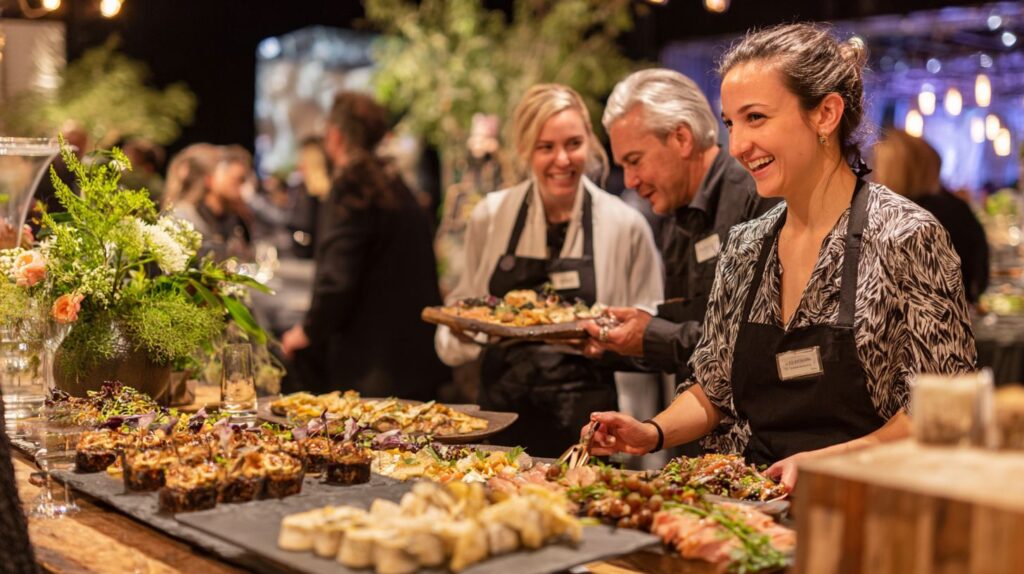
Require 1:25 staff ratio for plated service, uniformed personnel, and beverage service training certification at events like Lehigh Valley Weddings. Professional staff uniforms signal reliability in full-service catering or on-premise events, setting expectations for polished interactions. For corporate catering or wedding catering, trained teams handle high guest counts efficiently, managing everything from portion sizes to action stations. TABC certification ensures safe bar service in Texas venues, reducing liability risks during cocktail receptions.
Use this service quality audit checklist to evaluate providers thoroughly:
- Staff uniforms policy with clean, branded attire for all shifts
- TABC bar service certification for beverage service staff
- Chafing dish and heater inventory matching event size needs
- Presentation skills demo during tasting sessions
- Allergy cross-contamination protocols for dietary restrictions
Verify equipment standards through photos of stainless steel chafing dishes and portable heaters capable of maintaining food at safe temperatures for hours. Reliable event catering includes backup generators for off-premise catering and sanitized tools to prevent issues. These elements support service styles like family-style or food trucks, ensuring food quality and guest safety.
For larger events, confirm certifications and insurance coverage alongside delivery logistics. Providers like Vestals Catering excelling in presentation skills elevate buffets or food stations with garnishes and thematic displays. Integrate seasonal menus with local ingredients for sustainability, while contract review covers flexibility for guest count changes. This approach delivers memorable events with customer service that exceeds expectations.
Review Logistics and Contracts
Logistics failures cause 29% of catering complaints in the DFW area, so scrutinize delivery timelines and contingency planning. According to American Culinary Federation standards, certified caterers must outline clear logistics in contracts to ensure flawless execution for events like wedding catering or corporate catering. This includes detailed schedules for food preparation, staff ratio, and equipment setup to meet guest needs and venue requirements.
Stress the importance of contract review to avoid surprises in event catering. Look for specifics on menu options, dietary restrictions, and service style, such as buffet style or plated dinners. The Federation emphasizes transparency in liability insurance and backup plans, protecting against issues like weather delays. For instance, a corporate event with 200 guests needs firm commitments on portion sizes and beverage service to guarantee food quality.
Common pitfalls include vague terms on cancellation policies or staff uniforms. Demand a tasting session clause to verify presentation skills and local ingredients use. By aligning contracts with sustainability practices and cultural expertise, you ensure memorable events. Always verify certifications and insurance coverage exceeding $2 million for full-service catering, securing peace of mind for your 2026 gatherings.
Delivery Timelines and Cancellation Policies
Mandate 60-minute delivery windows for on-premise catering, 2-hour windows for off-premise catering, plus $2M liability insurance. These terms prevent delays in drop-off catering or food truck setups, critical for cocktail receptions or action stations. Contracts should specify timelines like final guest count confirmation 14 days out and detailed delivery schedules 48 hours prior, aligning with event size and flexibility needs.
Watch for contract red flags that signal unreliable providers. High cancellation fees over 15% can strain budget planning, especially for family-style meals or bar service. Lack of backup plans for weather or equipment failures risks food quality in outdoor wedding catering. Insufficient insurance below $1 million coverage exposes you to liabilities, while vague force majeure clauses leave personalization and guest needs unprotected.
Here is a sample timeline template to include in your contract:
| Milestone | Timeline |
|---|---|
| Final guest count | 14 days before event |
| Menu confirmation and tasting session | 7 days before event |
| Detailed delivery schedule | 48 hours before event |
| Setup completion | 2 hours before guest arrival |
Insist on customer service contacts for real-time updates and Google Reviews, The Knot, Party Slate, Yelp, Facebook, Twitter, and Instagram verification. This approach ensures culinary excellence and smooth execution for corporate catering or seasonal menu events in 2026.
Final Decision Factors for 2026
Weight final candidates by certifications, sustainability practices, and proven flawless execution for 2026 events. Event planners often face tough choices among top catering services, so a structured decision matrix helps compare six finalists objectively. This approach assigns weights to key criteria like certifications at 20%, tasting sessions at 25%, online reviews at 20%, logistics at 15%, budget at 10%, and innovation at 10%. For example, score each provider from 1 to 10 on these factors, then multiply by the percentages to get a total. A corporate catering firm scoring high on staff ratio and delivery logistics might edge out competitors for large events, while a wedding catering specialist excels in personalization and presentation skills. Consider venue requirements and guest count fluctuations, ensuring the caterer offers backup plans and liability insurance.
Evaluating food quality through a tasting session at Scratch Catering and Fine Foods reveals menu options that accommodate dietary restrictions and cultural expertise. Providers with ServSafe certification demonstrate commitment to food safety, crucial for on-premise or off-premise catering featuring innovations like Texas Style Brisket Sushi. Look for those integrating local ingredients into seasonal menus for culinary excellence. Service styles like buffet style, plated dinners, or action stations should match your event size and service style preferences. Full-service catering includes beverage service and bar service, while drop-off catering suits smaller gatherings. Staff uniforms and portion sizes contribute to professional presentation, enhancing memorable events.
Budget planning ties into overall value, balancing cost with customer service and flexibility needs. Review contracts for insurance coverage and zero-waste practices, which align with 2026 sustainability trends. A final checklist confirms readiness: ServSafe certification, zero-waste initiatives, and a thorough flexibility needs assessment. As trends predict, 43% growth in plant-based options and 28% rise in action stations will define event catering, so prioritize innovative providers ready for these shifts.
Decision Matrix Table
Using a decision matrix provides clarity when selecting from six finalists. Score each on the weighted criteria to identify the best fit for your wedding catering, corporate catering, or other events. This table example assumes sample scores; adjust based on your evaluations. High scores in tasting and reviews often tip the scales, reflecting guest needs and flawless execution.
| Finalist | Certifications (20%) | Tasting (25%) | Reviews (20%) | Logistics (15%) | Budget (10%) | Innovation (10%) | Total Score |
|---|---|---|---|---|---|---|---|
| Caterer A | 9 | 8 | 9 | 7 | 8 | 9 | 8.45 |
| Caterer B | 8 | 9 | 8 | 9 | 7 | 8 | 8.35 |
| Caterer C | 7 | 10 | 9 | 8 | 9 | 7 | 8.55 |
| Caterer D | 9 | 7 | 8 | 9 | 8 | 9 | 8.25 |
| Caterer E | 8 | 9 | 7 | 8 | 9 | 8 | 8.20 |
| Caterer F | 10 | 8 | 9 | 7 | 8 | 10 | 8.65 |
Final Checklist
Before signing the contract, run through this final checklist to ensure your catering service delivers on all fronts. Confirm ServSafe certification for food preparation safety, especially for events with high guest counts. Verify zero-waste practices, such as composting and reusable serveware, which reduce environmental impact and appeal to conscious attendees. A flexibility needs assessment gauges how well the provider handles changes in event size or last-minute dietary restrictions.
- ServSafe certification and liability insurance coverage verified
- Zero-waste practices outlined in contract, including local ingredients sourcing
- Flexibility needs assessment completed, covering backup plans for weather or venue issues
- Tasting session feedback incorporated into final menu options
- Staff ratio and uniforms confirmed for cocktail reception or family-style service
- Budget planning aligned with portion sizes and beverage service
This checklist secures flawless execution, from food trucks to food stations, ensuring culinary excellence and customer service.
2026 Trend Predictions
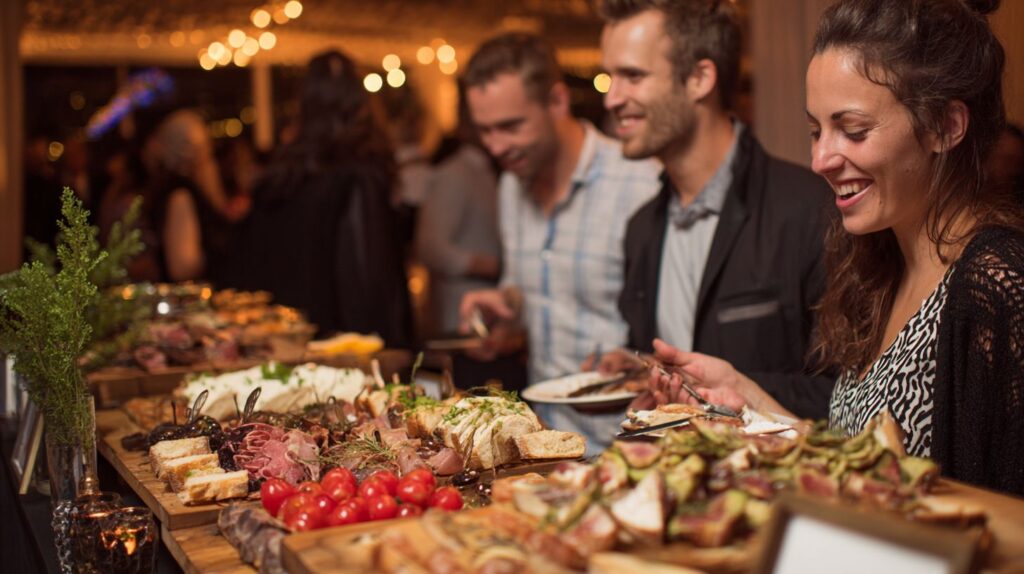
Looking ahead, 2026 trends will reshape event catering with a focus on health, interactivity, and sustainability. Expect 43% growth in plant-based menus, driven by demand for vegan and vegetarian options that cater to diverse dietary restrictions. Caterers like Lehigh Valley Weddings, Gennaros Catering Service, Vestals Catering, and Scratch Catering and Fine Foods offering seasonal, plant-forward dishes using local ingredients will stand out in wedding and corporate settings. Action stations, projected to rise by 28%, allow guests to customize plates at live cooking displays, boosting engagement for cocktail receptions or corporate events.
Innovative providers will integrate these shifts with hybrid service styles, like combining buffet style with food trucks for flexibility. Sustainability practices, including zero-waste and carbon-neutral food preparation, become non-negotiable. Planners should prioritize caterers with cultural expertise in global plant-based cuisines and tech-savvy personalization, such as app-based guest needs tracking. These predictions emphasize choosing adaptable services for memorable events.
Learn more, 10 Essential Tips for Choosing the Perfect Catering Services …
Frequently Asked Questions
How to Choose the Right Catering Service for Your 2026 Events: What Should Be My First Step?
The first step in how to choose the right catering service for your 2026 events is to define your event’s specific needs, such as the number of guests, type of event (wedding, corporate, or casual gathering), budget, and dietary preferences in places like Dallas, Austin, Fort Worth, Texas, and the DFW area. This helps narrow down options to services that align with your vision for 2026 trends like sustainable and interactive food stations.
How to Choose the Right Catering Service for Your 2026 Events: How Do I Evaluate Menu Options?
To evaluate menu options when learning how to choose the right catering service for your 2026 events, request tastings and customized samples that incorporate 2026 culinary trends such as plant-based innovations, global fusion dishes like Texas Style Brisket Sushi, and allergen-free choices. Ensure the menu caters to diverse diets including vegan, gluten-free, and nut-free requirements.
How to Choose the Right Catering Service for Your 2026 Events: What Reviews and References Matter Most?
When figuring out how to choose the right catering service for your 2026 events, prioritize recent reviews from 2025-2026 events on platforms like Google Reviews, The Knot, Party Slate, Yelp, Facebook, Twitter, Instagram, or wedding sites, and ask for references from similar events. Look for feedback on food quality, punctuality, and staff professionalism to gauge reliability.
How to Choose the Right Catering Service for Your 2026 Events: How Important Is the Service Staff?
Service staff is crucial in how to choose the right catering service for your 2026 events-opt for companies with trained, uniformed teams experienced in handling high-volume 2026 events. Inquire about staff-to-guest ratios, training on hospitality trends, and their ability to adapt to last-minute changes seamlessly.
How to Choose the Right Catering Service for Your 2026 Events: What About Pricing and Hidden Costs?
Transparency in pricing is key for how to choose the right catering service for your 2026 events; get detailed quotes breaking down per-person costs, rentals, staffing fees, and taxes. Watch for hidden charges like delivery, overtime, or setup, and compare value against services offering eco-friendly packaging or tech-integrated ordering for 2026.
How to Choose the Right Catering Service for Your 2026 Events: How Do I Confirm Logistics and Contracts?
To finalize how to choose the right catering service for your 2026 events, review contracts for clear terms on setup/teardown times, equipment needs, cancellation policies, and liability insurance. Confirm venue compatibility, delivery logistics, and contingency plans for weather or supply issues common in 2026 event planning.