Dive into the vibrant world of Mediterranean cuisine, where the Mediterranean Diet shines as a beacon of healthy living and represents a great crunch of flavors. Celebrated by US News and World Report for its delicious flavors and numerous health benefits, this guide offers a treasure trove of recipes that bring Mediterranean food to life. From aromatic herbs to wholesome ingredients, discover how to create mouthwatering dishes that are not only nutritious but packed with delightful Mediterranean flavors. Let’s embark on a journey to savor the essence of Mediterranean cooking!
Table of Contents
Key Takeaways:
- Mediterranean cuisine is rich in health benefits, promoting heart health and longevity through its emphasis on fresh vegetables, fruits, legumes, whole grains, and healthy fats.
- Key ingredients like olive oil, herbs, and spices not only enhance flavor but also contribute to the overall healthfulness of Mediterranean dishes.
- From classic hummus to vibrant salads like Greek salad, Mediterranean recipes offer a diverse array of flavorful options that can easily be incorporated into a balanced diet.
Health Benefits of Mediterranean Diet
The Mediterranean Diet is associated with a 30% reduction in the risk of heart disease and contributes to increased longevity, owing to its focus on whole foods, healthy fats, and plant-based ingredients. This dietary approach prioritizes nutrient-dense options, including fruits, vegetables, whole grains, fish, and healthy oils such as olive oil.
Incorporating these foods into one’s diet can lead to lower cholesterol levels and reduced inflammation.
Research indicates that regular consumption of fatty fish, which are rich in omega-3 fatty acids, such as salmon or sardines, can enhance brain health and support heart function.
Tools such as meal planning applications and Mediterranean cookbooks can facilitate the adoption of this dietary pattern. It is advisable to aim for the preparation of meals that include at least two servings of fish per week, supplemented by an ample intake of legumes and nuts.
Key Ingredients in Mediterranean Cooking
The essential components of Mediterranean cuisine encompass fresh vegetables, lean proteins, and heart-healthy olive oil, each playing a significant role in contributing to its unique flavors.
Olive Oil and Its Varieties
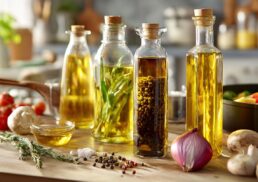
Extra virgin olive oil, recognized as the highest quality among olive oils, is rich in antioxidants and healthy fats, which contribute to reducing inflammation and enhancing heart health. The price for reputable brands typically ranges from $10 to $30.
When selecting olive oil, it is essential to consider its intended use. For cooking purposes, it is advisable to choose quality virgin oils that can withstand higher temperatures, while extra virgin olive oil is ideal for dressings and garnishes.
California Olive Ranch offers exceptional options for extra virgin olive oil, while brands such as Pompeian provide quality products at a more accessible price point.
It is important to verify the harvest date on the label, as fresher oil not only ensures superior flavor but also maximizes nutritional benefits, thereby enhancing culinary creations.
Herbs and Spices
Aromatic herbs and spices, such as oregano, rosemary, and za’atar, are essential components of Mediterranean cuisine. They not only enhance the flavor of various dishes but also provide numerous health benefits.
For instance, dried oregano, which typically costs between $3 and $5 per jar, is ideal for seasoning roasted vegetables or marinades, adding a traditional touch to Mediterranean dishes. Rosemary, priced similarly, complements lamb or chicken and imparts a fragrant note to grilled preparations. Za’atar, generally priced at $4 to $6, contributes a nutty and tangy flavor to spreads such as labneh and can also be sprinkled on flatbreads.
A straightforward recipe to illustrate the use of these herbs is a roasted vegetable medley. One can combine zucchini, bell peppers, and eggplant with olive oil, season with oregano and rosemary, and roast them at 400 degreesF for 25 to 30 minutes.
Appetizers and Small Plates
Appetizers and small plates play a vital role in the Mediterranean dining experience, highlighting the importance of communal dining and showcasing a variety of flavors.
Classic Hummus Recipes
Classic hummus, composed of chickpeas and tahini, is a fundamental component of Mediterranean food and can be prepared in less than ten minutes.
To create this quick and delightful hummus, the following ingredients are required:
- One can of chickpeas (approximately $1)
- Two tablespoons of tahini ($2)
- The juice of half a lemon ($0.50)
- One clove of garlic ($0.50)
Begin by draining the chickpeas and blending them with tahini, lemon juice, and minced garlic until a smooth consistency is achieved. For an enhanced flavor profile, one may consider incorporating roasted red peppers or sun-dried tomatoes.
This entire recipe has an approximate cost of $5 and serves as a nutritious dip or spread, making it an excellent choice for entertaining guests.
Stuffed Grape Leaves
Stuffed grape leaves, known as dolmas, are a cherished dish within Mediterranean cuisine, consisting of a mixture of rice, herbs, and lean proteins encased in tender grape leaves.
To prepare dolmas, the following ingredients are required:
- 1 jar of grape leaves
- 1 cup of rice
- 1/2 cup of pine nuts
- 1 onion (finely chopped)
- A selection of herbs, such as dill and parsley
The preparation process begins with sauting the chopped onion and incorporating the rice until it becomes slightly translucent. Next, the herbs and pine nuts should be added, followed by the addition of water, allowing the mixture to simmer until the rice absorbs the majority of the liquid. Subsequently, spoonfuls of this filling must be carefully wrapped in the grape leaves. These wrapped dolmas, a classic Mediterranean dish, can then be cooked in a pot with olive oil and lemon juice for approximately one hour.
This dish is frequently served at gatherings, symbolizing community and the spirit of sharing.
Main Courses
Main courses in Mediterranean cuisine typically emphasize fresh, seasonal ingredients and employ straightforward cooking techniques that accentuate the natural flavors of the components.
Grilled Fish with Lemon and Herbs
Grilled fish, seasoned with lemon and fresh herbs, represents a quintessential Mediterranean dish that is both healthy and flavorful and perfect for a quick dinner, requiring approximately 20 minutes for preparation. For optimal results, it is advisable to utilize salmon or sea bass, both of which are rich in omega-3 fatty acids.
Begin by preheating the grill to 400 degreesF. Marinate the fish in a mixture of olive oil, freshly squeezed lemon juice, garlic, and chopped parsley for approximately 10 minutes. Grill the fish for 5 to 6 minutes on each side, ensuring it flakes easily with a fork.
To complement the meal, serve the grilled fish with a side of roasted vegetables or a refreshing salad. This not only enhances the Mediterranean theme but also maintains a light and nutritious dining experience.
Vegetable Paella
Vegetable paella is a vibrant rice dish that highlights seasonal vegetables and aromatic spices, making it an excellent vegetarian option.
To prepare this delightful dish, one should gather:
- 2 cups of short-grain rice
- A selection of seasonal vegetables such as bell peppers, peas, and artichokes
- A pinch of saffron to enhance its color and flavor
The preparation begins by sauting the vegetables with garlic and onions in olive oil. Subsequently, the rice, saffron, and 4 cups of vegetable broth are added. The mixture is then allowed to simmer for approximately 30 minutes until the rice has absorbed the liquid.
This comforting meal is estimated to cost around $15 and can be customized with regional ingredients, such as incorporating green beans or substituting saffron with turmeric.
Salads and Sides
Salads and side dishes in Mediterranean cuisine highlight the use of fresh ingredients, enhancing the natural flavors and serving as a refreshing accompaniment to main courses.
Tabbouleh Salad
Tabbouleh salad, a vibrant combination of parsley, tomatoes, quinoa, and bulgur, serves as a refreshing side dish that is rich in vitamins and minerals.
To prepare a delicious tabbouleh salad, the following ingredients are required:
- 1 cup of bulgur
- 2 cups of finely chopped parsley
- 1 diced cucumber
- 2 medium diced tomatoes
These ingredients should be combined with a dressing made from:
- cup of fresh lemon juice
- cup of olive oil
- Salt and pepper to taste
It is advisable to let the salad sit for at least 30 minutes to allow the flavors to meld. This dish is not only low in calories but also rich in antioxidants and fiber, making it an excellent choice for health-conscious individuals.
Roasted Vegetable Medley
A roasted vegetable medley effectively showcases seasonal ingredients and offers a straightforward preparation method, resulting in a flavorful and nutritious side dish.
- To prepare this dish, begin by chopping 2 cups each of carrots, zucchini, and bell peppers.
- Preheat the oven to 425 degreesF, and then combine the vegetables with one tablespoon of olive oil, salt, and your preferred herbs, such as rosemary or thyme.
- Arrange the vegetables on a baking sheet and roast for 30 to 40 minutes, or until they are tender and exhibit a slight caramelization.
This cooking method not only enhances the natural sweetness of the vegetables but also preserves essential nutrients, making it a wonderful addition to a Mediterranean diet.
With an estimated cost of $12, this vibrant medley serves as an excellent accompaniment to any main course.
Desserts and Sweets
Desserts in Mediterranean cuisine frequently highlight the use of nuts, honey, and spices, effectively satisfying sweet cravings while also reflecting the rich cultural traditions of the region, making them a perfect option for comfort food lovers.
Baklava Variations
Baklava, a sweet pastry composed of layers of filo dough, nuts, and honey, exemplifies the rich dessert tradition of the Mediterranean region. This delicacy can be prepared with a variety of fillings, with popular choices including finely chopped pistachios and walnuts, which are staples in Mediterranean food.
For a classic walnut baklava, the following ingredients are recommended:
- 2 cups of finely chopped walnuts
- 1 cup of sugar
- 1 teaspoon of cinnamon
Should one prefer pistachios, the same measurements can be utilized. The baking process typically requires approximately 1 hour; it involves layering the filo dough, nut mixture, and melted butter, followed by cutting the assembled pastry into diamond shapes prior to baking. Traditionally, baklava is served warm, drizzled with honey syrup, and garnished with crushed nuts. The estimated cost of preparing this delectable dessert is around $15, making it an affordable option for anyone looking to explore Mediterranean desserts.
Checkout Mediterranean Diet: Food List & Meal Plan.
Frequently Asked Questions
What is the Mediterranean Cuisine Guide: Healthy Recipes Full of Flavor?
The Mediterranean Cuisine Guide: Healthy Recipes Full of Flavor is a comprehensive resource that showcases the diverse and vibrant dishes of the Mediterranean region, including delicious breakfast options and hearty dinners. It emphasizes healthy ingredients such as fresh vegetables, whole grains, legumes, and healthy fats, all while being rich in flavor and nutrients.
How can I incorporate the Mediterranean Cuisine Guide: Healthy Recipes Full of Flavor into my meal planning?
You can incorporate the Mediterranean Cuisine Guide: Healthy Recipes Full of Flavor into your meal planning by selecting recipes that utilize seasonal and locally-sourced ingredients, focusing on healthy Mediterranean diet principles. Focus on creating balanced meals that include a variety of vegetables, lean proteins, and healthy fats, like olive oil, while exploring different cooking methods such as grilling, roasting, or sauting.
Are the recipes in the Mediterranean Cuisine Guide: Healthy Recipes Full of Flavor suitable for special diets?
Yes, many recipes in the Mediterranean Cuisine Guide: Healthy Recipes Full of Flavor can be adapted to suit various dietary needs, including vegetarian, vegan, and gluten-free diets, perfect for anyone looking to enjoy Mediterranean diet meals. The use of fresh, wholesome ingredients makes it easier to modify recipes without compromising on flavor.
What are some key ingredients to have on hand from the Mediterranean Cuisine Guide: Healthy Recipes Full of Flavor?
Some key ingredients to have on hand include olive oil, fresh herbs (like basil, parsley, and oregano), garlic, tomatoes, chickpeas, whole grains (like quinoa and farro), a variety of fresh vegetables, and lean proteins such as fish and poultry, essential for crafting dishes like Greek salad and tomato cucumber salad. These staples are foundational for many flavorful Mediterranean recipes.
Can I find meal prep ideas in the Mediterranean Cuisine Guide: Healthy Recipes Full of Flavor?
Absolutely! The Mediterranean Cuisine Guide: Healthy Recipes Full of Flavor includes meal prep ideas that allow you to prepare Mediterranean meals in advance. Look for recipes that can be easily doubled or stored, and consider batch cooking grains and proteins to simplify your week ahead while ensuring delicious flavors.
Where can I find more resources related to the Mediterranean Cuisine Guide: Healthy Recipes Full of Flavor?
You can find more resources related to the Mediterranean Cuisine Guide: Healthy Recipes Full of Flavor online, including blogs, cookbooks, and cooking classes that delve into Mediterranean food traditions. Many culinary websites feature Mediterranean recipes and cooking tips, making it easy to explore this healthy and flavorful cuisine further.