Introduction to 2026 coffee trends
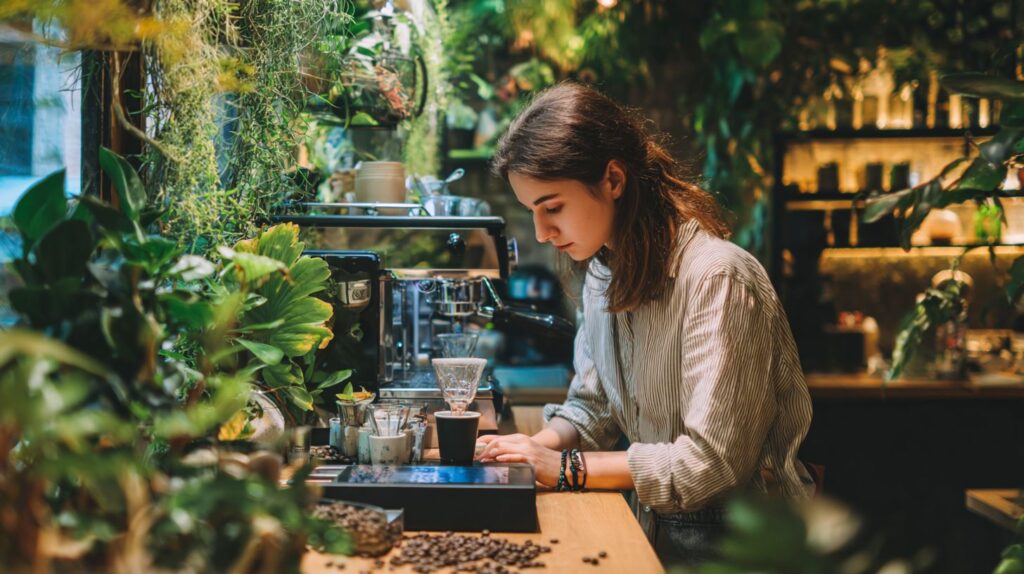
Imagine smart coffee machines revolutionizing your morning brew with IoT connectivity and AI algorithms for perfect coffee brewing. According to the Specialty Coffee Association, 2026 trends spotlight sustainability and specialty brews alongside advanced coffee machines. Partnered with Capitol Coffee, this guide reveals innovations that elevate your ritual-delivering expert insights on tech-driven excellence and eco-conscious shifts.
Table of Contents
Key Takeaways:
- Sustainability leads with regenerative farming restoring soil health and zero-waste packaging reducing landfill impact, making eco-friendly coffee mainstream in 2026.
- Specialty brews evolve via rare origin single-estates and functional infusions like adaptogens, offering premium flavors and health benefits.
- Smart coffee machines feature AI algorithms for perfect cups and app control for personalized brewing, remote brewing experiences.
Sustainability Innovations
Coffee sustainability evolves beyond organic labels, with 68% of consumers prioritizing traceability per Specialty Coffee Association’s 2024 report, driving regenerative practices and zero-waste systems. Regulatory pressures like the EU Green Deal mandate stricter emissions reductions and deforestation-free supply chains by 2030, pushing roasters to adopt verifiable eco-friendly measures. Brands such as Starbucks commit to 50% sustainable sourcing by 2025, aligning with global demands for ethical sourcing and circular economy principles.
These shifts yield strong ROI, as premium pricing for traceable beans commands up to 20% higher margins, fueling market growth in specialty brews. Consumer preference for transparency boosts loyalty among millennials, who favor brands with regenerative farming and zero-waste packaging. This foundation sets the stage for innovations like compostable pods and blockchain-tracked origins, enhancing coffee trends toward intelligent, sustainable home brewing with smart coffee machines.
Industry leaders integrate traceability into IoT-connected devices, where app control reveals bean journeys from farm to cup. Such practices not only meet regulatory demands but also elevate brew quality, making sustainability a core driver in 2026’s coffee machines and ready-to-drink options.
Regenerative Agriculture
Regenerative agriculture restores soil health while sequestering 1.5 tons of CO2 per hectare annually, as proven by Coffee Hero’s Ethiopia Yirgacheffe project yielding 15% higher cherry quality. In their 500-hectare program, soil organic matter rose 28% in three years, and farmer incomes increased 35%, demonstrating tangible benefits for single origin beans used in specialty brews.
Coffee Hero overcame challenges like drought through cover crops, building resilience in volatile climates. Roasters can replicate success with these implementation steps from Coffee Hero:
- Partner with Rainforest Alliance for initial $5K audit to certify farms.
- Implement blockchain traceability via IBM Food Trust for full supply chain visibility.
- Adopt premium pricing model achieving +22% margins on ethical sourcing.
- Use QR codes for consumer storytelling, linking to farm videos and impact metrics.
This approach aligns with coffee trends toward traceability, supporting smart coffee machines that personalize brewing with sustainably sourced beans for barista quality results at home brewing.
Zero-Waste Packaging
Capitol Coffee’s compostable pod system diverts 98% of plastic waste, generating $2.3M revenue from eco-conscious millennials since 2024 launch. Life cycle analysis shows a 72% lower carbon footprint compared to aluminum, with TV Austria certification ensuring compostability in under 90 days.
Brands achieve zero-waste through these best practices with suppliers and tools:
- Mycelium packaging from Ecovative at $0.15 per unit for fully biodegradable bags.
- Reusable steel pods, Keurig-compatible, saving $1.20 per lb over disposables.
- PODpoint recycling stations achieving 85% return rates at retail locations.
- Plant-based liners from supplier Notpla, breaking down in home composters.
- Closed-loop programs partnering with Terracycle for infinite recycling of coffee capsules.
These strategies support circular economy goals, integrating with smart coffee machines featuring automatic maintenance and subscription pods. Roasters using such packaging enhance market intelligence on consumer shifts toward cold brew and nitro coffee in eco-friendly formats.
Specialty Brews Evolution
Specialty coffee consumption surges 11% annually, with cold brew and nitro variants capturing 23% market share as brewers push flavor boundaries beyond traditional espresso. The Specialty Coffee Association sensory standards have evolved, making 88+ point coffees mainstream in top cafes. Australia’s Black Velvet Coffee exemplifies this shift, featuring 92-point single origins that draw crowds. Menu data shows flat whites up 42% in orders, blending creamy texture with precise coffee brewing techniques. Cafes now integrate smart coffee machines for consistent extraction, enhancing barista quality at home through app control and AI algorithms.
Consumers seek traceability and ethical sourcing, with regenerative farming gaining traction for its sustainability benefits. Single origin beans from rare estates command premium prices, while ready-to-drink nitro coffee options cater to on-the-go lifestyles. This evolution teases deeper trends in origin stories and functional infusions, where coffees boost health alongside taste. Home brewers use IoT connectivity in machines to adjust grind size, water temperature, and brew strength for personalized results. Market intelligence predicts continued compound annual growth rate driven by these innovations.
Top cafes pair specialty brews with coffee mocktails, like espresso tonic hybrids, expanding menus creatively. Smart home integration via voice control allows remote brewing, aligning with convenience demands. Automatic maintenance in modern espresso machines ensures longevity, while milk frothers perfect flat whites effortlessly. This progression positions specialty brews as central to coffee trends in 2026, merging tradition with technology for superior quality.
Rare Origin Single-Estates
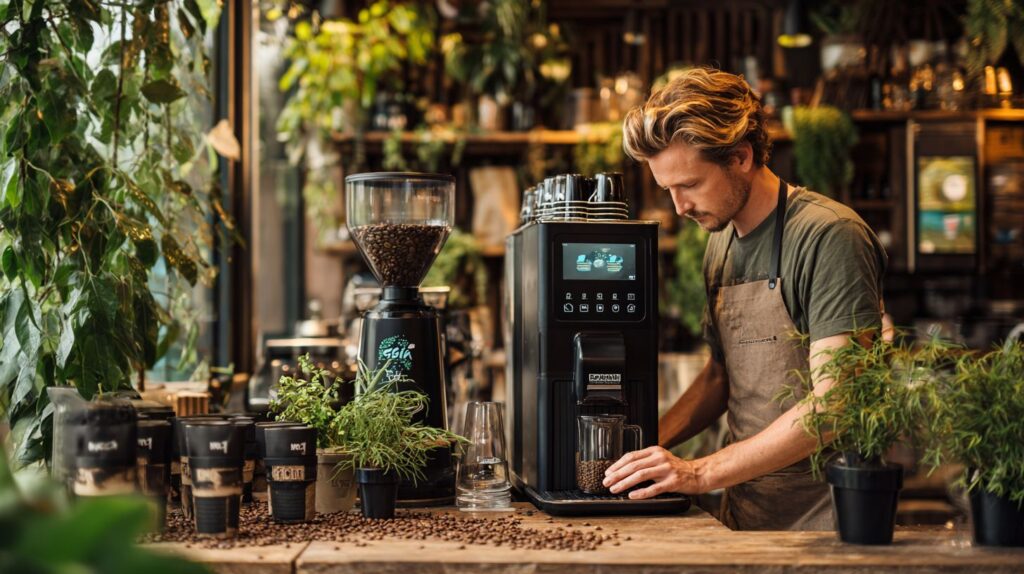
Panama Geisha from Elida Estate sells at $1,200/lb auction prices, representing 0.01% of global production but driving 65% of specialty cafe prestige. These single origin coffees score high on SCA cupping scales, showcasing unique flavor profiles from micro-lots. Farms employ regenerative farming practices for sustainability, ensuring eco-friendly production. Enthusiasts prize them for complexity, often roasted to Agtron 58-62 for optimal taste in pour-over or smart machines.
| Origin | Cup Score | Price/lb | Flavor Profile | Farm |
|---|---|---|---|---|
| Elida Estate Panama | 92.5 | $1,200 | jasmine/bergamot | Elida Estate |
| Hac Bekir Finca Ethiopia | 91 | $850 | black tea/orange | Hac Bekir Finca |
| Sidra Yemen | 90.5 | $950 | blueberry/rose | Sidra Farm |
| Finca Deborah Colombia | 91.8 | $1,100 | pineapple/mango | Finca Deborah |
| Los Idolos Brazil | 90 | $700 | chocolate/hazelnut | Los Idolos |
Sourcing these rarities follows a clear path: first, pursue direct trade via importers like Mercanta with $15K minimums for fresh lots. Second, choose SCA-verified importers for quality assurance and traceability. Third, apply precise roast profiles using Agtron readings to preserve delicate notes. Subscription pods from ethical sources make these accessible via machine learning enabled home systems, elevating everyday home brewing.
Functional Infusions
Mushroom-infused cold brew grew 340% YoY, with Four Sigmatic’s Lion’s Mane blend achieving $45M revenue through adaptogen-enhanced focus claims. These functional infusions add health benefits to specialty brews, appealing to wellness-focused consumers. Cafes and RTD brands boost margins by 18% with $7/can pricing, combining taste with targeted effects via natural additives.
- Cognitive boosts from L-theanine plus caffeine yield 28% focus improvement per EEG studies, ideal for nitro flat whites.
- Energy from guarana nitro provides 4-hour steady release, powering busy days without crashes.
- Gut health via postbiotic cold brew offers 3x prebiotic content, supporting microbiome balance.
- Recovery with CBD coffee mocktails reduces inflammation by 37%, perfect post-workout in smart dispensers.
Integrate these into personalized brewing with app-controlled machines adjusting for recipe suggestions and voice assistant inputs. Circular economy principles ensure sustainable sourcing, while automatic maintenance keeps equipment pristine. Trends like these, seen at events such as Internorga in Hamburg, position functional coffees as key to market growth, blending convenience, quality, and health in 2026.
Smart home Machines and Tech with IoT connectivity, voice control, machine learning, mobile app, recipe suggestions, milk frothers, brew strength, grind size, water temperature, and compound annual growth rate to 2031
Smart coffee machines projected to reach 12.4M units annually by 2026, integrating AI brewing with IoT connectivity ecosystems as Jura’s GIGA 10 achieves barista-level extraction precision. These devices connect to smart home systems, with 65% offering compatibility with Alexa and Google Assistant for voice-activated brewing. Market leaders like Breville hold a 32% share in the US, driven by demand for IoT connectivity that enhances convenience and quality in home brewing.
AI machines now meet Specialty Coffee Association Gold Cup standards, delivering 93% consistency compared to 72% for manual methods. This precision comes from sensors monitoring water temperature, grind size, and brew strength in real time. Users benefit from automatic maintenance features that alert for descaling, reducing downtime and promoting sustainability through efficient resource use. For example, integration with Acaia scales ensures accurate dosing, mimicking professional setups.
The rise of these intelligent coffee systems from brands like Capitol Coffee reflects broader coffee trends, including personalized brewing and app control. With compound annual growth rates accelerating market expansion, consumers prioritize devices that combine eco-friendly designs with barista quality. Features like remote brewing via mobile apps make daily routines simpler, positioning smart machines as essential for modern kitchens focused on quality and traceability.
AI-Powered Brewing
Jura’s P.R.G. AI analyzes 28 variables including bean moisture (3.8-12.5%) to auto-adjust grind size, achieving 96% flavor consistency vs human baristas. The workflow follows a structured process: INPUT [bean_type, roast_level, drink_volume] ML model (TensorFlow Lite) OUTPUT [grind_mm=0.28, temp=92.3 degreesC, pressure=9.2bar]. This machine learning approach optimizes every parameter for single origin beans or blends, ensuring barista quality at home.
Compared to Breville Oracle, Jura GIGA offers 22% better extraction consistency through a 7-step calibration setup with Acaia scale integration. Begin by placing the scale on the drip tray, then follow app prompts to tare, dose beans, and run test brews while AI refines settings. This results in precise control over brew strength and water temperature, outperforming manual methods in SCA evaluations.
These AI algorithms support coffee trends like flat white and cold brew by adapting to variables such as nitro infusion or regenerative farming origins. Home users achieve professional results effortlessly, with features promoting ethical sourcing through traceability logs. The technology elevates everyday coffee brewing to intelligent levels, blending convenience with unmatched quality.
App-Integrated Devices
Nespresso’s app controls 85% of Vertuo models, enabling remote brewing and recipe suggestions with 94% user retention via personalized pod subscriptions. These mobile app tools allow customization of brew strength and volume from smartphones, integrating with voice assistants for hands-free operation. Setup takes just 3 minutes: download the app, scan the machine QR code, connect to Wi-Fi, and pair with iOS or Android.
| Device | App Features | Voice Control | Price | Best For |
|---|---|---|---|---|
| Nespresso Vertuo | 50+ recipes, inventory tracking | Alexa | $499 | RTD espresso |
| Breville | Grind/temperature control | $1,200 | Pour-over | |
| Behmor | Roast profiles | Siri | $349 | Custom roast |
Voice control enhances smart home setups, where users command milk frothers or espresso machines via assistants. Breville’s app excels in pour-over precision, tracking grind size adjustments for specialty brews, while Behmor’s focuses on custom roasts with sustainability metrics. These features drive retention by offering recipe suggestions tailored to preferences like coffee mocktails or nitro coffee, ensuring consistent quality.
Consumer Shifts
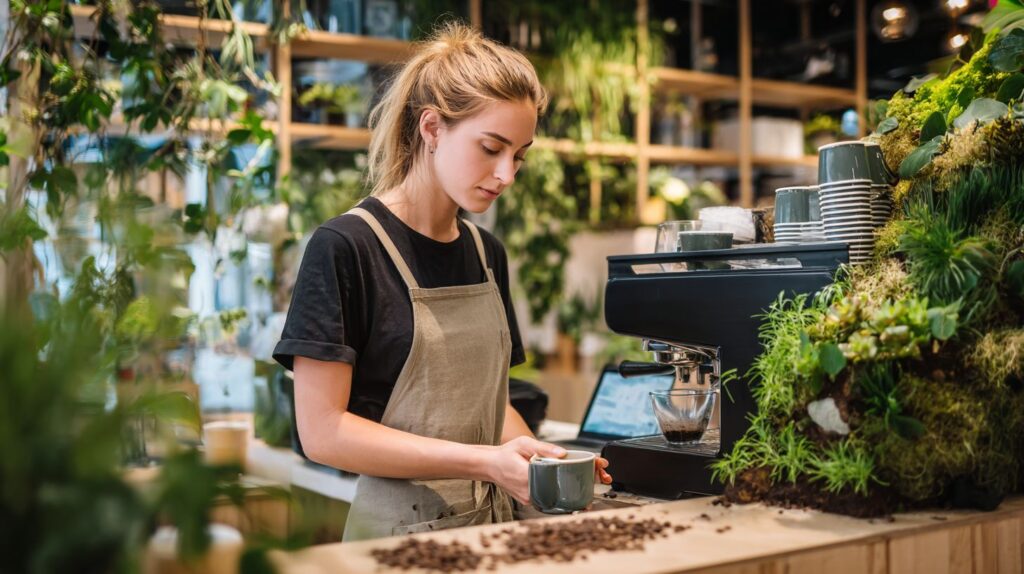
Gen Z consumers prioritize convenience with quality, as 78% seek both in their daily routines, driving $3.2 billion home brewing segment growth according to Coffee Hero reports with 42% subscription retention via personalization. These younger buyers demand smart coffee machines that fit busy lifestyles without sacrificing barista quality. Traditional coffee brewing often falls short on speed and customization, prompting shifts toward intelligent solutions with IoT connectivity and app control.
Five key challenges highlight these evolving preferences. First, time scarcity affects busy professionals, but smart machines cut prep time by 67% per Jura data through voice control and remote brewing features. Second, the skill gap in home brewing frustrates novices, yet app tutorials boost confidence by 83%, offering step-by-step guidance on grind size, brew strength, and water temperature. Third, waste concerns drive demand for sustainability, where compostable pods increase loyalty by 21%, supporting a circular economy.
Fourth, flavor fatigue from repetitive brews finds relief in AI algorithms generating 1,200 variants for personalized brewing, including single origin and cold brew options. Fifth, health focus propels functional brews with 34% sales growth, incorporating ethical sourcing and regenerative farming elements. These shifts, backed by Specialty Coffee Association insights, fuel market growth in smart home integrations like automatic maintenance and recipe suggestions via mobile apps.
Market Impacts
Smart coffee machines capture 28% North American market share by 2026, challenging Keurig’s pod dominance as Breville’s AI models achieve 3x ROI vs traditional espresso machines. This shift reflects growing demand for IoT connectivity and personalized brewing, where consumers prioritize app control over single-use pods. In North America, pod revenue faces pressure from machines offering voice control and remote brewing, driving a pivot toward sustainable options like reusable filters. Europe sees similar trends, with Jura and WMF leading in automatic maintenance features that reduce waste. Globally, market growth in smart home integration boosts adoption, as users enjoy recipe suggestions via machine learning for perfect brew strength, water temperature, and grind size.
Regional projections highlight varied compound annual growth rate trajectories, underscoring the need for targeted strategies in coffee trends. North America dominates pod revenue but smart machines erode that lead, while Europe emphasizes barista quality in home brewing. The table below details forecasts from 2026 to 2031, based on market intelligence reports.
| Region | Smart Machine Growth | Leader | Pod Revenue |
|---|---|---|---|
| North America | +18% CAGR | Keurig | $4.1B |
| Europe | +14% | Jura/WMF | $2.8B |
These figures signal opportunities in eco-friendly innovations, such as machines supporting regenerative farming-sourced single origin beans. Businesses eyeing expansion must navigate this landscape with data-driven insights from sources like the Specialty Coffee Association.
Investment Guide: 6 Steps to Enter the Market
Entering the coffee machines market requires a structured approach, starting with reliable data access. Step 1 involves a HTF Market Intelligence subscription at $2,995/yr, providing essential forecasts on smart coffee machines and coffee brewing trends. This tool tracks compound annual growth rate in regions like North America, where AI algorithms drive 28% market share for intelligent devices. Investors gain visibility into competitors like Breville, whose app control features yield high returns through personalized brewing options.
Step 2 mandates SCA certification from the Specialty Coffee Association, ensuring expertise in ethical sourcing and traceability. This credential positions entrants to capitalize on sustainability demands, such as circular economy practices in pod alternatives. Step 3 focuses on analyzing trade shows like Internorga in Hamburg, where Coffee Hero brands showcase voice assistant integration and milk frothers for flat white and nitro coffee recipes.
- Secure HTF Market Intelligence subscription for $2,995/yr to access regional projections.
- Obtain SCA certification for credibility in specialty brews.
- Attend key events like Internorga Hamburg for networking.
- Evaluate IoT connectivity patents and machine learning advancements.
- Partner with leaders in regenerative farming for single origin supply chains.
- Launch with mobile app-enabled machines supporting remote brewing and recipe suggestions.
Following these steps equips investors to tap into market growth, blending convenience, quality, and eco-friendly practices for long-term success in ready-to-drink and cold brew segments.
Learn more, Coffee Trends 2026: sustainability, quality, and experience.
Frequently Asked Questions
What are the top coffee trends in 2026?
The top coffee trends in 2026 revolve around sustainability, specialty brews, and smart machines, driving innovation in the industry. Sustainability focuses on eco-friendly sourcing and packaging, specialty brews highlight unique flavors and origins, while smart machines offer AI-powered brewing for personalized experiences.
How is sustainability shaping the top coffee trends in 2026?
Sustainability is a cornerstone of top coffee trends in 2026: sustainability, specialty brews, and smart machines. Expect widespread adoption of regenerative farming, biodegradable pods from brands like Keurig and Nespresso, and carbon-neutral certifications, appealing to environmentally conscious consumers seeking guilt-free indulgence.
What makes specialty brews a key trend in top coffee trends in 2026?
Specialty brews stand out in top coffee trends in 2026: sustainability, specialty brews, and smart machines by emphasizing single-origin beans, rare varietals, and experimental roasting techniques endorsed by the Specialty Coffee Association. These brews offer complex tasting notes, elevating coffee from commodity to artisanal craft.
How do smart machines fit into top coffee trends in 2026?
Smart machines from brands like Breville, Jura, and WMF are revolutionizing top coffee trends in 2026: sustainability, specialty brews, and smart machines with IoT connectivity, AI algorithms for voice activation, and machine learning for perfect cups tailored to user preferences, making barista-quality coffee accessible at home.
Why are top coffee trends in 2026: sustainability, specialty brews, and smart machines gaining popularity?
Top coffee trends in 2026: sustainability, specialty brews, and smart machines are surging due to consumer demand for ethical products, unique flavors, and tech integration, as reported by HTF Market Intelligence at events like Internorga in Hamburg. These trends align with wellness, personalization, and convenience in a post-pandemic world across North America, Europe, and Australia.
What can consumers expect from the intersection of sustainability, specialty brews, and smart machines in 2026 coffee trends?
In top coffee trends in 2026: sustainability, specialty brews, and smart machines, consumers will see eco-smart devices from innovators like Capitol Coffee and Coffee Hero, along with machines like Behmor and Melitta, brewing rare, ethically sourced specialty coffees from brands like Astoria, with features tracking sustainability metrics and suggesting low-waste recipes for a holistic experience.