Discover the remarkable health benefits of common herbs and spices that can enhance your well-being! From garlic’s heart health properties to turmeric’s potent anti-inflammatory effects, these natural wonders are more than just flavor enhancers, offering significant benefits for metabolic health and overall wellness. Cinnamon also offers unique advantages that can support overall wellness, including benefits for blood sugar regulation and diabetes management. In this article, we’ll explore how incorporating these powerful herbs and spices into your diet can lead to a healthier lifestyle. Uncover the secrets to harnessing their full potential today!
Table of Contents
Key Takeaways:
- Include herbs and spices into your diet for their powerful antioxidant properties, which help protect against disease and aging.
- The anti-inflammatory effects of common herbs like basil, oregano, and thyme can aid in reducing chronic inflammation and associated health issues.
- Popular spices like cinnamon, turmeric, and ginger have multiple health benefits, including boosting immunity, aiding in digestion, and providing essential antioxidants and phytochemicals. Don’t be afraid to experiment with incorporating them into your meals.
Health Benefits Overview
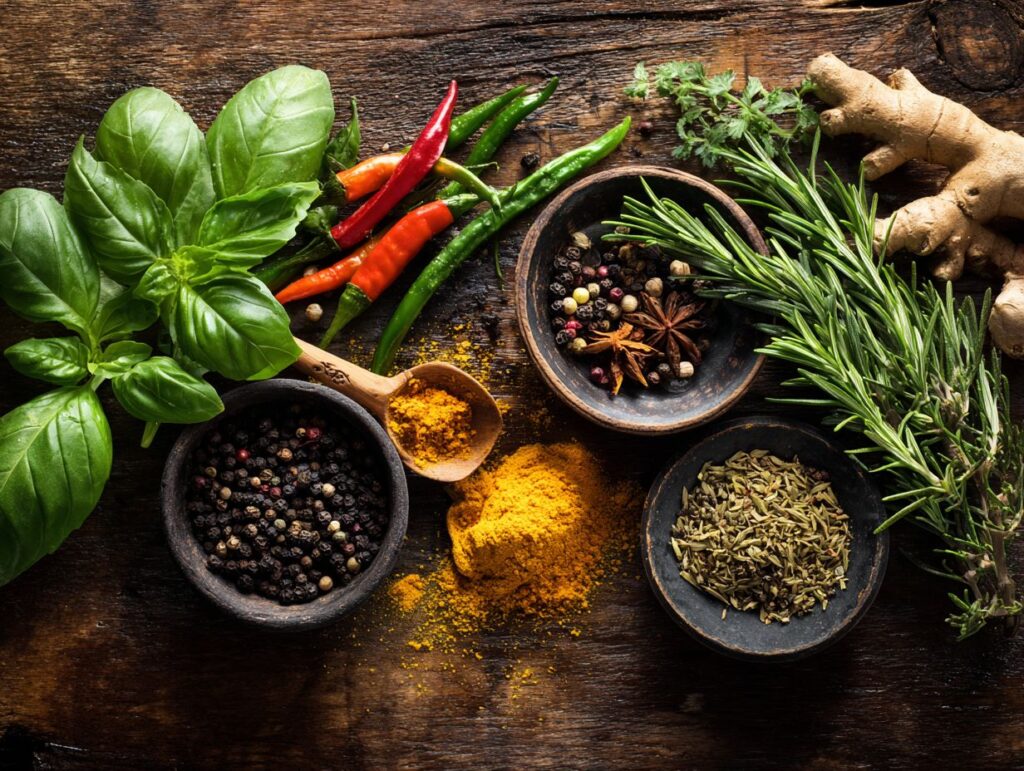
Exploring the health benefits of a diet rich in herbs and spices can also involve plant-based foods and culinary herbs.
The incorporation of herbs and spices into one’s diet can significantly enhance health outcomes by supplying essential nutrients, protective compounds, and facilitating culinary doses of dietary supplements.
Antioxidant Properties
Herbs and spices are rich in antioxidants and offer nutritional benefits that support chronic disease prevention.
Herbs such as oregano and basil are abundant in antioxidants, which play a significant role in neutralizing free radicals within the body, thereby reducing oxidative stress and contributing to cardiovascular health. These antioxidants are essential in combating inflammation and decreasing the risk of chronic diseases.
To maximize health benefits, it is advisable to incorporate the following antioxidant-rich herbs into one’s diet:
- Oregano (1 tablespoon fresh provides approximately 2,200 ORAC units)
- Rosemary (1 tablespoon fresh offers about 3,000 ORAC units)
- Thyme (1 tablespoon fresh contributes roughly 1,700 ORAC units)
A study published in the journal *Nutrition* has demonstrated that the daily consumption of these herbs can enhance overall health markers. It is recommended to aim for a daily intake of 1-2 tablespoons for optimal effectiveness.
Anti-Inflammatory Effects
Herbs and spices known for their anti-inflammatory effects can enhance dietary recommendations focused on reducing chronic conditions.
Turmeric is widely recognized for its potent anti-inflammatory properties, which can aid in the management of conditions such as arthritis and metabolic syndrome, as supported by expert advice from nutritionists and research studies. In clinical trials, participants who consumed curcumin, the active compound found in turmeric, demonstrated a significant reduction in inflammation markers after eight weeks of daily intake.
Ginger complements the effects of turmeric; studies indicate that its bioactive compounds may similarly reduce inflammatory cytokines. To incorporate these spices into a diet, individuals may consider adding turmeric to smoothies or soups and using fresh ginger in stir-fries or teas.
Regular consumption of these spices can effectively harness their health benefits, thereby contributing to overall health and well-being.
Common Herbs and Their Benefits
An exploration of common herbs unveils a wealth of health benefits that extend beyond culinary enhancement, particularly in the promotion of cardiovascular health and the management of cholesterol levels.
Basil
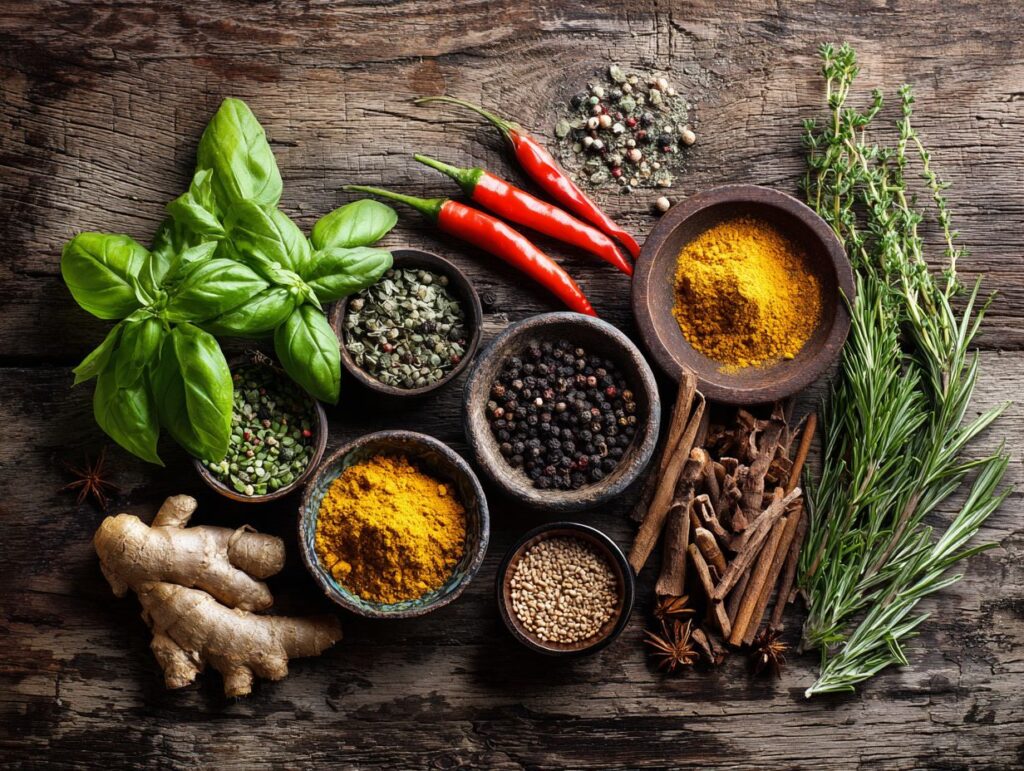
Basil is not only a flavorful addition to various dishes but also possesses properties that may contribute to the reduction of blood pressure, improvement of heart health, and management of cholesterol levels.
Research indicates that basil is rich in antioxidants, which help combat oxidative stress associated with heart disease. A study published in the Journal of Nutrition found that the consumption of basil can significantly lower cholesterol levels.
To maximize its health benefits, it is advisable to incorporate fresh basil into salads, pesto, or as a garnish for soups. Adding basil to a tomato salad not only enhances the flavor but also combines its health benefits with the lycopene found in tomatoes, further supporting cardiovascular health.
It is recommended to include at least a few tablespoons of fresh basil in your meals each week.
Checkout Basil: Nutrition, Health Benefits, Uses and More
Oregano
Oregano is part of a phytochemical-rich diet that supports gut health and overall well-being.
Oregano is rich in antioxidants, which provide protective benefits against chronic diseases and contribute to gut health. This aromatic herb contains phytochemicals such as carvacrol and thymol, both recognized for their antibacterial properties.
Incorporating oregano into meals can be both straightforward and flavorful. For example, one can add dried oregano to spaghetti sauces or sprinkle fresh leaves on pizza prior to baking.
Additionally, an oregano-infused oil can be prepared by steeping fresh leaves in olive oil for two weeks; this oil can then be utilized in salad dressings or drizzled over roasted vegetables.
These techniques not only enhance the flavor of various dishes but also improve their nutritional value.
Thyme
Thyme is not only a versatile culinary herb, but it has also been associated with improved respiratory health and antimicrobial properties.
Research indicates that thyme contains compounds such as thymol and carvacrol, which are recognized for their efficacy against respiratory infections. For instance, using a dilution of thyme oil in a diffuser may help alleviate symptoms of coughing and nasal congestion.
Additionally, incorporating fresh thyme into soups or stews can be beneficial; a straightforward recipe includes thyme, garlic, and vegetable broth to create a soothing tea. Furthermore, thyme-infused honey has demonstrated antiseptic qualities, making it a valuable remedy for sore throats.
Integrating these methods into one’s routine can effectively harness the potential health benefits of thyme.
Popular Spices and Their Uses
Utilizing popular spices can enhance flavor profile while benefiting from their medicinal purposes.
Well-known spices such as turmeric, cinnamon, and ginger not only provide distinctive flavors but also confer numerous health benefits, establishing them as essential components in various dietary practices.
Cinnamon
Cinnamon’s health properties can be an integral part of dietary intake strategies.
Cinnamon has demonstrated efficacy in managing blood sugar levels and may reduce the risks associated with type 2 diabetes. Research indicates that cinnamon can enhance insulin sensitivity, thereby contributing to improved blood sugar control.
For optimal results, it is recommended to incorporate one teaspoon of ground cinnamon into your daily dietary routine.
This can be achieved by adding it to morning oatmeal or sprinkling it on smoothies.
Additionally, cinnamon can be utilized in savory dishes such as chili or curries, enhancing flavor while providing health benefits.
Regular consumption of cinnamon, in conjunction with a balanced diet and exercise, can significantly support metabolic health.
Turmeric
Turmeric offers health properties that are often included in culinary herbs for enhanced dietary doses.
Turmeric contains curcumin, a compound known for its potent anti-inflammatory and antioxidant properties, which can significantly influence heart health.
Various clinical trials have established a link between curcumin and a reduced risk of heart disease, primarily through improvements in endothelial function and reductions in cholesterol levels. To utilize these benefits, it is recommended to incorporate turmeric into daily meals.
A daily intake of approximately 1-2 teaspoons is advisable, which can be added to smoothies, soups, or stir-fries. For optimal absorption, it is beneficial to pair turmeric with black pepper, as it contains piperine, which enhances the bioavailability of curcumin.
An example of a nutritious recipe includes golden milk, which involves mixing turmeric with almond milk, coconut oil, and a pinch of black pepper to create a healthful beverage.
Ginger
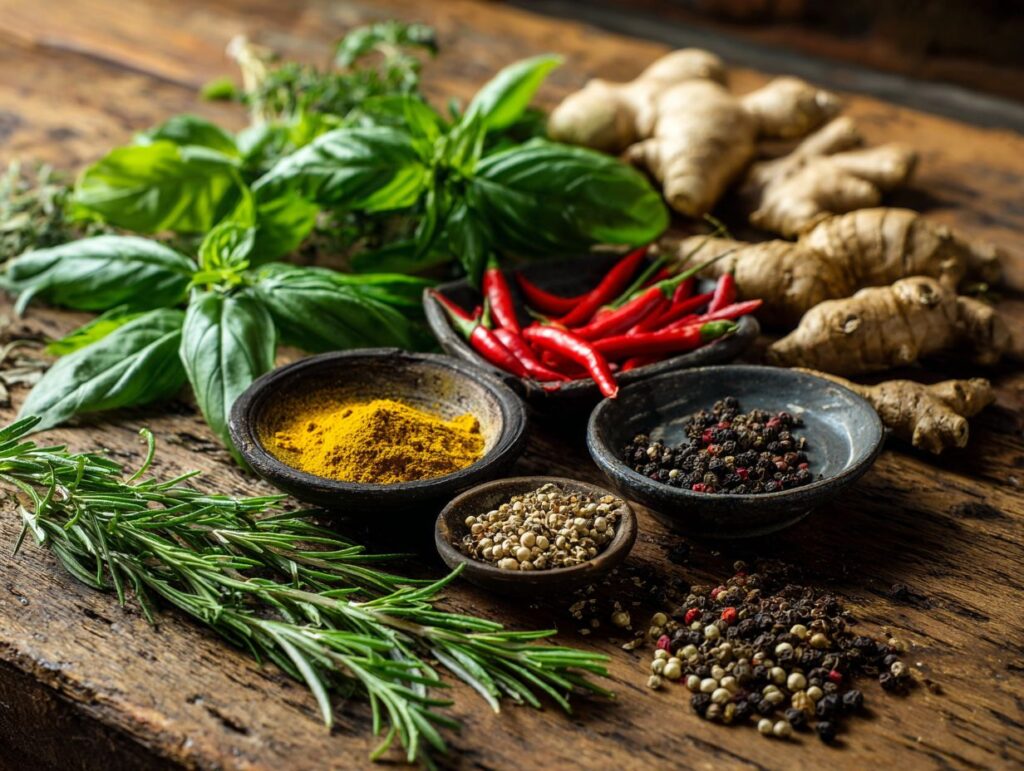
Ginger is a staple in both cooking and health supplements for its extensive health benefits.
Ginger is widely recognized for its efficacy in aiding digestion and alleviating nausea, thereby serving as a valuable addition to any dietary regimen.
Recent studies have indicated that ginger can significantly reduce bloating and enhance overall digestive function.
For practical application, individuals may consider incorporating fresh ginger into smoothies or grating it into stir-fries. A general guideline is to include approximately one teaspoon of fresh ginger or half a teaspoon of dried ginger per meal.
Additionally, consuming ginger tea-prepared by steeping sliced ginger in hot water for approximately 10 minutes-can provide soothing effects for individuals experiencing digestive discomfort.
Incorporating Herbs and Spices into Your Diet
Incorporating herbs and spices into your diet is a practical approach to improving health outcomes and mitigating health risks.
Incorporating herbs and spices into one’s daily diet offers an excellent opportunity to enhance flavor while simultaneously increasing nutritional value and health benefits.
To effortlessly enrich meals with additional flavor and beneficial properties, consider utilizing fresh basil in salads and pasta dishes, as it may promote digestive health.
Turmeric, known for its anti-inflammatory advantages, can be incorporated into soups and stir-fries, ideally at a dosage of approximately one teaspoon per day to achieve optimal results.
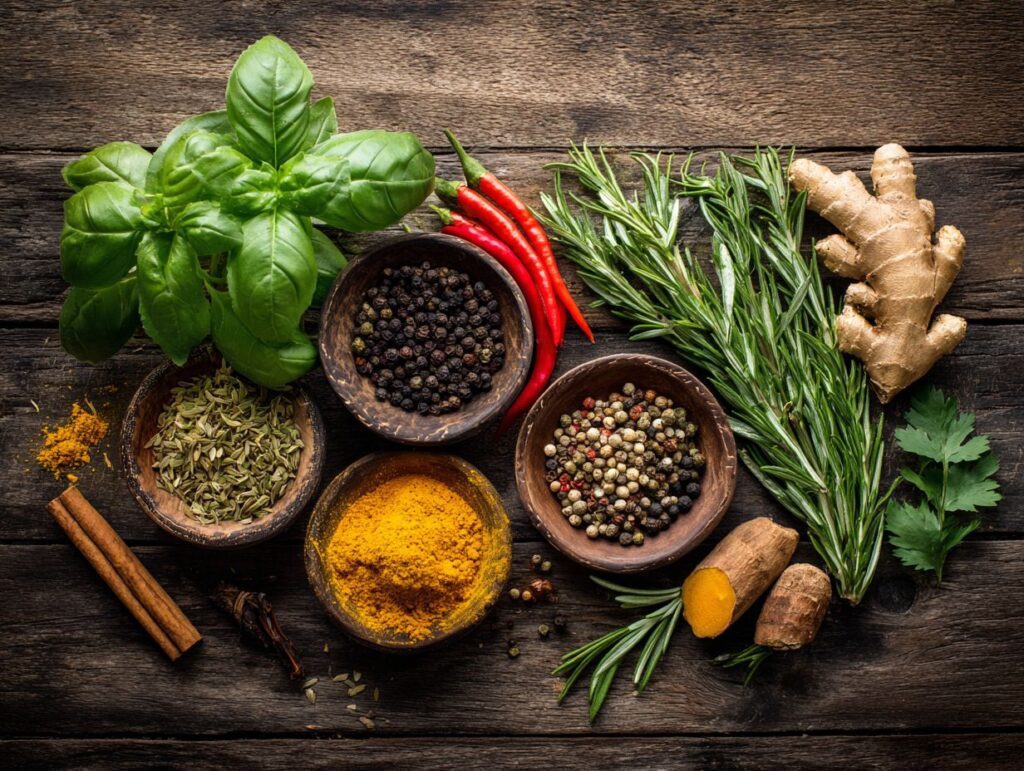
Additionally, adding cinnamon to oatmeal or smoothies provides a sweet flavor without the need for added sugars, thereby contributing to blood sugar regulation.
By exploring these suggestions, one can uncover a variety of flavorful and health-promoting combinations that elevate everyday culinary practices.
Frequently Asked Questions
Explore frequently asked questions to uncover wellness tips and expert advice.
What are the health benefits of common herbs and spices you should know?
Common herbs and spices have been known for their medicinal properties for centuries. Some of the health benefits include boosting the immune system, reducing inflammation, and improving digestion.
Which herbs and spices are known for their anti-inflammatory properties?
Turmeric, ginger, and cinnamon are all known for their anti-inflammatory properties. They can help reduce inflammation in the body and may also provide pain relief for conditions like arthritis.
How do herbs and spices improve digestion and enhance flavor diversity?
Many herbs and spices have been used for centuries to aid digestion and serve as flavor enhancements. Some, like fennel and peppermint, can reduce bloating and gas, while others, like cumin and coriander, can aid in the breakdown of food.
What herbs and spices can boost the immune system and contribute to preventative health?
Garlic, oregano, thyme, and herbal supplements are all known for their immune-boosting properties. They contain compounds that can help fight off bacteria and viruses, keeping your immune system strong and supporting cardiovascular disease prevention.
Can herbs and spices help with weight loss and healthy eating?
Certain herbs and spices, like cayenne pepper, allspice, green tea, and saffron, have been shown to boost metabolism and aid in weight loss. They can also add flavor to healthy meals, making them a great addition to any weight loss plan.
Are there any potential risks or side effects of using herbs and spices for their health benefits, according to the NHS and Victoria Taylor from the British Heart Foundation?
While herbs and spices are generally safe to consume, it is important to use them in moderation, as recommended by health newsletters, and consult with a healthcare professional if you have any underlying health conditions. Some may also interact with certain medications, so it is important to check for potential interactions and ensure food safety. Always use caution and common sense when incorporating herbs and spices into your diet.