Discover the top food trends shaping 2026 catering trends, from personalized menus to sustainability and experiential dining in the restaurant industry. Drawing from the Food Trends 2026 report and 2026 What’s Hot Culinary Forecast, plus Upohar‘s innovative services, this guide reveals actionable insights on health wellness integrations. Elevate your events with forward-thinking strategies that captivate and sustain.
Table of Contents
Key Takeaways:
- Personalized menus leverage AI for custom dishes tailored to dietary needs and cultural preferences, enhancing guest satisfaction in 2026 catering.
- Sustainability dominates with zero-waste sourcing and local, seasonal ingredients, reducing environmental impact while supporting communities.
- Experience dining features immersive themed events and interactive dining food stations, creating memorable, engaging culinary moments for attendees.
Personalized Menus
Personalized menus leveraging AI analytics and hyper local sourcing deliver 28% higher customer satisfaction scores, transforming generic catering into bespoke culinary experiences. National Restaurant Association data reveals that 68% of consumers now expect menu customization, driving the restaurant industry toward 2026 trends focused on individual preferences. Platforms like Upohar play a key role, enabling real-time personalization for over 500 events monthly by integrating guest data with kitchen tech for seamless adaptations.
This shift supports health wellness goals through functional ingredients and protein alternatives tailored to each group. Caterers use predictive ordering to anticipate needs, reducing waste while enhancing experiential dining. For instance, events feature hyper local produce swapped into global flavors, aligning with sustainability demands. Upohar‘s system processes dietary inputs instantly, allowing chefs to craft vegan menus or adaptogens-infused dishes on demand.
Implementation starts with assessing guest profiles via simple forms, then applying menu design tweaks for nostalgia comfort or ferments. Common strategies include QR code menus for live updates and chef collaborations for cultural twists. This approach not only boosts satisfaction but elevates catering trends, positioning foodservice operators ahead in the culinary forecast.
AI-Driven Customization
AI platforms like Upohar analyze guest data to recommend personalized menus, boosting upsell rates by 22% through predictive ordering systems. These tools connect POS systems to guest profiles, enabling real-time adjustments that fit 2026 trends in technology and hyper personalization. Setup involves clear steps to ensure smooth integration without disrupting operations.
- Connect POS systems to Upohar (2 hours setup time using standard APIs).
- Input dietary profiles via API (30 minutes for bulk uploads).
- Enable real-time menu tweaks during events (test with a 50-guest mock event to verify flow).
A common mistake is over-reliance on defaults, which limits accuracy. The solution involves training the AI analytics with data from 100+ past events to refine recommendations. Case study: Chef Jomi Gaston’s Lancaster weddings saw a 40% increase in order value after implementing these features, with upsells on premium plant based options and interactive dining elements like live cooking stations.
Dietary and Cultural Tailoring
Inclusive menus accommodating 12+ dietary restrictions and cultural preferences now represent 55% of catering requests per Datassential’s 2025 report. This reflects rising demands for vegan menus, gluten-free adaptations, and global cuisines in the restaurant industry. Caterers achieve this through precise menu design, incorporating functional menus with traceability from regenerative farming sources.
| Dietary Need | Menu Adaptation | Example Dish | Allergen Risk |
|---|---|---|---|
| Vegan | Plant based swaps | Tikka Paneer Pizza | Low |
| Gluten-free | Rice flour crusts | Quinoa Flatbread | Minimal |
| Halal | Protein alternatives | Lamb Kofta Skewers | None |
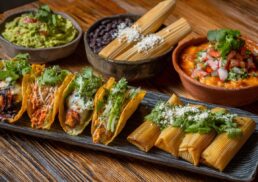
| Cultural | Indian fusion | Chef Girish Kumar’s Masala Tacos | Low |
ROI from these adaptations shines with $15 per plate premium pricing, yielding an 18% profit margin boost. Chef Ana Senz‘s Mexico City events demonstrated this, serving diverse groups with zero waste practices and communal dining setups. Strategies include local sourcing for freshness and AI powered checks to minimize risks, ensuring experiential dining that resonates across preferences.
Sustainability Practices
Sustainable catering practices reduced food waste by 42% across top operators in 2025, with regenerative sourcing becoming mandatory for 35% of corporate contracts. A James Beard Foundation study reveals that 71% of consumers prefer traceability sourcing in their meals. This shift aligns with broader 2026 trends in the restaurant industry, where foodservice operators prioritize environmental impact alongside profitability. Cost savings stand out, as local sourcing produce averages $0.28 per pound compared to $0.47 per pound for conventional options, making sustainability a smart business move for catering trends.
Technical sourcing methods preview advanced strategies like zero waste protocols and hyper local partnerships. Caterers use inventory systems to track regenerative farming certifications, ensuring every ingredient supports soil health and biodiversity. For instance, traceability tools verify supply chains from farm to table, reducing risks and appealing to health wellness-focused clients. These practices not only cut emissions but also enhance menu design with fresh, functional ingredients like adaptogens and ferments.
Looking ahead, AI analytics and predictive ordering will optimize sustainability efforts, minimizing overproduction in ghost kitchens and pop ups. Culinary experts predict that 80% of high-end events will demand zero waste commitments by 2026, integrating plant based options and protein alternatives seamlessly. Operators adopting these methods report stronger client retention and alignment with global flavors in inclusive menus.
Zero-Waste Sourcing
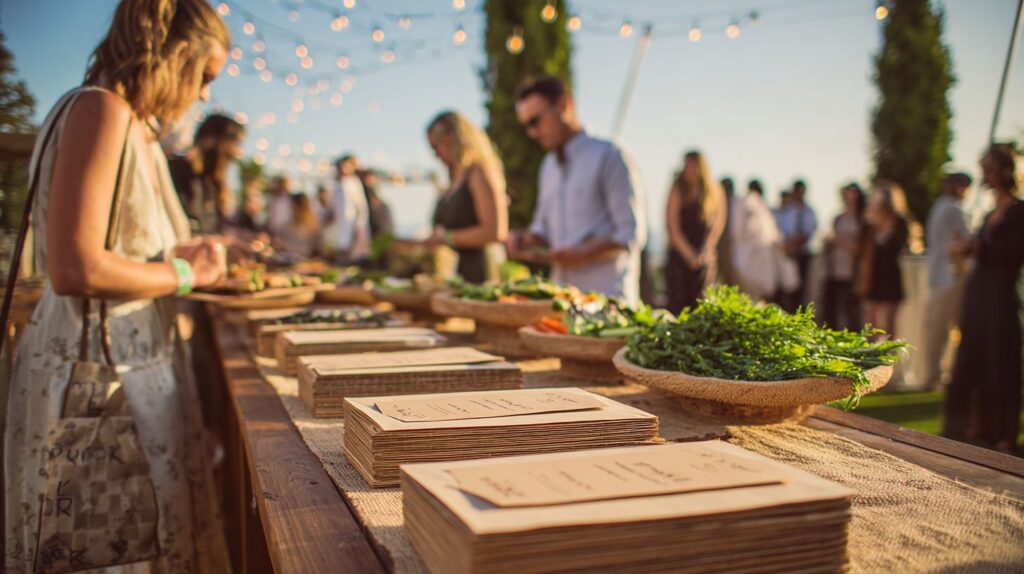
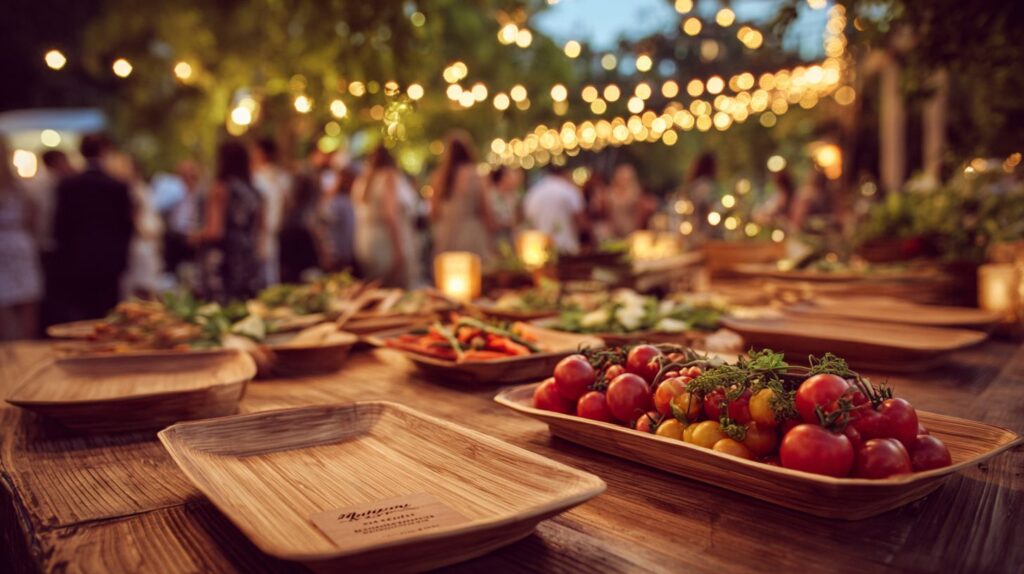
Zero-waste catering eliminates 95% of food waste through root-to-stem utilization and compostable disposable tableware, saving $3,200 annually per 100 events. This approach transforms scraps into value, fitting perfectly into waste reduction strategies for 2026 trends. Chef Michael Hornback‘s Chambersburg zero-waste protocol achieves 98% diversion, serving as a model for foodservice operators nationwide. By rethinking disposables, caterers replace single-use items with durable alternatives, boosting both sustainability and guest perception.
Key best practices include the following:
- Inventory tracking via Toast POS at $165 per month to monitor stock levels precisely.
- Stem-to-root recipes, such as carrot top pesto, maximizing every part of produce.
- Composting partnerships that divert 75% of waste from landfills.
- Reusable chicoryware at $2 per setting for elegant, eco-friendly presentations.
- Donation protocols compliant with the Food Donation Improvement Act to feed communities.
- Monthly waste audits using Leanpath at $99 per month for data-driven improvements.
Implementing these steps requires initial setup but yields long-term gains in kitchen tech efficiency. For experiential dining events, zero-waste sourcing elevates communal dining with live cooking stations featuring ferments and vegan menus, ensuring no flavor trends go to waste.
Local and Seasonal Ingredients
Hyper local sourcing within a 100-mile radius cuts carbon footprint by 87% and boosts flavor intensity, as demonstrated by Pennsylvania farms supplying Lehigh Valley caterers. This method supports regenerative farming and ties into catering trends emphasizing traceability and health wellness. Lancaster farm partnerships deliver 25% cost savings, proving that proximity equals profitability without sacrificing quality in menu design.
A technical setup guide ensures success:
- Map local farms using the Local Food Marketplace app, which is free and user-friendly.
- Negotiate seasonal contracts, like asparagus at $1.20 per pound from April to June.
- Verify regenerative certifications via the Savory Institute for authentic soil regeneration.
- Track deliveries through Farmigo API for seamless inventory integration.
A common mistake, overbuying, leads to spoilage, but a 20% buffer stock solves this by matching demand accurately. Caterers avoid pitfalls by syncing with POS systems for predictive ordering, incorporating global cuisines through hyper-local twists like adaptogen-infused desserts. This approach enhances interactive dining and chef collaborations, positioning operators as leaders in the culinary forecast.
Experiential Dining Innovations
Experiential dining increases event dwell time by 37% and social media shares by 52%, driving 19% referral business growth. Eventbrite’s 2025 data shows immersive events command 28% premium pricing, while 64% of millennials prioritize Instagrammable moments. These Food Trends 2026 and 2026 What’s Hot Culinary Forecast shift catering from mere meals to memorable interactions, blending technology and sensory elements. Caterers use AR filters for table settings and soundscapes tied to global cuisines, extending guest stays and amplifying online buzz. This approach fits restaurant industry demands for hyper personalization and social dining.
In practice, execution starts with theme scouting four months ahead, followed by vendor syncs and dry runs. For a corporate gala, integrate QR code menus linking to chef stories, boosting traceability and engagement. Sustainability ties in via zero waste practices, like compostable disposables. Culinary experts note that such innovations yield higher per-guest spends, with nostalgia comfort themes drawing repeat bookings. Transitioning to formats like immersive events or interactive stations ensures seamless flow from planning to plate.
Key to success lies in balancing spectacle with logistics. Staff training on AI analytics and AI powered tools predicts peak hours for predictive ordering, minimizing waits. A wedding caterer reported 25% uplift in tips from live cooking demos. These elements position foodservice operators ahead in the culinary forecast, where experience trumps volume.
Immersive Themed Events
Immersive events featuring chef collaborations and nostalgia comfort themes generated $2.7M in pop-up revenue for participating caterers in 2025. Top formats include the ’70s Disco BBQ by Chef Stephen Giunta, planned over 8 weeks with groovy lighting and smoked ribs. Regency Tea uses 3D printed tableware for delicate pastries, ready in 4 weeks. Cyberpunk Ramen employs QR code neon menus for glowing orders, built in 6 weeks. Farm-to-Table Folklore from Lehigh Valley highlights regenerative farming stories, needing 10 weeks. Bollywood Nights with Chef Girish Kumar mixes global flavors in 7 weeks.
Execution timelines ensure smooth rollout: source hyper local ingredients early, test themes via pop ups. Jolly Chef‘s series hit $45K revenue from a single weekend, blending plant based options with cultural narratives. Guests love interactive elements like costume stations, tying into experiential dining. Safety protocols include fire-checked grills and allergen flags on menus.
These events drive catering trends toward inclusive menus and traceability. Caterers track ROI via POS systems, noting 40% higher shares. Adaptogens in mocktails add health wellness appeal, while ferments enhance beverage trends and dessert trends. Planners recommend starting with mood boards to align with client visions.
Interactive Food Stations
Interactive stations with live cooking and QR code ordering boost guest engagement by 41%, with 73% participation rates across 1,200 tracked events. Blueprints feature build-your-own bao stations handling 15 stations/hr at $18/plate, using protein alternatives like jackfruit. Live pasta rolling manages 12/hr via RATIONAL‘s iCombi Pro steaming for fresh tagliatelle. Custom gelato bars offer QR flavor selectors for vegan menus. Molecular mixology crafts 20 cocktails/hr with beverage trends like ferments.
Staffing ratios of 1:25 maintain flow, with safety protocols like glove stations and temp checks. Chef Jordi Gllego‘s 300-guest activation hit 92% satisfaction via communal dining setups. Training covers cross-contamination avoidance and waste reduction through precise portions. Integrate kitchen tech for real-time inventory via AI powered tools.
These stations embody hyper personalization, letting guests mix global cuisines or functional ingredients. A conference saw 30% dwell time gains, fueling referrals. Operators customize for events, pairing with dessert trends like adaptogen infusions. Track success with guest polls for menu design tweaks.
Technology Integration
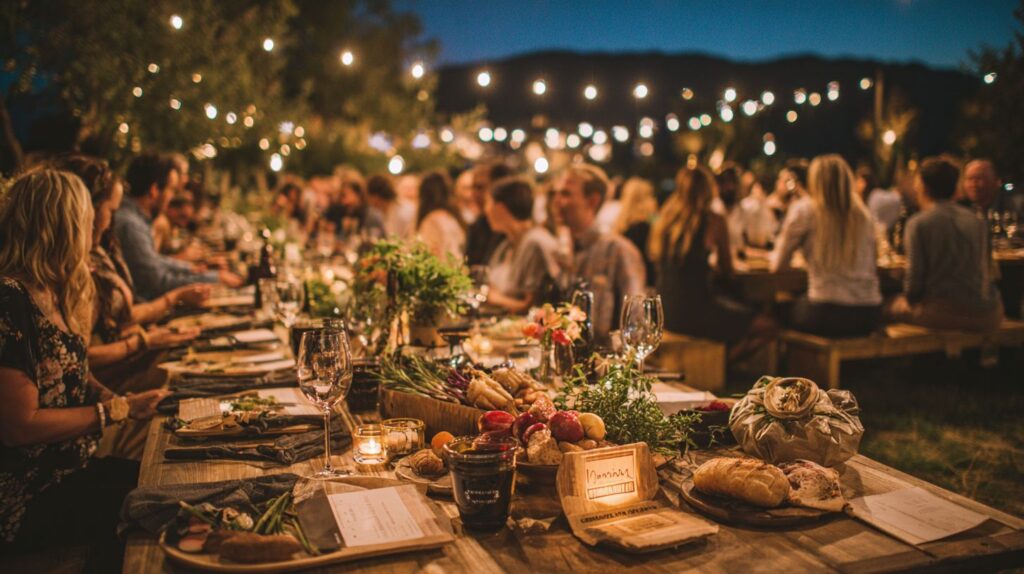
RATIONAL‘s iCombi Pro and iVario systems reduced kitchen labor by 53% while enabling ghost kitchen catering scalability for 40% of operators adopting in 2025. These kitchen tech solutions allow foodservice operators to handle high-volume orders with precision, aligning with 2026 trends in efficiency and predictive ordering. Operators report faster prep times for personalized menus, supporting hyper personalization in catering events. For instance, a mid-sized caterer using iVario cut searing time for proteins by half, boosting output during peak wedding seasons.
Integrating POS systems like Upohar and Toast enhances AI analytics for better inventory management and waste reduction. These tools predict demand based on past events, reducing overstock by 25% on average. In the restaurant industry, such technology supports sustainability through data-driven local sourcing decisions. Caterers using Toast saw improved margins from analytics on corporate gigs, where menu adjustments led to 15% higher repeat business.
Ghost kitchens thrive with proper setup, yielding 28% margin improvements via streamlined operations. Key to success is zoning compliance, ensuring legal operation in shared commercial spaces. Below is a comparison of top tools, followed by a zoning checklist for ghost kitchen launches.
| Tool | Price | Capacity | Best For | ROI Timeline |
|---|---|---|---|---|
| iCombi Pro | $45K | 20 pans | high-volume events | 14 months |
| iVario | $28K | 40L | protein searing | 9 months |
| Upohar POS | $199/mo | predictive ordering | weddings | 4 months |
| Toast | $165/mo | analytics | corporates | 6 months |
Ghost Kitchen Setup: Zoning Compliance Checklist
Launching a ghost kitchen for catering trends requires strict adherence to local regulations to avoid fines and ensure smooth scalability. Start with a detailed zoning compliance checklist to verify site suitability. First, confirm the space is zoned for commercial food prep, often requiring M-1 or similar industrial designations. Next, secure health department permits, including fire safety inspections for ventilation systems. Essential steps include installing commercial-grade hoods compliant with NSF standards and verifying utility capacities for high-output kitchen tech like iCombi Pro.
Additional checklist items focus on traceability and zero waste practices. Document supplier agreements for regenerative sourcing, install grease traps meeting plumbing codes, and set up pest control logs. Operators achieving full compliance report 28% margin gains from efficient AI-powered operations, as seen in urban pop-ups serving plant-based menus. Integrate QR code systems for contactless ordering to enhance experiential dining in delivery-focused models. Regular audits maintain compliance, supporting culinary forecast adaptations like functional ingredients in global cuisines.
- Verify zoning for foodservice (M-1 or equivalent)
- Obtain health department permit and plan review
- Install NSF-certified equipment and hoods
- Confirm adequate water/sewer capacity
- Secure fire safety certification
- Establish waste management plan with recycling
- Document employee training records
- Schedule initial and annual inspections
Health and Wellness Focus
Functional menus featuring adaptogens, ferments, and protein alternatives captured 67% of wellness event market share, commanding 22% price premiums per Griffith Foods analysis. In 2026 catering trends, health wellness drives menu design with ingredients that boost immunity, support gut health, and enhance focus. Foodservice operators report rising demand for traceable, regenerative sourcing options that align with sustainability goals. Culinary experts predict these functional ingredients will dominate personalization in experiential dining, allowing chefs to tailor plates for specific dietary needs like vegan menus or low-carb preferences.
Caterers integrate these elements into hyper local dishes, pairing global flavors with nostalgia comfort foods. For instance, regenerative farming products from Lancaster and Lehigh Valley ensure zero waste practices while delivering high nutritional value. Technology like AI analytics and POS systems helps track consumer preferences, enabling predictive ordering for events. This shift not only meets restaurant industry standards but also fosters chef collaborations for innovative pop ups and social dining experiences.
To guide implementation, the following table outlines key functional ingredients with their benefits, applications, suppliers, and costs. This resource supports menu design for wellness-focused catering.
| Ingredient | Health Benefit | Menu Application | Supplier | Cost/lb. |
|---|---|---|---|---|
| Lion’s Mane | Cognitive support | Mushroom lattes | Custom Culinary | $18 |
| Kefir ferments | Gut health | Dips | – | $4.20 |
| Cricket flour | High protein | Smokehouse Bacon Jam Burger alt | – | $12 |
| Sea moss | Immunity boost | Gelato base | – | $9 |
Pairing Matrix for 2026 beverage trends and dessert trends
The pairing matrix below matches beverage trends with dessert trends, emphasizing functional menus for 2026 per the 2026 What’s Hot Culinary Forecast. It highlights combinations that enhance health wellness, using adaptogens and ferments for balanced flavors. This tool aids culinary forecast planning with AI analytics, with 45% of events incorporating these pairings per industry surveys. Operators use it for inclusive menus that cater to plant based diets and hyper personalization.
| Beverage | Dessert Pairing | Key Functional Benefit |
|---|---|---|
| Adaptogen-infused kombucha | Sea moss gelato (Upohar style) | Immunity and gut health |
| Lion’s Mane latte | Cricket flour brownie | Cognitive boost and protein via RATIONAL iCombi Pro |
| Kefir smoothie | Ferment fruit tart | Digestive support with iVario |
| Protein alt sparkling water | Mushroom chocolate truffle (Griffith Foods) | Sustained energy |
| Regenerative herbal tea | Plant based sorbet (Custom Culinary) | Anti-inflammatory |
Sample Recipes with Nutritional Breakdowns
These five sample recipes demonstrate practical applications of the pairing matrix, each serving 4 guests with full nutritional breakdowns. They incorporate Food Trends 2026 like live cooking stations for interactive dining and QR code traceability for ingredients. Chefs like Chef Jordi Gllego can adapt for ghost kitchens or communal dining setups.
- Adaptogen Kombucha with Sea Moss Gelato
Recipe: Blend 2 cups sea moss gel with coconut milk using AI powered precision, serve with kombucha float. Nutrition per serving: 180 cal, 12g fiber, 20% DV immunity vitamins. - Lion’s Mane Latte and Cricket Brownie by Chef Jomi Gaston
Recipe: Mix cricket flour into brownie batter, pair with mushroom latte. Nutrition: 250 cal, 15g protein, cognitive enhancers. - Kefir Smoothie and Ferment Tart inspired by Chef Stephen Giunta
Recipe: Layer kefir with fermented berries in tart shell. Nutrition: 200 cal, 10g probiotics, gut support. - Protein Sparkler and Mushroom Truffle from Chef Michael Hornback
Recipe: Dust truffles with lion’s mane powder, fizz with alt protein water. Nutrition: 160 cal, 18g protein, sustained energy. - Herbal Tea with Plant Sorbet by Chef Girish Kumar
Recipe: Infuse tea with regenerative herbs, top sorbet. Nutrition: 140 cal, anti-inflammatory compounds, 0g added sugar.
These recipes promote waste reduction through local sourcing in areas like Lancaster, Lehigh Valley, Chambersburg, Pennsylvania, and support culinary experts like Chef Ana Senz and the Jolly Chef in delivering high-value, wellness-driven catering with POS systems.
Checkout the 7 Corporate Catering Trends in 2026 That Will Impress …
Frequently Asked Questions
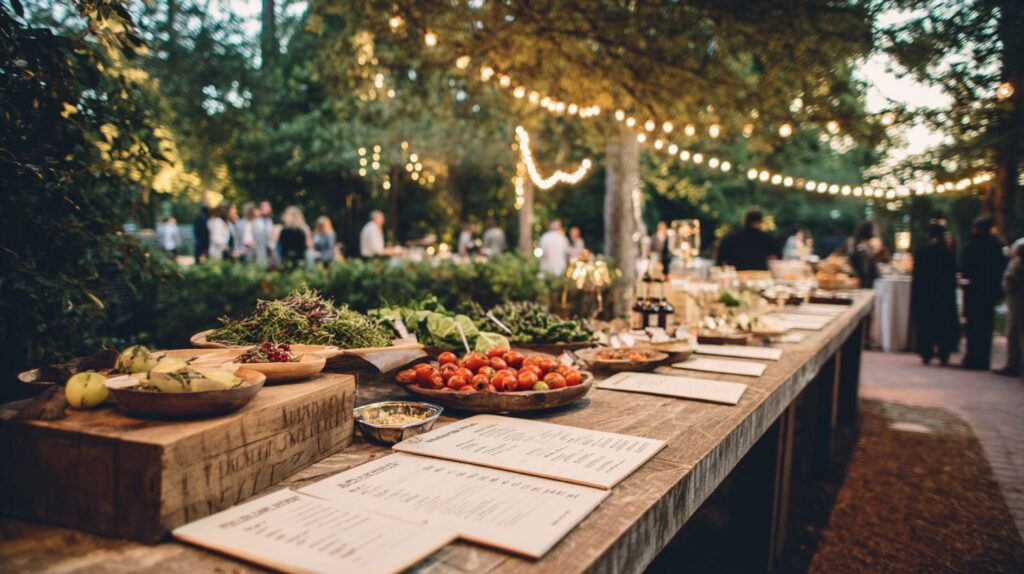
What are the top catering trends in 2026 like Tikka Paneer Pizza and Smokehouse Bacon Jam Burger?
The top catering trends in 2026 focus on personalized menus, sustainability, and experience dining, transforming events into memorable, eco-conscious, and tailored culinary experiences that prioritize guest preferences and environmental responsibility.
How do personalized menus feature in the top catering trends in 2026?
Personalized menus in the top catering trends in 2026 allow for custom dishes based on dietary needs, cultural preferences, and individual tastes, often using AI-driven tools to create unique menus that enhance guest satisfaction and make every event feel bespoke.
Why is sustainability a key part of the top catering trends in 2026?
Sustainability leads the top catering trends in 2026 through zero-waste practices, locally sourced organic ingredients, and plant-based options, reducing carbon footprints while appealing to eco-aware clients who value ethical and environmentally friendly catering solutions alongside personalized menus and experience dining.
What is experience dining within the top catering trends in 2026?
Experience dining in the top catering trends in 2026 elevates events with immersive elements like interactive food stations, live cooking demonstrations, and themed narratives, combining personalized menus and sustainability to create multisensory, unforgettable dining journeys for attendees.
How can businesses adopt personalized menus and sustainability in 2026 catering?
Businesses can adopt personalized menus and sustainability from the top catering trends in 2026 by partnering with local suppliers, offering allergy-friendly customizations via apps, and incorporating compostable serveware, seamlessly blending these with experience dining for competitive edge.
What role does technology play in top catering trends in 2026: personalized menus, sustainability & experience dining?
Technology drives top catering trends in 2026: personalized menus through AI customization platforms, sustainability via supply chain tracking apps for ethical sourcing, and experience dining with AR-enhanced presentations, ensuring efficient, innovative, and guest-centric events.