Dairy-free frozen desserts have come a long way, offering rich and creamy flavors that rival the real thing, delighting ice cream lovers with plant-based flavors. Inspired by artisans like Tyler Malek at Salt & Straw, these treats often rely on non-dairy milk, particularly coconut milk and coconut cream, to create indulgent homemade ice cream without the dairy. Dive into this article to discover delicious recipes, key ingredients, and expert tips that will satisfy your sweet cravings while keeping it dairy-free!
Table of Contents
Key Takeaways:
- Indulge in dairy-free frozen desserts without sacrificing taste and texture.
- Coconut milk and cream, nut-based milks, and fruit purees are key ingredients that provide a creamy mouthfeel and satisfying alternative to dairy.
- From classic flavors like vanilla and chocolate to unique combinations of fruit and nuts, there are endless options for creating dairy-free frozen desserts that taste just like traditional ones.
Key Ingredients for Dairy-Free Alternatives
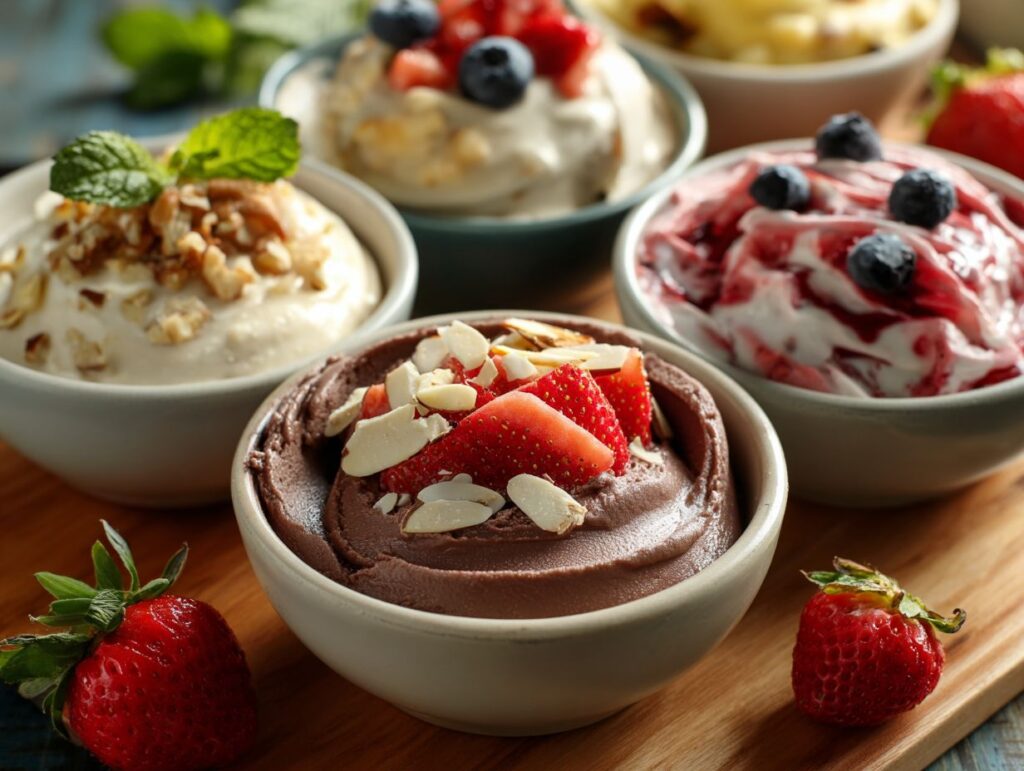
The creation of high-quality dairy-free frozen desserts is contingent upon the careful selection of ingredients that ensure both texture and flavor profiles while omitting traditional dairy products.
Coconut Milk and Cream
Coconut milk and cream serve as foundational ingredients in numerous dairy-free ice cream recipes, contributing both a rich texture and a distinct coconut flavor that appeals to a wide range of taste preferences.
Plus enhancing creaminess, coconut milk contains approximately 550 calories per cup and is high in medium-chain triglycerides (MCTs), which can provide a rapid source of energy, offering a unique coconut taste. This characteristic makes it an excellent alternative to cow’s milk, which generally possesses lower fat content but higher protein levels.
For optimal flavor and quality, brands such as So Delicious and NadaMoo are noteworthy for their organic, coconut-based options.
When incorporating coconut milk into recipes, it is advisable to use canned varieties for applications requiring a thicker consistency, while carton versions are well-suited for smoothies or lighter desserts.
Nut-Based Milks
Nut-based milks, such as almond and cashew, provide creamy, dairy-like textures that serve as excellent foundations for a variety of frozen dessert recipes.
Almond milk, containing approximately 30 calories per cup, is an excellent choice for light desserts and complements flavors such as vanilla and chocolate effectively. Conversely, cashew milk presents a richer, slightly sweeter profile, making it particularly suitable for creamy sauces and ice creams.
For those seeking to enhance their dessert offerings, reputable brands like Oatly and Forager provide high-quality nut milks.
- Almond milk is particularly well-suited for sorbets or smoothies,
- while cashew milk excels in custards and creamy frozen treats, demonstrating their versatility in culinary applications.
Fruit Purees
Fruit purees not only enhance flavor profiles but also contribute natural sweetness and vibrant colors to dairy-free frozen desserts, thereby making them more appealing and healthier.
To create your own fruit purees, it is advisable to select ripe fruits such as bananas, strawberries, or mangoes. The process involves simply blending the fruit with a splash of citrus juice, which helps to preserve both the color and flavor.
For instance, a mango puree can be transformed into a flavorful sorbet by combining it with coconut milk, inviting taste testers to enjoy unique flavors.
Seasonal trends often emphasize berry blends in the summer, such as a raspberry-blueberry puree, or a cozy spiced apple puree during the fall.
These purees serve not only as delicious toppings but also as a base for refreshing desserts, thereby elevating culinary creations with minimal effort.
Flavor Profiles That Mimic Traditional Desserts
To meet the expectations of ice cream enthusiasts, dairy-free desserts must effectively replicate the rich and indulgent flavors characteristic of their traditional counterparts, embracing premium ice cream standards.
This can be accomplished through the strategic combination of ingredients.
Vanilla and Chocolate Variations
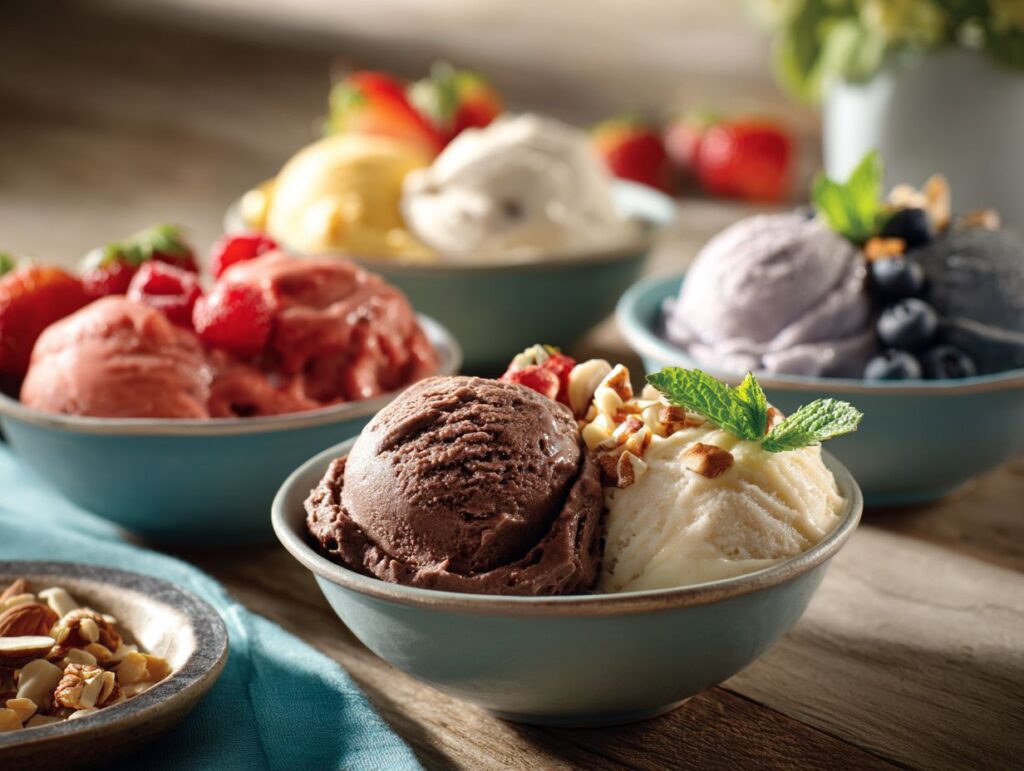
Classic vanilla and chocolate flavors continue to be popular choices, and with the appropriate dairy-free ingredients, it is possible to create a rich and creamy experience.
To prepare a delectable vegan vanilla ice cream, combine:
- 1 cup of coconut cream
- cup of maple syrup
- 1 tablespoon of vanilla extract
- a pinch of salt
Freeze this mixture in an ice cream maker for approximately 20 to 30 minutes until it reaches the desired thickness.
For those interested in chocolate ice cream, one can incorporate cup of cocoa powder into the vanilla base, adjusting the sweetener to taste as needed.
In the absence of an ice cream maker, it is advisable to pour the mixture into a shallow dish and stir it every 30 minutes until fully frozen. This method will ensure a smooth texture.
Fruity and Nutty Combinations
Fruity and nutty combinations enhance the variety of flavors available in dairy-free frozen desserts, catering to individuals seeking unique and refreshing alternatives.
To prepare a delightful raspberry-almond frozen dessert, combine the following ingredients:
- 2 cups of fresh or frozen raspberries
- 1 cup of almond milk
- 1/4 cup of almond butter
Blend until the mixture is smooth. The mixture should then be frozen, stirring every 30 minutes for a duration of approximately 2 hours.
For a tropical variation, a mango-coconut dessert can be created by pureeing the following ingredients:
- 2 cups of ripe mango
- 1 cup of coconut milk
- 1/4 cup of shredded coconut
Utilize the same freezing technique.
These recipes demonstrate how fresh fruits and nuts contribute to vibrant flavors and creamy textures in dairy-free frozen desserts.
Popular Dairy-Free Frozen Dessert Recipes
Home cooks have the capability to prepare their own dairy-free frozen desserts using straightforward recipes that emphasize the appeal of non-dairy ingredients.
Coconut Sorbet
Coconut sorbet is a refreshing and uncomplicated dairy-free dessert that highlights the tropical coconut flavor of coconut milk, making it an ideal choice for warm weather.
To prepare this delightful sorbet, one will require:
- 400 ml of coconut milk
- 150 g of sugar
- 1 teaspoon of vanilla extract
Combine these ingredients in a mixing bowl, stirring until the sugar is fully dissolved. Subsequently, pour the mixture into a shallow container and freeze for approximately four hours, stirring every hour to break up ice crystals and achieve a smoother texture.
When ready to serve, present the sorbet in chilled bowls, garnished with fresh mint leaves or toasted coconut flakes, to enhance its presentation and accentuate its tropical allure.
Almond Milk Ice Cream
Almond milk ice cream serves as a versatile base that can be enhanced with a variety of flavors, resulting in a creamy texture that is particularly appealing.
To prepare almond milk ice cream, combine 2 cups of almond milk, cup of agave syrup, and 1 teaspoon of almond extract in a blender. Blend the mixture until smooth, then transfer it to an ice cream maker and churn according to the manufacturer’s instructions.
For additional texture and flavor, consider incorporating:
- Chocolate chips
- Chopped fruits
- Nuts
during the final minutes of churning.
This ice cream can be stored in an airtight container in the freezer for up to two weeks.
Tips for Achieving Creamy Texture
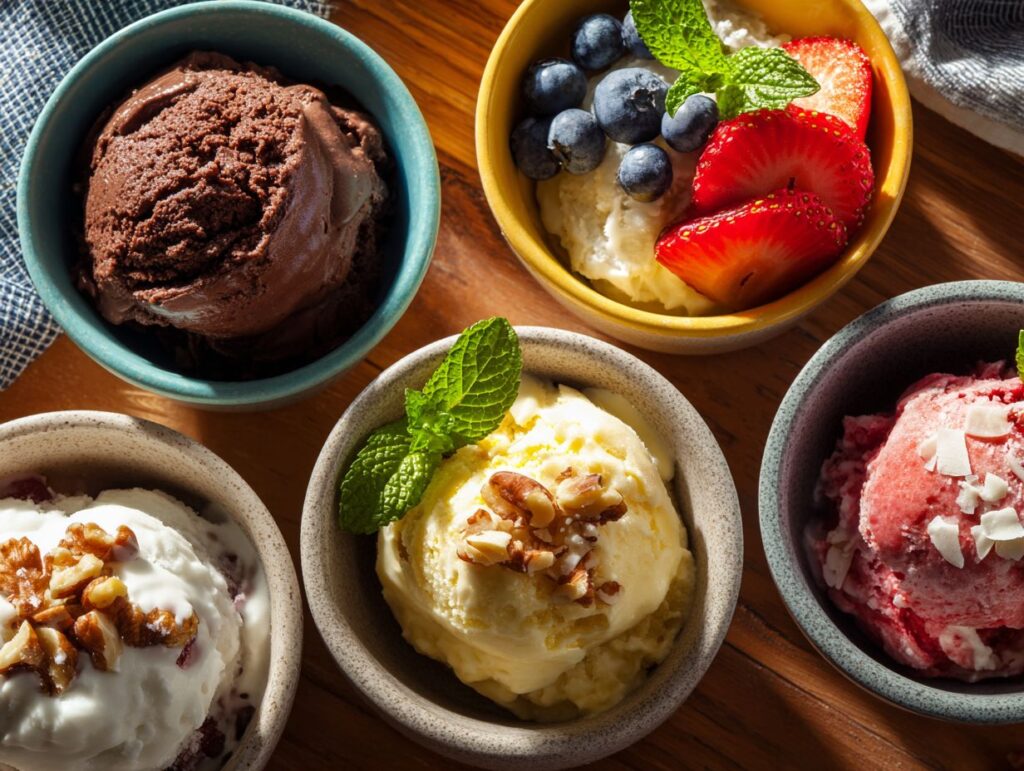
Achieving a creamy texture in dairy-free frozen desserts is of paramount importance, and several strategies can effectively replicate the mouthfeel of traditional ice creams.
One effective method involves incorporating high-quality fat sources, such as full-fat coconut milk or cashew cream, which contribute a desirable richness. To enhance stability, it is advisable to mix in natural thickeners like arrowroot or cornstarch during the cooking process. Furthermore, thoroughly blending the mixture for 2-3 minutes prior to freezing can significantly enhance its creaminess.
Utilizing an ice cream maker can also improve ice cream texture by incorporating air, resulting in a smoother final product. It is essential to consider the combination of these techniques to achieve the coveted creamy consistency desired in dairy-free frozen desserts.
Store-Bought Options to Consider
For individuals who prefer to purchase ready-made desserts, various brands provide exceptional dairy-free frozen options that maintain both taste and texture.
Ben & Jerry’s offers a delightful range of dairy-free ice creams, including flavors such as Coconut Caramel Slice and Chocolate Fudge Brownie, with prices ranging from $5 to $8 per pint.
Van Leeuwen presents a gourmet selection, featuring unique varieties like Honeycomb and Earl Grey, also within the same price range. Cado, made with avocados, distinguishes itself with flavors such as Mint Chip and Chocolate, typically priced between $6 and $8 per pint.
These delectable frozen dessert options are readily available at major retailers, including Target and Walmart, as well as specialized health food stores, ensuring accessibility for all dessert enthusiasts.
Health Benefits of Dairy-Free Desserts
Dairy-free frozen desserts can provide several health benefits, including reduced sugar levels and enhanced digestibility for individuals who are lactose intolerant. These rich dairy-free desserts often incorporate nut milks or coconut bases, which may offer higher fiber content and lower saturated fats compared to traditional dairy products. Vegan ice cream options are abundant, providing a healthier alternative to traditional choices.
For instance, almond milk ice cream typically contains 30% fewer calories than its standard ice cream counterparts. Brands such as So Delicious and Nada Moo!, along with other popular ice cream brands like Ben & Jerry’s and Van Leeuwen, emphasize the use of natural sweeteners like agave or coconut sugar, thereby mitigating the sugar spikes often associated with conventional options. Seasonal flavors and taste testing have shown that these brands excel in providing a creamy dairy-like experience.
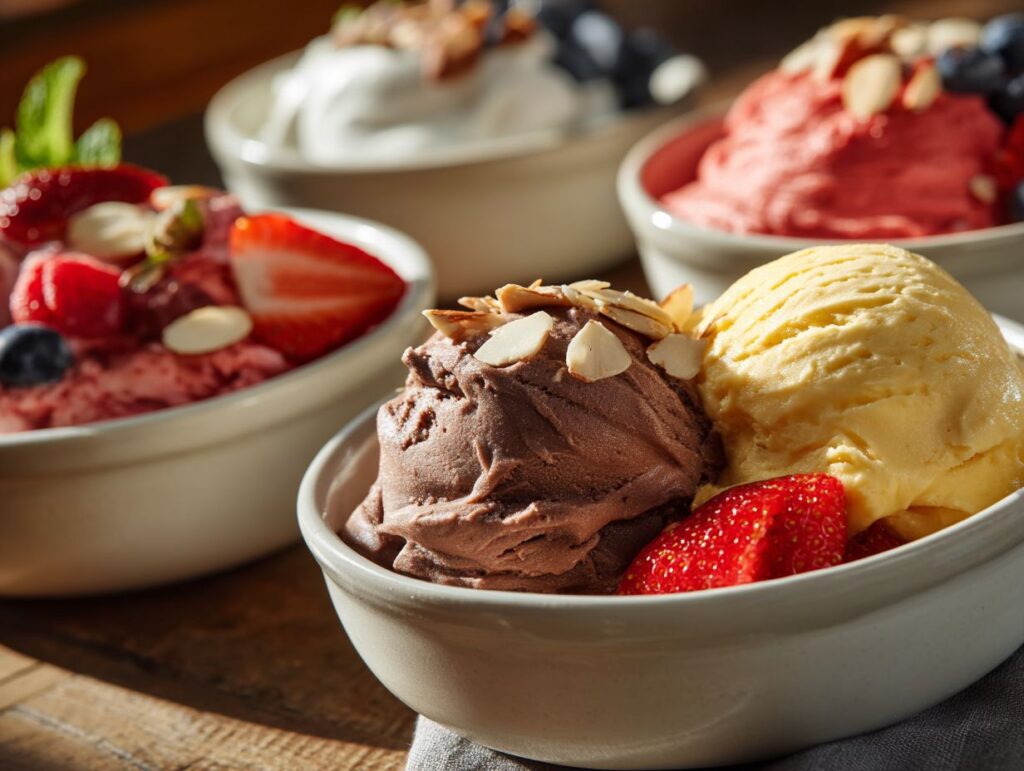
It is advisable to carefully examine product labels and the ingredient list to avoid unnecessary additives, ensuring that a healthier choice is made in alignment with dietary preferences. Famous brands like Salt & Straw and McConnell’s Fine Ice Creams offer robust vegan options and dairy alternatives for a rich ice cream experience.
Learn more, The Health Benefits of Dairy-Free Frozen Desserts.
Frequently Asked Questions
What are dairy-free frozen desserts that actually taste like the real thing?
Dairy-free frozen desserts that actually taste like the real thing are desserts made without any dairy or animal products, yet still have the same creamy and rich taste as traditional dairy desserts. These desserts often feature unique flavor notes and exciting flavor combinations that cater to those seeking a genuine ice cream taste.
What are some common ingredients used in dairy-free frozen desserts?
Common ingredients used in dairy-free frozen desserts include coconut milk, almond milk, cashew milk, soy milk, and various plant-based creamers. Brands like Cosmic Bliss and Forager use these ingredients to provide a creamy texture and rich flavor without the use of dairy.
Are dairy-free frozen desserts suitable for those with lactose intolerance or dairy allergies?
Yes, dairy-free frozen desserts are a great alternative for those with lactose intolerance or dairy allergies. They are free from any dairy or animal products, making them safe for those with dietary restrictions. Brands such as Oatly and Mauna Loa provide excellent ice cream choices for those seeking dairy-free flavors.
What are some popular dairy-free frozen dessert options?
Some popular dairy-free frozen dessert options include dairy-free ice cream, coconut ice cream, sorbet, gelato, popsicles, and frozen yogurt. These desserts are widely available in most grocery stores and come in a variety of flavors. Popular brands such as Favorite Day and Wildgood offer extensive ice cream variety for every palate.
Can dairy-free frozen desserts still be high in calories and sugar?
Yes, dairy-free frozen desserts can still be high in calories and sugar, depending on the ingredients used. It is always important to read the nutrition label and ingredients list to make sure you are choosing a healthier option. Tyler Malek of Salt & Straw suggests mindful consumption and selecting desserts with natural sweeteners to mitigate sugar levels.
Are dairy-free frozen desserts healthier than traditional dairy desserts?
Dairy-free frozen desserts can be a healthier option for those with dietary restrictions or those looking to reduce their dairy intake. However, they can still be high in calories and sugar, so it is important to consume them in moderation as part of a balanced diet. Tasting Table and Vegan Life recommend choosing brands like Magnum and Cado which offer lower-calorie vegan options.