As Indian cuisine captures the world’s palate, it’s no wonder that South Asian flavors are taking over the global food scene, creating unique dining experiences. With the rise of culinary tourism and a burgeoning vegetarian revolution, Indian restaurants are showcasing vibrant fusion cuisine that appeals to diverse tastes, highlighting sustainable practices. This article explores the historical influences and unique flavor profiles that make South Asian dishes a must-try for food enthusiasts, highlighting their growing importance in today’s culinary landscape, and the increasing popularity of modern Indian cuisine.
Table of Contents
Key Takeaways:
- South Asian cuisine is gaining global popularity due to its unique flavor profiles and diverse ingredients, influenced by both colonialism and centuries-old trade routes, as it adapts to contemporary dining trends and cultural confidence.
- The health benefits of South Asian cuisine, known for its use of spices and herbs, make it a popular choice among health-conscious consumers, contributing to the plant-forward revolution.
- As South Asian cuisine continues to gain popularity, it faces challenges and misconceptions, but its future looks bright as it evolves and adapts to global culinary trends, with the support of Indian chefs.
Historical Influences on South Asian Food
The historical context of South Asian cuisine underscores the significant influences of colonialism and ancient trade routes that have shaped its contemporary flavor profile.
Colonial Impact
Colonial powers introduced a range of new ingredients and cooking techniques that significantly transformed the culinary landscape of South Asia, resulting in a fusion of traditional and foreign influences.
For example, the introduction of chili peppers revolutionized dishes by adding heat and flavor that were previously absent. Similarly, the arrival of potatoes facilitated the creation of cherished staples such as aloo paratha and samosas.
Tomatoes became integral to curries, contributing a rich base and vibrant color to various dishes. Additionally, spices like black pepper were commercialized and incorporated into traditional recipes, enhancing their complexity.
These ingredients not only diversified South Asian cuisine but also fostered cross-cultural exchanges, ultimately reshaping culinary identities throughout the region.
Trade Routes and Ingredients
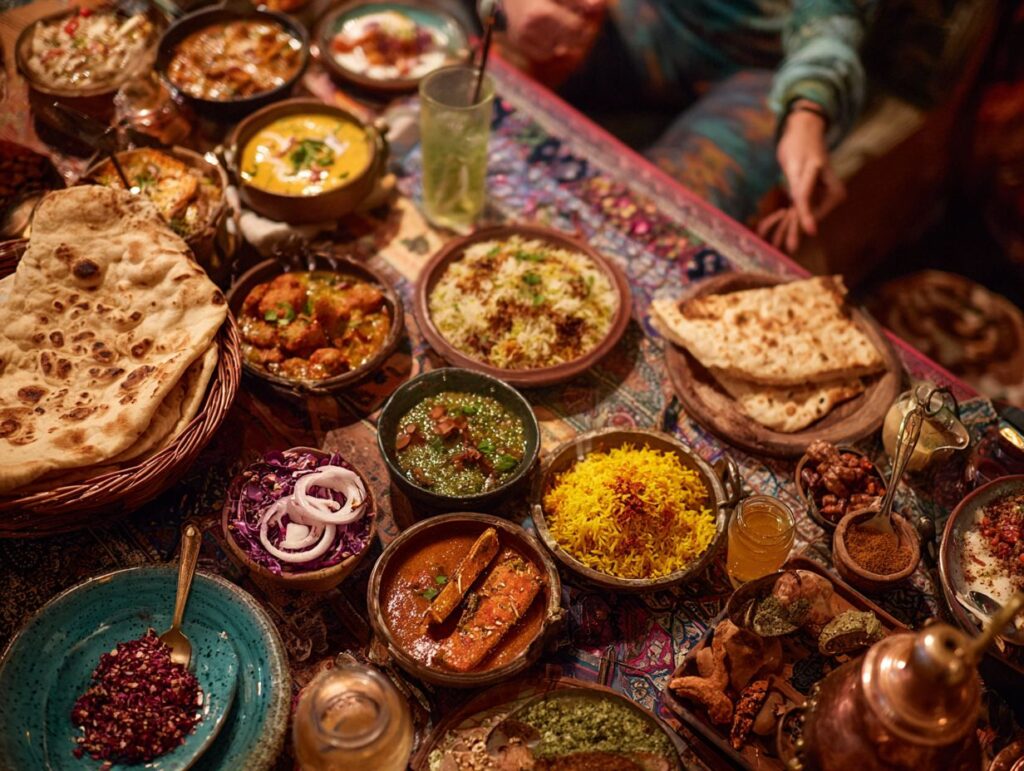
Ancient trade routes played a significant role in the exchange of spices, herbs, and culinary techniques, thereby enriching South Asian cuisine and establishing it as a prominent force in global gastronomy. The Silk Route and maritime pathways were essential for the transportation of spices such as cardamom and saffron, which are fundamental to iconic dishes like biryani and kheer.
Cardamom, introduced from the Malabar Coast, contributed its aromatic qualities to various curries, thereby enhancing their overall flavors. Saffron, frequently traded through Persian routes, emerged as a highly valued ingredient in desserts, symbolizing luxury and celebration.
These exchanges not only influenced local culinary preferences but also fostered innovative cooking techniques, resulting in a diverse culinary heritage that is deeply rooted in the fusion of regional and international flavors.
Flavor Profiles and Ingredients: Embracing Culinary Diversity
The complex flavor profiles of South Asian cuisine are developed through a harmonious combination of spices and herbs, exemplifying the culinary diversity present in the different regions of the area.
Spices and Herbs: The Essence of Indian Spices
Core spices such as cumin, coriander, and turmeric constitute the foundation of South Asian cuisine, each contributing distinct characteristics that are essential to regional dishes, enhancing food quality and flavor profiles.
Cumin, which has its origins in the Mediterranean, imparts a warm, earthy flavor that has made it a fundamental ingredient in curries and spice blends such as garam masala. Coriander, with historical roots in both Europe and Asia, provides a citrusy and slightly sweet taste that is essential in chutneys and marinades. Turmeric, celebrated for its vibrant color, originates from India and is a key component in dishes such as dal and biryani.
To obtain authentic spices, it is advisable to visit local spice markets or to purchase from reputable online retailers that specialize in organic ingredients, thereby enhancing the quality of your culinary creations.
Regional Variations: A Journey through Culinary Experiences
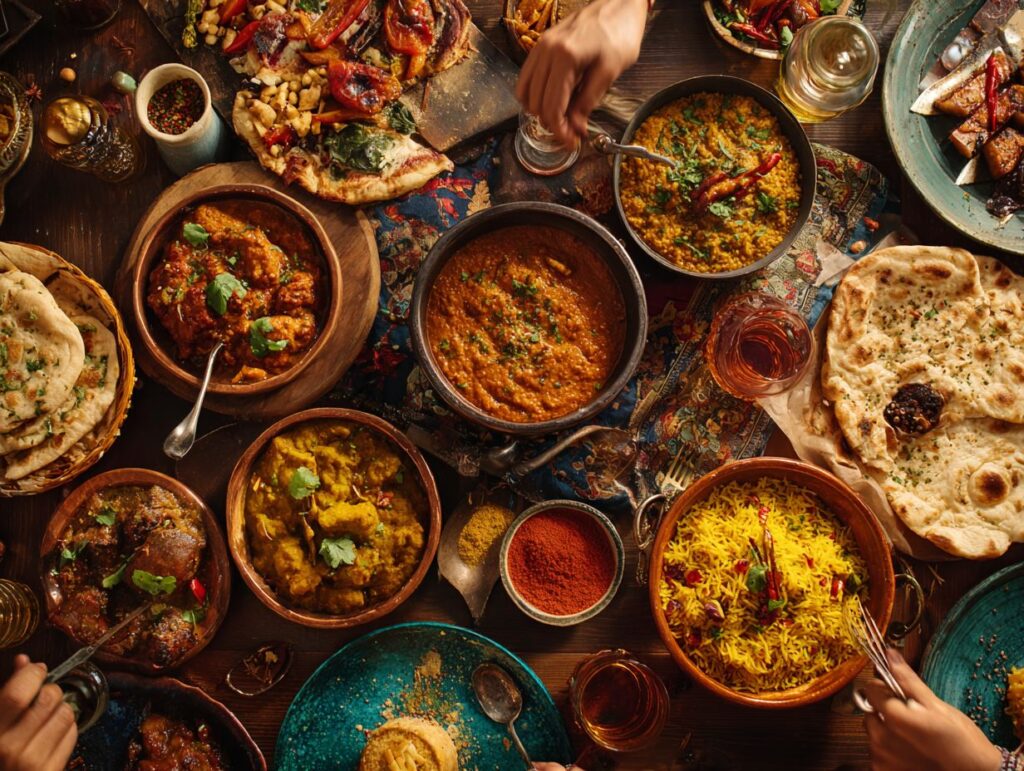
Each region of South Asia presents distinct culinary experiences that showcase its unique ingredients and cooking techniques, resulting in a diverse array of flavors, celebrating cultural heritage and food nostalgia.
In Punjabi cuisine, robust dishes such as Butter Chicken and Sarson da Saag accompanied by Makki di Roti exemplify the use of ghee and mustard greens, reflecting the agricultural richness of the region.
Conversely, Bengali cuisine focuses on the delicate flavors of fish, with dishes like Shorshe Ilish utilizing mustard paste to emphasize the cultural significance of the River Ganges.
Furthermore, South Indian cuisine features staples such as Dosa and Sambar, which combine rice and lentils with an array of vibrant spices, embodying the region’s long-standing tradition of rice cultivation.
Each dish not only delights the palate but also narrates a story of cultural heritage.
Health Benefits of South Asian Cuisine
South Asian cuisine presents a myriad of health benefits, particularly due to its emphasis on plant-based diets and the incorporation of spices recognized for their medicinal properties.
Key ingredients such as lentils, chickpeas, and a variety of vegetables provide essential nutrients while remaining low in saturated fats. The inclusion of spices like turmeric, which is noted for its anti-inflammatory effects, and cumin, known for its digestive benefits, further enhances these health advantages.
For instance, a traditional dal dish, which is rich in lentils and spices, can serve as a complete protein source while also promoting gut health. Incorporating more plant-based meals from this cuisine aligns effectively with contemporary dietary trends that prioritize sustainability and health.
Learn more, Health Benefits of Indian Cuisine: Why It’s Not Just Delicious …
Globalization and Culinary Trends
The globalization of food has resulted in the convergence of diverse culinary traditions, leading to the emergence of innovative fusion dishes that appeal to food enthusiasts across the globe.
Fusion Dishes: Innovative Techniques and Creative Dishes
Fusion dishes, such as butter chicken tacos and tandoori pizza, exemplify the effective integration of South Asian flavors into global cuisines, showcasing culinary craftsmanship.
A notable example is the Korean BBQ naan, which combines spicy marinated meats with traditional Indian flatbread, resulting in a dish that is simultaneously familiar and exotic.
Additionally, dosa wraps filled with grilled vegetables or meats are gaining popularity in Indian restaurants, promoting a handheld approach to this classic dish. These culinary innovations reflect a growing trend in India, where chefs are experimenting with diverse flavors by offering items such as paneer quesadillas to cater to a wide range of tastes.
By embracing multicultural elements, restaurants are able to attract customers from various backgrounds while preserving their cultural heritage.
Food Media and Representation
The representation of South Asian cuisine in food media has undergone significant evolution, presenting authentic flavors while promoting a more assured depiction of its culinary heritage.
Influential chefs such as Vikas Khanna have been instrumental in this transformation. Khanna, renowned for his Michelin-starred restaurant Junoon, underscores the significance of storytelling in the culinary arts, often featuring regional ingredients and family traditions in his programming.
Platforms such as Netflix have showcased South Asian cuisines through series like “Street Food: Asia,” which highlight local chefs and their distinctive culinary techniques.
By combining storytelling with high-quality visuals, these initiatives not only enhance the cuisine’s status but also cultivate a broader global appreciation.
Popularity in Western Countries: Embracing Global Appreciation
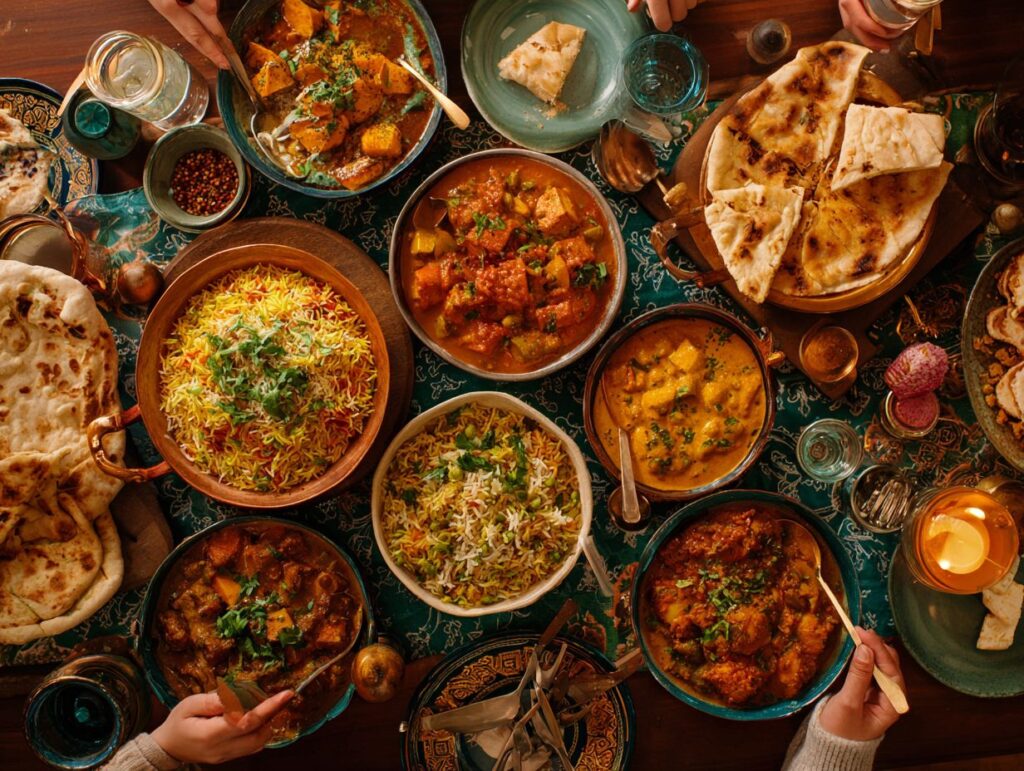
South Asian cuisine is increasingly gaining recognition in Western countries, as evidenced by the rise in the number of Indian restaurants and culinary events that celebrate its rich heritage.
In urban centers such as New York and London, the number of Indian restaurants has increased by over 20% in recent years, reflecting a growing appreciation for dishes such as biryani, samosas, and paneer tikka.
Food festivals, including the London Curry Awards, have also garnered significant attention, attracting thousands of enthusiasts eager to explore these diverse flavors.
Moreover, food delivery platforms like UberEats and DoorDash now feature dedicated sections for South Asian cuisine, enhancing accessibility for consumers. This trend not only signifies a shift in dining preferences but also indicates a broader cultural appreciation for South Asian culinary traditions.
Challenges and Misconceptions: Navigating the Culinary Landscape
Despite its growing popularity, South Asian cuisine encounters numerous challenges and misconceptions that impede its complete appreciation among global audiences.
To address these concerns, restaurateurs and chefs can implement targeted educational outreach initiatives.
For example, hosting cooking classes can help demystify traditional dishes such as biryani and butter chicken, showcasing their complex flavor profiles that extend beyond mere spiciness.
Additionally, collaborating with food influencers to create content that emphasizes the subtleties of various regional cuisines can prove to be effective.
Organizing tasting menu events that feature milder options, such as dal makhani or palak paneer, can introduce diners to the rich diversity of the cuisine without overwhelming their palates.
This approach not only dispels prevalent myths but also enhances customer engagement.
The Future of South Asian Cuisine and Modern Indian Cuisine
The future of South Asian cuisine appears promising, characterized by an increasing emphasis on sustainable practices, vegetarian diets, and plant-based diets that are reshaping culinary preferences.
Chefs, including renowned Indian chefs like Vikas Khanna, are now prioritizing local, seasonal ingredients to craft innovative dishes that reflect this evolving approach. For instance, one can expect to see more plant-based interpretations of traditional Indian dishes, such as chickpea tikka masala or pumpkin dosas, utilizing ingredients sourced directly from local farms.
Furthermore, culinary experts, like those from upscale Indian restaurants such as Junoon, anticipate a rise in zero-waste cooking techniques, including the use of beet greens in salads and the preparation of broths from vegetable scraps.
Restaurants like Cafe Spice in New York and Le Meridien Gurgaon are already adopting these practices, offering menu options that align with contemporary health trends and sustainability objectives, providing healthy options for diners.
Frequently Asked Questions
What defines South Asian cuisine?
South Asian cuisine refers to the diverse and flavorful food traditions of countries in the Indian subcontinent, including India, Pakistan, Bangladesh, Nepal, Sri Lanka, and Bhutan. It is characterized by its use of aromatic spices, herbs, and seasonings, as well as a variety of cooking methods.
Why has South Asian cuisine and flavorful Indian dishes gained popularity globally?
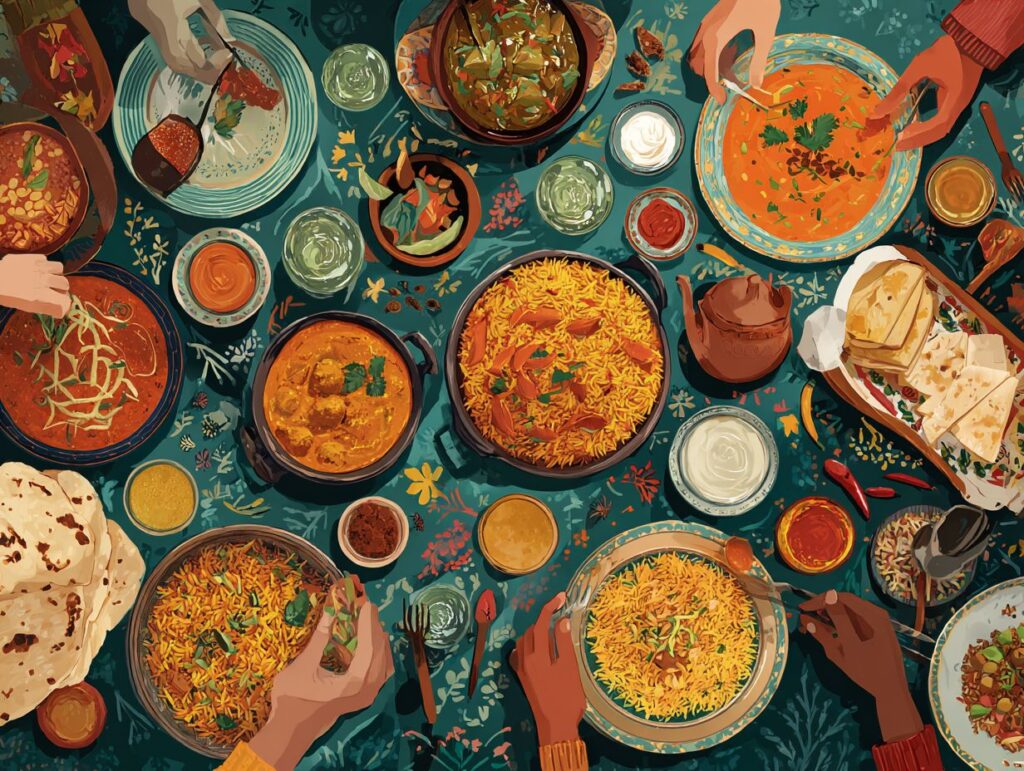
South Asian cuisine has gained popularity globally due to its bold and complex flavors, as well as its vegetarian-friendly options and home-cooked food vibes. With the rise of online ordering, global travel and social media, people are more open to trying new and diverse cuisines, making South Asian food a top choice.
What are some popular South Asian dishes and traditional Indian flavors?
Some popular South Asian dishes include biryani, butter chicken, samosas, dal makhani, tandoori chicken, and naan, often found at upscale Indian restaurants. These dishes vary in flavor and ingredients depending on the region and country. South Asian cuisine also includes a variety of vegetarian and vegan dishes, incorporating Indian spices and rich history.
How does South Asian cuisine differ from other Asian cuisines and create immersive experiences?
South Asian cuisine differs from other Asian cuisines in its use of spices and cooking methods. While East Asian cuisine tends to focus on fresh and simple flavors, South Asian cuisine is known for its use of bold and aromatic spices, such as cumin, coriander, and turmeric, often seen in Indian restaurants. It also includes a wide range of dishes influenced by various cultures and traditions, contributing to the global food market.
What role has globalization played in the popularity of South Asian cuisine?
Globalization has played a significant role in the popularity of South Asian cuisine by making it more accessible and widespread. With the rise of international trade and cultural exchange, South Asian ingredients and cooking techniques have become more readily available in different parts of the world, making it easier for people to cook and enjoy South Asian food, a trend noted by Mintel Research and the World Travel & Tourism Council.
How has South Asian cuisine evolved over time?
South Asian cuisine has evolved over time due to various cultural influences and historical events, as highlighted by culinary experts like Anthony Bourdain and Birjesh Kumar. The cuisine has adapted and absorbed elements from Persian, Mughal, and British cuisines, as well as regional and local traditions. With its diverse history and influences, South Asian cuisine continues to evolve and innovate, making it a dynamic and ever-changing food scene, appealing to Gen Z and beyond.