Embark on a flavorful journey through South Asian cuisine, where Indian spices like turmeric, cumin, and green cardamom play a pivotal role in cooking and preparation. Rich culinary traditions weave together vibrant tastes and aromatic spices, creating dishes that are both comforting and exotic, thanks to traditional Indian dishes and vibrant flavors. In this guide, we’ll explore essential spices, tantalizing flavor profiles, and must-try recipes that showcase the region’s culinary heritage through authentic Indian food. Discover how to elevate your cooking with these captivating flavors!
Table of Contents
Key Takeaways:
- Discover the rich and diverse flavors of South Asian cuisine, influenced by geography, culture, and aromatic herbs.
- Learn about essential spices like cumin, turmeric, and chili peppers in South Asian cooking, along with asafoetida and fenugreek.
- Try out must-try recipes such as Indian curries, Pakistani biryani, and Sri Lankan hoppers, and master cooking techniques like tempering spices and layering flavors to elevate your South Asian dishes.
Geographical Influences
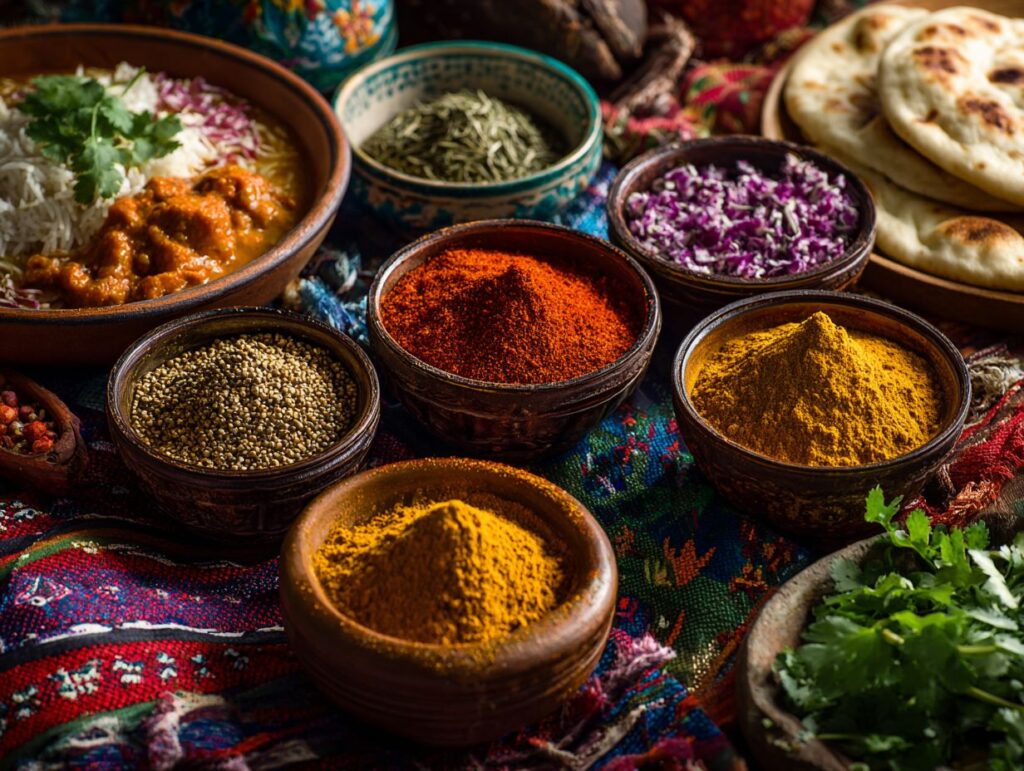
Geographical factors across countries such as India, Pakistan, and Sri Lanka significantly influence the use of spices, leading to the development of distinct regional dishes.
In coastal regions, spices like curry leaves and coconut are essential staples that enhance curries and chutneys with their fresh and aromatic flavors. For example, in Kerala, fish curry is characterized by a rich combination of these ingredients along with tamarind.
Conversely, northern regions, such as Punjab, primarily utilize garam masala, ginger, and garlic, which impart warmth to heartier dishes like biryani and butter chicken.
The diverse climatic conditions also affect spice preferences, with the coastal humidity promoting the use of fresh herbs, while the arid northern regions favor robust spice blends.
Cultural Significance
In South Asian cultures, food transcends mere sustenance; it is an integral component of life’s celebrations, festivals, and family gatherings.
During Diwali, families prepare a variety of sweets such as ladoos and jalebis, which symbolize the joy of triumph over darkness. Similarly, Eid feasts are characterized by dishes like biryani and kebabs, which represent community and the spirit of sharing.
These traditional recipes, often passed down through generations, serve to strengthen familial bonds and reinforce cultural identity. For example, a grandmother may impart the skill of making samosas to her grandchildren, ensuring the continuity of culinary heritage.
Additionally, individuals interested in deepening their connection to these cherished practices may consider enrolling in local cooking classes or accessing online video tutorials, using spice kits for a more immersive experience.
Essential Spices in South Asian Cooking
A comprehensive understanding of the essential spices is vital for anyone aspiring to replicate authentic South Asian dishes, as these spices serve as the foundation of flavor in any spice cabinet.
Cumin and Coriander
Cumin and coriander are often utilized in conjunction, resulting in a warm, earthy flavor profile that is fundamental to various South Asian dishes.
Cumin contributes a slightly nutty and spicy dimension, making it particularly well-suited for lentil and chickpea preparations. For instance, in dal makhani, sauted cumin seeds impart a deep and rich flavor to the creamy lentils.
Conversely, coriander offers a bright, citrusy freshness that serves to enhance chutneys and salsas. A combination of ground coriander with yogurt and mint can create a refreshing raita.
For a more robust culinary experience, one may consider preparing a spiced vegetable curry that showcases both spices, highlighting their complementary characteristics effectively.
These spices not only enhance individual dishes but also encapsulate the essence of South Asian cuisine, inspiring a culinary adventure.
Turmeric and Cardamom
Turmeric is renowned for its anti-inflammatory properties, while cardamom contributes a sweet and aromatic quality to culinary creations, enhancing both flavor and health benefits.
These two spices can be effectively integrated into a variety of meals. For example, turmeric is particularly well-suited for use in curries or soups, as its earthy flavor harmonizes beautifully with ingredients such as coconut milk and vegetables. Additionally, marinating chicken in a mixture of turmeric and yogurt not only intensifies the flavor but also facilitates the tenderization of the meat.
Cardamom is particularly prominent in desserts, such as rice pudding or chai tea, where it introduces a fragrant note that complements sweetness. Furthermore, frying with cardamom pods can infuse their flavor into oils, creating an exquisite base for savory dishes.
Chili Peppers and Mustard Seeds
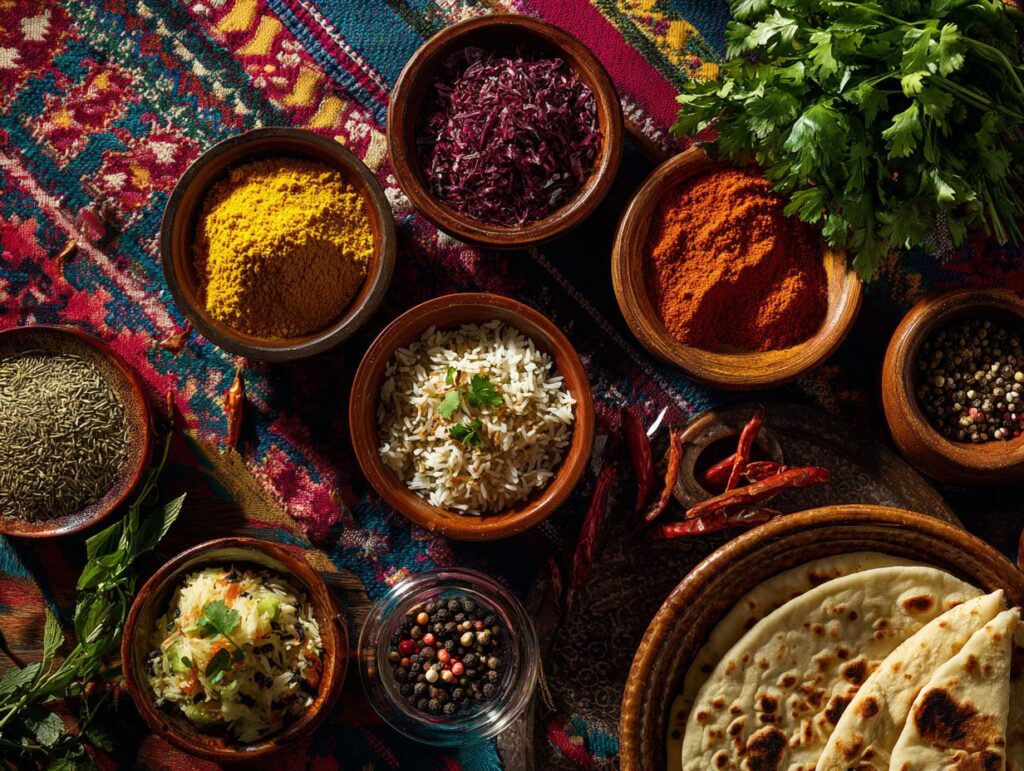
Chili peppers contribute varying levels of heat to culinary creations, while mustard seeds provide a pungent kick and a desirable crunch that are essential for achieving authentic flavors.
In South Asian cuisine, the range of chili varieties extends from the mild bell pepper to the intensely spicy ghost pepper. For example, Kashmiri red chilies are known for their vibrant color and moderate heat, making them well-suited for use in curries.
To temper mustard seeds, it is advisable to heat oil-typically mustard or vegetable oil-until it reaches a shimmering state. Subsequently, one should add 1 to 2 teaspoons of mustard seeds. Once the seeds begin to pop, they can be incorporated into dishes such as pickles or dals to enhance flavor.
This technique not only infuses the oil with flavor but also adds a pleasing crunch to the finished dish.
Learn more, 12 Essential Spices for South Asian Cooking.
Flavor Profiles of South Asian Dishes
The flavor profiles of South Asian cuisine are distinguished by a harmonious balance of sweet, sour, and spicy elements, resulting in a distinctive culinary experience.
Sweet, Sour, and Spicy
Dishes such as sweet and sour curry exemplify the dynamic interplay of flavors that is characteristic of South Asian cuisine, combining jaggery with tamarind. These ingredients work together to create a harmonious balance of sweetness, sourness, and spice.
For instance, chaat features a blend of tangy yogurt and spicy chutneys, while preparations like mango chutney incorporate vinegar to enhance both sweet and savory notes.
Specific spices, such as cumin, contribute an earthy quality, while mustard seeds introduce a sharp bite. When preparing a traditional Punjabi curry, the inclusion of garam masala can significantly elevate the flavor profile, adding depth and complexity to the dish.
To achieve this balance, it is advisable to experiment with varying proportions of these ingredients, allowing personal preferences to inform the final flavor outcome.
Umami in Traditional Recipes
Umami-rich ingredients such as tomatoes, aged cheeses, and specific spices play a crucial role in enhancing the complexity of traditional South Asian recipes.
In the preparation of paneer tikka, the incorporation of ripe tomatoes along with a marinade that includes aged cheese and carom seeds results in a harmonious blend of flavors, contributing to a savory depth.
Furthermore, the addition of spices such as cumin and garam masala not only enhances the umami profile but also introduces aromatic complexity.
For instance, marinating paneer with yogurt, garlic, and smoked paprika infuses the dish with a rich flavor profile. Additionally, a subtle inclusion of soy sauce further elevates the dish, accentuating the desirable umami taste.
It is important to maintain balance; an excess of any ingredient may overwhelm the dish, so adjustments should be made according to individual preferences.
Must-Try South Asian Recipes
An examination of South Asian cuisine is not comprehensive without an exploration of essential recipes that showcase the region’s diverse flavors, cooking techniques, and international market influences.
Classic Indian Curries
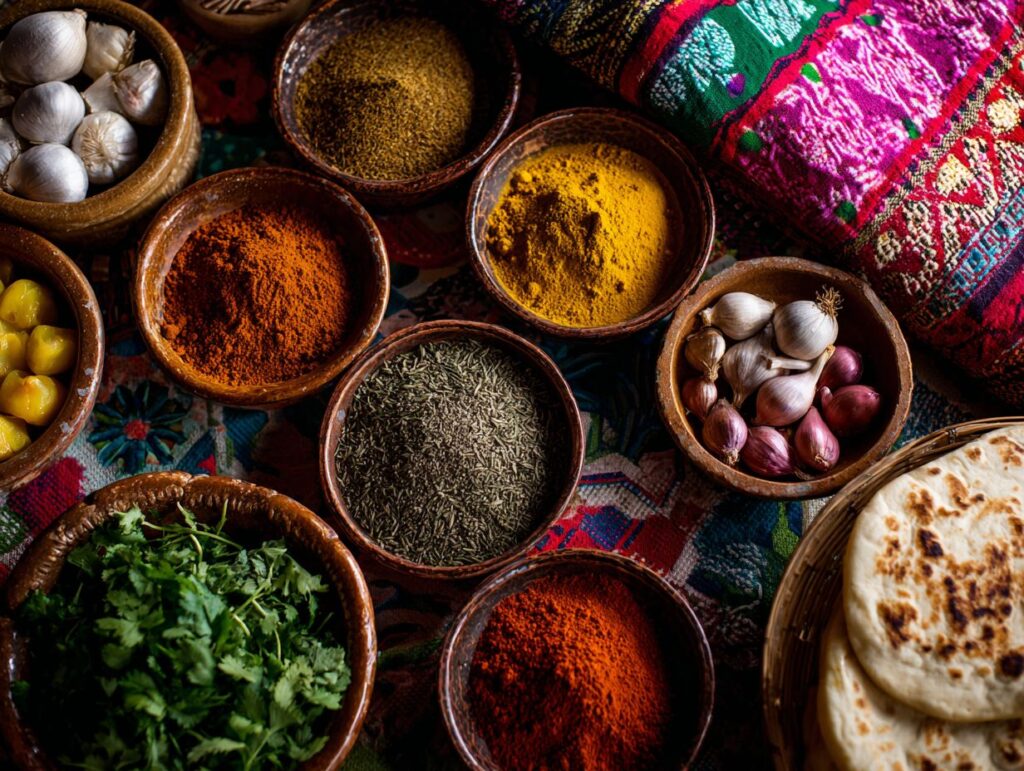
Classic Indian curries, such as butter chicken and chana masala, exemplify the intricate use of spices and the artistry involved in balancing flavors.
To prepare these dishes, one should begin with essential spices: utilizing garam masala for warmth, turmeric for vibrant color, and cumin for an earthy undertone.
- For butter chicken, it is advisable to marinate chicken pieces in yogurt combined with garlic, ginger, and a specific spice blend prior to grilling. In a separate pan, saut onions and then incorporate tomatoes, cream, and the chosen spice mix to create a rich and flavorful sauce.
- In the case of chana masala, one should boil canned chickpeas and blend them with sauted onions, garlic, and the traditional spice mix.
Both dishes are ideally served with warm naan or steamed rice to create a complete and satisfying meal.
Pakistani Biryani
Pakistani biryani, a fragrant rice dish characterized by layers of marinated meat and aromatic spices, is a traditional staple at celebrations and gatherings.
To prepare a flavorful biryani, begin by marinating 500 grams of meat, such as chicken or lamb, in a mixture of yogurt, ginger-garlic paste, and spices including black cardamom, cinnamon, and coriander for a minimum of two hours. This step is crucial as it enhances both the tenderness and flavor of the meat.
Meanwhile, parboil 3 cups of basmati rice with bay leaves and a pinch of salt. In a large pot, create a layer with half of the rice, followed by the marinated meat, and then cover with the remaining rice. Cook the assembled biryani on low heat for 45 minutes, allowing the flavors to meld harmoniously.
Before serving, garnish the dish with fried onions and fresh cilantro to enhance its presentation.
Sri Lankan Hoppers
Sri Lankan hoppers, consisting of fermented rice flour and coconut milk, represent a delightful breakfast option that showcases the island’s distinctive culinary tradition and authentic Indian food influences.
To prepare hoppers, begin by combining:
- 2 cups of rice flour
- 1 cup of coconut milk
- 1 teaspoon of salt
For the fermentation process, incorporate 1 teaspoon of yeast and allow the mixture to rest for 4 to 6 hours in a warm environment, preferably covered with a cloth. This fermentation is crucial for developing the batter’s unique flavor and texture.
For added complexity, include a pinch of fenugreek seeds, a dash of asafoetida, and a hint of Indian red chili prior to cooking. Heat a small amount of oil in a hopper pan, pour in the prepared batter, and cook until the edges become crispy while the center remains soft.
Hoppers are traditionally served with sambol or curry, providing a complete and authentic meal experience.
Cooking Techniques and Tips
Mastering specific cooking techniques is essential for achieving the authentic flavors that are characteristic of South Asian cuisine.
Tempering Spices
Tempering spices in hot oil is a fundamental technique in South Asian cooking that effectively releases essential oils and flavors. To achieve optimal tempering, it is important to heat the oil until it shimmers, at which point the spices should be added promptly.
Common spices utilized in this process include:
- Mustard seeds
- Cumin seeds and fennel
- Dried red chilies
For a typical dish, approximately 1-2 teaspoons of each spice is recommended. As the spices begin to crackle, it is essential to monitor them closely, as this process usually takes only 30 seconds to a minute.
For an enhanced flavor profile, consider incorporating a pinch of turmeric or curry leaves. Timing is critical; it is advisable to remove the mixture from heat to prevent burning, as this can impart a bitter taste. This method significantly enhances dishes such as dal or sauted vegetables.
Layering Flavors
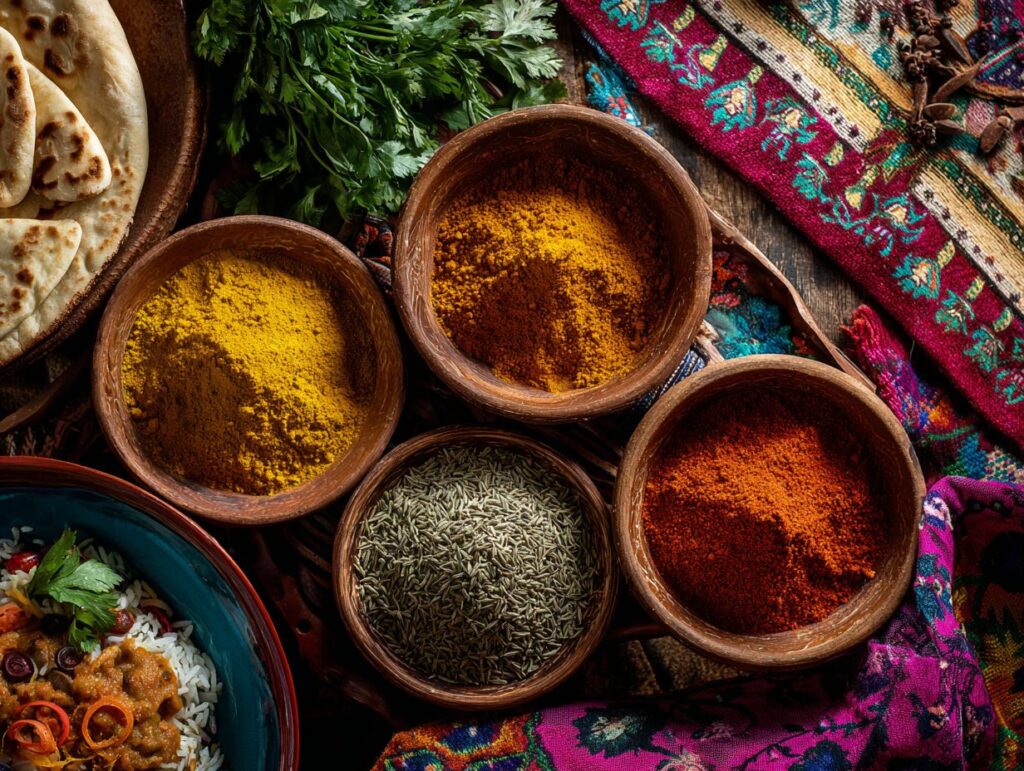
Layering flavors through various cooking methods, such as marinating and slow cooking, significantly enhances the richness and depth of South Asian dishes.
For example, marinating chicken in yogurt and spices for several hours not only tenderizes the meat but also infuses it with a variety of flavors. A mixture of garlic, ginger, and cumin can be utilized to create a robust flavor profile.
Incorporating fresh herbs, such as cilantro or mint, towards the end of the cooking process introduces a bright, aromatic finish.
Slow cooking, exemplified in dishes like beef rogan josh, allows the ingredients to blend harmoniously, resulting in a complex savoriness that intensifies over time. Collectively, these techniques markedly elevate the overall quality of the dish.
Frequently Asked Questions
What are some essential spices used in South Asian cuisine?
Some essential spices used in South Asian cuisine include cumin, turmeric, coriander, garam masala, and cardamom, along with mango powder, tej patta, cloves, and black pepper. These spices are used to add flavor and depth to dishes.
What are the main flavor profiles in South Asian cuisine?
The main flavor profiles in South Asian cuisine, including traditional Indian dishes, are a balance of sweet, sour, spicy, and savory. This is achieved through the use of various spices and ingredients.
What are some popular dishes in South Asian cuisine?
Some popular dishes in South Asian cuisine include biryani, butter chicken, samosas, tikka masala, and tandoori chicken. These dishes vary by region and are often accompanied by flavorful sides and chutneys.
What are some must-try recipes for beginners in South Asian cuisine?
Some must-try recipes for beginners in South Asian cuisine include dal (lentil soup), chana masala (chickpea curry), and aloo gobi (potato and cauliflower curry), with step-by-step recipe instructions. These dishes are relatively easy to make and a great introduction to the flavors of South Asian cuisine.
How do I know how much of each spice to use in a recipe?
The amount of each spice used in a recipe can vary based on personal taste. It is best to start with a small amount and gradually add more if desired. It is also helpful to taste and adjust as you go.
What are some tips for incorporating South Asian flavors into everyday meals?
One easy way to incorporate South Asian flavors into everyday meals is to use pre-made spice blends, such as garam masala, and fresh ingredients like star anise, nutmeg, and mace, in your cooking. You can also experiment with adding small amounts of South Asian spices to your favorite dishes to add a new twist to familiar flavors.