Unlock the secret to mouthwatering meals with our Beginner’s Guide to Cooking with Herbs and Spices. Mastering the art of flavor doesn’t have to be daunting; whether you’re using fresh herbs, robust herbs, or dried herbs, this guide simplifies the cooking process. Discover tips from culinary expert Gregory Sims and explore the best spices available on Amazon. With easy techniques, simple recipes, and delicious recipes, you’ll quickly elevate your cooking and impress your taste buds. Get ready to transform your dishes into flavorful masterpieces!
Table of Contents
Key Takeaways:
- Experimenting with herbs and spices is a fun and easy way to add flavor to your cooking.
- Knowing the difference between fresh and dried herbs, tender herbs, and whole and ground spices, chili flakes, and pepper can greatly impact the taste of your dishes.
- Proper storage tips and pairing techniques can help preserve the freshness and enhance the flavors of your culinary components like herbs and spices.
What Are Essential Herbs and Spices?
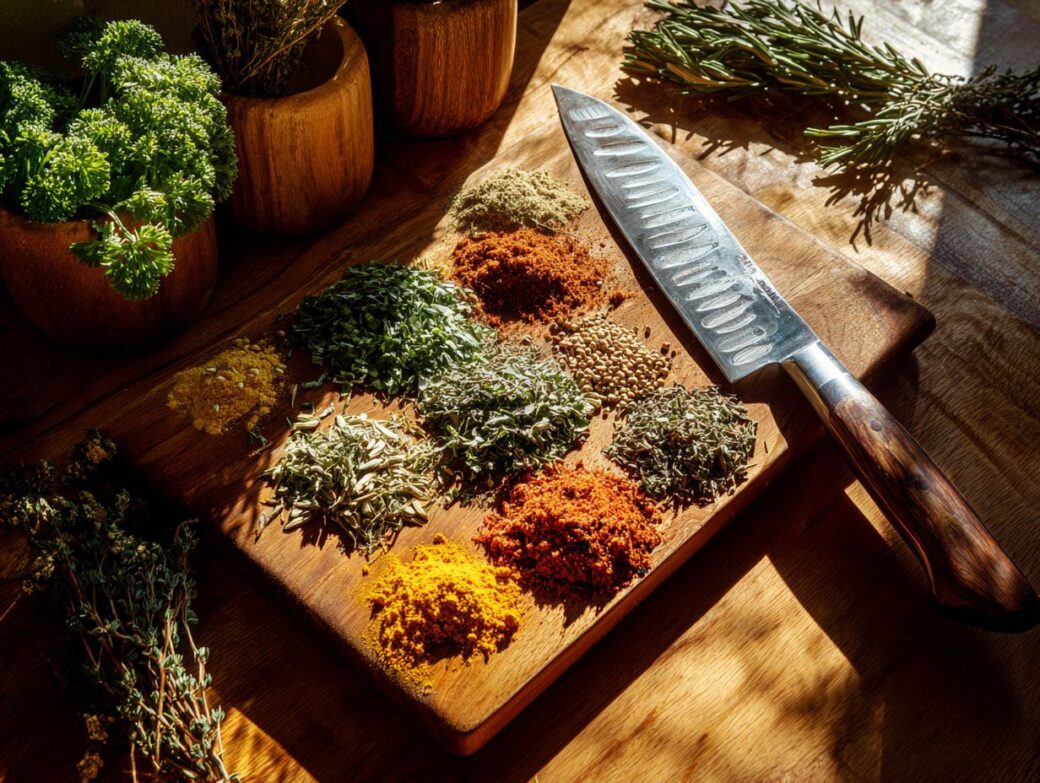
Herbs refer to the leafy green parts of plants, while spices are derived from other culinary components such as seeds, bark, or roots. Each of these ingredients contributes distinct flavor profiles to culinary expressions.
For example, basil is a widely utilized herb in Mediterranean cuisine, known for its fresh and sweet flavor, whereas pepper and garlic powder are versatile spices that enhance the flavor of nearly any savory dish with their subtle heat.
From a nutritional perspective, basil is rich in antioxidants, while pepper contains piperine, a compound that may support digestive health.
In culinary applications, basil can be effectively used in pesto or salads, and pepper serves as an excellent seasoning for meats or vegetables.
The incorporation of both herbs and spices can significantly elevate the quality of dishes while providing essential nutrients for a well-balanced diet.
The Importance of Flavor in Cooking
Flavor serves as the cornerstone of culinary innovation, transforming simple ingredients into memorable meals, as exemplified by chefs worldwide, including Gregory Sims.
For instance, Gregory Sims enhances his dishes by employing techniques such as sous vide cooking, which allows for precise temperature control that effectively locks in flavors. He frequently incorporates globally inspired spices-such as za’atar from Middle Eastern cuisines and chimichurri from Argentina-to elevate traditional recipes.
Additionally, methods like fermentation introduce unique tangs and complexities, as evidenced in dishes like Korean kimchi and Japanese miso.
These approaches demonstrate that a meticulous focus on flavor not only enriches the dish but also bridges cultural elements, establishing global influences as a fundamental aspect of contemporary cooking.
Types of Herbs
Exploring the various types of herbs enables chefs to select the appropriate flavor profiles for their dishes, thereby enhancing culinary creativity and flavor combinations.
Fresh vs. Dried Herbs
Fresh herbs, such as basil and parsley, impart vibrant flavors, while dried herbs, like oregano and marjoram, offer a concentrated taste, making the selection of herbs crucial in culinary applications and spice organization.
Fresh herbs are ideally suited for dishes that benefit from their bright, lively flavor, such as pesto or salads, as they significantly enhance the overall freshness of these preparations. Conversely, dried herbs are particularly effective in long-cooking recipes, such as stews or sauces, where their robust flavors can develop and integrate beautifully over time.
Regarding storage, fresh herbs generally maintain their quality for approximately one week when refrigerated, whereas dried herbs can retain their potency for several months if stored in a cool, dark environment. Understanding when to utilize each type can significantly enhance culinary creations.
Common Culinary and Aromatic Herbs
A thorough understanding of common culinary herbs such as rosemary, sage, and basil can significantly enhance one’s cooking repertoire and improve flavor profiles.
Consider incorporating the following herbs into your culinary creations:
- Rosemary: Known for its pine-like aroma, rosemary pairs exceptionally well with roasted meats and potatoes. While fresh rosemary is preferred, dried rosemary can also be utilized effectively.
- Sage: With its earthy and slightly peppery flavor, sage complements rich dishes, including roasted poultry and various pasta recipes.
- Basil: Sweet and aromatic, basil is particularly well-suited for Italian cuisine, especially in dishes such as pesto and Caprese salad.
In terms of cultivation, all of these herbs thrive in well-drained soil. They can be readily sourced from local farmers’ markets or specialty shops, such as Savory Spice Shop, which offer fresh, high-quality options.
Types of Spices
A comprehensive understanding of the different types of spices available-both whole and ground-enables cooks to make informed selections regarding the appropriate form for their dishes and the desired flavor impact.
Whole vs. Ground Spices and Spice Blends
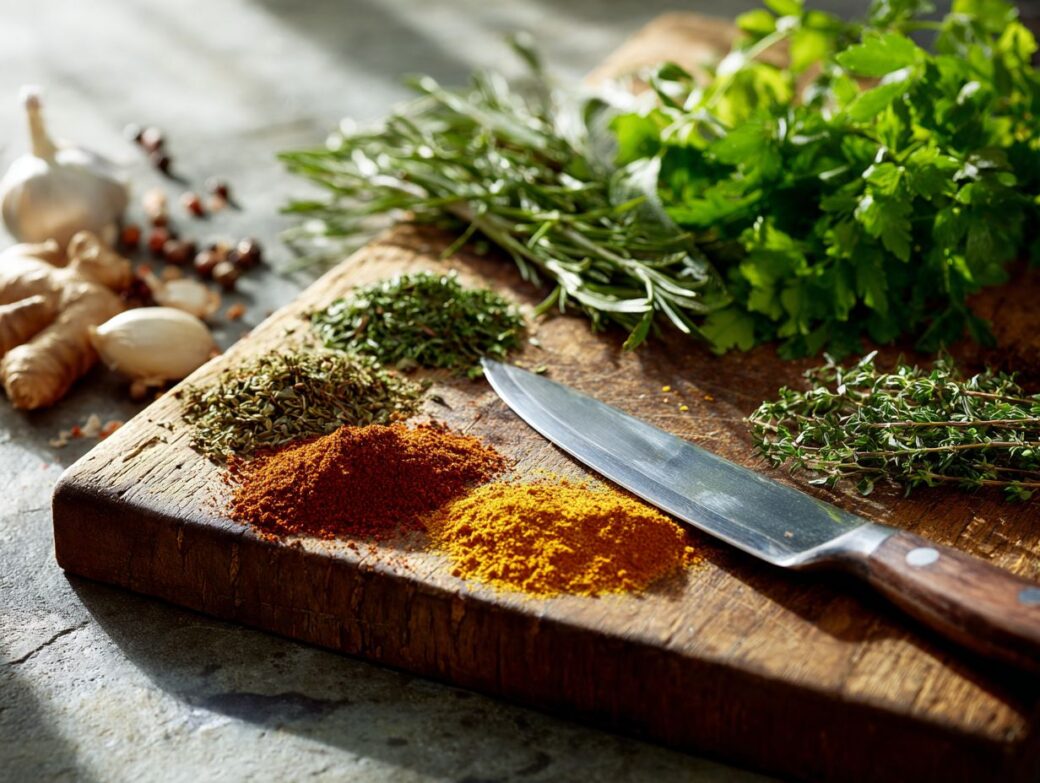
Whole spices retain their freshness and potency for a longer duration compared to ground spices, rendering them preferable for long-term storage, spice shopping, and culinary versatility.
When preparing meals, it is advisable to utilize whole spices for slow-cooked dishes, such as curries or stews, where their flavors can gradually infuse throughout the cooking process. In contrast, ground spices are more suitable for quick preparations-such as sauted vegetables-where immediate flavor is essential.
To achieve optimal flavor release from whole spices, toasting them in a dry skillet for a few minutes prior to grinding is recommended. Utilizing a mortar and pestle or a spice grinder can facilitate the attainment of the desired texture.
It is important to note that freshness is paramount; grinding spices just before use significantly enhances their aroma and taste.
Popular Spices to Know and Flavor Adventure
Familiarizing oneself with popular spices such as cumin, paprika, and cinnamon can significantly expand one’s flavor palette and enhance a variety of dishes.
Other noteworthy spices include:
- Ginger, recognized for its warm and peppery flavor, frequently utilized in Asian cuisines and Thanksgiving recipes.
- Turmeric, which possesses an earthy and slightly bitter profile and is a staple in Indian cooking.
For those seeking a hint of heat, cayenne pepper is an excellent choice, as it adds a spicy kick to sauces and marinades.
These spices can typically be sourced from local markets, such as Chopping Block, or specialty stores, where one can find fresh, high-quality options that elevate culinary creations.
How to Use Herbs and Spices in Cooking Methods
Mastering the use of herbs and spices through precise techniques enables chefs to enhance their dishes and cultivate memorable culinary experiences.
Basic Techniques for Incorporating Flavors
Employing techniques such as blooming spices in oil or incorporating herbs at the appropriate stage of cooking significantly enhances the depth of flavor in culinary dishes and spice blends.
One effective cooking method involves blooming spices, which entails adding them to hot oil at the beginning of the cooking process. This technique releases their essential oils, thereby enriching the foundational flavor of the dish. For example, sauting cumin seeds in oil prior to introducing onions can markedly deepen the overall flavor profile.
Delicate herbs, such as basil or cilantro, should be added towards the conclusion of the cooking process to preserve their fresh taste and vibrant aroma. In contrast, sturdier herbs like rosemary can endure longer cooking durations and are best introduced earlier, allowing their flavors to mellow and integrate throughout the dish.
Pairing Herbs and Spices with Foods and Flavor Combinations
Understanding flavor pairings, such as oregano with tomato, cumin with beans, and thyme with potatoes, can lead to delightful and harmonious culinary results. To enhance your cooking, consider incorporating the following flavorful combinations:
- Basil pairs exceptionally well with mozzarella in a Caprese salad, enhancing its creaminess.
- Cilantro complements lime in fresh salsa, adding brightness to dishes such as tacos or grilled chicken.
- Thyme’s earthy notes enhance the flavors of roasted vegetables, particularly carrots and potatoes.
- Cinnamon, when paired with apples in desserts, can transform a simple pie into a remarkable treat.
- Rosemary is ideal for lamb, as demonstrated in a classic roast dish.
Experimenting with these pairings can significantly elevate the quality of your meals.
Storing Herbs and Spices for Spice Freshness
The appropriate storage of herbs and spices is essential for maximizing flavor retention and ensuring their longevity, thereby enhancing the quality of culinary results over time.
Best Practices for Fresh Herbs
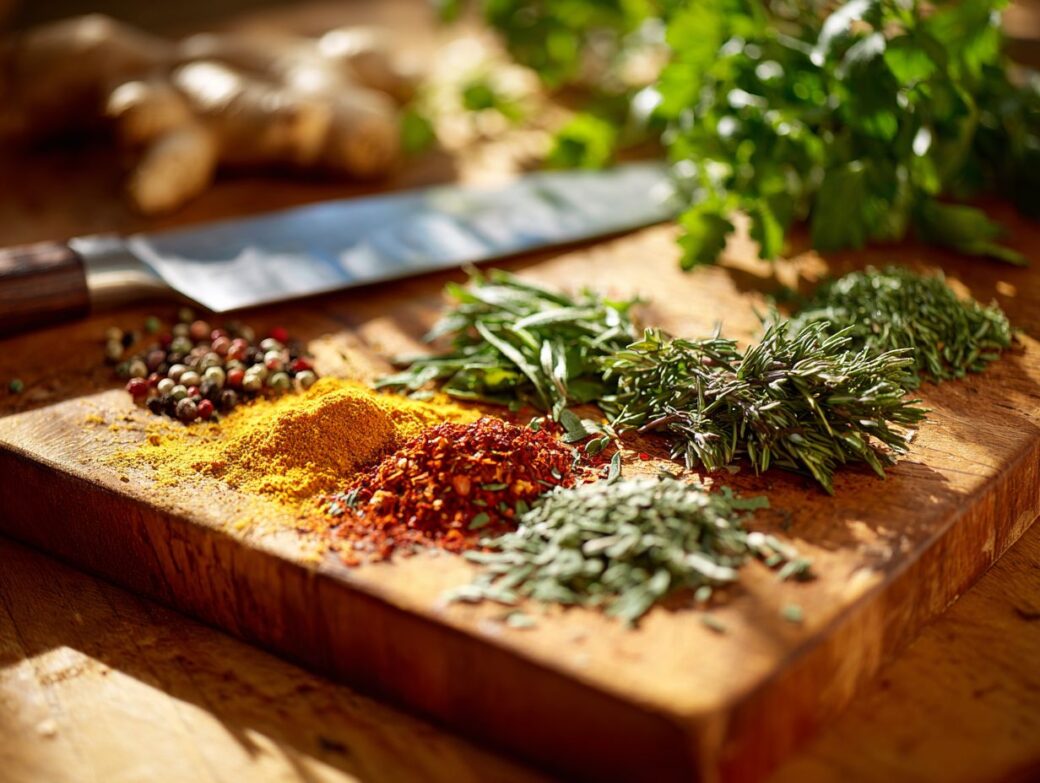
Utilizing an herb keeper can significantly extend the freshness of herbs by up to two weeks, enabling individuals to savor their vibrant flavors, perform taste tests, and embrace a trial and error approach for a longer duration. To maximize freshness, it is advisable to begin by trimming the stems of herbs such as basil or cilantro and placing them in the herb keeper with water, akin to arranging flowers. It is essential to ensure that the container is properly sealed to maintain humidity levels.
For more delicate herbs, such as parsley or dill, it is recommended to wrap them in a damp paper towel prior to placing them in a resealable bag within the refrigerator.
Tools such as the Fresh Herb Keeper or even basic mason jars can effectively help in maintaining optimal conditions for herb storage. Additionally, it is important to regularly change the water to prevent spoilage and to promote the continued vitality of the herbs.
Keeping Spices Fresh and Potent in Your Spice Rack
Storing spices in airtight containers, away from light and heat, can effectively preserve their potency for up to three years, thereby enhancing the quality of culinary preparations. Consider buying spices in bulk from online stores like Amazon or visiting a local Savory Spice Shop for a wide selection.
To optimize spice storage, it is advisable to utilize glass jars or stainless steel containers, as these materials create a tight seal and offer protection against moisture. These containers should be placed in a cool, dark pantry or cabinet, positioned away from the stove and direct sunlight.
Plastic containers should be avoided, as they can retain odors and lead to the degradation of spices. It is prudent to label jars with the purchase date to facilitate the tracking of freshness, and consider rotating the spice stock regularly to ensure optimal quality.
For long-term storage, vacuum sealing can be a highly effective method, extending the freshness of spices beyond their typical shelf life.
Simple Recipes to Get Started
Embarking on a culinary journey with straightforward recipes that incorporate herbs and spices can greatly enhance one’s confidence in the kitchen.
Herb-Infused Oils
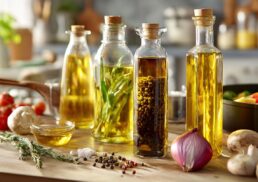
Creating herb-infused oils, such as those made with basil or rosemary, is a simple and effective method for enhancing the flavor profile of various dishes and dressings.
To prepare herb-infused oil, it is necessary to gather fresh herbs, a high-quality oil such as olive or avocado, and an appropriate jar. Begin by roughly chopping one cup of fresh herbs and placing them into a clean jar.
Subsequently, pour in two cups of oil, ensuring that the herbs are fully submerged. Seal the jar tightly and allow it to steep in a warm, dark location for a period of one to two weeks.
Once the infusion process is complete, strain the mixture and store the resulting oil in a dark bottle. This oil can be utilized to elevate salads, or it may be drizzled over grilled vegetables or meats to impart a gourmet touch to your culinary creations.
Spice Rubs for Meats
Crafting spice rubs, such as a sweet BBQ dry rub that includes paprika and chili flakes, significantly enhances the flavor of meat and adds depth to culinary preparations.
For a well-balanced BBQ dry rub, it is recommended to combine the following ingredients:
- 1 tablespoon of sweet paprika
- 1 tablespoon of brown sugar
- 1 teaspoon of chili flakes
- 1 teaspoon of garlic powder
- 1 teaspoon of salt
- 1/2 teaspoon of onion powder
Thoroughly mix these ingredients to ensure an even distribution of flavors. Before application, it is advisable to pat the meat dry using a paper towel, followed by generously rubbing the spice mixture over the surface.
Allow the rub to rest on the meat for a minimum of 30 minutes to facilitate flavor penetration, or refrigerate overnight for a more pronounced taste. This method is particularly effective for enhancing the flavor of pork ribs or chicken.
Learn more, How to Make a Dry Rub Video Recipe | Three Exotic Spice …
Experimenting with Flavor Combinations: From Italian to Thai
Exploring the combination of distinct flavors, such as pairing cumin with sweet potatoes, can result in innovative and enjoyable culinary experiences. Consider experimenting with Mediterranean or Middle East spices to diversify your palate.
To effectively engage in culinary experimentation, it is advisable to incorporate fresh herbs like cilantro, dill, or basil into your dishes. Begin with small quantities of each herb, allowing for taste-testing throughout the process.
A straightforward approach involves preparing a basic dish, such as roasted vegetables, and creating three variations by introducing different herbs. Documenting these combinations will help identify which flavors resonate best with your palate.
You may discover that a touch of paprika combined with garlic enhances your preferred proteins or that a hint of ginger elevates a vegetable stir-fry, thereby improving both flavor and nutritional value.
Resources for Further Learning: Recipe Blogs and Cooking Tips
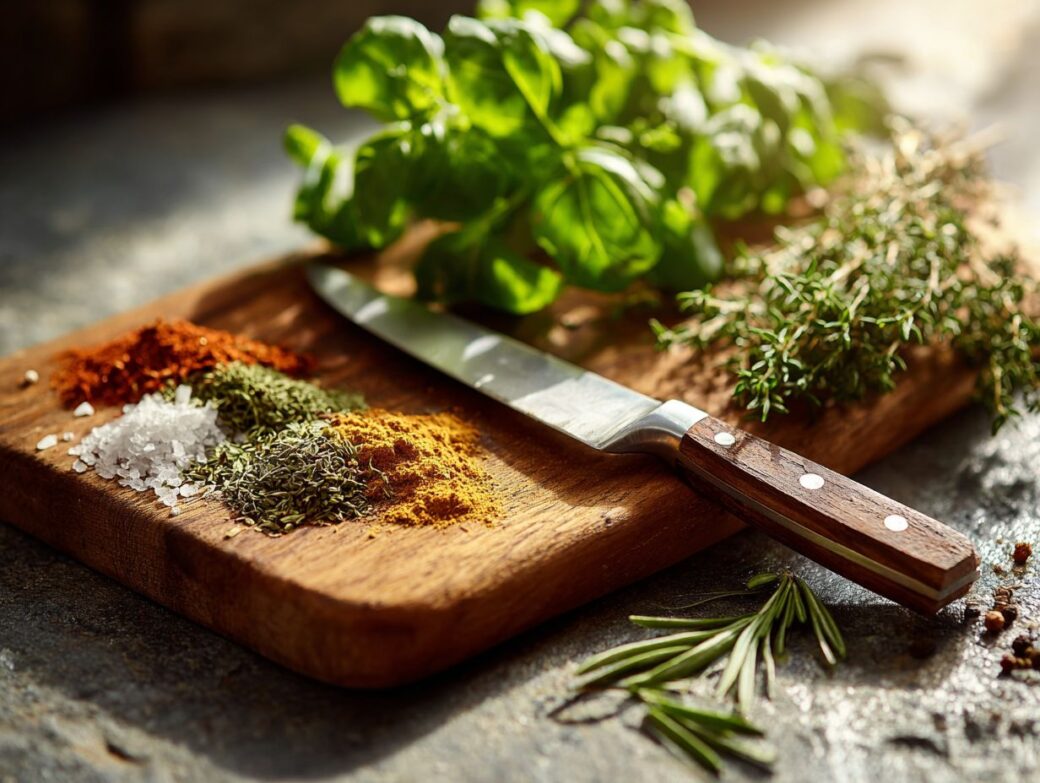
Utilizing resources such as cookbooks, online tutorials, and local cooking classes can significantly enhance one’s knowledge and confidence in the use of herbs and spices. Online recipe blogs often provide cooking tips and insights into using flavors from regions like North Africa, East Asian, and Mexican cuisines.
To further deepen understanding, specific resources like “The Flavor Bible” by Karen Page and Andrew Dornenburg offer an insightful exploration of flavor pairings.
- Websites such as Herbs at Home provide practical tips for growing herbs.
- Platforms like Skillshare feature beginner-friendly courses focused on cooking with spices.
Enrolling in a local culinary class can provide invaluable hands-on experience and direct guidance from experienced chefs, thereby enriching practical skills and expanding culinary appreciation.
Frequently Asked Questions
What are the benefits of cooking with herbs and spices?
Cooking with herbs and spices not only adds a burst of flavor to your dishes, but they also have various health benefits. Many herbs and spices contain antioxidants, anti-inflammatory properties, and can aid in digestion and metabolism.
What are some essential herbs and spices for beginners to have in their kitchen, such as Italian herbs?
It is always good to have a variety of herbs and spices on hand, but for beginners, some essential ones to start with are basil, garlic, cumin, oregano, and cinnamon. These can be used in a wide range of dishes and are versatile in flavor.
How do I know which herbs and spices to pair with different types of food?
A good rule of thumb is to pair herbs and spices based on their flavor profile. For example, fruity herbs such as basil and thyme go well with lighter dishes like chicken or fish, while earthy spices like cumin and coriander pair well with heartier dishes like beef or lamb.
Can I replace fresh herbs with dried herbs?
While fresh herbs are always preferred, dried herbs can be a good alternative. Just keep in mind that dried herbs are more potent in flavor, so use them sparingly. As a general rule, you can replace 1 tablespoon of fresh herbs with 1 teaspoon of dried herbs.
How should I store my herbs and spices?
It is best to store herbs and spices in a cool, dark place to maintain their freshness and flavor. Air-tight containers or jars are also recommended to prevent moisture and air from deteriorating their quality. Additionally, for herb storage, tools like the Fresh Herb Keeper can be useful. It is also important to regularly check and replace old herbs and spices to ensure optimal flavor.
Are there any herbs and spices that are not recommended to cook with, especially during holidays like Thanksgiving or Christmas?
Some herbs and spices are not suitable for cooking and are mainly used for medicinal purposes. It is important to do your research and consult a professional before using any herbs and spices for cooking that you are not familiar with. Additionally, some people may have allergies or sensitivities to certain herbs and spices, so it is important to be aware of this before using them in your dishes.